Table of Contents >> Show >> Hide
- Why Prenatal Visits Matter (And Are Worth the Time)
- The Classic Prenatal Visit Schedule
- First Trimester: Getting Started With Prenatal Visits
- Second Trimester: The “Sweet Spot” of Pregnancy
- Third Trimester: How Often Are Prenatal Visits Then?
- Personalized Prenatal Schedules: Not Always One-Size-Fits-All
- Who Might Need More Frequent Prenatal Visits?
- Telehealth, Group Care, and New Prenatal Care Models
- How to Make the Most of Each Prenatal Visit
- When to Call Between Prenatal Visits
- Real-Life Experiences: What Prenatal Visit Schedules Feel Like
- The Bottom Line: How Often Do You Need Prenatal Visits?
The second that little pregnancy test turns positive, a whole new set of questions pops up:
What should I eat? Can I still drink coffee? And how often do I have to see my doctor now?
The short answer: more often than before you were pregnant, but not so often that you need to
move into the clinic waiting room.
In the United States, most prenatal care schedules follow a fairly predictable pattern:
about once a month at first, then every two weeks, and then weekly near the end of pregnancy.
But the exact number of prenatal visits you need depends on your health, your baby’s health,
and updated professional guidelines that increasingly emphasize personalized care rather than
a one-size-fits-all calendar.
Let’s break down what a typical prenatal visit schedule looks like, when you might need more
(or fewer) visits, and how to make the most of every appointment.
Why Prenatal Visits Matter (And Are Worth the Time)
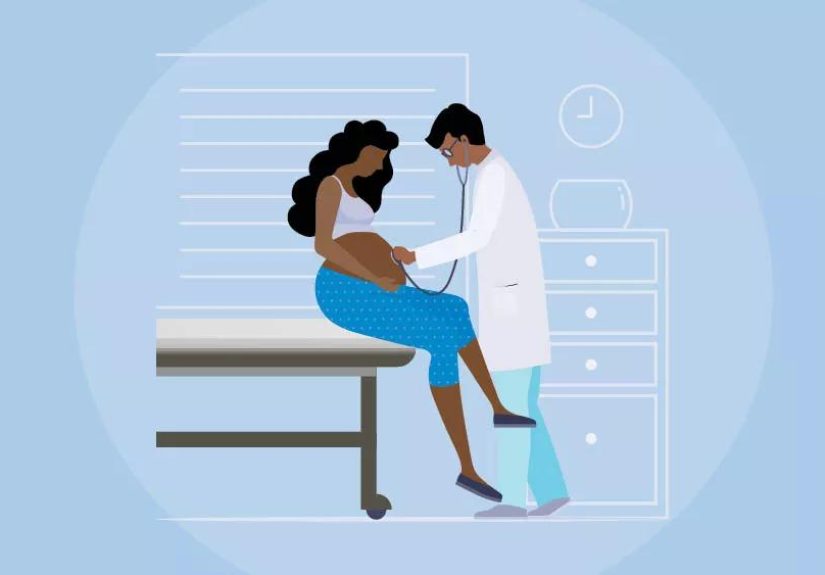
Prenatal visits aren’t just quick weigh-ins and blood pressure checks (though you’ll definitely
get those). They’re your chance to:
- Monitor your baby’s growth and heartbeat.
- Track your blood pressure, weight, and lab results to catch issues early.
- Screen for conditions like gestational diabetes, anemia, or infections.
- Review medications and supplements for safety during pregnancy.
- Ask all the “Is this normal?” questions that keep you up at 3 a.m.
Regular prenatal care is strongly linked with better outcomes for both you and your baby,
including lower risks of preterm birth, low birth weight, and serious complications.
Think of it as scheduled, professional-level reassurance mixed with science.
The Classic Prenatal Visit Schedule
For people with low-risk, uncomplicated pregnancies, many major organizations describe a similar
“classic” prenatal visit schedule:
- Weeks 4 to 28: One visit every 4 weeks (about once a month).
- Weeks 28 to 36: One visit every 2 weeks.
- Weeks 36 to delivery: One visit every week.
This pattern is described by sources like March of Dimes, MedlinePlus, WebMD, and several large
health systems.
Historically, that worked out to about 12–14 in-person visits per pregnancy.
Today, experts are rethinking this model, especially for low-risk patients, but these time
frames still provide a helpful starting point for understanding how often you’ll likely be seen.
First Trimester: Getting Started With Prenatal Visits
When should you schedule the first prenatal visit?
The general advice: as soon as you think you’re pregnant.
Many clinics recommend booking your first prenatal appointment between
about 6 and 10 weeks of pregnancy, often around 8 weeks.
If you have symptoms like heavy bleeding, severe pain, or a history of complications,
your provider may want to see you even earlier.
At this first visit, expect it to run longer than others. Your provider will usually:
- Take a thorough medical and pregnancy history.
- Confirm the pregnancy and estimate your due date.
- Order blood and urine tests (for blood type, anemia, infections, etc.).
- Review medications, supplements, and lifestyle habits.
- Talk about nutrition, prenatal vitamins, and early pregnancy symptoms.
After this initial “big” visit, you’ll typically see your provider about
once every 4 weeks during the first trimester.
These early appointments help establish a baseline for your health and give you space
to ask questions about nausea, fatigue, spotting, or anything else on your radar.
What happens at first-trimester visits?
Later first-trimester visits are often shorter but still important. Your provider may:
- Check your blood pressure and weight.
- Review symptoms like nausea, vomiting, or cramping.
- Order or discuss early genetic and screening tests, if wanted.
- Let you hear the baby’s heartbeat via Doppler around 10–12 weeks (cue happy tears).
Second Trimester: The “Sweet Spot” of Pregnancy
In the second trimester (weeks 13–27), you’re usually still on the
every-4-weeks schedule if your pregnancy is low risk.
This is the stage when many people feel more energetic, nausea may ease up, and the big
anatomy ultrasound (often around 18–22 weeks) happens.
During second-trimester prenatal visits, your provider commonly:
- Checks your blood pressure, weight, and sometimes urine for protein or sugar.
- Measures your belly (fundal height) to track baby’s growth.
- Listens to the baby’s heartbeat.
- Asks about fetal movement once you begin to feel kicks.
- Reviews results from any ultrasounds or screening tests.
Around 24–28 weeks, many providers also screen for gestational diabetes with
a glucose test.
If results are normal and everything else looks good, you’ll likely continue the once-a-month routine
until around week 28.
Third Trimester: How Often Are Prenatal Visits Then?
As you enter the third trimester (week 28 and beyond), appointments become more frequent.
For many low-risk pregnancies, the schedule looks like this:
- Weeks 28–36: Every 2 weeks.
- Week 36 until birth: Weekly visits.
This progressionevery four weeks, then every two, then weeklyis echoed by organizations like
March of Dimes, MedlinePlus, WebMD, and several hospital systems.
Third-trimester visits often include:
- Continued checks of blood pressure, weight, and baby’s heartbeat.
- Measuring your belly to confirm baby’s growth.
- Checking baby’s position (head-down, breech, etc.).
- Discussing signs of labor and when to call or head to the hospital.
- Group B strep screening (typical around 35–37 weeks).
- Occasional cervix checks as you near your due date, depending on your provider’s practice.
These more frequent visits give your team more chances to monitor for conditions like
preeclampsia, growth restriction, or preterm labor and to respond quickly if concerns arise.
Personalized Prenatal Schedules: Not Always One-Size-Fits-All
While the “every 4, 2, 1 weeks” schedule is still a core reference, newer guidance from the
American College of Obstetricians and Gynecologists (ACOG) supports a more
tailored approachespecially for people with low-risk pregnancies.
Instead of automatically booking 12–14 short appointments, some models of care recommend
fewer but slightly longer visits, plus options like telehealth, so that care can focus on
services that actually improve outcomes and meet your needs.
You might have a schedule that still respects the key time framesmore frequent visits later
in pregnancybut uses a mix of in-person and virtual care. The key message from experts:
the right number of prenatal visits is the number that safely fits your risk level,
access to care, and personal circumstances.
Who Might Need More Frequent Prenatal Visits?
Some pregnancies need closer monitoring. Your provider may recommend more frequent visits,
additional tests, or specialist care if you:
- Are carrying twins or higher-order multiples.
- Have high blood pressure, diabetes, kidney disease, or heart disease.
- Have a history of preterm birth, preeclampsia, or pregnancy loss.
- Develop gestational diabetes or hypertension during pregnancy.
- Are 35 or older with specific risk factors, or have other high-risk conditions.
In these situations, you may have extra ultrasounds, nonstress tests, or weekly visits much
earlier than 36 weeks. The schedule becomes very customizedand that’s a good thing.
Telehealth, Group Care, and New Prenatal Care Models
Prenatal care isn’t always limited to the classic “15 minutes in an exam room” model anymore.
Some health systems now offer:
-
Hybrid or telehealth visits: You monitor your blood pressure and sometimes
your baby’s heartbeat at home, and combine virtual check-ins with fewer, but focused, in-person visits. -
Group prenatal care: Programs like CenteringPregnancy bring small groups
of pregnant people together for longer, shared visits that include both medical checks
and education. -
Enhanced education and support programs: Classes and coaching to help you
prepare for labor, breastfeeding, and newborn care.
These options don’t usually reduce the importance of prenatal visitsthey just adjust
how and where they happen.
How to Make the Most of Each Prenatal Visit
Whether you’re going every four weeks, every week, or somewhere in between, these tips can help
you get maximum value from each prenatal appointment:
- Keep a running list of questions in your phone or notebook.
- Track symptoms like headaches, swelling, or changes in baby’s movement.
- Bring your medication list, including supplements and over-the-counter products.
- Ask about what’s coming nexttests, vaccines, and upcoming milestones.
-
Bring a support person if you can and if you want them there for emotional,
logistical, or memory support.
Remember: there are no “silly” questions in prenatal care. If something’s bothering you,
bring it up. Your provider has heard it all.
When to Call Between Prenatal Visits
Even with regular prenatal visits, things can come up in between appointments. Call your
provider or seek urgent care right away if you notice:
- Vaginal bleeding or fluid leaking from your vagina.
- Severe abdominal pain or cramping.
- Severe or persistent headache, vision changes, or sudden swelling of face/hands.
- Fever, chills, or signs of infection.
- Decreased fetal movement once you’ve been feeling kicks regularly.
- Signs of preterm labor: regular contractions, back pain, pelvic pressure, or fluid leakage before 37 weeks.
If you’re ever in doubt, calling your provider’s office or on-call line is always appropriate.
Prenatal care isn’t just what happens at visitsit’s also access to help in between.
Real-Life Experiences: What Prenatal Visit Schedules Feel Like
Guidelines are helpful, but life doesn’t always follow a neat chart. Here are a few
real-world–style scenarios that show how prenatal visit schedules can look and feel
in everyday life.
Emma: The Classic Low-Risk Schedule
Emma is 29, healthy, and pregnant for the first time. She calls her OB-GYN after a missed
period and a positive test, and her first prenatal visit is scheduled for 8 weeks. She’s nervous
but excitedand shocked at how many questions she suddenly has about cheese.
Emma’s pregnancy stays low risk. Her provider follows the classic pattern: appointments every
four weeks during the first and second trimesters. She listens to the baby’s heartbeat,
watches her bump measurements slowly climb, and gets her gestational diabetes screen at 26 weeks.
At 28 weeks, her schedule shifts to every two weeks. By this point, she’s juggling work, a
growing to-do list, and the sudden need to pee every 15 minutes, but the visits make her feel
grounded. At 36 weeks, she starts weekly visits. They talk about labor, signs that it’s time to
head to the hospital, and her birth plan. She delivers at 39 weeks after a smooth labor.
For Emma, the schedule feels busy at the end, but never overwhelming. The frequency increase
near term reassures her that someone is keeping a close eye on both her and her baby.
Jordan: Twins and More Frequent Check-Ins
Jordan finds out at 10 weeks that she’s not just expectingshe’s expecting twins.
Because twin pregnancies carry higher risks of preterm birth and growth complications, her
provider quickly adjusts her prenatal care schedule.
Jordan still has a first-trimester schedule similar to Emma’s, but in the second trimester,
she starts having more frequent ultrasounds to monitor both babies’ growth and fluid levels.
By the third trimester, she’s often seen every week, sometimes with additional tests like
nonstress tests to check the babies’ heart rate patterns.
That means more time off work and more rides to the clinicbut it also means problems are more
likely to be caught early. When one baby starts measuring smaller than the other, her care team
is already watching closely and adjusts her plan to ensure both babies are as safe as possible.
Maya: A Hybrid Schedule With Telehealth
Maya lives 45 minutes from her clinic and works a job with limited time off. Her pregnancy is
low risk, but getting to appointments is a challenge. Her health system offers a hybrid prenatal
program: a mix of in-person and virtual visits, plus at-home blood pressure monitoring.
Maya attends her major milestone visits in personearly first-trimester confirmation,
anatomy scan, glucose testing, and late third-trimester visits. In between, she has
telehealth check-ins where she reports her blood pressure, weight, and symptoms and asks
questions from the comfort of her couch.
Her overall number of visits is similar to the classic schedule, but not every visit requires
a commute. For her, this makes prenatal care more manageable, and she’s less likely to skip or
delay visits because of time or transportation issues.
These three stories show a key truth: how often you “need” prenatal visits is a blend
of medical guidelines, your personal risk factors, and real-life logistics. There’s
a standard frameworkbut your provider’s job is to adapt it to you, not force you into a
rigid mold.
The Bottom Line: How Often Do You Need Prenatal Visits?
For many people with low-risk pregnancies in the U.S., prenatal care typically follows this pattern:
- First visit usually around 6–10 weeks, or as soon as you know you’re pregnant.
- Then about every 4 weeks until 28 weeks.
- Every 2 weeks from 28 to 36 weeks.
- Weekly from 36 weeks until delivery.
But this is a starting point, not a final rule. New ACOG guidance encourages personalized care,
which may mean fewer in-person visits but longer and more focused ones for some low-risk patients,
and more frequent visits or specialized care for those at higher risk.
Whatever your situation, the most important steps are to:
- Start prenatal care early.
- Show up consistently (even when you feel fine).
- Speak up about symptoms, questions, or worries.
- Work with your provider to build a schedule that fits your health and your life.
And one more note: While this article is grounded in up-to-date medical information from
reputable U.S. sources, it’s not a substitute for personalized medical advice.
Always follow the guidance of your own healthcare professional about how often you
should be seen during pregnancy.