Table of Contents >> Show >> Hide
- What Is a 180mm Gyuto, Exactly?
- Meet the Brand: Zanmai by Mcusta
- What Makes Zanmai 180mm Gyutos Stand Out?
- Choosing the Right Zanmai 180mm Gyuto Series
- Dialing in the Specs: What to Look for on a 180mm Zanmai Gyuto Listing
- How a Zanmai 180mm Gyuto Performs in Real Cooking
- Knife Care (So Your Zanmai Doesn’t Become “Zan-mildly-disappointed”)
- Who Should Buy a Zanmai 180mm Gyuto?
- Conclusion: The “Just Right” Zanmai
- of Real-World Cooking Experiences With Zanmai 180mm Gyuto Knives
If you’ve ever picked up a Japanese gyuto and immediately felt like you could chiffonade basil while solving a
Rubik’s Cube, you already understand the appeal. A 180mm gyuto (about 7 inches) sits in that
sweet spot between “real chef knife” and “friendly to normal human kitchens.” And when the name on the blade is
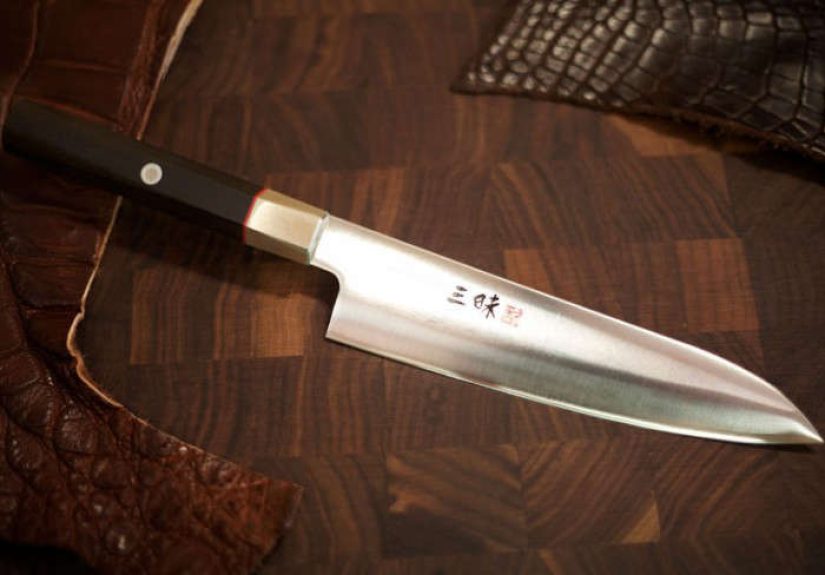
Zanmai by Mcusta, you’re usually looking at a knife built in Japan’s cutlery heartland, with
premium finishing, comfortable handles, and steels that actually behave the way knife nerds claim they do.
This guide breaks down what makes Zanmai 180mm gyuto knives special, how to choose the right
series (VG-10 Damascus? SG2 powder steel? Aogami Super?), what to expect in everyday use, and how to keep your edge
crisp without turning “knife maintenance” into a full-time hobby.
What Is a 180mm Gyuto, Exactly?
A gyuto is Japan’s take on a Western-style chef’s knifeversatile enough for slicing proteins,
chopping vegetables, and mincing herbs, but often thinner and lighter than many European equivalents. Historically,
gyuto evolved as Japanese kitchens embraced Western meat cookery, and today it’s one of the most “do-it-all” knife
shapes you can buy.
Why 180mm?
A 180mm gyuto is the “apartment-friendly sports car” of chef knives: nimble, quick to steer, and easier to live
with on smaller cutting boards. Compared with 210mm or 240mm gyutos, you’ll usually notice:
- More control for tip work (garlic, shallots, strawberries, trimming).
- Less fatigue for smaller hands or shorter prep sessions.
- Better fit for compact kitchens, tight counters, and crowded drawers.
- Trade-off: slightly less knuckle clearance and less “one-pass” slicing length for big items.
Meet the Brand: Zanmai by Mcusta
Zanmai knives are made in Seki, Japan by Mcusta, a modern maker known for tight fit-and-finish and
comfortable, carefully contoured handles. In practical terms, that often shows up as smooth spine and choil edges,
clean transitions between bolster/ferrule and handle scales, and a refined grind that feels precise on the board.
Zanmai also runs multiple product lines using different steels and handle materials. That’s great newsbecause it
means you can choose your personality:
“I want easy stainless and low drama,” “I want powder steel edge retention,” or “I want carbon steel performance and
I’m not afraid of a little patina.”
What Makes Zanmai 180mm Gyutos Stand Out?
1) Thin, performance-oriented geometry
Many Zanmai gyutos are ground relatively thin, which helps them glide through onions and carrots with less wedging.
For example, common 180mm Zanmai gyuto listings show spine thickness around ~2mm at the heelthin enough to feel
lively, while still substantial enough for everyday prep when used appropriately.
2) Premium stainless options (VG-10 Damascus is a classic)
A popular Zanmai format is a VG-10 core with Damascus-style stainless cladding. The goal here is
balance: good edge holding, good corrosion resistance, and sharpening that’s not overly dramatic. VG-10 has a long
track record in Japanese kitchen knives for being a well-rounded stainless steelcapable of getting very sharp and
staying that way through normal home and pro-kitchen tasks.
3) Handles that don’t feel like an afterthought
Zanmai offers different handle styles depending on the seriescommon materials include pakkawood, Corian scales, and
other durable composites. Some 180mm models are sold with Western-style (yo) handles that are riveted and contoured
for comfort, while other lines lean more “Japanese hybrid” in shape and feel.
4) Multiple steel “flavors,” from stainless to carbon to powder steel
Depending on the series, you’ll see Zanmai gyutos offered in steels like:
- VG-10 stainless (often with Damascus cladding) for easy care and balanced performance.
- SG2 (R2) powder stainless for higher wear resistance and longer edge retention.
- Aogami Super (carbon steel) for high-performance edges and the “knife nerd grin.”
- Molybdenum stainless options for affordability and easy maintenance.
Choosing the Right Zanmai 180mm Gyuto Series
“Best” depends on how you cook, how you maintain knives, and how much you enjoy (or hate) maintenance.
Here’s how to pick the right lane.
Zanmai VG-10 Damascus (Classic / Classic Pro / similar lines)
If you want one knife that feels premium without requiring a lifestyle change, VG-10 Damascus-style Zanmai gyutos
are a strong choice. Many 180mm versions are listed with double-bevel edges (often 50/50), stainless Damascus
cladding, and tough handle materials like pakkawood or Corian.
- Best for: home cooks, mixed households, people who want “nice” but not “fussy.”
- What it feels like: sharp, smooth, controlledespecially for vegetables and proteins.
- Maintenance level: low to moderate (hand wash, dry, store well; sharpen when needed).
Zanmai SG2 / R2 powder steel (Revolution / higher-end stainless lines)
SG2 (often called R2) is a powder metallurgy stainless steel that can deliver excellent edge retention when heat
treated well. In plain English: you may go longer between sharpening sessions, especially if your cutting board
habits are good.
- Best for: frequent cooks, meal-preppers, and anyone who hates sharpening (but loves sharp knives).
- What it feels like: crisp bite on tomatoes, long-lasting edge, very “locked-in” cutting feel.
- Maintenance level: still stainless, but sharpening can feel more “glassy” than VG-10.
Zanmai Aogami Super (carbon steel lines like Beyond)
Aogami Super is a celebrated Japanese carbon steel known for strong edge performance. It’s loved because it can get
extremely sharp and hold that keen edge impressivelyespecially for push cutting and fine slicing.
- Best for: enthusiasts, cooks who enjoy the ritual, and people willing to wipe and dry often.
- What it feels like: sticky-sharp, precise, and satisfyinglike the knife is reading your mind.
- Maintenance level: higher (carbon reacts; patina is normal; don’t leave it wet).
Zanmai molybdenum stainless (Forest / entry-friendly lines)
If you want the Zanmai fit-and-finish vibe at a more approachable price, molybdenum stainless lines can be a smart
start. These are often designed to be practical daily drivers: stain resistant, easy to live with, and forgiving.
- Best for: first “good knife,” college apartments, or anyone who wants lower-stress ownership.
- What it feels like: dependable, smooth, and less finicky about environment and habits.
- Maintenance level: lower; still deserves hand washing and decent storage.
Dialing in the Specs: What to Look for on a 180mm Zanmai Gyuto Listing
Product pages vary, but the best listings will tell you more than “very sharp!!!”
When you’re comparing models, focus on the specs that matter in real kitchens:
Blade length, height, and thickness
- Length: 180mm is the sharpened cutting edge length; overall length is longer with the handle.
- Height: around low-to-mid 40mm is common and affects knuckle clearance and food release.
- Thickness at heel: ~2mm often signals a lively cutter that favors precision over brute force.
Edge geometry and bevel
Most Zanmai gyutos sold in the U.S. market are double bevel and ambidextrous-friendly. That’s ideal if multiple
people use the knife or you don’t want to think about asymmetric grinds before coffee.
Handle material and ergonomics
Pakkawood and Corian are popular because they’re stable, durable, and less sensitive to moisture than untreated
natural woods. A contoured handle with eased edges is not just “luxury”it’s how a knife stays comfortable after the
tenth onion.
How a Zanmai 180mm Gyuto Performs in Real Cooking
Vegetables: where the gyuto earns its keep
A thin 180mm gyuto is a joy for onions, peppers, herbs, and daily prep. You get the precision of a narrower tip for
detail work, plus enough belly to rock-chop herbs if that’s your style. On denser produce (sweet potatoes, squash),
good technique matters: let the edge do the work and avoid twisting.
Proteins: clean slicing, neat trimming
For chicken, fish, and boneless meats, a sharp gyuto glides. You can portion, trim, and slice without sawing. If you
regularly break down whole chickens or work around lots of bone, pair your gyuto with a boning knife or use a more
robust blade for that taskharder Japanese-style edges tend to dislike bone and torque.
Herbs and aromatics: the 180mm advantage
Garlic, ginger, scallions, cilantrothis is where 180mm shines. It’s long enough to be efficient, short enough to
feel precise, and typically light enough that your wrist doesn’t file a formal complaint.
Knife Care (So Your Zanmai Doesn’t Become “Zan-mildly-disappointed”)
The fastest way to ruin a great knife is to treat it like a crowbar with a cutting edge. Japanese-style chef knives
are often thinner and harder, which helps performancebut also makes them less tolerant of rough use.
Cleaning rules that save edges (and handles)
- Hand wash only and dry promptly.
- Avoid dishwashers, soaking in a sink, and abrasive scrubbers.
- Don’t air-dry and forget itwater + time is never a knife’s best friend.
Cutting board choices: your edge’s best friend
Use wood or quality plastic boards. Avoid glass, stone, metal, or “my countertop is basically granite, so it counts.”
Hard surfaces beat up edges quickly and make even premium steels feel dull sooner than they should.
Safe storage
A knife block, magnetic strip, or blade guard helps protect the edge (and your fingers). Tossing a gyuto into a
utensil drawer is like parking a sports car by driving it into a swimming pool.
Sharpening: keep it practical
You don’t need a shrine of sharpening stones to own a Zanmai, but you do need a plan. Many cooks hone regularly and
sharpen periodically. If you’re new to sharpening, consider professional sharpening at least at first, or practice
on a less precious knife. The goal is consistency, not perfection.
Safety note: Whether you hone or sharpen, go slow, keep your hands clear of the edge, and use stable
surfaces. Sharp tools deserve calm energynot chaos.
Who Should Buy a Zanmai 180mm Gyuto?
You’ll probably love it if…
- You cook often and want a premium daily driver that feels precise.
- You prefer control over “giant blade energy.”
- Your cutting board and prep space are on the smaller side.
- You want Japanese craftsmanship with modern, comfortable handle ergonomics.
You might want a different size if…
- You slice lots of large roasts, melons, or big cabbage heads and want longer draw cuts (consider 210–240mm).
- You have very large hands and consistently want more knuckle clearance (a taller blade or longer size may help).
Conclusion: The “Just Right” Zanmai
A Zanmai 180mm gyuto is for cooks who want a knife that feels fast, precise, and genuinely enjoyable
to usewithout taking over the kitchen. In VG-10 Damascus lines, you get stainless convenience with a premium feel.
In SG2/R2 powder steel, you get longer-lasting sharpness for busy weeks. In Aogami Super options, you get that
high-performance edge that makes simple prep feel weirdly satisfying.
Pick the steel and handle that match your habits, treat the edge with a little respect, and you’ll have a knife
that turns “making dinner” into “okay, maybe I’ll prep everything because this is fun.”
of Real-World Cooking Experiences With Zanmai 180mm Gyuto Knives
The first thing most people notice with a well-made 180mm gyuto is how quickly it teaches you what “sharp” is
supposed to feel like. Not the dramatic, movie-montage kind of sharpmore like the quiet confidence of a blade that
doesn’t argue with tomatoes. You set the edge down, start a slice, and the skin opens cleanly instead of squishing
the fruit into a sad, seedy puddle. That single moment tends to kick off a chain reaction: you stop forcing cuts,
you relax your grip, and prep starts to feel smoother.
In everyday home cooking, the 180mm length shines in small-but-constant tasks. Dice an onion, mince garlic, split a
chicken breast, slice a lemon, chiffonade basil, portion a block of tofurepeat. The knife feels “ready” without
demanding a bigger board or more elbow room. And because the blade is usually lighter than a bulky Western chef
knife, you can prep a weeknight stir-fry without your wrist feeling like it filed for retirement.
A common “aha” moment happens with herbs. With a shorter gyuto, you can rock-chop parsley or cilantro in a tight
space without your tip wandering off the board. You also realize how much your cutting board matters. On a good wood
board, the edge stays crisp longer and the knife sounds differentless clacky, more controlled. On a hard surface,
even the best steel starts to feel tired. People often describe it as the knife losing its “bite,” which is a polite
way of saying, “Why am I suddenly working harder?”
Another real-world experience: once you own a nice gyuto, you start noticing bad knife habits like they’re plot
holes in a TV show. Twisting the blade to pry something apart? Using the edge to scrape the board? Tossing the knife
in a sink full of mystery water? Suddenly those moves feel less like “normal cooking” and more like “slow-motion
sabotage.” The funny part is that the knife doesn’t force you to become preciousit just nudges you toward better
technique. Instead of scraping with the edge, you flip the knife and use the spine. Instead of muscling through a
hard squash, you cut with smaller, more controlled strokes.
Over time, owners often settle into a simple rhythm: hand wash, dry, store safely, touch up the edge when needed.
The reward is consistency. On busy nights, the knife is dependable. On slow weekends, it’s a joy. And when you cook
for someone else, it quietly makes you look more competent than you feelbecause clean cuts and neat prep are
basically culinary confidence in physical form.