Table of Contents >> Show >> Hide
- Quick Navigation
- What Is Folliculitis Decalvans?
- Pictures: What Folliculitis Decalvans Usually Looks Like
- Symptoms and Early Warning Signs
- Causes and Risk Factors
- Diagnosis: How Doctors Confirm It
- Treatments: What Actually Helps Folliculitis Decalvans?
- Hair and Scalp Care Between Flares
- Outlook: Is Folliculitis Decalvans Curable?
- Real-Life Experiences With Folliculitis Decalvans (Extra )
- SEO Tags (JSON)
If your scalp is acting like it’s hosting a tiny, angry neighborhood of pimplescomplete with crusts, tenderness, and hair lossyour brain might jump to
“regular folliculitis” and hope it’ll vanish with a new shampoo and good vibes. Sometimes it does. But sometimes the culprit is a rarer condition called
folliculitis decalvans, a type of scarring (cicatricial) alopecia that can permanently damage hair follicles if it isn’t
controlled early.
This guide breaks down what folliculitis decalvans looks like in pictures (and what those pictures typically show), plus symptoms, likely causes, how it’s
diagnosed, and treatments dermatologists use to calm inflammation and slow or stop further hair loss. It’s informationalnot a substitute for medical care
but it will help you walk into a dermatology appointment sounding like you’ve done your homework (without sounding like you’re trying to replace the doctor).
What Is Folliculitis Decalvans?
Folliculitis decalvans (FD) is a chronic inflammatory disorder that targets hair folliclesmost often on the scalpand can lead to
permanent hair loss in patches because the follicles are gradually destroyed and replaced by scar tissue. It’s considered a
neutrophilic scarring alopecia, meaning certain immune cells (neutrophils) are heavily involved in the inflammation seen on biopsy.
FD is uncommon, tends to run a long, relapsing course, and often needs ongoing management rather than a one-and-done fix.
While “decalvans” sounds like a villain in a superhero movie, it simply refers to “making bald.” The key idea is this: FD isn’t just surface irritation.
It’s deeper follicle inflammation that can permanently change the scalp landscapeso early recognition matters.
Pictures: What Folliculitis Decalvans Usually Looks Like
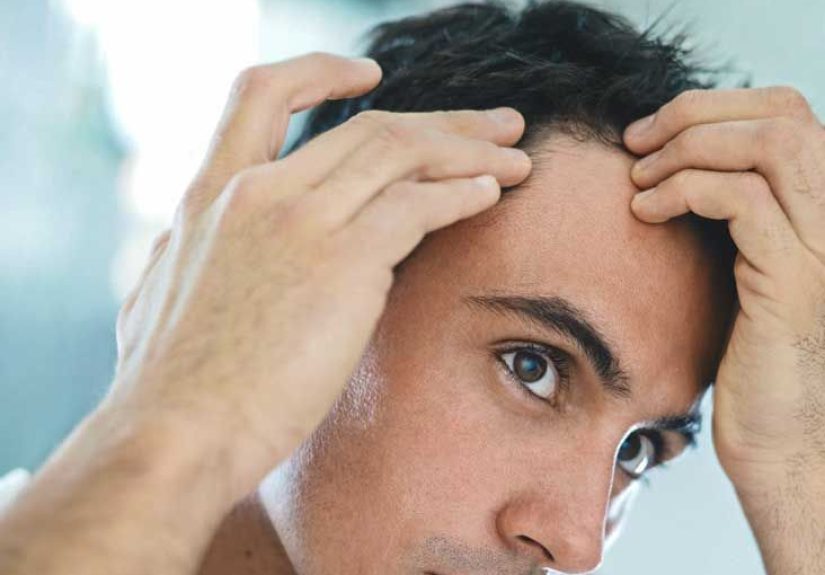
Medical photos of folliculitis decalvans often show a specific “greatest hits” collection of findings. If you search for pictures online, you’ll commonly see:
- Redness around follicles (perifollicular erythema) that looks like inflamed rings or spots on the scalp.
- Follicular pustules: small pus-filled bumps centered on hair follicles.
- Yellowish crusts or scales where pustules have broken down or healed.
- Shiny, scarred patches where hair no longer grows (scarring alopecia).
-
Tufted hairs (“doll hair” or “tufting”): multiple hairs emerging from a single follicular opening, giving a paintbrush-like look.
This can be seen in FD and related patterns.
A word of caution: plenty of scalp conditions can mimic each other in photosfungal infections (tinea capitis), psoriasis, seborrheic dermatitis, and other
scarring alopecias can look confusingly similar. That’s why dermatologists may use trichoscopy (scalp dermoscopy) and sometimes a
scalp biopsy to confirm what’s really going on.
Common “Picture Clues” Dermatologists Notice
In clinic, doctors often look for patterns: pustules clustered around follicles, tufting, crusting, and expanding hairless scarred areas. Trichoscopy can
highlight perifollicular scaling and other patterns that help separate FD from look-alikes. If you’re taking your own progress pictures, good lighting and
consistent angles matter more than fancy camera gear.
Symptoms and Early Warning Signs
Folliculitis decalvans typically affects the scalp (often the crown/vertex or back/occipital areas), but it can occasionally involve other hair-bearing
regions. Symptoms can range from mild annoyance to “please don’t touch my head” tenderness.
Most common symptoms
- Recurrent scalp pustules (pimple-like bumps centered on hairs)
- Crusting and sometimes oozing after bumps rupture
- Itching, burning, or pain of the scalp
- Patchy hair loss that can slowly expand
- Tufted hair (multiple hairs coming out of one opening)
Signs it may be more than “regular folliculitis”
- Hair isn’t growing back in affected patches after bumps settle down
- Shiny or smooth scalp skin where follicles seem “gone” (a clue for scarring)
- Flares keep returning despite routine folliculitis care
- Widening bald patches with ongoing inflammation at the edges
The American Academy of Dermatology includes folliculitis decalvans among conditions that can cause scalp redness, swelling, sores, and pusespecially when
hair loss is part of the picture. If those symptoms are showing up together, it’s worth being evaluated.
Causes and Risk Factors
Here’s the frustrating truth: the exact cause of folliculitis decalvans isn’t fully understood. The best-supported explanation is that FD
may involve an abnormal immune reaction in and around hair follicles, often associated with Staphylococcus aureus found on the scalp.
That doesn’t mean “staph is the villain and you did something wrong.” Staph can live on skin without causing problems; FD seems to be about how the immune
system and follicles respond over time.
What researchers think is happening
-
Microbial involvement: Staphylococcus aureus is frequently discussed in relation to FD, and clinicians may swab pustules or crusts for
culture to guide antibiotics. -
Immune dysregulation: The inflammation is neutrophil-heavy, and studies suggest a chronic inflammatory cycle that damages follicles and
leads to scarring. -
Spectrum with tufting: Tufted hair folliculitis is often described as overlapping with, or a subset/spectrum of, FDclinically and on
biopsy findings.
Who gets it?
FD is often reported in adolescents or adults, with many summaries noting a male predominance and a tendency to be chronic and relapsing. That said,
it can affect people of different genders and ages. If you have symptoms, your scalp didn’t read the demographics section before deciding to act up.
Diagnosis: How Doctors Confirm It
FD is usually diagnosed by a dermatologist using a combination of history, scalp exam, and targeted testsmainly to confirm FD and rule out conditions that
need different treatment.
What to expect at the appointment
- Scalp exam looking for pustules, crusting, tufting, and areas of scarring hair loss
- Trichoscopy (dermoscopy of the scalp) to spot patterns like perifollicular scaling, crusts, pustules, and tufted follicles
- Bacterial culture of pustules/crusts to check for Staph aureus and antibiotic sensitivities
- Scalp biopsy (often 1–2 small samples) if the diagnosis isn’t crystal clear
Common conditions doctors rule out
- Tinea capitis (fungal infection of the scalp)
- Dissecting cellulitis of the scalp
- Psoriasis or severe seborrheic dermatitis
- Other scarring alopecias (like lichen planopilaris or discoid lupus)
In other words: diagnosis is part pattern-recognition, part detective work. The goal is to name the condition accurately so treatment targets the real
mechanismbecause FD management is much more than “try a random antibiotic and hope.”
Treatments: What Actually Helps Folliculitis Decalvans?
The main treatment goal is to reduce inflammation, control pustules, and prevent further hair loss. Because FD is a scarring alopecia,
hair that is already lost in scarred areas typically does not regrowso treatment is about protecting the follicles that are still alive.
1) Oral antibiotics (often a core strategy)
Antibiotics are commonly used because bacterial involvement (especially Staph aureus) is frequently associated with FD, and antibiotics can also have
anti-inflammatory effects.
-
Clindamycin + rifampin (rifampicin): A 10-week course has been reported in studies to produce longer remissions for some patients.
Dermatologists weigh benefits against drug interactions and side effects, and monitoring may be needed. - Tetracyclines (like doxycycline or minocycline): often used for both antimicrobial and anti-inflammatory effects.
Important: antibiotics aren’t “forever.” Many people need them in cycles, combinations, or for defined courses, depending on severity and relapse pattern.
Cultures can help tailor choices, especially if flares keep returning.
2) Topical therapy and antiseptic routines
Topical treatments may be used alongside oral medications to reduce surface bacteria and calm inflammation:
- Topical antibiotics in specific cases
- Antiseptic washes (your dermatologist may recommend options appropriate for scalp skin)
- Medicated shampoos to reduce scale and irritation (choice depends on your scalp’s needs)
The goal isn’t to “sterilize your head” (please don’t try). It’s to lower triggers and support the skin barrier while prescription therapies do the heavy
lifting.
3) Corticosteroids (to calm the fire)
FD is inflammatory, so anti-inflammatory treatment matters. Dermatologists may use:
- Topical corticosteroids for inflamed areas
- Intralesional steroid injections (tiny injections into active borders) to reduce inflammation and symptoms
4) Retinoids and other systemic options (selected cases)
Some patientsespecially those with stubborn or recurring diseasemay be offered other systemic therapies:
- Isotretinoin has been reported as helpful in some cases, particularly when inflammation is hard to control.
-
Biologics (example: adalimumab) have been described in case reports for moderate-to-severe disease when more standard regimens fail,
but this is specialized and carefully individualized.
5) Light-based and procedural approaches
Because FD can be difficult to manage, some dermatology teams use procedural therapies in select situations:
- Photodynamic therapy has been described in case literature as a potential option for controlling pustules and slowing progression.
- Supportive procedures for symptoms (for example, addressing painful crusting or secondary infection)
What about hair transplants?
In scarring alopecias, hair transplantation is usually not a first-line strategy and often isn’t recommended until the disease has been quiet for a long
time (if at all). If active inflammation persists, transplanted follicles may not survive. Cosmetic options like hair styling changes, scalp camouflage,
or scalp micropigmentation may be discussed depending on personal preference.
Hair and Scalp Care Between Flares
Think of daily care as “supporting the mission,” not “curing the disease.” Helpful habits vary by person, but these principles are commonly recommended in
inflammatory scalp conditions:
- Be gentle: avoid aggressive scratching, harsh scalp scrubs, and tight hairstyles that pull.
- Skip DIY experiments during flares: essential oils, harsh alcohol-based tonics, and random internet concoctions can irritate inflamed skin.
- Keep nails short: if itching is a problem, this reduces accidental skin injury.
- Track triggers: some people notice flares after stress, heat/sweating, or certain hair products. A simple notes app can help spot patterns.
- Use “progress pics” wisely: consistent lighting and a weekly photo can show whether treatment is working better than memory alone.
If you’re using medicated topicals, apply exactly as prescribed. “More” can irritate the scalp and backfirelike trying to fix a leaky faucet by turning the
handle harder until it snaps off.
Outlook: Is Folliculitis Decalvans Curable?
FD is typically considered a chronic, relapsing condition. Many people cycle through flares and quieter periods. With treatment, the disease
can often be controlled well enough to reduce symptoms and limit further hair loss, but it may require long-term follow-up and periodic adjustments.
Why early treatment matters
Because FD causes scarring, the follicles lost to scarring usually don’t return. The sooner inflammation is controlled, the better the chances of preserving
remaining follicles.
When to seek urgent care
Call a clinician promptly if you develop fever, rapidly spreading redness, significant swelling, drainage that worsens quickly, or severe painthose can
suggest complications or a different diagnosis needing urgent treatment.
Real-Life Experiences With Folliculitis Decalvans (Extra )
Medical facts are helpful, but living with folliculitis decalvans is often a whole experiencephysical, emotional, and weirdly logistical (“How do I wash my
hair without feeling like I’m scrubbing a sunburn?”).
Many people describe the early stage as confusing because it doesn’t always look “serious” at first. A few pustules show up, then crusting, then a tender
spot that seems to calm downuntil it doesn’t. The stop-and-start pattern can be the most frustrating part: you think you’ve found the magic shampoo, then
a flare returns like it forgot it already broke up with you.
Another common experience is the emotional whiplash of hair loss that feels out of proportion to the size of the bumps. With FD, the inflammation is centered
around follicles, so the hair changes can be noticeable even when the surface symptoms seem “small.” People often report becoming hyper-aware of lighting,
angles, and mirrors. Photos can help you track progress, but they can also become a rabbit hole. A practical approach is to set a schedule (for example,
one set of photos weekly) and then live your life the other six days.
Treatment experiences also tend to be trial-and-adjustment rather than instant victory. Some people feel better quickly once an effective antibiotic or
anti-inflammatory plan starts; others notice slow improvementless tenderness, fewer new pustules, and calmer edges around patchesbefore things look visibly
different. Because FD often needs combination therapy, it’s common to have a “stack” of care: an oral medication, a topical product, a medicated shampoo,
and a follow-up plan for flares. It can feel like a part-time job, so simple systems help: calendar reminders, a small basket with scalp supplies, and a
short checklist for flare days (wash, apply, don’t pick, document, repeat).
Socially, people often worry others can “see it” or assume it’s contagious. The good news is FD is generally described as not contagious, but the self-conscious
feeling can still be real. Some people find it helpful to have one sentence ready for curious friends or barbers, like: “I have an inflammatory scalp condition,
so I’m careful with products and irritation.” You don’t owe anyone a medical TED Talk.
Speaking of barbers and salons: a lot of people become cautious about haircutsnot because haircuts cause FD, but because inflamed scalp skin can be sensitive.
Common coping strategies include asking for gentler handling, avoiding very tight clipper work over active areas, and choosing times for haircuts when the scalp
is calm. If you’re using topical prescriptions, it’s smart to tell your stylist you’re managing a scalp condition so they can skip irritating products or heavy
fragrance sprays.
Finally, many people describe relief when they find a dermatologist who takes scarring alopecia seriously. FD is rare enough that it can be misread as
routine folliculitis for a while. Once it’s named, the path forward becomes clearer: treat active inflammation, protect remaining follicles, and plan for
the long game. That long game can include cosmetic options (hair fibers, strategic cuts, scalp camouflage, or micropigmentation) alongside medical management.
The best “experience tip” is this: measure progress not just by hair density, but by fewer flares, less pain, and calmer skinthose wins are often the real
signs you’re getting control.