Table of Contents >> Show >> Hide
- Quick Snapshot: What You’re Really Buying
- What “Traditional Low” Means (And Why It Looks So Good)
- Slipcovers: The Practical Magic (And the Fine Print)
- Comfort and Construction: What’s Under the Slipcover Matters
- Choosing Fabrics: Linen Romance vs. Real-Life Durability
- Sizing and Layout: Make Sure It Fits Your Life (Not Just Your Room)
- Styling the Montauk Slipcovered Traditional Low Sofa
- Care, Maintenance, and Keeping It Looking “New-ish”
- Who This Sofa Is Perfect For (And Who Might Want Something Else)
- Extra : Experiences That Help You Picture Life With This Sofa
- SEO Tags
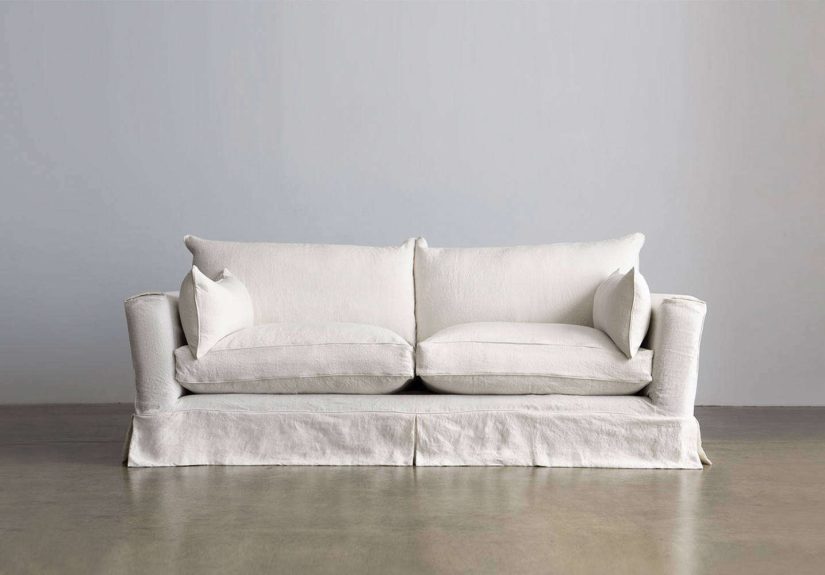
Some sofas shout. This one calmly clears its throat and says, “I live here.” The Montauk Slipcovered Traditional Low Sofa
is the kind of piece that looks like it has always belonged in the roomeven if you moved in last week and your “coffee table” is still a moving box.
With its low profile, timeless slipcovered look, and the everyday practicality of machine-washable covers,
it’s designed for real life: movie nights, surprise guests, messy snacks, and that one friend who somehow spills water without holding a cup.
In this guide, we’ll break down what “Traditional Low” really means, why slipcovers are both a blessing and a small lifestyle choice,
what to look for in fabrics and cushion fills, and how to style this sofa so it works in everything from coastal casual to modern classic.
We’ll also get honest about the trade-offs (wrinkles happen; they’re basically slipcover freckles) and share a long, experience-based section at the end
to help you picture day-to-day life with this exact vibe of sofa.
Quick Snapshot: What You’re Really Buying
- A low-slung, traditional silhouette that keeps sightlines open and rooms feeling bigger.
- Removable slipcovers that are designed to be easy-care (yes, that includes zippers).
- Comfort built for loungingthe “stay awhile” kind, not the “sit politely” kind.
- Customization potential in sizing and upholstery choices, which matters more than most people think.
What “Traditional Low” Means (And Why It Looks So Good)
Low profile, higher-impact design
A traditional low sofa typically keeps the back height and overall silhouette visually quiet. Translation: it doesn’t block windows,
it doesn’t interrupt art placement, and it doesn’t make a room feel crowded. In open-plan spaces, that lower line helps the living area feel connected
to the rest of the home instead of fenced off by a giant upholstered wall.
For the Montauk version specifically, the sofa’s listed measurements92 inches wide, 40 inches deep, and 27 inches highsignal a
generous footprint without a towering back. That’s the sweet spot for many living rooms: long enough to comfortably seat a group, deep enough to lounge,
and low enough to keep the room airy.
Traditional, not trendy
“Traditional” here is less about being formal and more about being familiar: the kind of shape that plays well with everything.
A slipcovered traditional sofa can lean coastal with linen and light woods, feel modern with clean-lined tables and bold art, or go classic with brass,
vintage rugs, and layered lighting. It’s a design “neutral” in the best possible waylike a great pair of jeans, not a blank personality.
Slipcovers: The Practical Magic (And the Fine Print)
Why slipcovered sofas are having a moment
Slipcovers are the rare home feature that’s both aesthetic and functional. They give you that relaxed, lived-in look that designers love, while also
letting you remove the outer layer of the sofathe part that actually meets pizza hands, dusty jeans, and the occasional mystery smudge.
For busy households, the appeal is obvious: removable covers can be cleaned and refreshed without reupholstering.
Machine-washable doesn’t mean “wash it like towels”
The best results come from treating your slipcovers like the tailored clothing of the furniture world. That means:
- Zip everything closed before washing, so edges don’t distort and zippers don’t snag.
- Use cold water, a gentle cycle, and a mild detergent (skip harsh brighteners and heavy chemicals).
- Don’t overload the machine. Small loads = less friction, less twisting, better longevity.
- Air-dry or low-heat dry to help prevent shrinkage and preserve fit.
- Wash components together when possible, so the set wears and fades evenly over time.
If that list feels fussy, here’s the comforting truth: once you’ve washed slipcovers once or twice, it becomes a routine.
Most people settle into a rhythmspot-clean for everyday life, wash seasonally or after “events” (birthday party, sick week, or that red wine incident).
Comfort and Construction: What’s Under the Slipcover Matters
Frame and support: the unseen deal-breakers
A sofa can look perfect and still disappoint if the frame and suspension aren’t built for long-term use. In Montauk’s own manufacturing overview,
their upholstered pieces start with a solid wood frame and a spring system supported in part by eight-strand flax rope,
layered with memory foam and down-filled feather cushions. That combination is meant to create both structure and sink-in comfort:
the frame and spring system do the heavy lifting, while foam and down handle the “ahhh” factor.
Down and feather cushions: dreamy, but they ask for attention
If you love that soft, cloud-adjacent feel, down/feather blends are hard to beat. The trade-off is maintenance:
they tend to need regular fluffing to keep their shape looking crisp. Think of it like plumping pillows on a made bedquick, easy,
and worth doing if you care about the “always styled” look.
A helpful mindset: you’re not fighting the softness, you’re partnering with it. Fluffing, rotating, and occasionally swapping cushion positions
can keep wear more even and prevent that one “favorite seat” from becoming a permanent crater.
Choosing Fabrics: Linen Romance vs. Real-Life Durability
Linen: effortless style, honest texture
The Traditional Low is often shown in linen, and it’s easy to see why. Linen delivers that relaxed elegancetextural, breathable, and naturally casual.
It also communicates “designer home” without trying too hard. Linen’s personality includes wrinkling; that’s not a flaw, it’s the brand.
If you want your sofa to look perfectly pressed at all times, linen may test your ability to accept reality.
Performance fabrics: the “live your life” option
If your home involves kids, pets, frequent guests, or a personal commitment to eating on the couch, performance fabrics can be a smart move.
They’re often designed to resist stains, pulls, and daily wear better than more delicate weaves.
Many washable-sofa roundups recommend performance textiles for durability and easier maintenanceespecially in high-traffic households.
A practical strategy some homeowners use: choose a lighter, breezy slipcover look (because it’s gorgeous),
then keep a washable throw or an arm cover in rotation for the messiest zones. It’s like putting a cutting board on your countertop:
you’re not ruining the vibe, you’re protecting the investment.
Sizing and Layout: Make Sure It Fits Your Life (Not Just Your Room)
Start with the tape measure, not the mood board
A 92-inch sofa can be a dreamunless your doorway says otherwise. Before you fall in love, measure:
the wall space, the walking paths, and the tight turns into the room. Also consider how people move through the space.
A sofa should support the room’s flow, not create an obstacle course.
Low sofas can make small spaces feel bigger
Low-profile sofas are often recommended for apartments and compact living rooms because they visually “lower the horizon” of the space.
Some low-slung models list seat heights in the mid-teens (around 16 inches), which can feel loungey while keeping the room open.
The key is balance: pair a low sofa with appropriately scaled tables and lamps so the whole room feels intentional, not undersized.
Styling the Montauk Slipcovered Traditional Low Sofa
Coastal casual (without the theme-y seashell spiral)
Slipcovered sofas naturally lean coastal, but you don’t have to commit to nautical anything. Keep it modern:
light oak, woven textures, a soft striped pillow, and a chunky knit throw. Add contrast with black metal accents or a deep-toned rug
so the room doesn’t float away like a daydream.
Modern classic
For a more tailored look, lean into symmetry: matching side tables, structured lamps, and a strong piece of art above the sofa.
A slipcovered sofa can absolutely look sophisticatedespecially when the surrounding pieces add crisp lines and shine.
Family-friendly (but still grown-up)
If you’re styling for real life, choose mid-tone textiles (they’re more forgiving), layer washable throws, and add a large tray on the coffee table
to corral remotes and cups. Bonus points for a rug with pattern: it hides crumbs like it’s doing you a favor.
Care, Maintenance, and Keeping It Looking “New-ish”
A simple routine that works
- Weekly: quick vacuum (especially along seams and under cushions), spot-clean fresh spills.
- Monthly: rotate and fluff cushions; check high-contact zones (arms, front edge of seats).
- Seasonally: wash slipcovers (or at least the most-used pieces), deep clean the inner upholstery if needed.
Prevent the “favorite seat” phenomenon
Most cushion sagging happens because we are creatures of habit. The fix is low effort:
rotate cushions, flip if the design allows, and occasionally swap positions. If cushions start to look tired,
some furniture experts recommend adding support or replacing filling rather than replacing the whole sofa.
Who This Sofa Is Perfect For (And Who Might Want Something Else)
Great fit if you…
- Love a low profile couch that keeps the room visually open.
- Want a slipcovered sofa with the option to wash and refresh.
- Prefer timeless design that won’t look dated when trends shift.
- Care about comfort and don’t mind a little cushion fluffing as a trade for softness.
Maybe not ideal if you…
- Need a tall back for head support (especially for very tall sitters who like to lean back).
- Want a perfectly crisp, wrinkle-free look 24/7 (slipcovers have opinions).
- Prefer “set it and forget it” cushions with minimal upkeep.
Extra : Experiences That Help You Picture Life With This Sofa
Living with the Montauk Slipcovered Traditional Low Sofa: Real-World Moments
The best way to understand a slipcovered sofa is to imagine the tiny events that happen around itbecause that’s where it either becomes your favorite
piece of furniture or a very expensive source of mild annoyance. In many homes, the first experience is the “wow, the room feels bigger”
moment. A low sofa changes the visual balance of a living room. Suddenly, your windows look taller, your art feels more prominent, and the entire space
reads calmer. It’s not magic. It’s just a lower line that gives your eyes more “air” to travel through.
Then comes the lounging test. A deeper sofa invites the kind of sitting that turns into staying. You start out “just resting for a minute,” and next thing
you know you’re watching one more episode, building a pillow barricade, and negotiating with yourself about whether standing up is truly necessary.
This is where the Traditional Low style shines: it’s meant to be comfortable without looking sloppylike a relaxed outfit that still fits well.
Real life shows up quickly, though. Someone brings snacks. A pet decides the corner is the best seat in the house. A kid (or adult) drops something with
suspicious color saturation. This is the slipcover advantage in action. Instead of panic-cleaning like you’re defusing a bomb, you shift into problem-solving:
blot, spot-clean, or schedule a wash. The emotional difference is huge. A washable exterior can make a light-colored sofa feel possible for households that
normally avoid anything paler than “dark storm cloud.”
You’ll also notice the “texture truth” of slipcovers. They move a little. They wrinkle a little. They don’t behave like tight upholstery, and that’s the point.
People who love slipcovered sofas tend to love that relaxed realism. People who want crisp perfection sometimes find themselves tugging at hems
like they’re styling a photo shoot for a catalog that does not exist. The good news: most slipcover owners stop adjusting after the first month
and start enjoying the comfort and the vibe.
Cushion maintenance becomes part of the rhythm, tooespecially if your cushions have a down/feather feel. The experience is less “work” and more
“resetting the room.” You fluff after vacuuming. You rotate cushions when you notice the usual seat getting more love than the others. In return,
you get a sofa that feels welcoming, soft, and easy to live with. Over time, many people find that this kind of sofa becomes the center of the home:
where guests naturally land, where mornings start with coffee, and where evenings end with a blanket and the satisfying feeling that the room looks good
even if it’s not trying too hard.