Table of Contents >> Show >> Hide
- Why Plant Bulbs in Pots?
- Choosing the Right Bulbs for Containers
- Selecting the Best Pot for Bulbs
- Soil and Drainage: Set the Stage for Success
- How Deep to Plant Bulbs in Pots
- The Importance of Chilling Bulbs
- Watering and Winter Care
- Top Design Ideas for Container Bulb Gardens
- Common Mistakes to Avoid
- Final Thoughts
- Extra : Real-World Experiences With Planting Bulbs in Pots
If you’ve ever wanted spring to arrive a little sooneror at least appear that way on your porchyou’re in the right place. Planting bulbs in pots is one of the easiest, most satisfying gardening tricks out there. It’s like meal-prepping for your flowers: do the work now, reap the reward later, and enjoy bragging rights when your neighbors ask, “How did you get tulips blooming already?”
Container gardening is booming across the U.S., especially for small-space gardeners and folks who can’t bear to wait months for color. From The Family Handyman to Better Homes & Gardens, Fine Gardening, Southern Living, Sunset Magazine, and a handful of horticulture university extensions, the consensus is clear: bulbs love pots when you set them up right.
In this guide, you’ll learn everything you need to know about planting bulbs in potshow to choose containers, which potting mixes work best, how deep to plant bulbs, why chilling matters, and how to keep your potted blooms thriving from winter through spring. Let’s dig in (preferably with gloves).
Why Plant Bulbs in Pots?
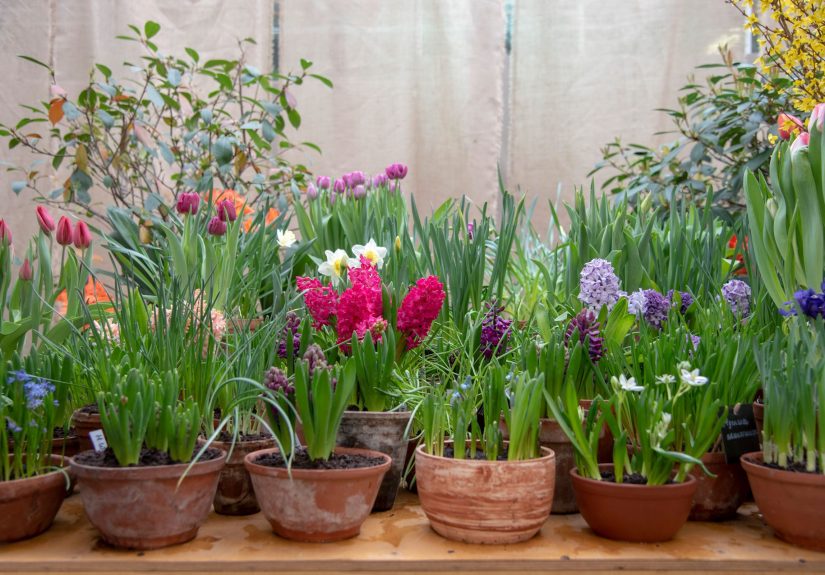
Planting bulbs in pots gives you flexibility, creativity, and the pure joy of portable spring. Container bulbs are ideal for patios, balconies, decks, and entryways. They also offer better protection from soil-borne pests and allow you to experiment with combinationsthink daffodils over muscari or tulips above crocus in a layered “lasagna planting.”
Gardeners also love potted bulbs because they’re easier to force indoors or outdoors. You control temperature, moisture, drainage, and sunlight more precisely than in the ground. Basically, bulbs in containers are like VIP guests with customized accommodations.
Choosing the Right Bulbs for Containers
While almost any spring-flowering bulb can grow in a pot, some varieties perform exceptionally well. According to U.S. gardening experts, the following bulbs are top-tier container choices:
- Tulips Classic, colorful, and dramatic.
- Daffodils (Narcissus) Vigorous bloomers and less appealing to hungry critters.
- Hyacinths Highly fragrant, perfect for patios.
- Crocus Early bloomers that peek out while winter still lingers.
- Muscari (Grape Hyacinth) Great for layering and border accents.
- Alliums Architectural wonders, especially in deep pots.
When choosing bulbs, pick the largest you can find. Size mattersbigger bulbs equal stronger plants and larger blooms. U.S. bulb suppliers stress inspecting bulbs for firmness; mushiness is a red flag. If a bulb feels like an old potato, leave it behind.
Selecting the Best Pot for Bulbs
Not all pots are created equal. Bulbs need space, drainage, and protection from freeze-thaw cycles. Here’s what experienced gardeners recommend:
Material Matters
- Terracotta Breathable, but can crack in freezing temps. Best for mild climates or protected areas.
- Ceramic (Glazed) Retains moisture longer and resists cracking. Heavier and durable.
- Plastic or Resin Lightweight, easy to move, great for deep-winter storage.
- Wooden Containers Rustic and insulating, but may deteriorate over time.
Size and Depth
A pot should be at least 10–14 inches deep for tulips, daffodils, and hyacinths. Smaller bulbs like crocus or muscari can thrive in shallower pots. The width depends on how many bulbs you want to plant; tighter groupings create fuller displays.
Always ensure your pot has generous drainage holes. If water sits at the bottom, bulbs rot faster than lettuce left at the back of the fridge.
Soil and Drainage: Set the Stage for Success
Bulbs loathe soggy soil. Most U.S. gardening guidesfrom The Family Handyman to university horticulture departmentsstress using a high-quality potting mix, not garden soil. Potting mix is lighter, drains properly, and promotes healthy root development.
- Add a layer of gravel or broken pottery (optional) to improve drainage.
- Fill the pot about halfway with potting mix, depending on your planting depth.
- Avoid fertilizers at planting time; bulbs come preloaded with nutrients.
If you want to add amendments, a bit of perlite improves drainage, while peat or coco coir helps maintain moisture balance.
How Deep to Plant Bulbs in Pots
Depth depends on the type of bulb. A general rule: plant bulbs two to three times their height. But for container plantings, many experts recommend going slightly deeper for stability and insulation.
General Planting Depths
- Tulips: 6–8 inches
- Daffodils: 6 inches
- Hyacinths: 5–6 inches
- Crocus: 3 inches
- Muscari: 3–4 inches
Plant bulbs pointed side upunless you enjoy delayed blooms and confused stems. If you’re doing a layered lasagna-style planter, place larger bulbs at the bottom and smaller ones closer to the top, separated by 2–3 inches of soil.
The Importance of Chilling Bulbs
Most spring bulbs require a cold period to initiate blooming, especially tulips and hyacinths. When planted outdoors in cold climates (zones 3–7), nature handles the chilling for you. If you live in a warmer region, you’ll need to refrigerate bulbs before planting.
According to U.S. extension services, the ideal chill time is 10–14 weeks at 35–45°F. Store bulbs in ventilated bags away from fruitsespecially apples, which release ethylene gas and can damage bulbs.
Watering and Winter Care
After planting, water the pot thoroughly to settle the soil. Then slow downbulbs prefer evenly moist soil, not dripping wet. Overwatering is a common cause of rot in container bulbs.
Winter Storage Tips
- If outdoors, place pots against a wall for warmth and wind protection.
- Wrap containers in bubble wrap or burlap to prevent cracking.
- If indoors or in a garage, maintain cool, dark conditions.
Once shoots appear in early spring, move pots into partial sun and resume light watering. When flowers bloom, try not to scream “It worked!” loud enough for the entire neighborhood to hearunless that’s your thing.
Top Design Ideas for Container Bulb Gardens
Potted bulb displays are where creativity shines. American garden designers often suggest:
- Monochromatic tulip pots for a bold, modern look.
- Mixed daffodils and hyacinths for fragrance and cottage charm.
- Lasagna pots combining early, mid, and late bloomers for months of color.
- Mini pots of crocus lined along a stairway for early cheer.
Experimentation is part of the fun. Some gardeners match pot colors with flower hues; others love dramatic contrast. There’s no wrong wayunless you forget to water entirely. Then there’s a wrong way.
Common Mistakes to Avoid
- Using garden soil Too dense for containers.
- Skipping drainage holes A sure path to bulb rot.
- Planting too shallow Bulbs can freeze or heave upward.
- Overwatering The most common beginner mistake.
- Not chilling bulbs long enough Leads to weak stems or no blooms.
Avoid these pitfalls and your potted bulbs will reward you with dependable color and surprisingly low-maintenance beauty.
Final Thoughts
Planting bulbs in pots is one of the most satisfying gardening projects for any skill level. Once you understand the basicschoosing the right bulbs, pots, soil, depth, and chillingyou’ll enjoy reliable blooms year after year. Whether you’re brightening a balcony or adding curb appeal, container bulbs deliver big results with minimal effort.
Extra : Real-World Experiences With Planting Bulbs in Pots
After years of growing bulbs in potsand learning some lessons the hard wayI’ve collected a handful of practical insights that don’t always show up in the glossy magazine tutorials.
Lesson one: squirrels think bulbs are a personal snack buffet. The first year I planted tulips in pots, a furry little vandal dug up half the container before I even made it back inside. Since then, I cover pots with mesh until the soil settles or use daffodils (which squirrels dislike) as a deterrent. A sprinkle of crushed red pepper also works surprisingly wellapparently squirrels don’t enjoy spicy food.
Lesson two: pot placement matters more than you think. I once left a glazed ceramic pot filled with chilled hyacinths in full winter sun. Big mistake. The sunlight heated one side of the pot too quickly, tricking the bulbs into sprouting unevenly. Half the pot bloomed early while the other half lagged behind like sleepy teenagers. Now I keep wintering pots in consistent shade to avoid premature growth spurts.
Lesson three: don’t underestimate the weight of a fully watered container. A large pot filled with soil and bulbs weighs more than it looksespecially after heavy rain. I’ve nearly thrown out my back trying to reposition containers after watering. Now I put pots exactly where I want them before planting begins. If you’re planning a big display, consider rolling plant caddies. Your future spine will thank you.
Lesson four: bulb layering is magical. The first time I tried lasagna planting, I expected chaos: tulips bumping into daffodils, crocus sprouting at odd angles, some sort of botanical traffic jam. But it worked flawlessly. The crocus popped first, followed by muscari, then tulipscreating a three-act spring performance worthy of applause. If you want maximum flowering impact, layered pots are the way to go.
Lesson five: don’t panic when you forget to water. Bulbs are incredibly forgiving. One winter I went on vacation and returned to rock-hard soil in my overwintering pots. I assumed everything was dead and considered turning the containers into minimalist sculptures. But after thawing and a deep watering, every bulb sprouted on schedule. Bulbs are survivaliststhey want to bloom.
Lesson six: faded flowers are not the endthey’re next year’s investment. After blooming, let the foliage yellow naturally so bulbs can store energy. Even in pots, this makes a noticeable difference. I once trimmed tulip leaves early for “a cleaner look” and ended up with tiny, unimpressive blooms the next year. Nature doesn’t care about aesthetics during recharge season.
Lesson seven: pots allow experimentation without commitment. Growing bulbs in the ground means you’re stuck with their placement until next season. Pots let you rearrange displays on a whim. Want a burst of yellow by the mailbox today but purple hyacinths by the door tomorrow? Just move the containers. Flexibility is one of the greatest joys of potted bulbs.
Overall, the more you experiment, the more rewarding container bulb gardening becomes. Even mistakes lead to better blooms the next time around. And when those first flowers popafter months of cold, gray weatherit feels like a celebration you helped create.
SEO JSON