Table of Contents >> Show >> Hide
- How We Got Here: Jon Stewart’s Semi-Unretirement
- The Joke Behind the Headline: What Is the “60 Minutes” Treatment?
- Political Satire in the Trump Era, Round Two
- Comedy Central, Corporate Drama, and the Risk of Pushing Too Hard
- Why Viewers Keep Showing Up on Mondays
- 500 Extra Words: Experiences Around Jon Stewart’s “Until They Shut Us Down” Era
- Conclusion: The Joke, the Threat, and the Staying Power of Monday Nights
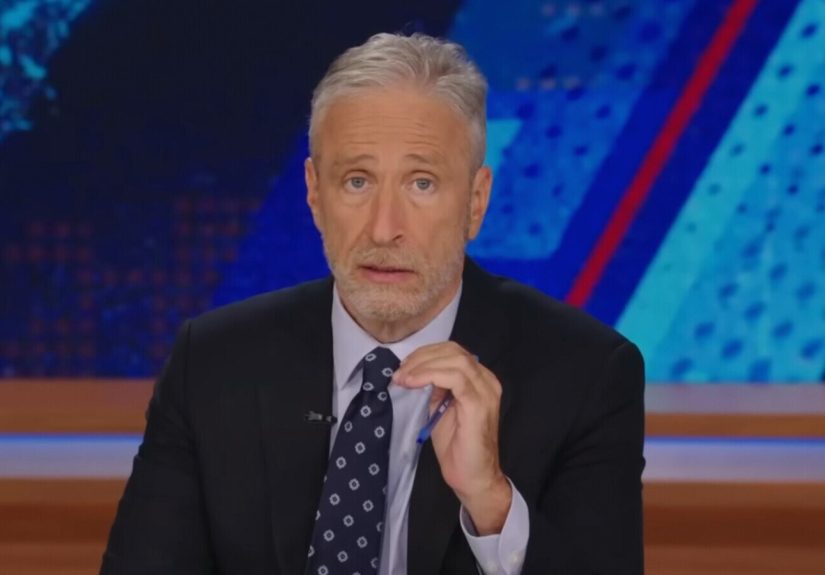
Late-night fans used to joke that Jon Stewart would only truly retire when someone pried the “Daily Show” desk from his hands. Turns out, that was only half right.
In 2024, Stewart came back to The Daily Show as a once-a-week, Monday-night host, and since then, Monday has basically become a national emotional support appointment for people who cope with politics through jokes instead of primal screams into the void.
Fast-forward to today: Stewart’s contract has been extended again, and he’s still anchoring Mondays while the rest of the “Best F#@king News Team” rotates through the week.
Between his renewed deal, Trump’s second turn in the White House, and Paramount-Skydance’s shifting media empire, it makes perfect sense that a satirical outlet like Cracked.com would frame the situation like this:
Jon Stewart will keep showing up on Mondays until The Daily Show gets the full “60 Minutes” treatmentpressure, lawsuits, or government-friendly editsfrom the Trump administration.
Behind the joke is a serious question: What happens when one of the sharpest political satirists on television keeps swinging at a presidential administration that has already shown it’s willing to lean on networks and news outlets?
Let’s unpack the timeline, the politics, and the strange energy of a world where Monday night comedy feels more like civic homeworkwith better punchlines.
How We Got Here: Jon Stewart’s Semi-Unretirement
From Legacy Host to Once-a-Week Ringmaster
Jon Stewart first left The Daily Show in 2015, after turning a scrappy fake news show into one of the most influential political programs on television.
Under his watch, the series won Emmys, Peabodys, andmaybe most importantlya permanent spot in the brains of millions of viewers who started trusting late-night satire more than actual cable news.
In January 2024, Comedy Central announced that Stewart would come back as the Monday night host and executive producer. The rest of the week would belong to the correspondents, who take turns in the chair Tuesday through Thursday.
It was a compromise that let Stewart do the thing he’s best atbig-picture, high-impact political breakdownswithout grinding through four nights a week of TV in a fractured media landscape.
What looked like a limited-time election-season stunt quickly turned into something bigger. Stewart extended his stay through 2025, then again through 2026, turning Mondays into a recurring appointment where he dissects the Trump administration, a fragmented Congress, and a media industry that looks more chaotic every quarter.
Why Mondays Matter So Much
The Monday-only setup actually plays to Stewart’s strengths. He’s not chasing every daily soundbite; instead, he’s digesting the entire week of political theater and then serving up something closer to a long-form essay with jokes.
This slower rhythm puts him halfway between a nightly monologist and a Sunday public affairs host. Think of it as if Meet the Press went through a sarcastic divorce and moved in with Comedy Central.
He can spend more time on topics like court rulings, media consolidation, or government pressure on networksespecially relevant in an era where presidential temper tantrums can translate into real-world consequences for shows and journalists.
The Joke Behind the Headline: What Is the “60 Minutes” Treatment?
Trump, TV, and the Long Shadow of a News Magazine
The phrase “60 Minutes treatment” refers to a swirl of controversies connecting Trump, CBS/Paramount, and one of America’s most famous news magazines. Over the last few years, Trump has attacked and sued media companies over coverage he didn’t like, including segments on investigative programs.
Reports have described multi-million-dollar settlements and fights over how interviews and segments were edited.
For a satire site like Cracked, that’s irresistible material. The idea of The Daily Show getting the “60 Minutes” treatment from the Trump administration is less about journalism style and more about pressure: political outrage, legal threats, and behind-the-scenes deals that might make executives think twice about how far a show can go.
In that light, the headline becomes a kind of dare. Stewart will keep coming back every Monday until Trump’s administration (and its friends in corporate boardrooms) tries to sanitize or punish the show the way they’ve allegedly tried to strong-arm other outlets.
It’s exaggerated for comedic effect, of coursebut it only lands because the underlying tension is real.
“Government-Approved Comedy” Is the Nightmare Scenario
Stewart has already ridiculed the concept of “government-approved” late-night TV. When other hosts have faced suspensions, cancellations, or mysterious schedule changes after criticizing powerful figures, he’s used The Daily Show to highlight the danger of political pressure masquerading as “standards” or “public interest.”
The satirical nightmare scenario is obvious: a version of The Daily Show that feels like a safe, pre-cleared cable news panel, where the jokes never quite land on certain politicians or corporations because someone, somewhere, is worried about another lawsuit or angry phone call.
Cracked’s headline imagines Stewart staying at that desk until the day the show crosses that lineor someone forces it to.
Political Satire in the Trump Era, Round Two
When Late-Night Starts to Look Like a Pressure Valve
Trump’s return to the presidency has thrown late-night comedy back into overdrive. During his first term, almost every major hostStewart’s successors includedmined the administration for material.
The downside was what many critics dubbed “Trump satire fatigue”: a sense that there were only so many ways to joke about chaos before the jokes started to feel like background noise.
Stewart’s second act tries to cut through the noise by zeroing in on systems, not just gaffes. He tends to ask questions like:
“How did this policy happen?” or “Who benefits from this deal?” instead of just replaying the wildest quote of the week and adding a punchline.
That approach matters in an environment where political power is increasingly intertwined with media ownership, regulatory approvals, and corporate back-scratching.
The Trump administration’s relationship with major media companiesespecially those tied to his business interests, lawsuits, or regulatory decisionscreates fertile ground for a show that’s willing to tease out conflicts of interest and point at the elephant tap-dancing in the boardroom.
Why Stewart Still Hits Different
Lots of comedians mock Trump. What makes Stewart stand out is that his jokes often double as civics lessons.
He’ll spend five minutes clowning on a press conference, then suddenly pivot into a pointed explanation of how a lawsuit settlement, a merger, or a regulatory waiver fits into a bigger pattern of power being consolidated and criticism being chilled.
That’s where the “60 Minutes” comparison becomes oddly fitting. Like the long-running news magazine, Stewart’s Monday shows can feel like investigative segmentsexcept the correspondent is irritated, sarcastic, and occasionally looks like he’d rather be yelling at clouds on a New Jersey farm.
Comedy Central, Corporate Drama, and the Risk of Pushing Too Hard
Paramount-Skydance and the Awkward Family Dinner of Late-Night
Stewart’s bosses are not operating in a vacuum. Paramount and Skydance have been juggling major deals, layoffs, and strategic pivots while trying to keep their late-night and news brands alive. Meanwhile, other shows under the same corporate umbrellaor in the same ecosystemhave faced sudden cancellations or contract non-renewals after being critical of Trump or major corporate decisions.
That’s what makes Stewart’s continued presence so striking. He’s not a safe, apolitical host. He’s openly criticized both Trump and the very companies that sign his checks.
Keeping him on air sends a signalwhether out of principle, pragmatism, or sheer calculationthat there’s still value in having a loud, unfiltered voice in the lineup, even if it occasionally makes board members wince.
From a viewer’s perspective, the tension is part of the appeal. Every Monday, there’s a sense that Stewart is not just mocking the headlines but also testing the invisible fence of what powerful people will tolerate from a basic cable comedy show.
Could “The Daily Show” Really Get the “60 Minutes” Treatment?
So, could The Daily Show be pressured, edited, or sidelined in a way that mirrors what’s happened to more traditional news programs? It’s not impossible.
Political pressure doesn’t always look like a dramatic on-air shutdown. It can show up as:
- Subtle notes from executives about “toning it down” on certain topics.
- Quiet decisions not to renew a contract when it becomes politically inconvenient.
- Legal threats that make corporate lawyers start twitching whenever a host says “defamation.”
- Strategic “schedule changes” that move a show to less-visible slots or reduce its promotional push.
Cracked’s headline exaggerates this possibility for comedic effect, but it taps into a real anxiety: if a president can complain, sue, or pressure his way into softer coverage on a major news magazine, what happens when the target is a comedy show that doesn’t pretend to be neutral in the first place?
Why Viewers Keep Showing Up on Mondays
News, Therapy, and Homework in One Half Hour
For many viewers, Monday nights with Jon Stewart are a ritual. They watch the cold open, laugh at the monologue, and thensomewhere midway through the main segmentrealize he’s just walked them through a stack of reporting on court rulings, regulatory approvals, or media settlements they never would have read on their own.
This is the secret sauce of The Daily Show in its current form. It doesn’t replace hard news, but it points audiences toward what actually matters, especially when traditional coverage gets bogged down in horse-race drama or personality feuds.
When the Trump administration collides with a media landscape owned by a handful of giant companies, viewers are left wondering who is actually free to say what they think. Stewart’s Monday episodes don’t solve that problem, but they do give people languageand jokesto talk about it.
500 Extra Words: Experiences Around Jon Stewart’s “Until They Shut Us Down” Era
What It Feels Like to Watch Mondays in Real Time
The experience of watching Jon Stewart in this era is very different from his original run. Back then, people recorded The Daily Show on DVR or caught clips the next morning.
Now, Monday nights feel closer to a live event. Group chats light up as soon as the opening theme hits. Social feeds flood with seconds-old clips of Stewart reacting to an especially wild quote or rolling his eyes in that specific “I can’t believe this is real” way that fans have been memeing for two decades.
For many viewers, there’s a little ritual: they skim headlines all weekend, get mildly stressed, and then on Monday they sit down hoping Stewart will take the same story and somehow make it less terrifying by explaining it in plain language and then roasting the people responsible.
The joke in the Cracked-style headline“He’ll stay until the show gets the ‘60 Minutes’ treatment”lines up perfectly with how fans talk about the show online: as something fragile but stubbornly alive, one canceled contract away from disappearing.
Fans Balancing Satire and Real News
Another big part of the experience is how viewers now consciously balance satire with hard reporting. After years of debates about whether people rely too much on comedy shows for information, many fans have adjusted their habits.
A typical Monday might look like this: they watch Stewart’s episode, laugh, bookmark two or three stories he references, and later that week they actually read a long-form piece or listen to a podcast he mentioned.
In that sense, the current version of The Daily Show functions like a gateway: it doesn’t pretend to be the final word, but it tells you which stories are worth your limited attention span.
The looming threat of the “60 Minutes” treatment in the backgroundlawsuits, political pressure, or corporate nervousnessonly heightens the feeling that every unfiltered episode is precious.
Creators and Staff Walking the Tightrope
It’s not just the audience having a specific kind of experience; the writers and correspondents clearly are, too.
You can feel it in the segments that dive into media consolidation, government influence on broadcast licenses, or the fate of other late-night hosts who ran afoul of powerful people.
There’s an undercurrent of “we know exactly how risky it is to say this on basic cable, and we’re doing it anyway.”
That tension shows up in the comedy. Some jokes land like punches, others like nervous laughter at a family dinner where everyone knows there’s an argument brewing two seats away.
When Stewart riffs about “government-approved” comedy or jokes that they’ll keep doing the show until a certain lawsuit arrives, it doesn’t sound like pure exaggeration. It feels like gallows humorfunny, but also uncomfortably plausible.
The Viewer’s Quiet Calculation: Watch While You Can
The most telling part of the current Daily Show experience is an unspoken calculation viewers make:
“This might not last.” They’ve seen shows canceled, hosts quietly removed, and networks fold under pressure or controversy.
So when Stewart plants himself at the desk on Monday and tears into a Trump-era policy, a questionable settlement, or a suspicious corporate deal, fans aren’t just entertainedthey’re aware they’re watching something that exists in spite of a lot of incentives to be quieter.
That’s what gives Cracked’s framing its bite. It treats Stewart’s tenure as a countdown clock: he’ll keep showing up every Monday until someone tries to do to his show what powerful people have already tried to do to serious newsedit it, soften it, or make it go away.
Whether that day ever comes, the experience right now is defined by that possibility, and it’s exactly why so many viewers schedule their week around one very loud, very defiant half hour of “fake” news.
Conclusion: The Joke, the Threat, and the Staying Power of Monday Nights
Jon Stewart’s extended run as Monday host of The Daily Show is funny, reassuring, and a little unsettling all at once.
It’s funny because the man who once walked away from nightly hosting is now back in the chair, promising to stick around through contract extensions, corporate drama, and a Trump administration that has shown it will clash with critical voices.
It’s reassuring because, for now, one of the sharpest critics of political nonsense is still on air, still naming names, still breaking down complex stories with jokes sharp enough to leave a mark.
And it’s unsettling because we’ve already seen what can happen when powerful people don’t like what’s on television.
Cracked’s headline captures that tension perfectly: Stewart will keep hosting on Mondays until the show gets the “60 Minutes” treatment. It’s a punchline, but also a warning label for an era when comedy isn’t just about making people laughit’s about whether the people being mocked will tolerate the joke.
SEO Summary
sapo: Jon Stewart’s return to The Daily Show as a once-a-week Monday host has become one of the strangest, sharpest storylines in modern TV.
In an era when the Trump administration, media mergers, and multimillion-dollar settlements all collide, Stewart’s Mondays feel like a mix of civic lesson and stand-up special.
This article unpacks why a Cracked.com-style headline jokes that he’ll keep showing up until The Daily Show gets the full “60 Minutes” treatmentwhat that actually means, how corporate and political pressure shape late-night satire, and why viewers treat each unfiltered episode like a small act of resistance disguised as comedy.