Table of Contents >> Show >> Hide
- FAQ: What exactly is Seasonal Affective Disorder (SAD)?
- FAQ: What are the symptoms of SAD?
- FAQ: How is SAD diagnosed?
- FAQ: What causes SAD?
- FAQ: What treatments actually help?
- Does light therapy workor is it just an expensive lamp with a pep talk?
- What if I have bipolar disorder?
- Does therapy help SAD, or is it only for “regular depression”?
- Do antidepressants work for SAD?
- What about vitamin Dshould everyone with SAD take it?
- Are there “non-lamp” strategies that actually matter?
- FAQ: Can SAD be prevented?
- FAQ: When should I get professional help?
- Bottom line: SAD is treatable (and you don’t have to “tough it out”).
- Real Experiences With SAD (What It Can Look Like in Real Life)
If your energy vanishes the moment daylight savings endslike your motivation just boarded a flight to Floridayou’re not alone.
Seasonal Affective Disorder (SAD) is real, common, and more than “being dramatic about winter.” The good news: it’s also treatable.
The even better news: you don’t have to white-knuckle your way through the darker months with nothing but peppermint mochas and sheer willpower.
This FAQ-style guide breaks down what SAD is, how it’s diagnosed, why it happens, and what actually helpsfrom light therapy and CBT to
practical daily habits that don’t require turning into a morning-person influencer.
FAQ: What exactly is Seasonal Affective Disorder (SAD)?
Is SAD a real diagnosis or just “winter blues” with better branding?
SAD is a type of depression that follows a seasonal patternmeaning symptoms show up around the same time each year and ease when seasons change.
Most people think of “winter-pattern” SAD (symptoms begin in late fall/early winter and improve in spring), but “summer-pattern” SAD also exists
(less common, symptoms appear in spring/summer and ease in fall/winter).
What’s the difference between SAD, the winter blues, and holiday stress?
“Winter blues” usually means mild, temporary low mood or sluggishness when days get shorter. It can be annoying, but it typically doesn’t
seriously disrupt your life.
SAD is more intense and can affect how you feel, think, and functionwork/school, relationships, sleep, appetite, and motivation can all take a hit.
And “holiday blues” are often tied to situational stress (family conflict, money worries, travel chaos). SAD is linked more to changes in daylight
than to your calendar’s emotional landmines.
FAQ: What are the symptoms of SAD?
What does SAD feel like in day-to-day life?
SAD shares many symptoms with depression. People may notice:
- Feeling down, anxious, or “empty” most of the day
- Loss of interest in hobbies or activities you usually enjoy
- Low energy, fatigue, or feeling slowed down
- Trouble concentrating, remembering, or making decisions
- Sleep changes (too much or too little)
- Appetite changes and weight changes
- Irritability, restlessness, or feeling emotionally “thin-skinned”
- Physical complaints (aches, headaches, digestive issues) that don’t have a clear cause
Are winter-pattern and summer-pattern SAD different?
YesSAD can have “season-flavored” symptoms.
Winter-pattern SAD often comes with what some clinicians call “hibernation mode”:
- Oversleeping
- Overeating (especially carb cravings)
- Weight gain
- Social withdrawal (canceling plans, staying in more)
Summer-pattern SAD can look almost like the opposite:
- Insomnia
- Poor appetite and possible weight loss
- Restlessness or agitation
- Anxiety (and sometimes increased irritability)
How long do symptoms last?
SAD symptoms often last for a chunk of the yearcommonly around four to five months for winter-pattern SAD. The timing can vary,
but many people notice a predictable start and finish that lines up with changing daylight.
FAQ: How is SAD diagnosed?
Is there a blood test for SAD?
No single test “proves” SAD. Diagnosis is based on your symptom history, timing, and how much it affects your daily life. A clinician may ask you
to complete questionnaires and will often check for other issues that can mimic depression (for example, certain medical conditions that impact
energy, sleep, or mood).
What pattern makes it “SAD” and not just random bad months?
A key feature is consistency: depressive episodes show up in a specific season for at least two consecutive years, and seasonal episodes are more
frequent than episodes at other times of year. Not everyone has symptoms every single year, but the seasonal pattern is the big clue.
Can teens get SAD?
Yes. SAD can begin in the teen years or adulthood. If a teen’s mood and behavior change significantly in a seasonal patternespecially if school,
friendships, sleep, or motivation start slidingit’s worth bringing up with a healthcare professional.
FAQ: What causes SAD?
Is it “just a lack of sunlight,” or is there more going on?
Researchers are still working out the full story, but several biological and behavioral factors are strongly linked to SADespecially winter-pattern SAD:
-
Circadian rhythm disruption: Your body clock is influenced by light and darkness. Shorter days can shift or scramble your internal rhythm,
affecting sleep, energy, and mood. - Serotonin changes: Serotonin helps regulate mood, and reduced daylight may affect serotonin-related processes.
-
Melatonin changes: Melatonin supports the sleep-wake cycle. Some people with winter-pattern SAD appear to produce more melatonin,
which may contribute to sleepiness and oversleeping. -
Vitamin D factors: Less sunlight can mean lower vitamin D levels for some people, and vitamin D may play a role in mood-related pathways.
(Important note: vitamin D supplements help some people, but studies show mixed resultsmore on that below.) -
Thought patterns and habits: Negative beliefs about the season (“Winter ruins everything”) and behavior shifts (less movement, less social time)
can reinforce symptoms. The relationship can go both ways: low mood changes habits, and changed habits can deepen low mood.
Who is more likely to develop SAD?
Risk tends to be higher in people who live farther from the equator (where winter days are shorter), and SAD is reported more often in women than men.
It’s also more common among people who already have depression or bipolar disorder, and it can run in families. Some people with SAD also have other
mental health conditions like anxiety or attention-related disorders.
FAQ: What treatments actually help?
Does light therapy workor is it just an expensive lamp with a pep talk?
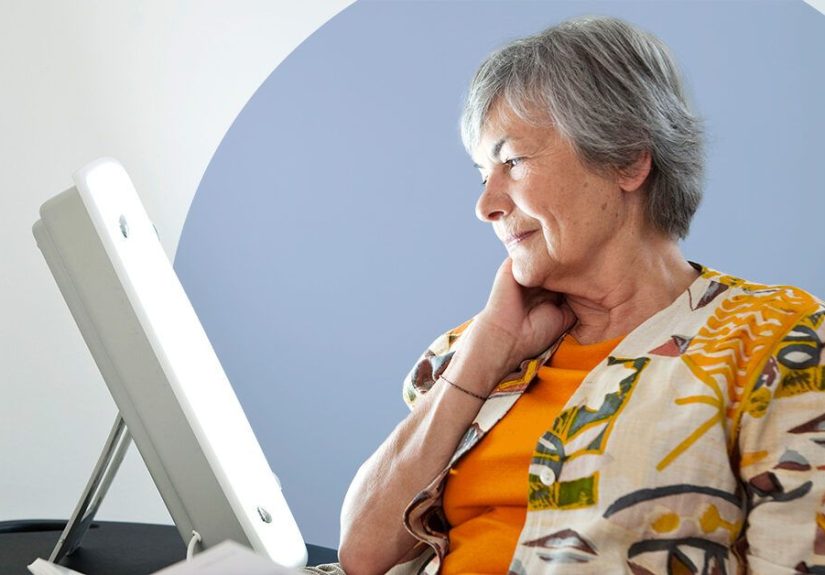
Bright light therapy is one of the best-studied treatments for winter-pattern SAD, and many people improve with consistent use.
The idea is to “replace” missing daylight with a specialized bright light that’s much stronger than normal indoor lighting.
How it’s typically used (the practical version):
- Brightness: Many guidelines reference a light box that provides about 10,000 lux.
- Timing: Use it in the morningoften within the first hour after waking.
- Duration: Common recommendations range from about 20–30 minutes; some protocols use longer sessions (around 30–45 minutes).
- Distance & eyes: Keep the recommended distance (often roughly 16–24 inches, depending on the device). Keep your eyes open,
but don’t stare directly into the light like it’s a motivational poster. - Consistency: Daily use matters. Many people continue through the winter months for best results.
How to choose a light box safely:
- Pick one designed for SAD that filters out UV.
- Avoid tanning beds. They produce high UV and can damage skin and eyes.
- Talk with a clinician first if you have eye disease, take medications that increase light sensitivity, or have bipolar disorder.
- Know that light boxes marketed for SAD treatment aren’t regulated the same way medications areso quality and specifications matter.
Possible side effects: eyestrain, headaches, irritability, insomnia (especially if used late in the day), and feeling “wired.”
If you feel worse, shift timing earlier, shorten sessions, or pause and talk with your provider.
What if I have bipolar disorder?
This is a big one: bright light therapy and antidepressants can sometimes trigger hypomania/mania in people with bipolar disorder.
That doesn’t mean “never,” but it does mean “don’t DIY this blindly.” Work with a clinician to choose timing, duration, and monitoring.
Does therapy help SAD, or is it only for “regular depression”?
Therapy can help a lot. Cognitive Behavioral Therapy (CBT) has a version adapted specifically for SAD (often called CBT-SAD).
It focuses on changing unhelpful seasonal thoughts and building behaviors that protect moodespecially when motivation is low.
CBT-SAD often includes:
- Cognitive strategies: replacing “winter = misery” thoughts with more accurate, flexible ones
- Behavioral activation: scheduling activities that create momentum (even small ones)
- Planning for next season: building a “maintenance plan” so the next winter doesn’t sneak-attack you
Research comparing CBT-SAD and light therapy suggests both can work well for symptom relief, and CBT-SAD may have longer-lasting benefits for some people.
Do antidepressants work for SAD?
Antidepressants can be effective, especially when symptoms are moderate to severe or when SAD overlaps with major depression.
Selective serotonin reuptake inhibitors (SSRIs) are commonly used. One medication, extended-release bupropion, has been FDA-approved to help prevent
seasonal depressive episodes in some people when started before symptoms typically return.
Medications often take timecommonly several weeksto show full mood benefits. Sleep and appetite may improve before mood does.
Decisions about medication are best made with a healthcare professional, considering side effects, medical history, and (for teens) family involvement and monitoring.
What about vitamin Dshould everyone with SAD take it?
Many people with winter-pattern SAD have low vitamin D, and supplements may help some individuals. However, study results are mixed:
some research suggests benefit, while other studies find little to no effect on SAD symptoms. A practical approach is to talk with your clinician about
checking vitamin D levels and supplementing if you’re deficientrather than assuming it’s a guaranteed mood fix.
Are there “non-lamp” strategies that actually matter?
Yes. Think of these as your mood’s basic maintenance planless flashy than a light box, but surprisingly powerful when done consistently:
- Get outside during daylight (even on cloudy days): a short walk at midday can help anchor your body clock.
- Move your body: exercise supports mood and sleep. “Ten minutes counts” is a legitimate strategy.
- Protect sleep: keep a steady wake time; avoid late-day light therapy; limit late-night doomscrolling.
- Stay connected: SAD often pushes isolation, but social contact is protectiveeven if it’s low-key.
- Plan pleasant activities: don’t wait to “feel like it.” Schedule first, motivation follows (eventually).
- Adjust your environment: open blinds, sit near windows, brighten indoor spaces in winter months.
FAQ: Can SAD be prevented?
Can I stop SAD before it starts?
For many people, SAD is predictableso prevention is a reasonable goal. Some people start treatment (like light therapy or therapy sessions)
before their usual symptom window (often early fall for winter-pattern SAD). Research on prevention is still developing, but clinicians often recommend
creating a personalized plan based on your history.
What does a realistic “SAD prevention plan” look like?
Here’s an example that doesn’t require becoming a different person:
- Late September / early October: set a consistent wake time; schedule 2–3 weekly movement sessions; pick one social touchpoint per week.
- When daylight noticeably drops: consider starting morning light therapy (if appropriate for you) and track mood/sleep for patterns.
- Peak winter months: protect the basicssleep, meals, movement, connectionand add therapy/meds if symptoms escalate.
- Spring transition: taper plans with guidance (don’t abruptly stop what’s helping without a strategy).
FAQ: When should I get professional help?
If symptoms last more than a couple of weeks, return season after season, or interfere with school/work, relationships, or daily functioning,
it’s time to talk to a healthcare professional. Also, if you have bipolar disorder (or think you might), get guidance before starting light therapy or antidepressants.
If you ever feel unsafe or have thoughts about harming yourself, seek help immediately from a trusted adult, a healthcare professional,
or emergency services in your area. You deserve support, and there are effective treatments.
Bottom line: SAD is treatable (and you don’t have to “tough it out”).
Seasonal Affective Disorder is not a personal failure or a character flawit’s a predictable, biologically influenced mood pattern for many people.
The best approach is usually a combination: a light-based strategy (natural light or a light box), mental health support (CBT or CBT-SAD), and lifestyle
habits that keep your brain’s “mood scaffolding” sturdy when daylight is scarce.
If you suspect SAD, start by tracking your seasonal pattern, then talk with a professional about the most evidence-based options for you.
The goal isn’t to love winter. The goal is to get your life back while winter happens around you.
Real Experiences With SAD (What It Can Look Like in Real Life)
SAD doesn’t show up as a single, universal “winter sadness.” It’s more like a playlistsame album each year, but the songs hit different people in
different ways. Here are composite, real-world-style experiences that mirror what many people report, plus what often helps. (No two people are the same,
so think of these as relatable snapshotsnot a diagnosis.)
1) “I’m not sad… I’m just permanently exhausted.”
A college student notices that every November, waking up becomes a full-contact sport. They sleep 10 hours and still feel like they’ve been hit by a
pillow truck. Studying takes twice as long. They start skipping clubs and social plans, not out of dramaout of depletion. Their appetite shifts toward
quick carbs (“pasta is my emotional support animal”), and their world quietly shrinks.
What helps: a morning routine that anchors the day (same wake time, breakfast, and a short walk), plus morning bright light therapy used consistently.
Therapy (especially CBT-style skills) helps them stop interpreting symptoms as “I’m lazy” and start treating them like “I’m dealing with a seasonal pattern
that needs a plan.”
2) “Winter makes everything feel pointless.”
A working parent loves their family and still feels numb every January. Joy doesn’t land the way it should. They’re irritable, and small problems feel huge.
They feel guilty for not “appreciating” lifethen guilt becomes its own hobby. They assume they just need to push harder, but pushing doesn’t fix biology.
What helps: building structure before symptoms peakscheduling enjoyable activities in advance (even short ones), asking a partner/friend for accountability,
and adding therapy to break the guilt spiral. Some people in this situation also benefit from medication, especially when symptoms are severe or when there’s a
history of depression outside the seasonal window.
3) “I work nightshow do I do light therapy without turning into a raccoon?”
A nurse on rotating shifts finds winter brutal because sleep timing is already unstable. Light therapy is helpfulbut only if it matches their personal “morning.”
When they use bright light too late (or right before trying to sleep), they get insomnia and feel wired.
What helps: treating light like a tool, not a vibe. They use bright light shortly after their wake time (even if that’s 2 p.m.),
avoid bright light close to planned sleep, and prioritize sleep consistency on off days. They also keep a “minimum dose” movement habit
(10 minutes of stretching or walking) so their body doesn’t go into winter shutdown mode.
4) “Wait… I get SAD in summer.”
Someone living in a hot climate feels worse when summer hits: appetite drops, sleep gets choppy, and they feel restless and edgy.
They dread long bright evenings and sticky nights. Friends don’t get it (“Isn’t summer supposed to be fun?”), which makes them feel isolated.
What helps: environmental changescooler sleeping space, blackout curtains, and a wind-down routine that protects sleep.
Therapy can also help reduce the stress layer (feeling “wrong” for not enjoying summer) and build coping habits that don’t depend on the weather cooperating.
5) “I’m a teen and my grades drop every winter.”
A high school student notices a pattern: every winter they struggle to focus, feel more negative about themselves, and start avoiding friends.
Adults assume it’s “attitude,” but it’s more like their brain is running on low-battery mode. They don’t always have the words for it, so it comes out as
irritability or shutting down.
What helps: involving a parent/guardian and a healthcare professional early, because support works best before things snowball.
Practical changesmore daylight exposure, consistent sleep timing, structured after-school routines, and therapycan make school feel manageable again.
The common thread in these experiences isn’t weaknessit’s pattern. And patterns are useful, because they’re trackable, predictable, and treatable.
If any of these sound familiar, you’re not “making it up.” You’re noticing something realand that’s the first step toward feeling better.