Table of Contents >> Show >> Hide
- Why Landscaping Rocks Deserve a Place in Your Yard
- 1. Flagstone: The Classic for Paths and Patios
- 2. Pea Gravel: Small Stones, Big Impact
- 3. River Rock: Natural Stream-Bed Style
- 4. Crushed Stone: The Workhorse Rock
- 5. Boulders: Statement Pieces for Serious Curb Appeal
- 6. Lava Rock: Volcanic Color and Texture
- 7. Decomposed Granite: Soft, Natural Walkways
- 8. Fieldstone: Rustic and Natural
- 9. Marble Chips: Bright and Bold Accents
- 10. Mexican Beach Pebbles: Sleek and Modern
- How to Choose the Right Landscaping Rock for Your Project
- Real-World Experiences with Landscaping Rocks
- Final Thoughts
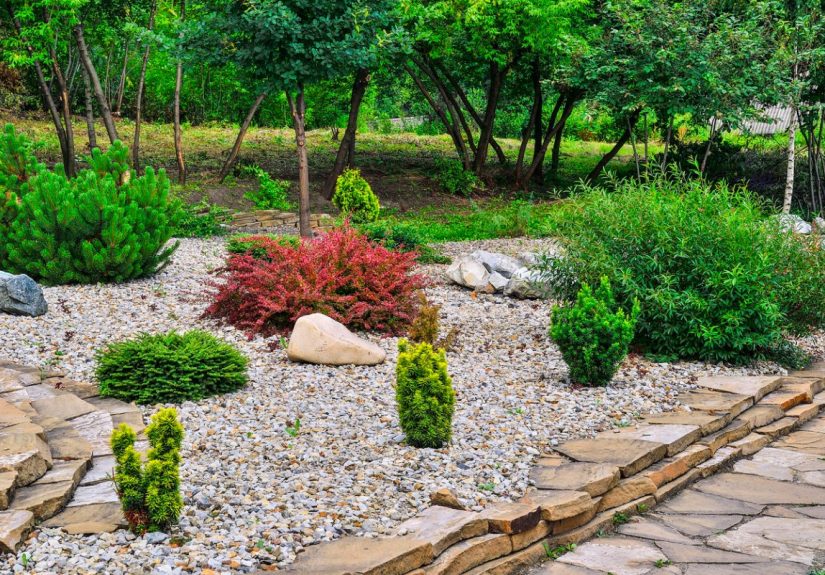
If you’ve ever wandered through the rock aisle at a home center and felt totally overwhelmed, you’re not alone. Landscaping rocks might all look like, well, rocks at first glance, but each type behaves differently in your yard. Some are perfect for driveways, some shine in garden beds, and others exist purely to make your neighbors jealous of your gorgeous landscape design.
In this guide, we’ll walk through 10 essential types of landscaping rocks everyone should know before starting a project. You’ll learn what each rock looks like, how it performs, where it works best, and a few pitfalls to avoid so you don’t end up literally stuck between a rock and a hard place.
Why Landscaping Rocks Deserve a Place in Your Yard
Landscaping rocks are more than decorative accents. They help control erosion, improve drainage, create durable paths, and cut down on weeding and watering. Compared to organic mulch, rock doesn’t decompose or blow away easily, which makes it a low-maintenance superstar for many homeowners.
Of course, the trick is choosing the right rock for the right job. Small, rounded stones feel nice underfoot but don’t stay in place on a steep slope. Large flat stones make great patios but are overkill as flower-bed mulch. Understanding these differences up front saves time, money, and a few “why did I buy three tons of this?” moments later.
1. Flagstone: The Classic for Paths and Patios
Flagstone is a flat, slab-style rock commonly made from sandstone, slate, or bluestone. It’s a favorite for patios, stepping-stone paths, and front walkways because those wide, flat surfaces are naturally comfortable and safe to walk on.
Best uses: patios, garden paths, stepping-stone walkways, around outdoor seating areas.
Pros: Flagstone’s irregular shapes fit together like a natural jigsaw puzzle, giving you a custom look without needing a perfectly straight pattern. Its textured surface helps with traction in wet weather, and its earthy colors (grays, tans, blues, and browns) blend easily with most homes.
Watch out for: Flagstone is heavier and more expensive than loose rock. You’ll need a solid base and some patience to set each piece. If you live in a freeze-thaw climate, proper installation and drainage are critical to prevent shifting and cracking.
2. Pea Gravel: Small Stones, Big Impact
Pea gravel consists of small, rounded stones about the size of peas. The edges are smooth, which makes this rock comfortable for bare feet and pleasant in high-traffic areas.
Best uses: garden paths, play areas, dog runs, between stepping stones, around fire pits, and as a decorative mulch.
Pros: It’s affordable, easy to spread, and provides excellent drainage, making it ideal anywhere water tends to collect. It comes in a range of colorstans, grays, creamsso you can match or contrast your home’s exterior.
Watch out for: Pea gravel tends to roll, so it’s not ideal on sloped driveways or steep walkways. Plan on adding edging to keep it from escaping into lawns or garden beds, and consider a compacted base underneath to help it stay put.
3. River Rock: Natural Stream-Bed Style
River rock is made up of smooth, rounded stones that have been worn down by moving water. Pieces are typically larger than pea graveloften 1 to 3 inches in diameterand come in beautiful mixed tones of gray, brown, tan, and sometimes soft greens.
Best uses: dry creek beds, around water features, at the base of downspouts, as borders for garden beds and walkways.
Pros: River rock looks incredibly natural and is a go-to for “woodland stream” or “mountain retreat” vibes. It’s great for directing water where you want it to go and for preventing erosion in problem areas.
Watch out for: Because the stones are larger and smoother, they can shift if placed on steep slopes. They’re not ideal for walking paths where you want firm footing, especially for young kids or anyone with balance issues.
4. Crushed Stone: The Workhorse Rock
Crushed stone is produced by mechanically breaking down larger rocksoften limestone, granite, or basaltinto angular pieces. It’s sold in different sizes (sometimes identified by numbers), and those sharp edges help the pieces lock together when compacted.
Best uses: driveways, under pavers, base layers for patios and walkways, utility areas, and drainage projects.
Pros: Crushed stone is sturdy, stable, and relatively budget-friendly. Once compacted, it forms a firm surface that can support vehicles and heavy loads. The angular texture also improves drainage while staying put better than rounded rock.
Watch out for: This rock is not friendly to bare feet. It can also migrate into lawns if there isn’t a good edge or border. For driveways, occasional raking and top-offs are part of the long-term maintenance plan.
5. Boulders: Statement Pieces for Serious Curb Appeal
Boulders are the large, eye-catching rocks you see anchoring landscape beds or perched beside driveways. They can be rough and rugged or more rounded and river-smoothed, depending on the type of stone.
Best uses: focal points in landscape beds, outdoor seating, retaining walls, terraced slopes, and anchoring the ends of dry creek beds.
Pros: A few well-placed boulders can make a simple planting bed look intentional and high-end. They also hold soil in place on hillsides and can be used as informal seating.
Watch out for: Moving boulders isn’t a DIY workout challengeit usually requires equipment or professional help. Before delivery, plan exactly where each one will go; once they’re placed, you won’t want to drag them around to “try another spot.”
6. Lava Rock: Volcanic Color and Texture
Lava rock is formed from cooled volcanic lava. It’s lightweight, highly porous, and often comes in dramatic shades of red, burgundy, or dark charcoal. It immediately adds bold color and texture to a landscape.
Best uses: around desert or drought-tolerant plantings, surrounding fire pits, in modern or Southwestern-style landscapes, and in beds where you want strong contrast with greenery.
Pros: Lava rock is lighter than most stone, so it’s easier to transport and spread. It doesn’t compact much, making it useful where airflow and drainage are important, such as around certain shrubs or trees. It also retains warmth, which can benefit heat-loving plants.
Watch out for: The porous texture can break down under heavy loads, so lava rock is not ideal for driveways or high-traffic paths. The sharp edges can also be uncomfortable if you’re walking on it with thin-soled shoes.
7. Decomposed Granite: Soft, Natural Walkways
Decomposed granite (DG) is granite that has weathered into tiny particles, almost like coarse sand. It packs down into a firm surface that’s still permeable, so water drains through instead of pooling.
Best uses: walkways, informal patios, between stepping stones, around raised beds, and in xeriscape or low-water landscapes.
Pros: When compacted properly, DG creates a smooth, stable surface that’s more forgiving on ankles than loose gravel. It looks natural and comes in earthy colors like tan, gold, or reddish brown. It’s also considered eco-friendly because it’s permeable and helps reduce runoff.
Watch out for: Without proper edging and installation, DG can wash away in heavy rain. It can also be dusty in dry weather, so sealing or using stabilizers might be worth considering in high-traffic areas.
8. Fieldstone: Rustic and Natural
Fieldstone is rock naturally found on or near the soil surface, often with irregular shapes and weathered faces. It’s the “I just found this on the hillside” rock that gives gardens and walls a timeless, old-world feel.
Best uses: garden borders, low retaining walls, rustic steps, informal seating areas, and ponds or water features.
Pros: Fieldstone’s irregular shape and color variety create a very organic, cottage-style look. It’s perfect when you want your landscaping to feel like part of the surrounding environment instead of a brand-new construction.
Watch out for: Because pieces aren’t uniform, building with fieldstone can be like solving a 3D puzzle. It takes time to stack, fit, and secure the stones properly. Ordering extra is smart so you can pick the best shapes for visible areas.
9. Marble Chips: Bright and Bold Accents
Marble chips are small, angular pieces of marble, often bright white but sometimes tinged with gray or subtle color variations. They reflect light and instantly brighten shady corners or dark foundation areas.
Best uses: decorative beds, around shrubs, in modern or formal front yards, and to highlight dark-leafed plants or black planters.
Pros: Marble chips offer high visual contrast and a “clean” look. They’re long-lasting, don’t break down like mulch, and can make dark foliage or bold architectural elements really pop.
Watch out for: In sunny areas, bright white rock can be hard on the eyes and may reflect heat back onto nearby plants. Marble chips also show leaves and debris easily, so plan to blow or rake them occasionally to keep the area tidy.
10. Mexican Beach Pebbles: Sleek and Modern
Mexican beach pebbles are smooth, rounded stonesoften black, charcoal, or deep graythat have been naturally tumbled by the ocean. They are a go-to choice for high-end, contemporary landscapes.
Best uses: around water features, in minimalist garden beds, as borders along concrete or paver patios, rooftop gardens, and courtyard designs.
Pros: These pebbles offer a luxurious, spa-like look. They pair beautifully with clean architectural lines, concrete, and wood. Their darker color hides dirt and debris better than white rock, and they feel pleasant underfoot.
Watch out for: Mexican beach pebbles are typically more expensive than other rock options. Because they’re smooth and rounded, they’re more decorative than structuraluse them where appearance matters most, not as the primary base for heavy loads.
How to Choose the Right Landscaping Rock for Your Project
Think Function Before Aesthetics
Start by asking what the rock needs to do. Are you building a driveway, creating a path, improving drainage, or just dressing up a planting bed? For structural support, crushed stone or compacted decomposed granite is usually the smart pick. For purely decorative beds, pea gravel, river rock, or marble chips might be better choices.
Match Rock Type to Climate and Maintenance
In hot, dry climates, darker rocks can absorb and radiate heat, which may stress nearby plants. In rainy regions, loose rock on steep slopes can wash out if it’s not properly contained. Think about how often you want to rake, blow, or refresh rock, and choose accordingly.
Plan Edging and Weed Control
Whatever rock you choose, edging is your best friend. Steel, stone, brick, or plastic edging keeps gravel and small stones from migrating into lawns or walkways. Pair your rock with landscape fabric or a well-prepared base to reduce weeds without smothering plant roots.
Budget for Delivery and Installation
Rock is sold by the bag, by the bucket, or by the ton. Bulk delivery is usually cheaper for big projects, but you’ll need a place for the load to be dumped. If you’re dealing with boulders or heavy flagstone, consider hiring pros for the heavy lifting and precise placement.
Real-World Experiences with Landscaping Rocks
Choosing landscaping rocks looks simple on paper, but real life has a way of exposing every shortcut. Here are some practical lessons and experiences homeowners often share once the rock dust settles.
The Driveway That Kept Disappearing
One homeowner decided pea gravel would make a charming drivewayright up until the first week of use. The smooth stones migrated under tires, creating ruts and sending gravel onto the lawn and street. After several weekends of raking and refilling, they switched to compacted crushed stone with pea gravel only as a decorative border. The takeaway: for driveways and heavy traffic, angular rock that locks together will save your sanity.
When Drainage Becomes the Main Event
Another family dealt with water pooling near their foundation every time it rained. Instead of relying on mulch that washed away, they created a shallow swale lined with landscape fabric and 1- to 3-inch river rock. Over time, they noticed not only less pooling but healthier plants and far less erosion. The small design change quietly did its job every storm, proving that the right rock can be as functional as it is attractive.
Learning to Respect Slope and Gravity
It’s tempting to look at a hillside and imagine a cascade of decorative rock flowing gracefully down. In reality, gravity wins. Homeowners who scatter small, rounded stones on steep slopes often spend the next season chasing runaway rocks. A smarter move is combining terraced planting beds, larger boulders, and angular crushed stone, with carefully placed fieldstone or retaining walls to stabilize everything. Rock isn’t just decoration hereit’s the structural backbone that keeps soil where it belongs.
The White Marble Surprise
Bright white marble chips can transform a dull side yard into a crisp, modern space, but there are trade-offs. One homeowner loved the look in photos and filled a full-sun front bed with marble. On summer afternoons, the reflected glare was intense, and a few sun-sensitive plants struggled. The solution was simple: they paired the marble with taller shrubs, darker planters, and a few darker accent stones to tone down the brightness. Lesson learned: test small areas first and consider how light will bounce off highly reflective rock.
Low-Maintenance Isn’t No-Maintenance
People often turn to landscaping rock to “never deal with yard work again.” While rock beds typically require less attention than mulch, they aren’t completely maintenance-free. Leaves still fall, weeds still attempt to sneak through, and occasional raking or blowing keeps things looking fresh. Homeowners who go in expecting “low maintenance” instead of “zero maintenance” are usually happiest with the long-term results.
Designing with Contrast and Texture
Some of the most successful projects use different rock types together, in small but strategic ways. For example, decomposed granite might form a warm, walkable path, bordered by Mexican beach pebbles near modern planters. A dry creek bed made of river rock looks even more natural when framed with fieldstone and accented with a few boulders. Homeowners who experiment with color, size, and texturewithout going overboardend up with landscapes that feel cohesive, not cluttered.
Ultimately, the best “experience tip” is this: think of landscaping rocks as long-term investments. You’re unlikely to swap them out every season like annual flowers. Taking time to plan, sample, and size your rock correctly pays off every time you step outside and enjoy a yard that looks polished, handles weather gracefully, and doesn’t demand constant attention.
Final Thoughts
Landscaping rocks can completely change the look and feel of your yard, but only if you choose wisely. Flagstone, pea gravel, river rock, crushed stone, boulders, lava rock, decomposed granite, fieldstone, marble chips, and Mexican beach pebbles each bring their own strengths, quirks, and ideal uses.
Start by deciding what the rock needs to dosupport cars, handle foot traffic, manage drainage, or simply look beautiful. Then match the type, size, and color of rock to that purpose, your climate, and your maintenance style. With a bit of planning, you’ll end up with a landscape that looks like it was designed by a pro, even if the only crew on site is you, your wheelbarrow, and a very patient pair of gloves.