Table of Contents >> Show >> Hide
- Inflation as a “Health Exposure” (Yes, Really)
- The Stress Pathway: When “Money Worry” Becomes a Medical Issue
- The Grocery Cart Effect: Diet Quality Drops Before Calories Do
- Health Care Becomes a “Later Problem”… Until It Isn’t
- The Prescription Trade-Off: When Meds Become a Budget Category
- Housing, Rent Burden, and the Health Cost of “Just Getting By”
- Energy Insecurity: When Heating and Cooling Become Health Decisions
- Transportation Costs: The Quiet Barrier to Care
- Kids, Teens, and the “Invisible Curriculum” of Inflation
- Older Adults and Caregivers: When Inflation Collides With Health Needs
- So What Can People Do? Practical, Health-First Coping (Without the Toxic Positivity)
- Conclusion: Inflation’s Health Effects Are RealEven If They’re Not on the Receipt
- Experiences: What Inflation Feels Like in Real Life (and in a Human Body)
Inflation is usually framed like a math problem: prices go up, budgets go down, everyone sighs loudly at the checkout line.
But inflation also behaves like something far less polite: a slow, constant pressure on the body and mind. It doesn’t show
up on an X-ray. It won’t pop on a lab report as “elevated grocery bill.” And yet it can quietly change what people eat,
how they sleep, whether they refill prescriptions, and when they decide to “tough it out” instead of seeing a doctor.
Think of inflation like a background app you didn’t download. It runs all day, drains the battery, heats up the device,
and makes everything else glitchy. The hidden health complications aren’t just about stress (though stress is a big one).
They’re also about trade-offs: rent versus therapy, insulin versus groceries, heat versus a follow-up appointment.
Over time, those trade-offs can become health outcomes.
Inflation as a “Health Exposure” (Yes, Really)
Public health often talks about exposures: air pollution, contaminated water, infectious diseases, unsafe workplaces.
Inflation isn’t a virus, but it can still act like an exposure because it changes daily living conditionsespecially for
people with tight budgets, chronic conditions, caregiving responsibilities, or unpredictable income.
When core essentials rise (food, housing, utilities, transportation, medical care), families don’t just “spend more.”
They cope. Coping can look like skipping meals, delaying care, using cheaper but less nutritious foods, stretching
medications, or sleeping in uncomfortable temperatures. Each choice is rational in the moment. The health costs often
arrive laterlike a bill that shows up after you’ve forgotten what you bought.
The Stress Pathway: When “Money Worry” Becomes a Medical Issue
Financial strain can trigger chronic stress, and chronic stress has a long résumé. It can worsen sleep, raise blood
pressure, increase anxiety and depressive symptoms, intensify headaches and stomach issues, and make it harder to
manage chronic illnesses. Even decision-making takes a hitbecause the brain doesn’t love solving 40 micro-crises
before breakfast.
Why inflation stress hits differently
A one-time expense is painful. Inflation is repetitive. It makes people re-negotiate every routine: what they buy,
how often they drive, whether they can afford a copay, whether they can keep the lights on. That constant negotiation
keeps the body in a “ready for bad news” mode. Over months, it can create a loop: stress worsens health, worse health
increases costs, and higher costs increase stress. It’s like a treadmill that charges admission.
The Grocery Cart Effect: Diet Quality Drops Before Calories Do
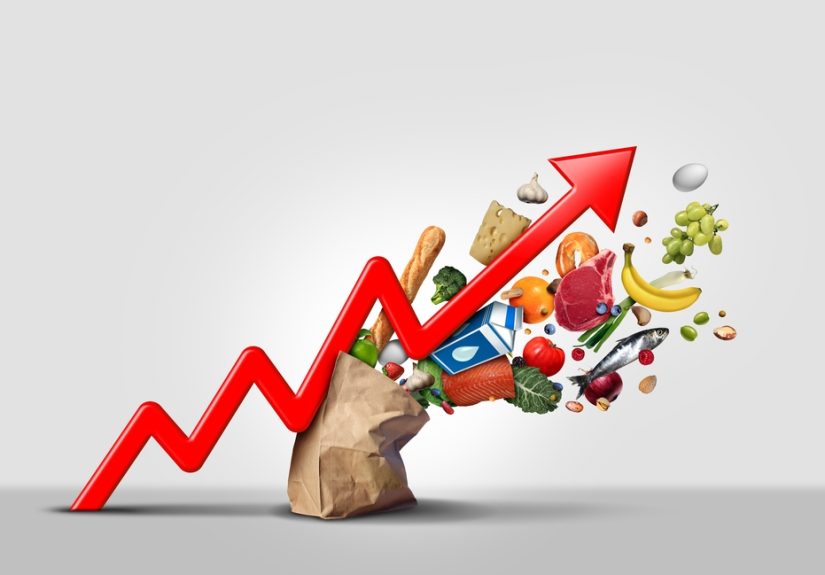
When food prices rise, many households don’t immediately eat less. They often eat differently. This is where inflation’s
health complications get sneaky: the shift isn’t always obvious on the plate, but it shows up in nutrition quality.
- Fresh foods become “special occasions.” Produce, lean proteins, and healthier convenience options can feel optional when budgets are tight.
- Cheaper calories win. Shelf-stable, ultra-processed foods can be more affordable per calorie and easier to stretch across meals.
- Time becomes a cost. Cooking from scratch can be cheaper, but it requires time, energy, and predictable schedulesluxuries for many workers and caregivers.
Over time, these shifts can increase risks for diet-related chronic conditions, especially for people already managing
diabetes, high blood pressure, high cholesterol, or heart disease. And it’s not just adults. Kids and teens can feel
these changes through energy levels, concentration at school, and long-term health patterns that form early.
Food insecurity isn’t just hungerit’s health instability
Food insecurity is linked to worse health outcomes and higher risks of chronic disease. It also pushes people into
inconsistent eating patternsskipping meals, then overeating when food is available; relying on cheap foods for most
of the month, then scrambling near payday. That “nutrition whiplash” can make blood sugar control and blood pressure
management harder, especially for people with chronic illness.
Health Care Becomes a “Later Problem”… Until It Isn’t
One of the most damaging health effects of inflation is delayed care. When everything costs more, health care is often
treated like a subscription people try to pausebecause it feels postponable. The problem is that bodies don’t accept
“pause” as a payment method.
Delaying care doesn’t erase the needit reshuffles the timeline
Preventive visits and early treatment are usually cheaper (financially and physically) than crisis care. But inflation
can push people to:
- skip routine checkups and screenings,
- delay follow-up appointments,
- avoid recommended tests,
- put off physical therapy, mental health support, or dental care,
- wait until symptoms get severe enough to “justify” the expense.
The hidden complication here is escalation: a manageable condition becomes a bigger condition. That can mean missed
days of work, more expensive treatment later, and worse outcomesexactly the opposite of what households are trying
to achieve when they delay care in the first place.
The Prescription Trade-Off: When Meds Become a Budget Category
Medication adherence is one of the clearest places where inflation turns into health harm. Even people with insurance
can face high out-of-pocket costs, deductibles, and gaps in coverage. When budgets tighten, some people make risky
adjustmentsnot because they don’t “believe in medicine,” but because math is undefeated.
Common cost-coping behaviors (and why they matter)
- Not filling a prescription or delaying refills
- Skipping doses to stretch a medication longer
- Splitting pills without medical guidance
- Substituting OTC products for a prescription (sometimes helpful, sometimes not)
The health complication is predictable: inconsistent treatment can worsen chronic conditions, increase the risk of
hospitalization, and create complications that are far more expensive than the original prescription.
Housing, Rent Burden, and the Health Cost of “Just Getting By”
Housing is not just where people liveit’s where they recover. When rent increases or household budgets get squeezed
by inflation, housing becomes another stressor with direct health consequences.
How rent pressure shows up in the body
- Sleep disruption from stress, overcrowding, noise, or unstable living arrangements
- Worsened chronic illness when people can’t rest, store medications properly, or maintain routines
- Higher exposure to unsafe conditions when households accept substandard housing to stay within budget
- Reduced preventive care because rent becomes the non-negotiable bill
Rent burden can also create “mobility churn”moving more often, living farther from work or clinics, or doubling up
with family. That instability can worsen mental health and make consistent medical care harder to maintain.
Energy Insecurity: When Heating and Cooling Become Health Decisions
Inflation doesn’t just raise rentit raises utility bills, too. Energy insecurity (struggling to afford adequate heat,
cooling, or electricity) is increasingly recognized as a serious social determinant of health.
In extreme temperatures, inadequate heating or cooling can be dangerous for older adults, infants, people with heart
or lung conditions, and anyone who uses electrically powered medical equipment. But even when it’s not life-threatening,
it can still affect health through poor sleep, stress, and symptom flare-ups. If your body can’t regulate temperature
comfortably at night, it’s going to have opinions the next dayand those opinions often sound like fatigue, irritability,
headaches, and worsened anxiety.
Transportation Costs: The Quiet Barrier to Care
Inflation often increases transportation costsgas, car maintenance, transit fares, rideshares. Health care access
depends on showing up. When transportation gets expensive, people miss appointments, delay care, and skip pharmacy trips.
Why missed appointments matter beyond the calendar
Missing care can mean:
- delayed diagnosis,
- incomplete treatment plans,
- worsening conditions that become urgent later,
- more expensive emergency care.
Transportation barriers also widen health inequities, especially for rural communities and low-income households where
clinics may be far away and public transit is limited.
Kids, Teens, and the “Invisible Curriculum” of Inflation
Inflation affects children and teens even when adults try to shield them. Kids notice stress. They notice food changes.
They notice the heat being turned down, the canceled doctor visit, the “we’ll do it next month” promises that keep
rolling forward.
How it can show up in young people
- Concentration and mood: stress at home can affect learning and emotional regulation.
- Nutrition patterns: inconsistent access to healthy foods can shape habits long-term.
- Preventive care gaps: missed dental visits, vision checks, or asthma management can affect school and overall well-being.
- Social exclusion: fewer activities and experiences can increase loneliness and stress.
The hidden complication is cumulative. A single tight month is hard. Multiple tight years can shape development,
educational outcomes, and long-term health trajectories.
Older Adults and Caregivers: When Inflation Collides With Health Needs
Older adults often live on fixed incomes, which can make inflation especially punishing. Caregiversparents, adult
children, people caring for spousesmay also face higher costs and time pressure at the same time.
Inflation can push households into a “maintenance-only” mode: doing just enough to keep things from falling apart,
while long-term needs (preventive care, mental health support, better nutrition, physical activity programs) get postponed.
And when caregiving is already physically and emotionally demanding, additional financial strain can amplify burnout,
depression, and chronic stress.
So What Can People Do? Practical, Health-First Coping (Without the Toxic Positivity)
Let’s skip the “just stop being stressed” advice (thank you, next). A better goal is reducing harm and protecting
health while costs stay high.
Health-protective moves that are actually realistic
- Ask about costsearly. At the pharmacy or clinic, ask if there’s a lower-cost option, a generic, or a different dosing schedule that’s clinically appropriate.
- Prioritize “keystone care.” If something prevents hospitalization (like asthma control meds, diabetes supplies, blood pressure meds), treat it like rent: boring, essential, non-negotiable.
- Use preventive care strategically. A low-cost screening now can prevent a high-cost emergency later. If you have coverage, learn what preventive services are included.
- Plan for food quality, not perfection. Frozen produce, beans, eggs, oats, and canned fish can be budget-friendly staples with real nutrition.
- Protect sleep like it’s a medical appointment. Sleep is a stress buffer, immune support, and mental health stabilizer. Inflation steals sleep indirectlyfight back with routines and boundaries where possible.
- Lean on community infrastructure. Community clinics, school meal programs, food pantries, and local assistance aren’t “last resorts.” They’re public health tools.
- Name the stress out loud. Financial stress thrives in silence. Talking to a trusted person, counselor, or support group can reduce the mental loadeven if it doesn’t lower prices.
None of this magically makes inflation disappear. But it can reduce the odds that short-term coping turns into long-term
health damage.
Conclusion: Inflation’s Health Effects Are RealEven If They’re Not on the Receipt
Inflation doesn’t just change what things cost. It changes behavior. It changes routines. It changes what people delay,
what they skip, and what they normalize. And that’s where the hidden health complications live: in the everyday choices
that feel small, repeat constantly, and add up over time.
If your budget has been squeezed, it doesn’t mean you’re “bad at adulthood.” It means the environment got harsher.
The most helpful responsepersonally and as a societyis to treat affordability as a health issue, not a character flaw.
Because when people can afford stability, their bodies and minds usually do something wild: they get healthier.
Experiences: What Inflation Feels Like in Real Life (and in a Human Body)
People often talk about inflation like it’s happening to “the economy,” as if the economy is a separate creature living
in a glass tank somewhere, being fed spreadsheets and interest rates. But inflation is intensely physical. You can feel
it in your shoulders when you open a bill. You can feel it in your chest when your card gets declined. You can feel it
in the way you breathe faster at the grocery store while trying to do mental math under fluorescent lights, surrounded
by 47 kinds of cereal that all cost more than they did last year.
One parent described grocery shopping as a weekly endurance sport: not because of the walking, but because of the choices.
They used to buy berries for their kids without thinking. Now berries feel like a luxury item that requires a committee
meeting. The result isn’t just “less fruit.” It’s a constant drip of guilt and calculation: “If I buy this, what do I
give up?” That mental load shows up at home as irritability, shorter patience, and exhaustion. The parent sleeps poorly,
then wakes up already behind, then uses more coffee to survive the dayuntil the coffee itself becomes expensive enough
to start a new round of stress. Inflation has a way of turning ordinary life into a series of tiny, relentless negotiations.
For an older adult on a fixed income, inflation can feel like the floor is moving. The routine is stablesame pension,
same Social Security, same apartmentbut costs rise anyway. One woman described cutting pills “just a little” to make
refills last longer. She wasn’t trying to be reckless; she was trying to be solvent. Over a few months, her blood pressure
crept up. She felt dizzy sometimes, but she didn’t want to pay for another visit. Eventually she landed in urgent care,
which cost far more than the earlier appointment would have. Inflation didn’t cause her condition, but it shaped the
decisions around itand those decisions shaped her outcome.
Teens experience inflation differently, but they experience it all the same. A high school student might not be paying
rent, but they notice the heat being turned down, the cancelled sports fee, the way a parent’s mood changes after opening
mail. Some teens take on part-time work to help. Others stop asking for things, which sounds responsible until you realize
they’re also learning that needs are inconvenient. That lesson can stick. Stress at home can make school harder: less sleep,
more anxiety, and a constant background worry that crowds out focus. Inflation becomes a silent soundtrack under everything
elsepresent, annoying, and strangely exhausting.
Caregivers often describe inflation as the moment when their calendar and their budget start arguing with each other.
You can usually solve one problem at a time: time or money. Inflation makes both scarce. A caregiver might skip their own
dental visit to pay for a parent’s medication, then postpone their own physical therapy because the copay is too high.
The aches don’t disappear; they become normal. And that normalization is one of the most hidden health complications of
allbecause once suffering becomes routine, it’s harder to notice that it’s even happening.
The common thread across these experiences isn’t laziness or poor planning. It’s adaptation under pressure. People aren’t
choosing unhealthy paths because they want to. They’re choosing them because they’re trying to survive an environment that
keeps getting more expensive. If we want better health outcomes, we can’t only talk about motivation and personal choices.
We also have to talk about affordabilitybecause for millions of people, inflation isn’t just an economic event. It’s a
daily health stressor, repeated until it leaves a mark.