Table of Contents >> Show >> Hide
- Meet the Paulistano Armchair: A Minimalist Icon
- Why a White Canvas Cover Is Such a Smart Idea
- What You’ll Need for Your DIY Paulistano Canvas Cover
- Step-by-Step: How to Make a White Canvas Cover
- Styling Your Paulistano with a White Canvas Cover
- Maintenance Tips for Your Canvas Cover
- Extended Experience: Living with a DIY Paulistano Canvas Cover
If you’ve ever fallen in love with a chair that costs as much as a small used car, welcome to the Paulistano armchair fan club. This Brazilian modernist icon is all curves, comfort, and quiet confidence and, yes, a pretty serious price tag when you start adding fancy covers.
The good news? You can keep the design cred and still pay your electric bill by making your own white canvas cover. Inspired by Remodelista’s minimalist makeover of the Paulistano armchair, this DIY project turns a classic leather sling chair into a bright, casual, summer-ready lounge seat using simple materials, basic sewing skills, and a bit of patience.
In this guide, we’ll walk through the background of the Paulistano chair, how to plan and sew a custom white canvas cover (using humble painter’s drop cloth), and some styling tips to help your newly upgraded armchair look magazine-worthy without a magazine editor’s budget.
Meet the Paulistano Armchair: A Minimalist Icon
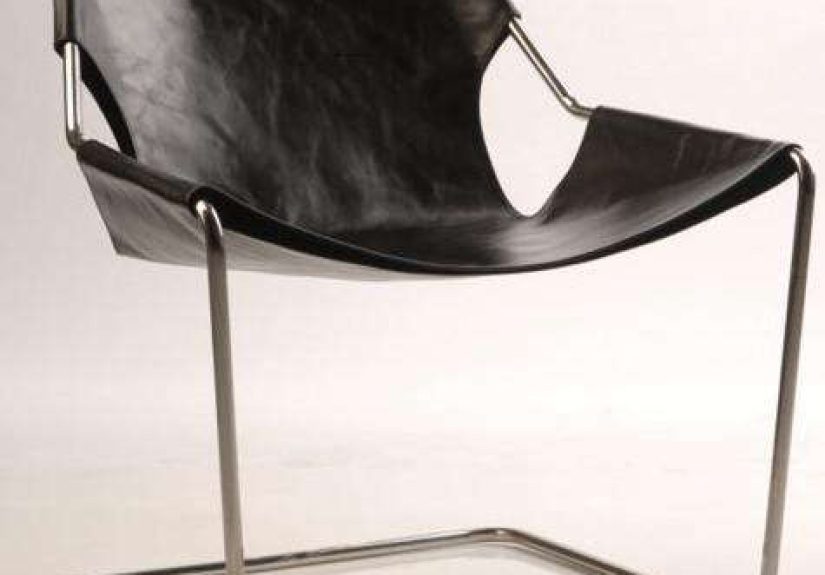
The Paulistano armchair was designed in 1957 by Brazilian architect Paulo Mendes da Rocha for the Athletic Club of São Paulo. It’s constructed from a single bent steel bar and a leather or fabric sling that cradles the body, combining brutalist structure with hammock-like comfort. Many design retailers and galleries highlight its presence in major design collections and praise its sculptural simplicity and relaxed ergonomics.
Today, you’ll find Paulistano armchairs sold by high-end shops and design brands, often with leather or canvas covers in neutral tones. Replacement covers in canvas or specialty outdoor fabrics can be purchased separately but they’re often quite expensive, especially if you want to rotate the look seasonally.
Enter the classic Remodelista move: keep the beautiful frame, upgrade the cover yourself.
Why a White Canvas Cover Is Such a Smart Idea
Swapping from leather to white canvas instantly changes the personality of the Paulistano armchair. Instead of dark, clubby, and serious, it becomes bright, beachy, and relaxed more “summer cottage” than “cigar lounge.” Here’s why a DIY white canvas cover works so well:
- Cost-effective: Heavy-duty canvas painter’s drop cloth is relatively cheap, especially compared with custom covers from design brands or upholstery shops.
- Durable: Drop cloth canvas is made to survive construction sites. On a chair, it stands up well to daily use, especially if you pre-wash it.
- Washable: Unlike leather, you can remove the slip-style canvas cover and toss it in the washing machine (gentle cycle, air dry) when life happens: coffee, kids, pets, or that one friend who always spills red wine.
- Seasonal flexibility: You can keep the original leather sling for cooler months and switch to the white canvas cover when you want a lighter, summery feel.
- Design freedom: You can tweak the stitching, piping, or edge details to match your room from crisp black topstitching to tonal seams or even subtle contrast binding.
Think of it as putting a crisp white shirt on a timeless chair: simple, flattering, and always in style.
What You’ll Need for Your DIY Paulistano Canvas Cover
Before you start cutting into fabric, gather your materials and tools. You’re essentially sewing a fitted sling that must support body weight, so sturdy fabric and accurate measurements matter.
Materials
- Paulistano-style armchair frame (original or similar sling chair frame)
- Heavyweight canvas painter’s drop cloth (pre-washed and dried to reduce shrinkage)
- Matching or contrast thread (upholstery thread if possible for extra strength)
- Optional: Cotton tape, webbing, or leather strips for reinforcement at stress points
- Optional: Bias tape or piping for edges if you want a more tailored look
Tools
- Sharp fabric scissors or rotary cutter
- Measuring tape
- Pins or fabric clips
- Fabric marker or tailor’s chalk
- Sewing machine capable of handling heavy fabric
- Iron and ironing board
- Paper or craft paper for pattern-making (optional but recommended)
- Seam gauge or ruler for consistent seam allowances
If your chair already has a leather or fabric sling in decent shape, you’re in luck: that piece can serve as a ready-made pattern. If not, don’t worry you can drape and pin the drop cloth directly on the frame to create your own pattern.
Step-by-Step: How to Make a White Canvas Cover
Step 1: Pre-Wash and Prep the Canvas
Drop cloth canvas shrinks. A lot. If you skip pre-washing, your beautifully fitted cover may tighten up after the first wash and never hang properly again.
- Machine wash the drop cloth in warm water with a mild detergent.
- Dry it completely (air dry or tumble dry low if your machine can handle it).
- Iron the fabric to smooth wrinkles you’ll get more accurate cuts and cleaner seams.
This step also softens the fabric, giving your finished cover a more relaxed, lived-in look, which suits the casual white-canvas style perfectly.
Step 2: Create Your Pattern
You have two main options here, depending on whether you already have a sling:
Option A: Trace an Existing Sling
- Remove the original leather or fabric sling from the frame.
- Lay it flat on a large table or floor, smoothing out any folds.
- Place pattern paper or drop cloth underneath, and trace around the sling.
- Add seam allowance (typically 1/2 inch to 5/8 inch) all around.
- Mark any areas where the fabric folds over the frame or forms channels for the metal rod.
This method gives you a near-perfect duplicate of the original cover, which is ideal for getting the tension and proportion just right.
Option B: Drape and Pin on the Frame
- Drape a piece of canvas over the frame so it roughly covers the area where you’ll sit.
- While the fabric is on the frame, sit or press down lightly to mimic the weight of a person.
- Use pins or clips to mark edges, folds, and corners where the fabric will attach to the frame.
- Carefully remove the fabric and lay it flat, then refine the shape with a ruler and measuring tape.
- Mirror the shape if needed to create a symmetrical pattern, and add seam allowance.
This draped approach is more intuitive but may require a bit more trial and error. The upside is that you can adjust the sling depth and angle to your comfort preference.
Step 3: Cut the Canvas Pieces
Once you’re happy with your pattern, place it on the pre-washed canvas and pin it securely. Pay attention to the fabric’s grain so the sling doesn’t twist or warp under tension.
- Cut carefully along the pattern lines.
- If your design includes folded channels for the frame or double layers at stress points, cut those pieces now as well.
- Label your pieces (top, bottom, front, back) with a fabric marker to avoid confusion during assembly.
Remember the classic sewing mantra: measure twice, cut once. Canvas is forgiving, but not magic.
Step 4: Sew Seams and Reinforce Stress Areas
This is where your sling starts to become a real cover. Use a strong stitch (a straight stitch with a slightly longer length works well on heavy canvas) and reinforce the areas that will carry the most weight.
- Sew seams with a consistent seam allowance.
- At the corners or where the fabric hooks onto the frame, sew an extra line of stitching or use a flat-felled seam for strength.
- Consider adding small patches of extra canvas, webbing, or leather where the frame meets the fabric.
- Press seams open or to one side with an iron as you go to reduce bulk.
If you want a more polished look, you can introduce piping along the perimeter of the sling, but keep in mind that more layers mean more thickness for your sewing machine to handle.
Step 5: Finish Edges and Frame Channels
Clean, sturdy edges are essential. The frame’s metal bar will constantly slide against the fabric, so flimsy hems won’t last.
- Fold the edge under 1/2 inch, press, then fold again 1/2 inch and stitch to create a double-fold hem.
- For channels that slide over the frame, create a tube-like fold: fold enough fabric to wrap comfortably around the bar, plus seam allowance, then stitch along the edge to form a channel.
- Backstitch at the beginning and end of seams where stress will be highest.
You want the cover to slide onto the frame with a bit of resistance snug enough to support weight, not so tight that you need a small miracle (or three strong friends) to get it on.
Step 6: Test the Fit on the Chair
Moment of truth: slide your new white canvas sling onto the Paulistano frame and see how it behaves.
- Check how the fabric hangs when no one is sitting in it you should see a gentle, relaxed curve.
- Sit in the chair and notice whether the fabric feels supportive, too tight, or too loose.
- Look for any spots where the frame seems to strain the fabric or where the canvas bunches awkwardly.
If something feels off, don’t be discouraged. Slipcovers and slings almost always benefit from small tweaks. You can take the cover off, adjust seams, and resew until the fit is just right. This is normal, not failure it’s “iterative design,” which sounds much more impressive, anyway.
Styling Your Paulistano with a White Canvas Cover
Once your chair is dressed in white canvas, you’ll notice it plays well with almost any interior style. Here are some styling ideas to make it shine:
1. Minimalist Living Room
Pair the chair with a jute or sisal rug, a simple oak or ash coffee table, and a single striking floor lamp. The white canvas softens the industrial steel frame, making the chair feel inviting rather than severe.
2. Coastal or Beach-Inspired Space
Add a striped lumbar pillow in navy or soft gray, a woven basket with a throw blanket, and a potted fig or olive tree. The white sling reads as breezy and nautical, perfect for a casual reading corner.
3. Eclectic Apartment Mix
Let the Paulistano armchair sit next to a midcentury credenza, a colorful rug, and a mix of vintage finds. Its sculptural shape keeps the space from feeling cluttered, even when you’ve collected a bit of everything.
The key is to let the chair breathe. Because it’s visually light the frame and sling float above the floor it looks best when it’s not jammed into a corner with too many bulky neighbors.
Maintenance Tips for Your Canvas Cover
One of the biggest perks of a DIY canvas cover is how easy it is to clean and maintain:
- Regular dusting: Give it a quick vacuum or lint roll to keep dust and pet hair under control.
- Spot cleaning: Treat small stains quickly with mild soap and water. Blot, don’t aggressively scrub, to protect the fibers.
- Machine washing: Remove the cover when it starts to look tired. Wash on a gentle cycle with cold or warm water, then air dry to avoid excessive shrinkage.
- Sun care: White canvas can slowly yellow or fade if it lives in direct sunlight. Rotate the chair occasionally or use sheer curtains to soften harsh rays.
If you ever get bored of all-white, you can dye the fabric, add subtle stripes, or sew a second cover in a different tone. Once you’ve made one sling, making another becomes much easier.
Extended Experience: Living with a DIY Paulistano Canvas Cover
So what is it really like to live with a DIY Paulistano armchair covered in white canvas? Think of it as adopting a very stylish pet. It looks great, everyone wants to sit in it, and occasionally it gets into trouble.
The First Week: Constant Show-and-Tell
During the first week, your new cover becomes the star of the living room. Friends walk in, spot the chair, and immediately ask, “Where did you get that?” Saying “Oh, I made the cover” never gets old. It sounds casually impressive, like you just whipped up a designer chair between errands.
You’ll probably find yourself hovering nearby when people sit in it for the first time. Not because you don’t trust your sewing you do but because it’s oddly satisfying to watch the fabric flex just right and cradle someone comfortably. The chair proves it’s not just a pretty face; it’s genuinely comfortable.
Month One: Real-Life Stress Testing
After about a month, the chair has seen a lot: late-night reading, impromptu naps, kids climbing in at weird angles, and probably a laptop or two balanced in the seat. This is where the canvas earns its keep.
You’ll notice a few small creases where the body naturally sinks into the sling. Instead of looking messy, these soften the stark white and make the chair feel relaxed, like a linen shirt that refuses to look perfectly pressed. Any minor marks or smudges become motivation for a quick wash and when the cover comes out of the laundry clean and refreshed, you remember why you chose canvas instead of committing to a lifetime of leather conditioning.
The “Uh-Oh” Moments: Spills, Pets, and Kids
The real test comes the day someone spills coffee, wine, or snack crumbs all over your carefully sewn sling. The initial panic is real, but then you remember: this is fabric you can actually remove.
Instead of trying to wipe down leather or hoping a stain doesn’t set, you take off the cover, treat the spot, and toss it in the wash. The moment it goes back on the chair, smooth and clean again, the project feels like a long-term win not just a pretty experiment.
If you have pets, you’ll probably find at least one of them claiming the Paulistano as a new nap spot. Cats seem to appreciate the hammock-like support; dogs enjoy the gentle slope that lets them keep an eye on the room. A washable cover turns this from a problem into a running joke: “Sure, the designer chair is the dog’s bed now, but at least I can wash it.”
Seasonal Swaps: From Leather to Canvas and Back Again
One of the most satisfying parts of this setup is treating the chair like a seasonal wardrobe. In the colder months, you might bring back the original leather sling for a more cocooned, cozy vibe, complete with wool throws and deeper colors.
When spring or summer arrives, you swap in the white canvas again, instantly lightening the room. It’s a quick change that gives you the satisfaction of a mini makeover without moving furniture or repainting walls.
The Long View: A Chair You Customize, Not Just Consume
Over time, the DIY cover changes the way you relate to the piece. Instead of being intimidated by a high-end design object, you feel connected to it. You’ve measured it, traced it, sewn for it, and problem-solved for it.
Need a new color? You can make one. Want outdoor-friendly fabric? You can choose weather-resistant canvas or technical textiles. Feeling bold? Try a black sling with contrasting topstitching, or a natural canvas with colored piping. The frame becomes your constant, and the cover becomes your playground.
That’s the real joy of a DIY Paulistano canvas cover: it turns a museum-worthy design into something personal, practical, and delightfully adaptable a piece that looks at home in a Remodelista spread but lives comfortably in your actual, everyday life.