Table of Contents >> Show >> Hide
- Average Glass Stove Top Replacement Cost
- What Factors Affect Glass Stove Top Replacement Cost?
- Repair vs. Replace: When Is a New Stove the Better Deal?
- Can You Replace a Glass Stove Top Yourself?
- Ways to Save on Glass Stove Top Replacement
- How to Prevent Future Damage
- Frequently Asked Questions
- Conclusion: Is Replacing a Glass Stove Top Worth It?
- Real-World Experiences: What Glass Stove Top Replacement Really Feels Like
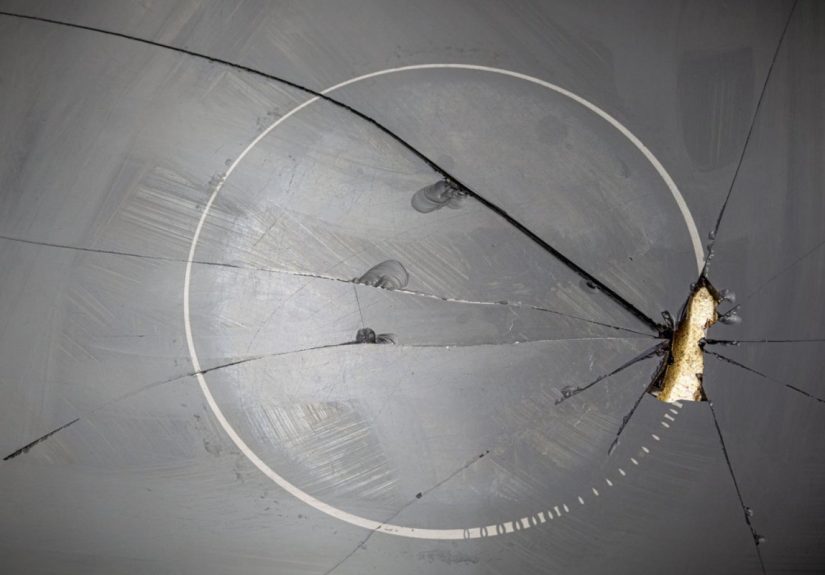
If you’ve just heard the sickening crack of a dropped pan meeting your sleek glass cooktop, take a deep breath. You are definitely not the first person to do this, and you won’t be the last. The big question, of course, is: How much does it cost to replace a glass stove top? And right behind it: “Is it even worth it, or should I just buy a whole new range?”
This guide walks you through real-world price ranges, what actually drives those costs, when repair makes sense, and when you’re better off upgrading the entire stove. We’ll also talk about DIY vs. pro replacement, clever ways to save, and some real-life scenarios from homeowners who have been exactly where you are nowstaring at a cracked cooktop and doing the math.
Average Glass Stove Top Replacement Cost
Across national cost guides, appliance repair services, and homeowner reports, most people pay somewhere between $200 and $1,000 to replace a glass stove top, including parts and labor. The “typical” sweet spot tends to land around $350 to $600 for a standard electric glass cooktop.
Here’s a simplified breakdown of common price ranges:
- Standard electric glass stove top: About $200–$600 installed
- Induction glass stove top: About $300–$1,000 installed
- Glass top part alone (no labor): Typically $200–$500, depending on brand and size
- Labor: Roughly $50–$200 per hour, often 1–2 hours for a straightforward swap
If you see an “average cost” of around $400 to $450 for glass stove top replacement, that’s just the middle of a pretty wide range. High-end brands, larger tops, or complex installs can push you toward the top of that spectrum.
Cost by Stove Type
The type of cooktop you own is one of the biggest drivers of replacement cost:
- Standard electric glass cooktops are generally the most affordable to replace. Parts are common, and the technology is simple, so you’ll often see total costs fall on the lower half of the range.
- Induction cooktops cost more. The glass is often specialized, and the underlying technology is pricier. If you have a sleek induction unit from a premium brand, don’t be surprised if the glass top quote makes you say a few words you wouldn’t say in front of Grandma.
- High-end or professional-style ranges (think luxury brands or custom installations) can have glass replacement pricing that approaches 50% or more of the cost of a brand-new unit.
Cost by Glass Type
Most modern smooth-top stoves use tempered glass or ceramic glass. The marketing lingo varies, but in general:
- Tempered glass tops tend to be on the lower end of the price range, often a few hundred dollars installed for standard electric units.
- Ceramic glass tops (commonly used on induction) can be more expensive, pushing total replacement cost closer to $800–$1,000 for certain models.
What Factors Affect Glass Stove Top Replacement Cost?
Not all cracked cooktops are created equal. Several factors influence how much you’ll actually pay in your specific situation.
1. Brand and Model
Brand mattersa lot. Replacement glass for a no-frills, big-box store electric stove is usually cheaper than glass for a high-end European or chef-grade brand.
- Mid-range brands (like many standard GE, Whirlpool, Samsung, or Frigidaire models) often have replacement tops in the lower-to-mid price range.
- Premium brands (like some Bosch, Wolf, or Viking units) may have pricier, harder-to-source parts. In some cases, the manufacturer may not even sell the glass separately, pushing you toward full replacement.
2. Size and Number of Burners
Larger isn’t just more impressiveit’s also more expensive. A five-burner cooktop or extra-wide unit usually costs more to replace than a standard four-burner top. The glass blank itself is larger and sometimes has more complex cutouts for controls and elements.
3. Labor Rates in Your Area
Labor can range from about $50 to $200 per hour, depending on where you live and whether you hire an appliance repair specialist or a general handyman. Many jobs take around an hour or so; more complicated jobs or units that are built into custom cabinetry can take longer.
4. Age and Condition of the Stove
If your range is relatively new and in good shape, replacing the glass top is often a smart investment. Many cooktops are designed to last 10 to 15 years, so if your unit is only five years old, a repair buys you potentially another decade of use.
If the stove is already approaching the end of its expected lifespan or has a list of other issues (finicky burners, unreliable oven temperature, worn-out knobs), the math shifts. At that point, sinking hundreds into a glass top could be throwing good money after bad.
5. Extent and Type of Damage
A hairline scratch that doesn’t affect the burner area is annoyingly cosmetic. A deep crack, starburst impact, or damage that crosses a burner is a safety issueespecially on electric and induction units. Most pros will recommend full glass replacement if the crack is deep, long, or near areas that get very hot.
Sometimes, the accident that cracked the glass also damaged underlying elements or wiring. If the technician finds additional damaged components, your cost can rise due to extra parts and labor.
Repair vs. Replace: When Is a New Stove the Better Deal?
A helpful rule of thumb many appliance pros use is the 50% rule: if the cost to repair your appliance is more than half the price of a new one, replacement is often the smarter move.
Let’s say:
- Your existing electric range is a basic model that cost around $600 new.
- You’re quoted $450 to replace the glass top.
At that point, you’re paying about 75% of the cost of a new unit to repair an older one. Unless your stove is fairly new, attractive, and otherwise in excellent shape, it may be more cost-effective to buy an entirely new range with a fresh warranty.
On the flip side, imagine you have a $2,000 induction range that’s only a few years old. A $600 glass replacement suddenly looks like a pretty good deal compared to spending $2,000+ to replace the whole unit.
Consider the Age of the Appliance
- Under 5 years old: Repair is often recommended, especially for quality brands.
- 5–10 years old: It depends. Check overall condition and consider how close the repair cost is to the price of a replacement.
- 10+ years old: Often better to replace the entire range unless the repair is relatively cheap and you love the unit.
Can You Replace a Glass Stove Top Yourself?
If you’re handy and comfortable working around electrical connections, you might be tempted to save labor costs by replacing the glass top yourself. In some cases, that’s possiblebut it’s not as simple as lifting the lid on a pot.
What DIY Replacement Usually Involves
- Unplugging or disconnecting the range (which may be hardwired).
- Removing screws and trim pieces that hold the glass in place.
- Carefully lifting the glass without stressing the fragile elements beneath.
- Transferring or aligning burner elements and connections as needed.
- Reassembling everything and testing every burner.
DIY can save you the hourly labor rate, but it comes with risk: cracked new glass, damaged heating elements, electrical shock hazards, and voided warranties. For many homeowners, paying a pro to handle the job is cheap insurance.
When DIY Might Make Sense
- You already have the correct replacement part for your exact model.
- You’re experienced with electrical work and comfortable shutting off breakers and verifying power is off.
- You’ve carefully reviewed a service manual or trusted tutorial for your specific range.
When to Call a Professional
- You’re not comfortable working with 240-volt circuits.
- Your cooktop is integrated into stone countertops or a tight custom layout.
- The crack is severe and there may be hidden damage beneath the glass.
- The range is still under warranty or covered by an extended protection plan.
Ways to Save on Glass Stove Top Replacement
Replacing a glass cooktop isn’t exactly a fun way to spend money, but you do have options to keep the bill under control.
1. Check Warranty and Protection Plans
If your range is relatively new, check whether it’s still covered under a manufacturer’s warranty or retailer protection plan. Some plans cover accidental damage or at least discount the cost of parts and labor.
2. Compare Quotes
Call or message at least two or three appliance repair companies and provide your brand, model number, and a quick description of the damage. Request itemized quotes so you can see how much is parts vs. labor.
3. Ask About Used or Refurbished Parts
For older or mid-range models, some repair shops may have access to salvaged or refurbished cooktop glass. These parts can significantly cut the costjust make sure they’re compatible and come from a reputable source.
4. Consider a Whole-Range Upgrade
As strange as it sounds, sometimes the most cost-effective path is to redirect your funds toward a brand-new range. If you catch a good sale or rebate, you might not pay much more than you would for a high-end glass replacement on an older unit.
How to Prevent Future Damage
No one buys a glass cooktop thinking, “This will be fun to crack later.” But once you’ve replaced one, you’ll probably baby the next one like a newborn. A few habits can help you avoid another expensive repair.
- Skip heavy impacts: Store heavy pots, cast-iron pans, and glass jars away from overhead cabinets where they can fall onto the cooktop.
- Use flat-bottomed cookware: Warped or rough-bottomed pans can create hot spots and micro-scratches that weaken the glass over time.
- Let burners cool before cleaning: Spraying cold cleaner on a blazing-hot surface is a recipe for thermal stress.
- Clean up spills promptly: Hardened food and sugary spills can bake onto the surface and require aggressive scraping later.
- Use the right cleaners: Stick with cooktop-safe creams and pads designed for glass and ceramic surfaces.
Frequently Asked Questions
Is it safe to use a cracked glass stove top?
Generally, no. A small surface scratch that doesn’t reach the heating area may be more of a cosmetic annoyance, but visible cracksespecially those that radiate or cross a burnerare a safety hazard. They can allow moisture into electrical components and may cause the glass to shatter further when heated.
How long does glass stove top replacement take?
Once the part is on hand, many technicians can swap out a glass top in about one to two hours, depending on the model and how easy it is to access mounting screws and electrical connections. Ordering the correct part is often the longest part of the process.
Will my homeowners insurance cover a cracked glass stove top?
It depends on how the damage occurred and on your policy language. Sudden accidental damage (like a heavy pot falling) may be covered, whereas gradual wear or hairline cracking likely won’t be. It’s worth a quick call to your insurer if the repair cost is significant.
Is my landlord responsible for replacing a broken glass cooktop?
If you rent, the answer depends on your lease and how the damage happened. Landlords are typically responsible for maintaining major appliances, but if the damage is clearly due to tenant misuse or an accident, they may seek reimbursement. It’s best to document the damage and have an honest conversation with your landlord or property manager.
Conclusion: Is Replacing a Glass Stove Top Worth It?
Replacing a glass stove top usually costs between $200 and $1,000, with many homeowners landing around the $350–$600 range for standard electric units. Whether it’s “worth it” comes down to the age and quality of your stove, the exact cost of the repair, and how close that number gets to the price of a brand-new range.
If your stove is fairly new or high-end, a glass top replacement can be a smart way to protect your investment. But if that cracked surface sits on a tired, decade-old range that’s already giving you trouble, the best long-term upgrade might be an entirely new appliancewith a fresh warranty and maybe even a few features your old stove never had.
Real-World Experiences: What Glass Stove Top Replacement Really Feels Like
Cost guides and neat price ranges are helpful, but it’s often the real-life stories that make the numbers click. Here are a few common scenarios homeowners run into when they’re dealing with a broken glass cooktop.
The Budget Electric Range Surprise
Picture a basic, no-frills electric range that originally cost around $500 on sale. One day, someone drops a heavy pot right on the edge of a front burner. The glass spiderwebs instantlyno drama, just a sad, quiet “this is going to cost me” moment.
After calling a few local repair companies, the homeowner gets quotes like this:
- $225 for the replacement glass top, ordered directly from the manufacturer.
- $150 in labor, including a service call and about an hour of work.
Total bill: around $375. That’s below the price of a new range, but not by a lot. In this case, the homeowner decides to go ahead with the repair because the range is only three years old and otherwise in great shape. Lessons learned: no more storing heavy cast-iron pans in the cabinet above the stove, and no more cooking while juggling glass jars.
The High-End Induction Reality Check
Now imagine a very different kitchen: built-in induction cooktop, quartz counters, sleek everything. The unit cost over $2,000 when it was installed. A guest accidentally slides a thick-bottomed pot too aggressively, and the corner of the pan hits the glass just right. Crack.
Replacement quotes come back in the $700–$900 range, partly because the glass is specialized and partly because the cooktop is more complex to work on. That sounds highuntil you price a comparable new induction unit and discover it’s closer to $2,300 installed.
In this scenario, replacing the glass is clearly the better financial move. The homeowner schedules a repair, quietly moves the heaviest cookware to a lower drawer, and invests in a soft cooktop cleaning pad to avoid scratches in the future.
The Rental Property Dilemma
Landlords and tenants face their own version of this story. A tenant in a rental apartment cracks the glass cooktop while cooking. The landlord gets a quote for $450 to replace the glass top on a mid-range electric stove that’s already eight years old.
Instead of repairing, the landlord chooses to replace the entire unit with a newer, energy-efficient range that’s on sale. The cost is higher upfront, but the new appliance looks better, may reduce maintenance calls, and can be a selling point for future renters. Depending on the lease and local laws, the cost is either absorbed as part of regular wear and tear or partially billed back to the tenant if the damage was clearly accidental misuse.
The DIY-Savvy Homeowner
Finally, consider the DIY-inclined homeowner who’s comfortable with basic electrical work. They find an OEM glass top online for about $275 and carefully follow a detailed service manual and video tutorial for their specific model. The job takes them about two hours on a Saturday. They save a couple hundred dollars in laborbut not without a few tense moments balancing the glass and trying not to bump any fragile heating elements.
Would every homeowner want to repeat that experience? Probably not. But for those who enjoy tools and troubleshooting, DIY can keep the total cost comfortably under $300. The key is respecting the electrical hazards and knowing your limits. If at any point you’re thinking, “I really hope this doesn’t blow up,” that’s usually a sign it’s time to call a pro.
Takeaways from the Trenches
- Quotes can vary a lot, even in the same cityshopping around matters.
- Age and original price of the stove are huge clues to whether repair or replacement makes more sense.
- Ten minutes spent reading your model number and calling for itemized estimates can easily save you $100 or more.
- Changing a few habitslike where you store heavy pans and how you clean the surfacecan significantly reduce the risk of another crack.
In the end, the “right” choice isn’t just about dollars; it’s about how long you plan to stay in the home, how much you enjoy cooking, and how much you value having a reliable, safe, good-looking stove. Once you’ve weighed those factors against the cost, the answer to “How much does it cost to replace a glass stove top?” becomes less about a number and more about what makes the most sense for your kitchenand your peace of mind.