Table of Contents >> Show >> Hide
- What Is Bolé Road Textiles?
- A Quick, Friendly Guide to Ethiopian Weaving Traditions
- How “Ethiopia by Way of Brooklyn” Actually Works
- Collections That Tell Stories (Not Just “New Season, Who Dis?”)
- Where These Textiles Shine in Real Homes
- Ethics, Collaboration, and Why It Matters
- How to Choose the Right Pieces (Without Overthinking It)
- Care Tips for Handwoven Textiles
- Why Remodelista (and Design People) Keep Paying Attention
- Real-World Styling Experiences: Living With Bolé Road Textiles (About )
- Conclusion
Some home brands sell you “a vibe.” Bolé Road Textiles sells you a whole geography lessonwithout the pop quiz.
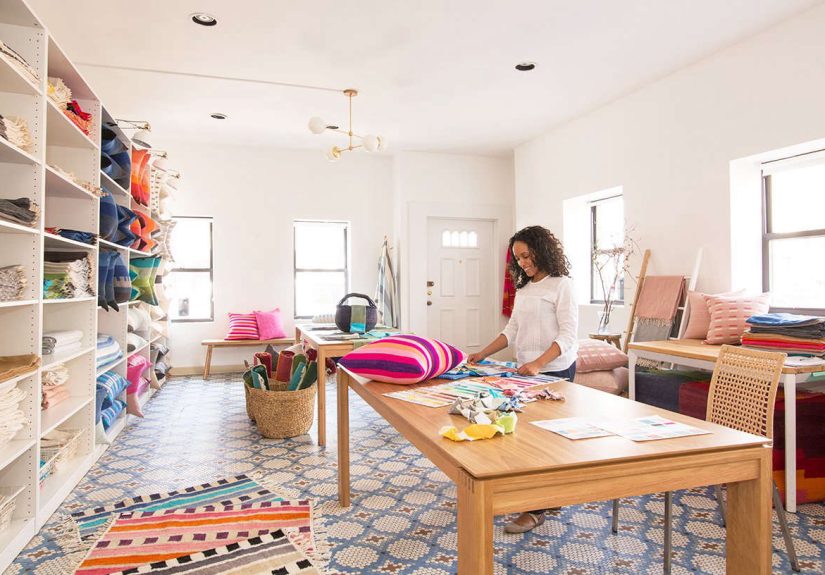
Think: Ethiopian weaving traditions, translated through a New York design brain, then shipped to your sofa in the form of
pillows, throws, rugs, bath textiles, and table linens that look like they know how to throw a party.
(And unlike your friend’s “minimalist era,” these pieces actually last longer than three weeks.)
Featured by outlets like Remodelista, Bolé Road Textiles sits in that sweet spot where craft, culture, and
contemporary interiors stop arguing and start harmonizing. The result is colorful, graphic, and deeply textural home decor
that feels collectedbecause it is.
What Is Bolé Road Textiles?
Bolé Road Textiles is a New York–based design studio founded by Hana Getachew, an Ethiopian-American designer with a
background in interior design and commercial architecture. The brand’s signature is simple to describe and hard to copy:
modern patterns and palettes, designed in New York, then handwoven in Ethiopia using heritage techniques.
The Name Isn’t Random (It’s Actually a Memory)
“Bolé” refers to Bole, a neighborhood in Addis Ababa, Ethiopia’s capital. For Getachew, it’s personaltied to her early
life and to a place that represents connection, movement, and everyday culture. So the name functions like a compass:
it points back to Ethiopia while the products live comfortably in Brooklyn brownstones, California bungalows, and
every apartment that needs a little more soul and a lot less “sad beige.”
From Interior Design to Textiles (The Plot Twist You Want)
Getachew’s path matters because it shows up in the product. An interior designer doesn’t just make something pretty;
they think about scale, balance, and how real humans move through a space. That training helps explain why Bolé Road’s
patterns feel architectural (clean geometry, strong lines) while still reading warm and handmade.
The brand made an early splash in the design world through showcases and retail partnerships, then grew into a recognizable
name for anyone hunting for ethically made, culturally rooted textiles that still feel modern.
A Quick, Friendly Guide to Ethiopian Weaving Traditions
Ethiopian textile history is rich, regional, and highly skilled. Traditional garments like the shamma (also spelled
shemma) and netela are often woven from cotton, with airy, gauzy bodies and decorative borders.
One of the standout techniques is tibeb: intricate patterning created with supplementary weft workbasically,
the “border jewelry” of a woven cloth.
Weaving expertise in Ethiopia is also closely tied to specific regions and communities. Skilled weavers often learn through
family lines (passed from generation to generation), and many migrate to urban centers like Addis Ababa to form collectives,
share resources, and produce for broader markets. In other words: this is not hobby weaving. This is craft-as-career,
craft-as-identity, craft-as-economy.
Bolé Road doesn’t pretend to be a museum label slapped on a throw blanket. Instead, it takes the underlying logic of the
traditioncotton, structure, border detail, regional variationand reinterprets it into home pieces that work with modern
interiors. It’s less “costume” and more “continuation.”
How “Ethiopia by Way of Brooklyn” Actually Works
The magic is in the process. Bolé Road’s design pipeline typically starts with a concept rooted in placeregions, cities,
landscapes, and material culture. Getachew develops the motif, refines the geometry, and builds color stories that feel fresh
(neutrals that aren’t sleepy, brights that don’t scream).
Then the work becomes collaborative: partner artisans in Ethiopia translate the design into handwoven textiles using
traditional methods. This is where the pieces pick up their signature “alive” quality. Handwoven textiles have tiny
variationssubtle shifts in texture, a human rhythm in the weaveso your pillow doesn’t look like it rolled off an assembly
line with 40,000 identical siblings.
Collections That Tell Stories (Not Just “New Season, Who Dis?”)
A standout moment in the brand’s storyhighlighted in Remodelistais the Omo Valley Collection, inspired by the
material culture of Ethiopia’s Omo Valley region. The collection has been shown in multiple color directions, including
neutrals and bolder palettes, and it extends beyond pillows into rugs and bath pieces in coordinating tones.
Other collections draw on Ethiopian places and ideas (you’ll see names like Harar, Konso, Admas, and Heritage). What that
does for the shopper is helpful: you’re not just buying “a pillow,” you’re buying a coherent design language you can build
a room around. It’s basically a shortcut to a layered lookwithout needing to become the kind of person who says,
“This is my curation.”
What Makes the Patterns Feel So Modern?
Bolé Road’s motifs often feel architectural: grids, stripes, stepped forms, and bold borders. That structure plays
beautifully with contemporary furniture (clean-lined sofas, Scandinavian silhouettes, midcentury pieces). But the weaving
technique and cotton texture keep the vibe grounded. The pieces read as both graphic and tactilelike a design poster you
can actually nap on.
Where These Textiles Shine in Real Homes
Living Room: The “Instant Upgrade” Move
If your sofa is neutral (gray, cream, tan, black), Bolé Road pillows are basically a legal form of cheating. Add one lumbar
with a strong border pattern, then anchor with a throw that echoes one color from the pillow. You’ll look like you hired a
designereven if you’re still using a moving box as a side table. (No judgment. We’ve all been there. Well, some humans
have. You get the idea.)
- Pro pairing: A structured, geometric pillow + a softer, chunkier throw texture.
- Pro tip: Repeat a color twice in the room (pillow + art, or pillow + book spine) to make it feel intentional.
Bedroom: Pattern Without Chaos
The easiest bedroom win is to treat Bolé Road as “the accent layer.” Keep bedding simple, then add a woven throw at the foot
of the bed and two pillows in complementary colorways. The handwoven texture adds depth without making your bed look like it
lost a fight with a fabric store.
Dining: The Quiet Flex (Napkins, Placemats, Runners)
Table linens are underrated because people think they’re “extra.” But they’re the best kind of extra: reusable, washable,
and instantly mood-setting. If you entertain at all, a set of woven napkins and placemats gives your table a cohesive look
with minimal effort. Bonus: cloth napkins make takeout feel like a “meal,” which is emotionally supportive.
Bath: Yes, Your Bathroom Deserves Design
Bolé Road’s bath pieces (like mats and coordinating textiles) are a smart way to make a bathroom feel designed rather than
“temporarily functional.” Stick to one paletteneutral or color-forwardand keep the rest of the room calm. The weave does
the heavy lifting.
Ethics, Collaboration, and Why It Matters
Bolé Road emphasizes partnership with Ethiopian weaving collectives and women-owned studios, aiming for fair wages and
long-term economic support. That kind of model matters because it treats artisans as collaborators and business owners, not
anonymous labor.
Some brand storytelling gets a little “we saved the world with a throw pillow.” Bolé Road’s approach is more grounded:
build relationships, pay fairly, maintain quality, and help craft remain a viable, respected profession.
It’s not charity cosplayit’s a business model that tries to keep skill and value in the communities where the craft lives.
There’s also a broader cultural impact: when design carries real stories and real technique, it pushes back against the
idea that “global” means “generic.” Your home can be personal, stylish, and connected to something larger than trends.
How to Choose the Right Pieces (Without Overthinking It)
Start With One “Hero” Textile
Pick the piece that will do the most visual work: a bold pillow on a neutral sofa, a throw that adds warmth to a bed, or a
rug that anchors a sitting area. Build outward from that one choice. If you try to buy everything at once, you’ll either
overmatch or panic and buy beige. (Beige is fine. Beige is also… beige.)
Use Color the Ethiopian Way: Confident, Not Random
Ethiopian-inspired palettes often embrace contrastdeep hues, warm tones, strong borders. You don’t need to copy that
literally, but you can borrow the principle: use one strong color, one grounding neutral, and one “bridge” tone (like dusty
blue, clay, charcoal, or saffron).
Mix Patterns Like a Designer
- Rule of scale: Pair one large motif with one smaller, tighter pattern.
- Rule of spacing: Give patterns room to breathesolid upholstery or simple rugs help.
- Rule of repeat: Echo one color in at least two places so it feels planned.
Care Tips for Handwoven Textiles
Handwoven textiles are durable, but they like gentle treatmentkind of like a talented friend who doesn’t enjoy being
yelled at. Follow the specific care label on each item, but as a general rule:
- Spot clean quickly for spills (the sooner, the better).
- Use gentle washing when recommended; avoid harsh bleach unless the label explicitly allows it.
- Air-dry or low-heat dry when possible to protect fibers and texture.
- Rotate pillows and throws so they wear evenly (yes, textiles have feelings).
Why Remodelista (and Design People) Keep Paying Attention
Bolé Road hits a rare combination: a clear point of view, a real craft foundation, and products that work in modern homes.
Remodelista spotlighted the brand’s story and collections because they’re not simply decorativethey’re designed
with an understanding of how people actually live. Colorways, sizes, and formats (pillows, rugs, bath, table) make it easy
to build a cohesive space without falling into the “everything matches so nothing matters” trap.
In short: it’s Ethiopian style by way of Brooklyn, but the destination is your homepreferably the spot where you drink
coffee, watch movies, and pretend you’re not going to reorganize the bookshelf at midnight.
Real-World Styling Experiences: Living With Bolé Road Textiles (About )
The most common “experience” people describe with Bolé Road Textiles isn’t just visualit’s emotional. A handwoven piece
changes the way a room feels the same way a great playlist changes a drive: nothing structural changed, but suddenly the
whole situation has a point of view. Here are a few lived-in, realistic scenarios that show how these textiles tend to
behave once they move in and start paying rent (in vibes).
1) The unboxing moment: With handwoven textiles, the first surprise is texture. Photos can show color and
pattern, but they can’t fully capture the handfeel: the slight nubby rhythm of cotton, the crispness of a structured weave,
the “this was made, not manufactured” quality. People often find that the pattern looks a touch softer in person than on a
screen, because the weave adds depth and breaks up hard lines in a good way.
2) The “it finally looks finished” sofa effect: Many homes have the same problem: a perfectly fine couch
that looks like it’s waiting for instructions. A single bold lumbar pillow can fix that by creating an intentional focal
point. Add a throw in a complementary tone and suddenly the sofa has a personality. The room reads more layeredlike you
chose it, not like you inherited it from the internet.
3) The dinner-party upgrade without new dishes: Table linens are the stealthiest glow-up. People often
report that woven napkins or placemats make everyday meals feel more “hosted,” even if dinner is pasta and the guests are
just your household plus one friend who always shows up hungry. The texture does the work of making the table feel special,
and it photographs beautifully without the “try-hard” shine of disposable decor.
4) The bathroom surprise: Bathrooms are where design goes to dieuntil you add one strong textile element.
A woven bath mat or coordinating piece can make a basic bathroom feel intentional and calm. Because the weave is tactile,
it adds warmth in a room full of hard surfaces (tile, porcelain, mirrors). People often notice the space feels more spa-like
without needing a remodel or a new identity.
5) The long-game satisfaction: With repeated use, handwoven textiles tend to feel better, not worse. The
fibers relax a little. The piece becomes familiar. And because slight variations are part of the charm, the item doesn’t
feel “dated” the moment a trend shifts. Owners often treat these textiles like anchorspieces that stay while paint colors,
furniture layouts, and seasonal obsessions rotate.
The takeaway: Bolé Road Textiles doesn’t just decorate a roomit gives it narrative. If your home is the backdrop of your
daily life, these pieces behave like supporting characters who quietly make every scene better.
Conclusion
Bolé Road Textiles proves that “global-inspired” doesn’t have to mean vague. With Ethiopian weaving traditions at the core
and New York design sensibility guiding the edits, the brand offers handwoven home decor that’s vibrant, functional, and
genuinely meaningful. Whether you start with one pillow or build a whole room around a collection, the result is the same:
a home that feels more personaland a lot less like a showroom pretending to be a living space.