Table of Contents >> Show >> Hide
- What Makes a Chicken Salad Sandwich Actually Great?
- Classic Chicken Salad Sandwich Recipe
- Chicken Choices: Rotisserie, Poached, Roasted, or Leftovers
- Flavor and Texture Upgrades (Without Turning It Into Chaos)
- How to Build a Chicken Salad Sandwich That Doesn’t Get Soggy
- Make-Ahead, Storage, and Food Safety
- 5 Variations You’ll Want on Repeat
- What to Serve With a Chicken Salad Sandwich
- FAQ: Chicken Salad Sandwich Questions People Whisper to Their Fridge
- Real-Life Chicken Salad Sandwich Moments (Extra of Experience)
- Conclusion
The chicken salad sandwich is the lunch equivalent of a clean hoodie: dependable, comforting, and somehow always the right call when you don’t want to think too hard.
But “easy” doesn’t have to mean “sad,” and “creamy” doesn’t have to mean “mysteriously wet.” With a few smart choicesbetter chicken texture, brighter seasoning,
and a sandwich build that doesn’t dissolve by noonyou can make a chicken salad sandwich that tastes like it came from a deli that charges extra for “artisan vibes.”
In this guide, you’ll get a classic, crowd-pleasing chicken salad sandwich recipe (with flexible swaps), plus tips for avoiding dryness, blandness, and the dreaded
soggy-bread situation. Grab a bowl, a fork, and your most confident pinch of salt. Let’s make lunch proud.
What Makes a Chicken Salad Sandwich Actually Great?
A truly excellent chicken salad sandwich hits four notes at once: savory chicken, creamy dressing, crunchy contrast, and a bright “wake-up” ingredient (usually
lemon juice, vinegar, or a little pickle brine). Miss one, and the whole thing slumps into cafeteria energy.
1) The chicken texture matters more than the chicken brand
Chicken salad is not the place for rubbery chunks the size of dice you’d lose under the couch. You want bite-sized pieces that feel tender and cohesive.
Think: shredded, pulled, or a small, rough chopsomething that lets the dressing coat every piece without turning it into paste.
2) Creamy doesn’t mean “swimming”
Mayo is classic for a reason: it’s stable, rich, and clings to chicken like it’s being paid hourly. But the best chicken salad tastes creamy and light,
which usually means balancing mayo with a bit of mustard, lemon, yogurt, or extra crunchy add-ins.
3) Crunch is your best friend
Celery is the standard, but it’s not the only crunchy hero. Red onion, scallions, toasted nuts, diced pickles, and even radishes can add snap. Crunch keeps
chicken salad from tasting like “beige.”
4) Brightness keeps it from tasting flat
Chicken and mayo are delicious… and also a little sleepy. Acid (lemon juice, vinegar, pickle brine) makes the flavors pop. This is the difference between
“pretty good” and “why did I just stand over the sink eating this with a spoon?”
Classic Chicken Salad Sandwich Recipe
This recipe makes about 4 generous sandwiches. It’s classic, flexible, and designed to taste great and hold up in the fridge for quick lunches.
Ingredients
- 3 cups cooked chicken (shredded or small-chopped; rotisserie is totally welcome)
- 1/2 cup mayonnaise (start here; add more only if needed)
- 1 to 2 teaspoons Dijon mustard (for tang and depth)
- 1 tablespoon lemon juice (plus more to taste)
- 1/2 cup celery, finely diced (about 1–2 ribs)
- 2 tablespoons red onion or scallions, minced (optional but recommended)
- Salt and black pepper, to taste
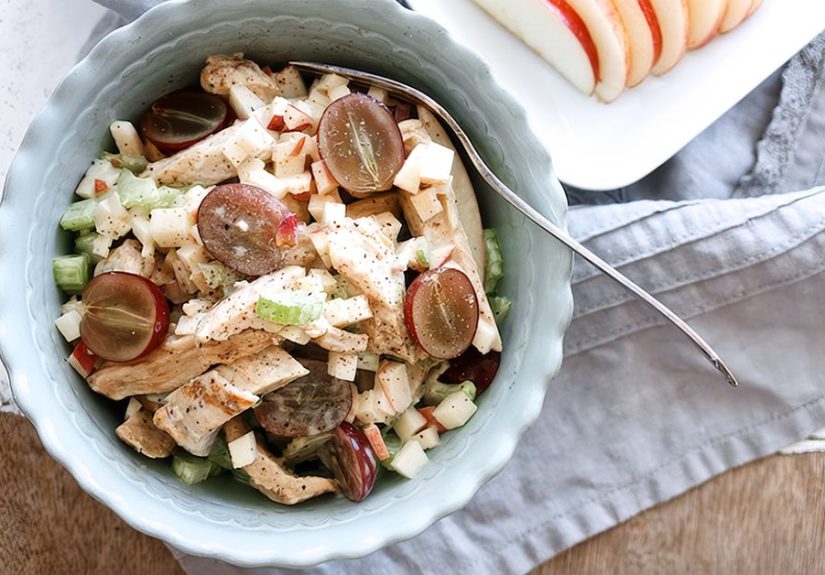
- Optional add-ins: 1/3 cup halved grapes, 1/4 cup toasted sliced almonds or chopped pecans, 1–2 tablespoons chopped fresh dill or tarragon, a pinch of paprika
For building the sandwiches
- 8 slices sandwich bread (or 4 rolls, croissants, or toasted sourdough)
- Lettuce leaves (the crisp, dry kindromaine, butter lettuce, or iceberg)
- Tomato slices (optional; great, but handle with care to avoid sogginess)
- Extra mayo or butter (optional “bread insurance” layer)
Directions
-
Prep the chicken. If it’s warm, let it cool first. Shred it with two forks or chop it into small pieces (roughly chickpea-sized).
Smaller pieces = better coating = better sandwich. -
Make the dressing base. In a bowl, stir together mayo, Dijon, and lemon juice. Add a pinch of salt and a few turns of pepper.
(Season early so it dissolves into the dressing instead of sitting on the chicken like a confused snowflake.) - Add crunch + extras. Stir in celery and onion/scallions. If using herbs, nuts, or grapes, add them now.
-
Fold in the chicken. Add chicken and mix until coated. If it looks dry, add mayo one tablespoon at a time. If it tastes flat,
add a bit more lemon, mustard, or salt. -
Chill (optional, but helpful). Cover and refrigerate 20–30 minutes. The flavors settle, the celery relaxes, and the whole bowl
becomes more “deli” and less “I made this in a hurry.” -
Build the sandwich like you respect bread. Toast if you want extra structure. Add lettuce to create a barrier, then pile on
chicken salad. Add tomato only if it’s dry-ish and placed away from direct bread contact.
Chicken Choices: Rotisserie, Poached, Roasted, or Leftovers
The best chicken salad sandwich often starts with “whatever chicken is already here.” That said, different chicken styles give different results:
Rotisserie chicken
Fast, flavorful, and usually juicy. It’s great for weeknight chicken salad because the seasoning is built in. Just pull the meat, discard skin if you prefer,
and chop/shred. Pro tip: use a mix of light and dark meat if you like extra richness.
Poached chicken
Poaching can be wonderfully tender if you don’t boil the life out of it. Use gentle heat and let the chicken cool before chopping. This option is mild,
so you’ll want to be a little more generous with salt, acid, and herbs.
Roasted chicken
Roasting adds deeper flavor and a slightly firmer bite that holds up well in a sandwich. If you roast specifically for chicken salad, don’t overcook.
Dry chicken + mayo doesn’t equal “moist.” It equals “acceptable.”
Leftover grilled chicken
Works great, especially if it has simple seasoning (salt, pepper, garlic). If it’s heavily sauced or spicy, treat it like a “variation” and lean into that vibe
with complementary add-ins (see the flavor ideas below).
Flavor and Texture Upgrades (Without Turning It Into Chaos)
Chicken salad is basically a choose-your-own-adventure book, except the ending is always lunch. Here are upgrades that taste intentional (not random):
Add herbs for “I know what I’m doing” energy
Dill and tarragon are especially good with chicken salad because they cut through richness and make it taste fresh. Parsley adds clean “green” flavor without
taking over.
Add crunch that stays crunchy
- Celery: classic, clean crunch.
- Toasted almonds or pecans: nutty crunch and extra staying power.
- Diced pickles: crunch + acid + a little fun.
Add sweetness carefully
Grapes and apples are popular because they add juicy sweetness that contrasts the savory dressing. Some people love it. Others consider it a culinary crime scene.
If you’re unsure, start small: a handful of halved grapes, not a fruit salad situation.
Add a punch of acid
Lemon juice is bright and clean. Pickle brine is tangy and a little more assertive. Apple cider vinegar adds zip without tasting sharp if used lightly.
Acid is your “turn the volume up” knob.
Add gentle heat
A pinch of paprika, a few dashes of hot sauce, or a tiny spoon of chili crisp (if your household likes spice) can turn “classic” into “can I have the recipe?”
without making it burn-your-face-off.
How to Build a Chicken Salad Sandwich That Doesn’t Get Soggy
Sogginess isn’t a curse. It’s physics. Moist filling + porous bread + time = sad sandwich. Here’s how to outsmart science:
Use a lettuce “raincoat”
Put dry lettuce between bread and chicken salad. It creates a barrier so the bread stays bouncy instead of turning into edible sponge.
Toast the bread (or at least one side)
Toasting adds structure and slows down moisture absorption. If you like soft bread, toast only the inside faces and keep the outside plush.
Spread a thin fat layer on the bread
A light swipe of mayo or butter on the bread can act like waterproofing. Think of it as sandwich primer coat.
Pack smart for lunches
If it’s going to sit for hours, keep chicken salad and bread separate and assemble when you’re ready to eat. Your future self will thank you loudly.
Make-Ahead, Storage, and Food Safety
Chicken salad is a meal-prep champion, but it needs basic food-safety respect. Keep it cold, cover it well, and don’t test fate.
- Refrigerate promptly in a sealed container.
- Eat within 3–4 days for best quality and safety.
- Keep it cold when serving, especially at picnics or potlucks. If it’s been sitting out for a long time, it’s not “seasoned,” it’s risky.
5 Variations You’ll Want on Repeat
1) Lemon-Tarragon “French Deli” Style
Add extra tarragon, lemon zest, and a little more Dijon. Swap red onion for scallions. Serve on toasted sourdough with crisp lettuce.
2) Grape-Almond Classic
Fold in halved grapes and toasted sliced almonds. Add a tiny pinch of salt to balance sweetness. Try it on a buttery croissant if you want maximum joy.
3) Pickle-Lover’s Chicken Salad
Add chopped dill pickles and a teaspoon of pickle brine. Great on rye or seeded bread with lettuce.
4) Lighter Greek Yogurt Blend
Replace up to half the mayo with plain Greek yogurt. Keep the Dijon and lemon. Add herbs for a fresh, tangy finish that still feels satisfying.
5) Curry-Inspired Lunchbox Version
Add a small sprinkle of curry powder, a squeeze of lemon, and diced celery. If you like a little sweetness, add a few raisins (again: few).
What to Serve With a Chicken Salad Sandwich
You can keep it classic or make it a full lunch spread:
- Crunchy sides: potato chips, pretzels, pickles, carrot sticks.
- Fresh sides: fruit, a simple green salad, sliced cucumbers.
- Cozy combo: chicken salad sandwich + soup (tomato, veggie, or a brothy option).
FAQ: Chicken Salad Sandwich Questions People Whisper to Their Fridge
Can I make chicken salad the night before?
Yesoften it tastes better after chilling. Just store it covered in the fridge and stir before serving.
How do I fix chicken salad that tastes bland?
Add salt first. Then add acid (lemon or pickle brine). A little Dijon, herbs, or black pepper can also wake it up.
How do I fix chicken salad that’s too thick?
Add a small splash of lemon juice or a spoon of mayo/yogurt. Mix gently so it stays textured, not gummy.
Real-Life Chicken Salad Sandwich Moments (Extra of Experience)
The chicken salad sandwich has a funny way of showing up in life’s most practical momentsthe ones where you need food that’s comforting, portable, and not
overly dramatic. It’s the sandwich you make when you open the fridge, see leftover chicken, and think, “I can either reinvent dinner… or I can be smart and
make tomorrow’s lunch in 10 minutes.” It’s also the sandwich that teaches you, very quickly, that bread has feelings and those feelings are easily hurt by
moisture.
If you’ve ever packed a chicken salad sandwich for school, work, or a road trip, you already know the stakes. When you build it at 7 a.m. and eat it at noon,
you’re basically asking your sandwich to maintain structural integrity for five hourslike a tiny edible bridge. That’s why people develop strong opinions:
toast vs. no toast, lettuce barrier vs. “it’ll be fine,” grapes vs. absolutely not. Chicken salad can be a calm, creamy lunch… or a surprisingly emotional
debate topic. (Families have been divided over raisins. Proceed carefully.)
There’s also the “picnic test,” where chicken salad becomes the social butterfly of the cooler. Everyone wants a scoop, but everyone also wants to know how
long it’s been sitting out. Chicken salad is popular at gatherings because it feels homemade and generous, but it also rewards the person who brings an ice pack
and doesn’t treat food safety like a suggestion. The best versions are the ones that taste bright and seasoned, with enough crunch that every bite feels alive
not just creamy.
Then there’s the meal-prep era of chicken salad, where it becomes a weekday superhero. Make a batch on Sunday, and suddenly your week has fewer decisions.
You can eat it on sandwich bread, stuff it into a wrap, pile it on greens, scoop it with crackers, or tuck it into lettuce cups when you want something lighter.
It’s flexible in a way that makes busy days easier. And because it’s adaptable, it can match your mood: tarragon and lemon when you want “fancy,” pickles when
you want “snack,” curry when you want “different,” and grapes-almond when you want “sweet crunch, please.”
The most relatable chicken salad sandwich experience might be this: you make it once, it’s fine, and you move on. Then you make it again with one small upgrade
a bit more salt, a squeeze of lemon, an herb you actually like, or celery cut smaller so it spreads betterand suddenly it’s not just “fine.” Suddenly it’s a
sandwich you’d pay for. That’s the magic here: chicken salad doesn’t require a culinary degree. It just asks you to notice texture, balance richness with
brightness, and stop treating bread like it owes you money. Do those things, and the chicken salad sandwich becomes what it was always meant to be:
an easy lunch that still feels like a win.
Conclusion
A great chicken salad sandwich is simple on purpose: tender chicken, creamy dressing, crunchy contrast, and a bright finishbuilt on bread in a way that keeps
everything delicious (and not soggy). Start with the classic recipe, adjust the add-ins to match your taste, and treat seasoning like it mattersbecause it does.
Once you nail your personal “perfect bite,” you’ll understand why this humble sandwich has been a lunch legend for so long.