Table of Contents >> Show >> Hide
- Step One: Declutter Like You Mean It
- Plan Your Pantry Zones
- Smart Storage Solutions That Actually Work
- Small Pantry, Big Impact
- Food Safety Meets Organization
- Styling Your Pantry the Better Homes & Gardens Way
- Maintenance: Keeping It Tidy in Real Life
- Real-Life Pantry Storage & Organization Experiences
- Conclusion: A Pantry That Works as Hard as You Do
If your pantry has ever launched a rogue bag of rice at your head, this article is for you. A well-organized pantry doesn’t just look pretty in photos; it saves money, cuts food waste, speeds up dinner, and keeps your sanity intact. Think of this as a “Better Homes & Gardens–style” guide to pantry storage and organization, minus the camera crew and perfectly styled lemons.
We’ll walk through how to declutter, plan smart pantry zones, choose the right storage containers, keep food safe, and maintain your system in real life. Whether you have a walk-in pantry, a single cabinet, or a couple of shelves pretending to be a pantry, you can make it work beautifully.
Step One: Declutter Like You Mean It
Every dream pantry starts with a slightly painful step: taking everything out. Yes, everything. This is how the pros do it. It lets you see what you own, clean the shelves, and stop buying your fourth jar of cumin because you didn’t know you already had three.
Empty, Clean, and Check Dates
Lay items on your counters or dining table and quickly sort:
- Keep: Foods you actually eat and that are still in date.
- Donate: Shelf-stable, unopened items you won’t use but are still within their best-by dates.
- Toss: Stale chips, mystery grains, and anything expired or damaged.
Be especially strict with dented or bulging cans, cracked jars, or packages that look compromised. Food safety guidelines recommend discarding cans that are rusted, swollen, or leaking, and any product that spurts liquid when opened. It’s not worth risking foodborne illness for a 99-cent can of beans.
Once shelves are bare, wipe them down with warm soapy water or a mild cleaner. Don’t forget corners and the underside of shelves where crumbs and sticky spots love to hide.
Take a Quick Pantry Inventory
Before you put anything back, group items on your counter into broad categories: baking, breakfast, snacks, canned goods, grains and pasta, oils and vinegars, etc. This will become the foundation of your pantry zones and help you see what you tend to overbuy (hello, twelve boxes of spaghetti).
Plan Your Pantry Zones
Organized pantries work because everything has a “home.” Many home magazines and pro organizers recommend arranging your pantry by zones so your family can find things without yelling your name first.
Common Pantry Zones That Make Life Easier
- Everyday cooking zone: Oils, vinegars, spices, rice, pasta, and canned tomatoesanything you reach for often when making dinner.
- Baking zone: Flour, sugar, baking powder, chocolate chips, cocoa, vanilla, and sprinkles. Store together so you’re not hunting for baking soda in three different spots.
- Breakfast zone: Cereal, oats, pancake mix, nut butters, jam, coffee, and tea.
- Snack zone: Crackers, chips, granola bars, dried fruit, and nuts.
- Grab-and-go zone: Lunchbox items, single-serve snacks, and ready-to-eat items near the door or at kid height.
- Bulk and backstock zone: Extra paper towels, backup jars, large bags of rice or flour, and extra canned goods.
Place the most-used zones at eye level. Heavy or bulky items (like big bottles, large jars, and appliances) belong on lower shelves. Less-used or seasonal items can live on the top shelf.
Match Zones to How You Actually Live
If you rarely bake, your baking section shouldn’t hog prime real estate. If you have school-age kids, you might have a generous snack zone and a dedicated “lunch assembly” area with wraps, nut butter, and snack packs. Your pantry exists to support your routinesnot some imaginary version of your life where you bake sourdough daily and never crave chips.
Smart Storage Solutions That Actually Work
Good pantry storage is less about buying every trending container on social media and more about choosing a few tools that solve real problems. Start with your pain points: deep shelves, wire racks, awkward corners, or tiny cabinets.
Use Vertical Space and the Back of the Door
If you’re short on shelf space, think vertical. Install skinny shelves or racks on the backs of pantry doors for spices, condiments, and small jars. Over-the-door organizers, even shoe organizers with clear pockets, can hold sauce packets, snack bars, or seasoning mixes without taking up shelf space.
Under-shelf baskets are another secret weapon. They slide onto existing shelves and create a bonus tier for wraps, napkins, or small snack bags.
Clear Containers: Pretty, Practical, and Pantry-Saving
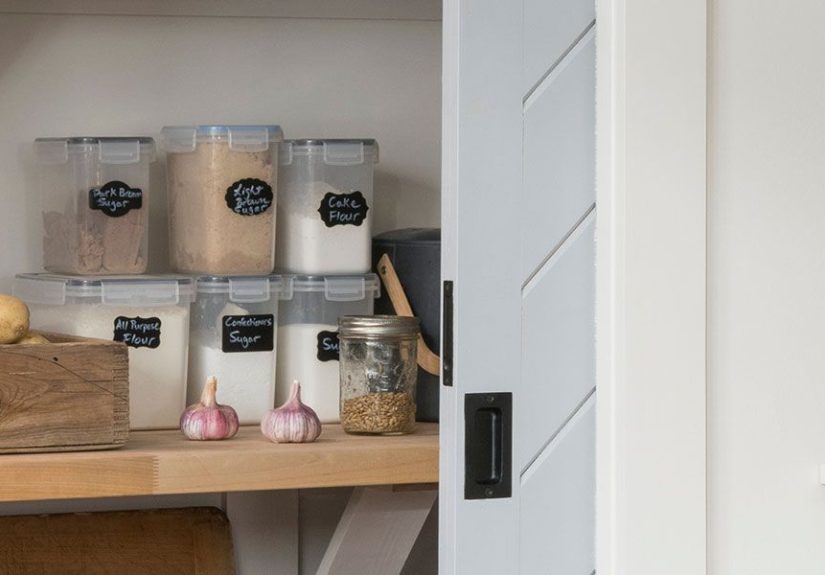
Clear, airtight containers aren’t just aesthetic flexesthey help you see what you have, keep pests out, and maintain freshness. Use them for:
- Flour, sugar, and baking ingredients
- Rice, pasta, and grains
- Snacks like crackers and cookies
Stick to one or two container styles for a cleaner look. Uniform containers are easier to stack and make even a small pantry feel more polished.
Labels: Your Future Self Will Thank You
Labels may feel extra, but they’re the difference between a system that lasts and one that falls apart in a week. Label containers and shelves clearly: “PASTA,” “BREAKFAST,” “BAKING,” “SNACKS.” You can use a label maker, printed labels, or simple masking tape and a markerwhatever you’ll actually maintain.
Labels also help with food safety and rotation. Adding purchase or open dates on containers makes it easier to use older foods first and avoid mystery ingredients with unknown origins.
Corral the Chaos with Bins and Baskets
Use bins and baskets to group smaller items that tend to topple over, like snack bags, baking supplies, or seasoning packets. Deep shelves? Place items in bins and store them like drawers: pull out the basket, grab what you need, slide it back. Just remember not to buy more bins than you needover-buying containers can actually hide clutter instead of solving it.
Don’t Forget Lighting
If you have a dark pantry, cheap battery-powered puck lights or LED strips can make a huge difference. Good lighting helps you see what you have, reduces duplicate purchases, and reduces the chances of you discovering a can of pumpkin from three Thanksgivings ago.
Small Pantry, Big Impact
No walk-in pantry? No problem. Many home bloggers and organizers live with small pantries and still manage gorgeous, highly functional setups. The key is to treat every inch like prime real estate.
Work with What You Have
Common small-pantry challenges include wire shelving, narrow shelves, and limited depth. Try these fixes:
- Shelf liners: Add liners to wire shelves so containers and jars sit flat.
- Tiered risers: Use risers for canned goods and spices so you can see what’s in the back.
- Stacking bins: Use narrow, stacking bins to build “columns” of snacks or lunch items.
- Overflow storage: Store rarely used bulk or backstock items in a nearby closet, cabinet, or under-stairs area.
Think beyond the pantry box itself: a slim cabinet, a rolling cart tucked beside the fridge, or shelving in a hallway can expand your “pantry footprint” without a renovation.
Food Safety Meets Organization
Pantry storage isn’t just about looking good on Instagram; it also needs to keep your food safe. A few simple systems can dramatically cut waste and help you avoid foodborne illness.
Practice FIFO: First In, First Out
FIFOFirst In, First Outis the gold standard of food rotation. The idea is simple:
- When you restock, move older items to the front and put newer items behind them.
- Use the oldest products first, especially those close to their “best by” or “use by” dates.
- Label shelves or containers with dates or “use me first” notes for items that need attention.
When you decant dry goods into containers, add a small removable label with the product name and best-by date. For canned and boxed goods, consider writing the date on the front with a marker so it’s easy to check at a glance.
Respect Shelf Life and Storage Conditions
Most pantry staples have a recommended shelf life, even if they don’t look obviously bad. Oils can go rancid, spices lose flavor, and grains can attract pests over time. Checking dates when you do your monthly pantry reset helps you avoid surprises.
Store dry goods in a cool, dry place away from direct sunlight and moisture. Keep chemicals and cleaning products out of the pantry so there’s no risk of fumes or spills contaminating food.
Styling Your Pantry the Better Homes & Gardens Way
Once your pantry is functional, you can have fun making it beautiful. You don’t need to transform it into a magazine photo shoot, but borrowing a few styling tricks from design-forward homes makes the space a lot more enjoyable to use.
Mix Function and Style
Try blending practical containers with a few characterful pieces. For example:
- Use matching clear canisters for staples like flour, sugar, rice, and oats.
- Bring in charm with vintage jars, baskets, or metal bins for snacks or potatoes.
- Use wood, wicker, or metal baskets to add texture and warmth.
Group similar containers together for a cleaner look, and keep labels consistentsame font, same styleso the whole pantry feels intentional, not chaotic.
Make It “Shop-Like” but Realistic
A pantry that feels like a tiny grocery aisle is surprisingly motivating. Line up cans label-forward, stand boxes upright, and decant messy bags into bins. Just remember: perfection isn’t the goal. Your pantry is there to be used, not admired from across the room like a museum display.
Maintenance: Keeping It Tidy in Real Life
Even the best system will fall apart if it’s too complicated. The secret is to build in simple habits that keep your pantry in shape with minimal effort.
Weekly 5-Minute Reset
Once a week, usually after grocery shopping:
- Put new items behind older ones (FIFO again).
- Return any “stray” items to their zones.
- Do a quick scan for almost-empty packages that can be combined or tossed.
This tiny ritual keeps your pantry from becoming a disaster zone and makes meal planning easier because you actually know what you have.
Monthly Micro-Declutter
Once a month, choose one shelf or one zone and give it a quick refresh. Wipe up crumbs, toss stale snacks, and adjust the system if something isn’t working. Maybe snacks keep escaping their bin, or the kids never put cereal back where it belongs. Adjust zones and containers to match reality.
Seasonal Deep Clean
A few times a yearoften around spring cleaning or the holidaysdo a deeper reset. Check baking supplies before holiday season, rotate grill season condiments in summer, and purge older canned goods before restocking for winter soups. Think of it as routine maintenance for your “food command center.”
Real-Life Pantry Storage & Organization Experiences
Theory is great, but how does pantry organization work in real homes? Here are a few “lived-in” examples that show how flexible these ideas can be.
1. The Busy Family of Four
This family has a modest reach-in pantry with five shelves and two school-age kids. Their biggest problems: snack chaos, half-used boxes, and rushed weeknight dinners.
They started by pulling everything out and discovering five open bags of pretzels and three different brands of nearly empty pasta. After a ruthless declutter, they created clear zones:
- A low “kid zone” with two labeled bins: one for school snacks, one for after-school treats.
- An “everyday dinner” zone at eye level with pasta, rice, canned beans, and tomatoes in clear containers.
- A “backstock” bin on the top shelf for extras bought on sale.
They labeled each bin and started a simple rule: if a snack bin is full, no more snacks until it’s eaten down. Within a few weeks, they noticed less food waste and fewer “we’re out of snacks!” emergencies. Meal prep got easier because they could scan one shelf and quickly see what was available for dinner.
2. The Tiny Apartment Cook
In a small apartment, the “pantry” is often one cabinet and a slim corner of the counter. One home cook with a single tall cabinet turned it into a super-efficient pantry by working vertically and using overflow storage.
They added shelf risers so they could see cans and spices in the back, installed stick-on hooks on the inside of the door for oven mitts and measuring spoons, and used narrow stacking bins to separate grains, snacks, and baking ingredients. Overflow items like bulk rice and extra flour moved to a lidded container under the bed (yes, under-bed pantry storage is a thing).
Instead of decanting everything, they chose just a few high-impact categoriescoffee, sugar, and oatsto put in attractiveCountertop canisters. This kept daily routines smooth without requiring a full-blown container obsession.
3. The Weekend Entertainer
Another household loves hosting and needed a pantry that could handle party snacks, serving platters, and backup drinks. Their solution was to separate “everyday” from “entertaining.”
The middle shelves hold daily essentials: breakfast items, dinner staples, and snacks. The very top shelf has labeled bins for “party supplies” (paper plates, napkins, candles) and “entertaining snacks” (fancy crackers, nuts, and spreads). The bottom holds a crate with beverages and a basket for chips and salsa.
Before hosting, they do a quick check of those top bins and the drink crate. This mini-inventory helps them avoid last-minute store runs. After the party, leftovers get integrated into everyday zones or clearly labeled in a “use first” bin so nothing disappears for months.
Across all these examples, one pattern stands out: the most successful pantries aren’t perfect; they’re intentional. They’re built around real routines, maintained with small habits, and flexible enough to evolve over time.
Conclusion: A Pantry That Works as Hard as You Do
Pantry storage and organization doesn’t have to be overwhelming or expensive. Start by decluttering ruthlessly, then build simple zones, choose a few smart containers, and layer in food safety habits like FIFO and date checks. Add a touch of stylematching canisters, baskets, or a bit of pretty labelingand suddenly, opening your pantry feels satisfying instead of stressful.
Most importantly, treat your pantry as a living system. The way you cook, shop, and snack will change over time. When something stops working, tweak it. A Better Homes & Gardens–worthy pantry isn’t about perfection; it’s about creating a space that supports how you actually live, eat, and gather.