Table of Contents >> Show >> Hide
- The night football stopped: What happened on Monday Night Football?
- What is commotio cordis, in normal-people language?
- Did Damar Hamlin actually have commotio cordis?
- Why he survived: CPR, AEDs, and a race against the clock
- From ICU to NFL: Damar Hamlin’s remarkable comeback
- What Hamlin’s cardiac arrest means for football and youth sports
- So, is commotio cordis to blame?
- Real-world experiences and reflections around the Damar Hamlin incident
- Final takeaway
Disclaimer: The information below is for general education only and is not a substitute for professional medical advice, diagnosis, or treatment.
The night football stopped: What happened on Monday Night Football?
On January 2, 2023, a nationally televised Monday Night Football matchup between the Buffalo Bills and the Cincinnati Bengals turned from a high-stakes AFC showdown into one of the most frightening scenes in modern sports. In the first quarter, Bills safety Damar Hamlin made what looked like a routine tackle on Bengals receiver Tee Higgins. Hamlin stood up, adjusted his face mask, and then suddenly collapsed backward onto the turf, motionless.
Within seconds, athletic trainers and medical personnel sprinted onto the field. CPR began, an automated external defibrillator (AED) was used, and players from both teams formed a human wall around Hamlin as millions of viewers watched in stunned silence. The Buffalo Bills later confirmed what everyone feared: Hamlin had suffered a cardiac arrest, and his heartbeat had to be restored on the field before he was transported by ambulance to the University of Cincinnati Medical Center.
The game was ultimately suspended, but the question lingered long after Hamlin’s condition stabilized: How does a healthy, 24-year-old NFL athlete go into sudden cardiac arrest after a seemingly ordinary hit? Very quickly, one rare phrase jumped from cardiology journals into everyday conversation: commotio cordis.
What is commotio cordis, in normal-people language?
Commotio cordis (pronounced “keh-MO-she-oh KOR-dis”) literally means “agitation of the heart.” It’s not a heart attack in the classic sense, where a blocked artery starves the heart of blood. Instead, it’s an electrical crisis triggered by a blunt impact to the chest at an incredibly unlucky moment in the heart’s rhythm.
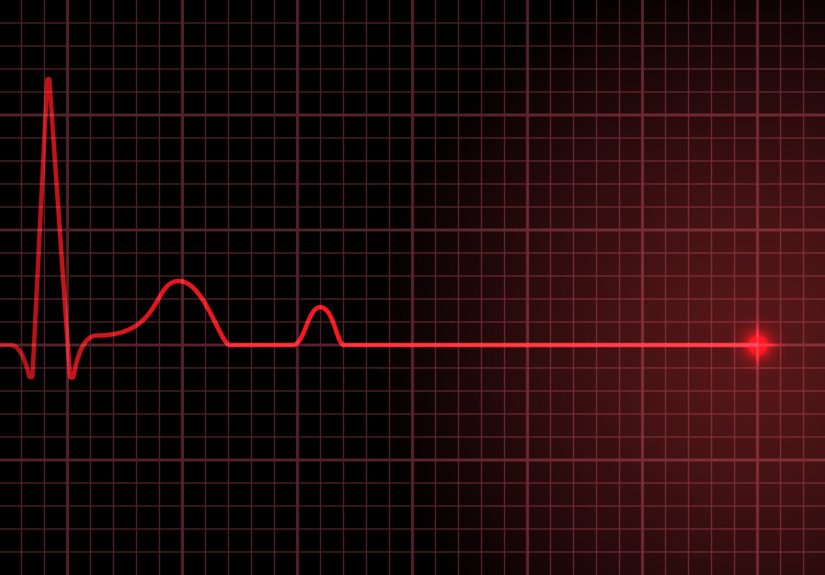
In commotio cordis, a blow lands over the heart during a tiny 20–40 millisecond window on the upslope of the T wavethe part of the heartbeat cycle when the heart’s electrical system is resetting. That impact can knock the heart into a chaotic rhythm called ventricular fibrillation, where the ventricles quiver instead of pumping blood. Without immediate CPR and defibrillation, the person collapses and can die within minutes.
A few important points:
- No underlying heart disease is required. Commotio cordis can occur in people with completely normal hearts.
- It’s very rare. In the United States, only about 10–20 cases are reported each year, most in youth sports.
- It’s often fatal. Historically, commotio cordis has carried a high mortality rate, though survival has improved with wider AED use, with some studies suggesting successful resuscitation in roughly one-third of cases.
- It’s an electrical problem, not a structural one. Victims typically have no broken ribs, no bruised heart muscle, and no blocked arteriesjust a deadly disruption of the rhythm.
Commotio cordis has long been associated primarily with young male athletes in baseball, hockey, lacrosse, and other sports where hard projectiles can strike the chest at high speed. The average age in many case series is around early teens, but adults can be affected as well.
Did Damar Hamlin actually have commotio cordis?
Right after Hamlin’s collapse, doctors and sports medicine experts could only speculate based on the video: a chest impact, brief delay, then sudden collapse from cardiac arrest. That pattern certainly looked like commotio cordis, but nobody could be sure without a full medical workup.
Months later, when Hamlin was cleared to return to football, his care team publicly shared their conclusion: he had suffered commotio cordis. The American Heart Association also noted that Hamlin’s collapse became a widely recognized example of this condition.
A few pieces of evidence line up:
1. The type and timing of the hit
Hamlin took a direct blow to the chest as he tackled Higgins. He stood up, seemed aware, and then collapsed within seconds. That short “stagger, then drop” pattern is classic for sudden cardiac arrest from an electrical cause, including commotio cordis.
2. The absence of public structural heart disease
Commotio cordis is typically not associated with blocked arteries or major structural defects, and public statements have focused on the chest impact and timing rather than pre-existing heart disease. The American Heart Association emphasizes that commotio cordis is not linked to underlying coronary artery disease.
3. The diagnosis from his cardiology team
Ultimately, the most important piece of information is that the specialists who evaluated Hamlinusing cardiac imaging, rhythm monitoring, and months of follow-upfelt confident enough to name commotio cordis as the diagnosis.
Could there be tiny uncertainties? In medicine, there almost always are. But based on what’s been shared, the scenario we saw on national TV is highly consistent with commotio cordis, and that’s the explanation his doctors have endorsed.
Why he survived: CPR, AEDs, and a race against the clock
Here’s the hard truth about commotio cordis: you don’t have minutes to think; you have seconds to act. Once the heart goes into ventricular fibrillation, the clock is ticking. Without circulation to the brain, irreversible damage can begin in a few minutes.
In Hamlin’s case, the emergency response was fast and coordinated. Medical personnel began CPR within seconds, and an AED was used to shock his heart back into a livable rhythm. According to guidance on sudden cardiac arrest, every minute of delay in defibrillation after the first three minutes can reduce survival by about 10%.
That’s why having AEDs on-site and people who know how to use them is such a big deal. The American Heart Association has since used Hamlin’s story as a powerful case study in the importance of:
- Immediate recognition of cardiac arrest
- High-quality chest compressions
- Rapid access to AEDs in stadiums, schools, and community settings
The outcome could easily have been tragic. Instead, Hamlin not only survived, he woke up with intact brain function and ultimately returned to pro footballa remarkable outlier in the commotio cordis statistics.
From ICU to NFL: Damar Hamlin’s remarkable comeback
After being rushed to the hospital that night, Hamlin spent days in intensive care, initially sedated and on a ventilator. Gradually, he was weaned off life support, transferred to a hospital in Buffalo, and eventually discharged home.
In April 2023, doctors cleared him for full football activities. He made the Bills’ roster that season, initially contributing mostly on special teams as he continued to work through physical and mental hurdles. By the 2024 season, he stepped back into a starting role at safety, logging nearly every defensive snap and putting up strong tackle and interception numbers.
This isn’t just a sports miracle; it’s a public health storyline. Hamlin has used his second chance to promote CPR and AED training through his Chasing M’s Foundation, to support legislative efforts like the HEARTS Act to expand access to life-saving equipment in schools, and to partner with heart health advocacy programs.
In his own words, he’s focused on “living urgently” and using his platform to help others facing heart-related conditions. So yes, he’s back to tackling receiversbut he’s also tackling a much bigger mission off the field.
What Hamlin’s cardiac arrest means for football and youth sports
When millions of people watch a young athlete collapse on live TV, it’s natural for parents to ask, “Is footballand sports in generaltoo dangerous?”
A few reality checks:
- Commotio cordis is extremely rare. It’s one of the rarest causes of sudden cardiac arrest in sports, with only a handful of cases reported annually.
- Risk is higher in youth ball sports with projectiles. Baseballs, lacrosse balls, and hockey pucks striking the chest at just the wrong time carry more risk than the kind of shoulder-to-chest contact typical in football, though Hamlin’s case shows it can still occur.
- Preparedness saves lives. The difference between tragedy and survival often comes down to whether bystanders know CPR and have quick access to an AED.
Sports organizations are responding. Governing bodies and medical groups have pushed for:
- Mandatory emergency action plans (EAPs) at practices and games
- CPR and AED training for coaches and staff
- Improved chest protectors and equipment standards, especially in youth baseball and lacrosse
The goal isn’t to wrap athletes in bubble wrap and send everyone home. It’s to keep the real, but small, risks in perspective while taking smart steps to make sports as safe as possible.
So, is commotio cordis to blame?
Based on what we now know, the answer is: Yes, most likely.
Hamlin’s collapse followed the classic pattern for commotio cordisblunt chest impact, brief delay, sudden loss of consciousness from cardiac arrest. His doctors later confirmed that a commotio cordis event was the cause, and major heart organizations now cite his case as a modern, high-profile example of this rare condition.
But focusing only on what caused the arrest misses the bigger lesson. The real headline isn’t just “Rare condition strikes NFL star.” It’s:
“Rapid CPR and defibrillation turn a likely fatal event into a story of survivaland change how we think about emergency preparedness.”
Hamlin’s story doesn’t mean every hit to the chest is a disaster waiting to happen. It does mean every field, stadium, school gym, and community center should take cardiac readiness seriously. If commotio cordis is the villain, CPR-trained bystanders and AEDs are the superheroesand on that Monday night, they showed up.
Real-world experiences and reflections around the Damar Hamlin incident
If you talk to people who were watching the game live, there’s a common thread in their stories: at first, no one realized how serious it was. Fans assumed it was another injury timeout. We’re used to seeing players limp off, ride the cart, or head to the locker room. Seeing a player stand up, then suddenly collapse, broke that mental pattern instantly.
Many viewers describe a surreal moment when they noticed something was different. Instead of the usual shots of coaches drawing up plays, cameras cut to players crying, kneeling, and hugging each other. Commentators’ voices grew quiet. The crowd in Cincinnati went from roaring to whispering. People at home started texting friends and family: “Are you watching this?” It was the collective realization that something far beyond football was unfolding.
For parents of young athletes, especially kids in football, baseball, or hockey, the emotional reaction hit even harder. Social media filled with posts from moms and dads saying they hugged their kids a little tighter that night. Some admitted they’d never really thought about AEDs at their kid’s practice fields. Others shared stories of local leagues where coaches took CPR classes “just in case”and how, after seeing Hamlin’s collapse, those decisions suddenly felt crucial instead of optional.
Coaches and athletic directors have their own behind-the-scenes experiences. Some reported that the day after Hamlin’s cardiac arrest, they pulled out their written emergency action plans and walked through them line by line. Where’s the AED? Who calls 911? Who meets the ambulance at the entrance? It might not be glamorous work, but it’s exactly the kind of preparation that made a difference on that Monday night.
At the college level, some programs responded by offering CPR training not just to staff, but to players themselves. A number of coaches have said that Hamlin’s story made them realize their athletes could just as easily be the first person next to a teammateor a fan in the standswho suddenly collapses. Giving players the skills to start chest compressions and use an AED turns them into potential lifesavers, not just spectators in a crisis.
Healthcare workers, especially emergency physicians, paramedics, and cardiologists, viewed the incident through another lens. For them, the sequencecollapse, rapid CPR, defibrillation, transportmirrored the chain of survival they drill on constantly. Many spoke publicly about how rare it is to see that chain executed so well, so quickly, with the entire world watching. They used Hamlin’s case to emphasize something they’ve been saying for years: sudden cardiac arrest can happen to apparently healthy people, and the difference between life and death is almost always the speed and quality of the response.
There’s also the quieter, more personal side of Hamlin’s journeyone that resonates with anyone who has come back from a major health scare. In interviews since his recovery, Hamlin has talked about fear, anxiety, and the mental challenge of returning to a place where his heart stopped. He’s described learning to live with urgency, appreciating simple moments, and redefining success beyond stats and game highlights.
For people living with heart conditionsor who have loved ones with defibrillators, pacemakers, or a history of cardiac eventsHamlin’s story is more than a sports tale. It’s proof that a cardiac arrest doesn’t have to be the end of the story. With modern medicine, strong support systems, and a lot of courage, it can be a turning point, a new beginning, and even a platform to help others.
In that way, the experience of watching Hamlin collapse and then watching him return to the field creates a strange emotional arc. It starts with fear, moves through uncertainty and collective prayer, and ends with something unexpected: hope. Hope that emergency training works. Hope that rare conditions like commotio cordis don’t always win. And hope that, when tragedy strikes out of nowhere, people can step upon the field, in the stands, and at homeand be ready to save a life.
Final takeaway
Damar Hamlin’s cardiac arrest on Monday Night Football was a shocking reminder that even the strongest, fittest athletes are not invincible. Commotio cordis appears to have been the triggerbut the real story is about preparation, response, and resilience. If there’s one practical thing to take from that night, it’s this: learning CPR and knowing where the nearest AED is located might someday make you the difference between a headline about tragedy and a story of survival.