Table of Contents >> Show >> Hide
- First: are they really “taste buds”?
- Common causes of swollen taste buds (and what they tend to feel like)
- 1) Transient lingual papillitis (aka “lie bumps”)
- 2) Minor trauma: bites, burns, and “why did I eat pizza straight out of the oven?”
- 3) Spicy, acidic, or rough foods
- 4) Allergies and sensitivities
- 5) Dry mouth and dehydration
- 6) Infections (viral, bacterial, and fungal)
- 7) Mouth sores near the bumps (canker sores and irritation spots)
- 8) Reflux and post-nasal drip
- 9) Nutrient deficiencies and anemia (when the tongue is a messenger)
- 10) Longer-lasting conditions: burning mouth syndrome and other tongue changes
- When it’s time to get checked (don’t “power through” these)
- How clinicians diagnose swollen taste buds
- Treatment: what actually helps
- Prevention: fewer flare-ups, more enjoying your food
- Quick FAQ
- Real-life scenarios and experiences (what people commonly notice, and what helped)
- Conclusion
- SEO Tags
Your tongue is usually an “out of sight, out of mind” body partuntil it starts acting like it wants its own reality show.
Suddenly, eating salsa feels like a dare, your favorite chips have edges (rude), and you’re staring in the mirror thinking,
“Are my taste buds…inflating?”
The good news: most “swollen taste buds” are temporary and harmless, often triggered by irritation, minor injury, or dryness.
The better news: there are practical, actually-doable ways to feel better while your tongue calms down. And the best news:
you don’t have to stop enjoying food foreverjust long enough to let your mouth stop filing complaints.
First: are they really “taste buds”?
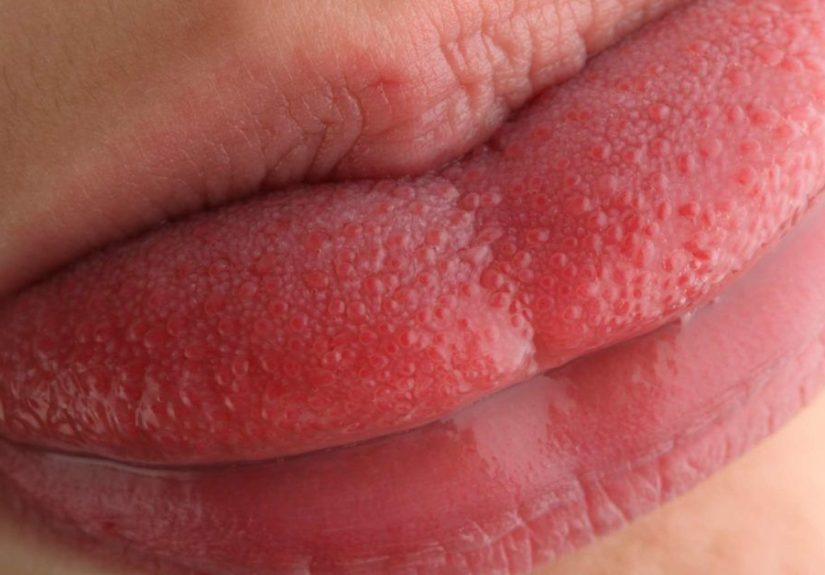
What people call “taste buds” are usually the papillaethe tiny bumps on your tongue that contain
taste buds. When papillae get irritated or inflamed, they can look bigger, redder, whiter, or more noticeable than usual.
That’s why “swollen taste buds” is a popular phrase, even though it’s usually the papillae that are swollen.
Also: not every bump is a taste bud issue. Canker sores, irritation from dental appliances, fungal infections (like thrush),
and other tongue conditions can mimic “swollen taste buds.” The key is the patternhow long it lasts, what it looks/feels like,
and what else is going on in your mouth and body.
Common causes of swollen taste buds (and what they tend to feel like)
1) Transient lingual papillitis (aka “lie bumps”)
This is the classic scenario: small, tender bumpsoften near the tip of the tonguethat show up fast and hurt like they’re
charging rent. The medical name is transient lingual papillitis, and it happens when papillae get irritated.
It’s common, annoying, and usually short-lived.
Common triggers include accidental biting, hot foods/drinks, spicy or acidic foods, friction (hello, crunchy snacks), stress,
and sometimes just…bad luck. Symptoms often settle within a few days.
2) Minor trauma: bites, burns, and “why did I eat pizza straight out of the oven?”
The tongue is fast, flexible, and frequently in the line of fire. A small burn from hot coffee, a bite while chewing,
or irritation from sharp foods can inflame papillae and make bumps more noticeable. If you can point to a specific moment
(“I knew that soup was too hot”), trauma is a prime suspect.
3) Spicy, acidic, or rough foods
Spices and acids can irritate your tongue’s surfaceespecially if you already have tiny abrasions or dryness.
Even healthy foods like citrus can sting if your mouth is feeling sensitive. Texture matters too: tortilla chips,
crusty bread, and “extra toasted” anything can scrape and inflame.
4) Allergies and sensitivities
Some people notice tongue bump swelling with food sensitivities or seasonal allergiessometimes alongside itching,
mild swelling, or irritation in the mouth. (If you have rapid swelling, hives, wheezing, or trouble breathing,
that’s an emergencydon’t wait it out.)
5) Dry mouth and dehydration
Saliva is your mouth’s built-in rinse cycle. When saliva is lowbecause of dehydration, mouth breathing, certain medications,
or health conditionsyour tongue is easier to irritate. Dry mouth can also make your tongue feel “rough,” burny, or extra sensitive.
6) Infections (viral, bacterial, and fungal)
A cold, flu-like illness, or other viral infection can inflame tissues in the mouth and make papillae more noticeable.
Bacterial issues (like gum disease or an infected tooth) can also contribute to mouth irritation.
A big one to know: oral thrush (a yeast/fungal overgrowth). Thrush often shows up as creamy white patches
that may feel sore or leave redness underneath. It’s more common with inhaled steroids, recent antibiotics, dentures,
diabetes, or a weakened immune system.
7) Mouth sores near the bumps (canker sores and irritation spots)
Sometimes what looks like “swollen taste buds” is actually a nearby sore that makes everything feel tender.
Canker sores typically occur on the inside of the mouth and can be triggered by stress, irritation, or nutritional factors.
Even a small sore can make your tongue feel like it’s overreacting (it is).
8) Reflux and post-nasal drip
Acid reflux can irritate the mouth and throat, especially if reflux reaches the upper airway.
Post-nasal drip (often from allergies or sinus issues) can also leave the throat and tongue feeling irritated or coated,
which may make papillae look more prominent.
9) Nutrient deficiencies and anemia (when the tongue is a messenger)
Low iron or low B vitamins (like B12 or folate) can contribute to tongue soreness and inflammation in some people.
In certain cases, the tongue can appear smoother than usual (glossitis) and feel tender or burning.
This doesn’t mean every sore tongue is a deficiencybut persistent symptoms deserve a proper check.
10) Longer-lasting conditions: burning mouth syndrome and other tongue changes
If the main issue is burning, stinging, dryness, or taste changes that persist for weeks or monthsespecially without obvious
visible soresyour clinician might consider burning mouth syndrome. It’s typically diagnosed only after other
causes are ruled out and may be associated with dry mouth or altered taste.
Other tongue conditions (like geographic tongue or inflammatory mouth disorders) can also cause sensitivity, patchiness,
or discomfort. These usually require an exam to identify accurately.
When it’s time to get checked (don’t “power through” these)
Many mild cases improve within a few days. But you should consider seeing a dentist or healthcare professional sooner if:
- A sore or bump lasts longer than 1 week, or keeps returning frequently.
- You have fever, feel generally unwell, or have swollen lymph nodes.
- You notice white patches, persistent redness, or areas that bleed easily.
- There’s significant swelling, worsening pain, or trouble eating/drinking.
- You have trouble swallowing, drooling, voice changes, or any breathing issues (urgent).
- You’re immunocompromised, have uncontrolled diabetes, or recently started antibiotics or inhaled steroids.
How clinicians diagnose swollen taste buds
Diagnosis is usually straightforward: a history plus an oral exam. Expect questions like:
- When did this start, and did it follow a burn, bite, new food, or illness?
- Is it one bump or many? Tip of the tongue or all over?
- Any new mouthwash, toothpaste, whitening strips, vaping/smoking, or dental work?
- Dry mouth? New medications? Recent antibiotics? Inhaler use?
- Any taste changes, burning sensation, or symptoms elsewhere?
Depending on what’s seen, a clinician might recommend:
- Swab/scrape if thrush is suspected.
- Blood tests if deficiency, anemia, or systemic issues are possible.
- Allergy evaluation if reactions are recurring with specific foods.
- Further evaluation (occasionally biopsy) if there’s a persistent lesion that doesn’t heal.
Treatment: what actually helps
The best treatment depends on the cause, but there’s a lot you can do right away to reduce irritation and speed healing.
At-home comfort measures (your tongue’s “spa day”)
- Saltwater rinse: gentle, cheap, and surprisingly effective for soothing irritation.
- Cold therapy: ice chips, cold water, smoothiesanything that cools without burning.
- Choose soft, non-irritating foods: yogurt, oatmeal, eggs, soups (cooled), mashed potatoes.
- Avoid the usual suspects: spicy, acidic, very hot foods/drinks, alcohol, and tobacco.
- Gentle oral hygiene: brush and floss, but don’t scrub your tongue like you’re sanding a deck.
- Hydrate: dry mouth makes everything worse; water is the underrated hero here.
- OTC pain relief: consider acetaminophen or ibuprofen if you can take them safely.
- Non-irritating mouth products: if mint/cinnamon burns, switch to a mild, SLS-free option.
Targeted treatments (when it’s more than irritation)
Transient lingual papillitis (“lie bumps”)
Usually self-resolving. Focus on reducing irritation and letting the bumps calm down.
If you keep getting them, look for patterns: certain snacks, stress, dehydration, aggressive tongue scraping, or
a sharp tooth edge can be repeat offenders.
Oral thrush
Thrush typically requires antifungal medication (prescription). Also address triggers:
rinse your mouth after inhaler use, clean dentures properly, and review recent antibiotics with a clinician.
Allergic reactions
Avoid the trigger food/product and talk with a clinician if reactions are recurring. Mild symptoms may respond to
appropriate OTC allergy medication, but any severe swelling or breathing symptoms need emergency care.
Dry mouth
Increase hydration, consider sugar-free gum/lozenges, and talk with your clinician about medication side effects.
Saliva substitutes can help, and managing nasal congestion can reduce mouth breathing.
Reflux-related irritation
Try reflux-friendly habits: avoid late-night heavy meals, reduce trigger foods (often acidic/spicy/fatty),
and elevate your head during sleep if nighttime reflux is an issue. Persistent symptoms may require medical evaluation
and targeted treatment.
Nutritional deficiencies
Don’t guesstest. If iron, B12, or folate deficiency is found, your clinician can guide treatment and investigate the cause.
Replacing the nutrient often improves tongue symptoms over time, but it’s important to do it safely.
Burning mouth syndrome (BMS)
BMS is typically diagnosed after other causes are ruled out. Treatment is individualized and may include managing dry mouth,
adjusting irritating foods/products, treating underlying conditions if present, and using symptom-targeted therapies.
Many people do best with a combination approach rather than a single “magic fix.”
Prevention: fewer flare-ups, more enjoying your food
- Let hot foods/drinks cool a bit (your tongue doesn’t get a medal for bravery).
- Stay hydratedespecially if you talk a lot, exercise, or live in a dry climate.
- Go easy on harsh mouthwashes and whitening products if you’re sensitive.
- Address sharp tooth edges, rough fillings, or irritating dental appliances.
- Rinse after using inhaled steroids, and keep up with regular dental care.
- Limit tobacco/vaping and alcohol, which can irritate oral tissues.
Quick FAQ
How long do swollen taste buds last?
Many mild cases improve within a few days. If it’s not improving in a week (or it’s getting worse), get it checked.
Are “lie bumps” contagious?
Transient lingual papillitis itself is not considered contagiousit’s typically localized inflammation from irritation.
But infections that irritate the mouth (like certain viruses or thrush) can involve germs, so context matters.
Can stress cause swollen taste buds?
Stress can contribute indirectly by lowering your “irritation threshold,” changing habits (like mouth breathing),
or triggering flare-ups in some people. It’s rarely the only cause, but it can be a helpful clue.
What if it hurts to eat?
Switch temporarily to soft, cool foods and avoid spice/acid/heat. If pain is severe or you can’t stay hydrated,
seek medical advice promptly.
Real-life scenarios and experiences (what people commonly notice, and what helped)
Sometimes the most useful thing is hearing what this looks like in real lifebecause “tongue bump” is a wildly unglamorous
symptom that rarely gets a spotlight. Here are true-to-life patterns that clinicians and dentists hear all the time:
Scenario 1: The “one angry bump” after snack time.
Someone notices a single tender bump near the tip of the tongue after demolishing a bag of salty chips. It hurts most when the
tongue rubs against the teeth, and anything acidic feels like lemon juice on a paper cut. In this situation, the cause is often
simple irritation or a classic “lie bump” flare. What helps: switching to softer foods for a day or two, sipping cool water,
and doing gentle saltwater rinses. The bump usually fades as quickly as it arrivedlike a dramatic guest who leaves early once
ignored.
Scenario 2: The “I burned it, I know I burned it” confession.
A person takes a heroic sip of too-hot coffee and immediately regrets their life choices. A day later, the tongue feels rough,
and several bumps look swollen. This is often a mild thermal burn with inflamed papillae. What helps: cold drinks, avoiding hot
beverages temporarily, and skipping spicy/acidic foods until the surface heals. Think of it like a sunburnexcept it’s on your tongue
and you can’t “just not use it” (tragic).
Scenario 3: The dry-mouth domino effect.
Another person starts a new medication and notices dry mouth plus a sensitive tongue. They wake up with a sticky feeling, drink more
water than usual, and still feel “raw.” Dryness makes the tongue easier to irritate, so bumps can look more prominent. What helps:
hydration spaced throughout the day, sugar-free gum or lozenges, and switching to a gentler toothpaste if mint burns. If dryness is
persistent, it’s worth reviewing medications with a clinicianbecause your tongue shouldn’t have to suffer as a side quest.
Scenario 4: The “white patches” worry spiral.
Someone looks in the mirror and sees white areas on the tongue with soreness and taste changes. They recently finished antibiotics or
use an inhaler. This pattern can fit oral thrush, which often needs antifungal treatment. What helps: getting an exam rather than
trying to scrape it off repeatedly (that usually makes things angrier), rinsing after inhaler use, and following prescribed therapy.
People often feel relief once the cause is identifiedbecause uncertainty is its own kind of discomfort.
Scenario 5: The long-haul burn with no obvious sore.
Another common story is a burning, tingling tongue sensation with dryness and taste changes that linger for weeks, sometimes worse
as the day goes on. The mouth looks mostly normal. After infections, deficiencies, and other causes are ruled out, a clinician may
discuss burning mouth syndrome. What helps can vary: avoiding irritants, treating dry mouth, and sometimes using symptom-targeted
therapies alongside stress management and supportive care. The most important “experience-based” lesson here is that persistent symptoms
deserve a real evaluationbecause feeling stuck is exhausting, and guessing rarely leads to the right fix.
Across these experiences, the biggest pattern is simple: most short-term tongue bumps come from irritation and calm down with gentle care.
But when symptoms persist, recur often, or come with concerning changes (patches, swelling, difficulty swallowing, or systemic symptoms),
getting checked is not overreactingit’s smart maintenance for the only tongue you’ve got.
Conclusion
Swollen “taste buds” are usually inflamed papillaeoften from everyday irritation like spicy foods, accidental bites, burns, dryness,
or minor infections. Most resolve quickly with gentle care: saltwater rinses, cooling foods, hydration, and avoiding irritants.
If symptoms last longer than a week, keep returning, or come with red flags like persistent patches, fever, or swallowing/breathing issues,
it’s time for a professional exam so the real cause can be treated.