Table of Contents >> Show >> Hide
- Cholesterol 101: The 90-Second Crash Course
- Myths vs. Facts: What’s True, What’s Half-True, and What Needs to Retire Already
- Myth #1: “All cholesterol is bad.”
- Myth #2: “If I eat cholesterol, my blood cholesterol automatically goes up.”
- Myth #3: “If the nutrition label says ‘0 cholesterol,’ the food is heart-healthy.”
- Myth #4: “High cholesterol has obvious symptoms, so I’ll know if it’s a problem.”
- Myth #5: “I’m young (or thin), so cholesterol isn’t my issue.”
- Myth #6: “HDL is the ‘good’ cholesterol, so the higher the better.”
- Myth #7: “It’s all about LDL particle size if they’re big, I’m safe.”
- Myth #8: “Coconut oil is heart-healthy because it’s natural.”
- Myth #9: “I can ‘detox’ my cholesterol in a week with a cleanse.”
- Myth #10: “Statins are always dangerous, so nobody should take them.”
- Numbers That Actually Matter: Reading a Lipid Panel Like a Human
- Facts You Can Use: What Helps Lower LDL (and Improve Heart Health Overall)
- When Medication Makes Sense (and What “Sense” Usually Looks Like)
- Real-Life Experiences: What Cholesterol Confusion Looks Like in the Wild (and How People Work Through It)
- Bottom Line: The Cholesterol Truth You Can Build a Plan Around
Educational info only not medical advice. If you’re making changes to your diet, supplements, or medications (especially statins), talk with a clinician who knows your health history.
Cholesterol has a PR problem. It’s been cast as the villain in every heart-health story since forever, yet your body literally builds cells and makes hormones with it.
So why does it also show up in scary lab reports and awkward family group chats (“Uncle Mike’s LDL is doing WHAT?”)?
The answer is: cholesterol is complicated, the internet is louder than it is accurate, and food marketing loves a good loophole.
Let’s clear up the confusion with a myth-busting, fact-checking guide you can actually use without turning your grocery cart into a fear-based obstacle course.
Cholesterol 101: The 90-Second Crash Course
Cholesterol is a waxy, fat-like substance your body uses to build cell membranes, produce hormones, and help make vitamin D and bile acids.
Because cholesterol doesn’t dissolve in blood, it travels in “packages” called lipoproteins.
LDL, HDL, Triglycerides, and Why the Names Matter
- LDL (low-density lipoprotein): Often called “bad” cholesterol because higher LDL levels are linked with plaque buildup in arteries.
- HDL (high-density lipoprotein): Often called “good” cholesterol because it helps transport cholesterol away from arteries to the liver.
- Triglycerides: A type of fat in your blood; high levels (especially with high LDL or low HDL) can raise cardiovascular risk.
- Non-HDL cholesterol: Total cholesterol minus HDL a simple way to estimate all “atherogenic” (plaque-forming) particles.
A typical lipid panel includes total cholesterol, LDL, HDL, and triglycerides. Sometimes clinicians also look at non-HDL cholesterol, ApoB, or lipoprotein(a)
depending on risk, family history, and what’s “hiding” behind normal-looking numbers.
Myths vs. Facts: What’s True, What’s Half-True, and What Needs to Retire Already
Myth #1: “All cholesterol is bad.”
Fact: Your body needs cholesterol the goal isn’t “zero cholesterol,” it’s a healthy balance.
The bigger problem is consistently high levels of LDL and other atherogenic particles that can contribute to plaque buildup (atherosclerosis).
Myth #2: “If I eat cholesterol, my blood cholesterol automatically goes up.”
Fact: For most people, dietary cholesterol (like the cholesterol in eggs) has a smaller effect on blood cholesterol than
saturated fat and trans fat.
Your liver makes a lot of the cholesterol in your blood, and it tends to ramp up production in response to diets high in saturated and trans fats.
Translation: An omelet with vegetables in olive oil is not the same as an “eggs + bacon + buttery biscuit” situation.
Same egg. Totally different supporting cast.
Myth #3: “If the nutrition label says ‘0 cholesterol,’ the food is heart-healthy.”
Fact: A “0 cholesterol” label can still hide a heart-health mess: saturated fat, trans fat, added sugars, and ultra-processed ingredients.
Cholesterol isn’t the only number that matters and sometimes it’s not even the main one.
Example: A cookie can brag about “0 cholesterol” with a straight face while quietly delivering saturated fat and added sugar like it’s getting paid per gram.
Myth #4: “High cholesterol has obvious symptoms, so I’ll know if it’s a problem.”
Fact: High cholesterol is often symptom-free. It’s famously sneaky more “silent roommate” than “fire alarm.”
Many people find out only through routine bloodwork or after a cardiovascular event in the family that triggers testing.
Myth #5: “I’m young (or thin), so cholesterol isn’t my issue.”
Fact: Cholesterol doesn’t check your age before showing up. Genetics can play a big role, and some people inherit conditions like
familial hypercholesterolemia (FH), which can cause very high LDL levels even with a healthy lifestyle.
Also: being thin doesn’t automatically mean your lipid panel is thriving. Diet quality, activity level, smoking, sleep, stress, medical conditions
(like hypothyroidism), and family history all matter.
Myth #6: “HDL is the ‘good’ cholesterol, so the higher the better.”
Fact: HDL is generally protective but more isn’t always infinitely better.
Very high HDL levels can be complicated and may not always translate to lower risk.
Think of HDL less as a “halo” and more as one clue in a bigger risk puzzle.
Myth #7: “It’s all about LDL particle size if they’re big, I’m safe.”
Fact: Particle size can be part of the story, but it doesn’t override the basics.
Most major guidelines still focus on LDL-C and overall cardiovascular risk, and many clinicians also use
non-HDL cholesterol or ApoB to estimate the number of atherogenic particles.
If you’ve ever heard someone say, “My LDL is fine because the particles are fluffy,” please know that arteries do not care about fluffiness.
They care about how much atherogenic traffic is moving through them, year after year.
Myth #8: “Coconut oil is heart-healthy because it’s natural.”
Fact: “Natural” is not a medical category. Coconut oil is high in saturated fat, and saturated fat can raise LDL cholesterol in many people.
If you love coconut flavor, you don’t have to ban it forever just treat it like dessert, not a daily vitamin.
Myth #9: “I can ‘detox’ my cholesterol in a week with a cleanse.”
Fact: Your liver and kidneys already run detox operations 24/7, no influencer discount code required.
Cholesterol management is usually about consistent habits: what you eat most days, how often you move, your sleep, and for some people medication.
Myth #10: “Statins are always dangerous, so nobody should take them.”
Fact: Statins are among the most studied medications in cardiovascular prevention.
They’re not for everyone, and they can have side effects but for people at higher risk, they can meaningfully reduce the chance of heart attack and stroke.
The decision should be individualized, not made by a scary story your cousin shared at 1:00 a.m.
Numbers That Actually Matter: Reading a Lipid Panel Like a Human
Many people get stuck on total cholesterol, but total cholesterol is like a movie rating with no plot summary.
The more useful questions are:
- Is LDL elevated?
- Is non-HDL cholesterol elevated (especially if triglycerides are high)?
- Are triglycerides high?
- How do these numbers fit with blood pressure, diabetes status, smoking, family history, and age?
Risk-Based Care: Why Your Friend’s “Goal LDL” Might Not Be Your Goal
Modern cholesterol care is often risk-based, meaning the “right” plan depends on overall cardiovascular risk, not a single number.
A clinician might consider:
- Age and sex
- Blood pressure
- Diabetes status
- Smoking
- Family history of early heart disease
- Very high LDL (which can suggest FH)
When risk is unclear, some clinicians use coronary artery calcium (CAC) scoring to help decide whether medication like statins makes sense.
Think of CAC as a “plaque receipt” not perfect, but sometimes helpful when you’re stuck between “maybe” and “probably.”
Facts You Can Use: What Helps Lower LDL (and Improve Heart Health Overall)
1) Swap the Fats (No, Not Your Body Fats the Ones in Your Pantry)
One of the most reliable diet moves is replacing saturated fats with unsaturated fats.
That often means using olive/canola/soybean oils, eating nuts and seeds, choosing avocado, and prioritizing fatty fish
while cutting back on butter-heavy, cream-heavy, and processed-meat-heavy patterns.
Bonus: this is also the kind of change you can actually keep doing, because it doesn’t require you to eat plain lettuce in the dark like a Victorian orphan.
2) Aim for More Soluble Fiber
Soluble fiber helps lower LDL by binding bile acids (which are made from cholesterol) and helping remove them from the body.
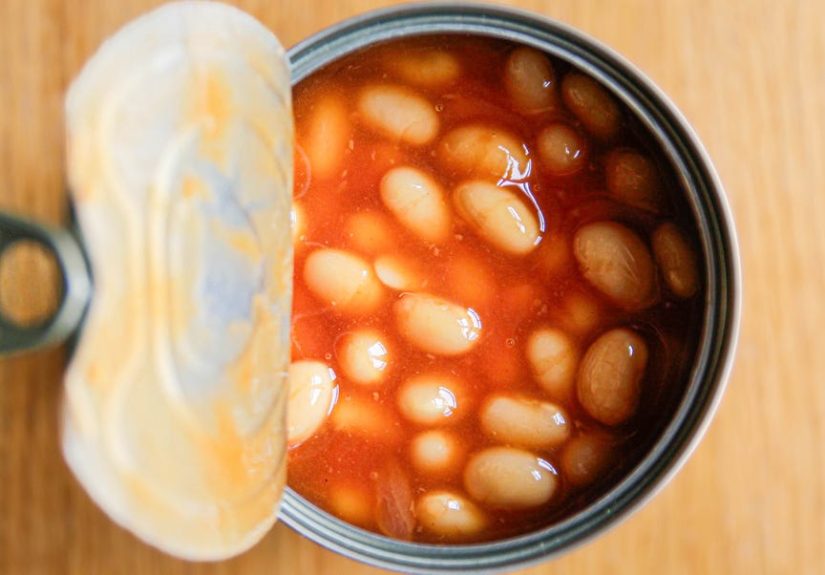
Practical sources include oats, beans, lentils, apples, citrus, barley, and psyllium.
Specific example: If breakfast is currently “nothing + coffee,” adding oatmeal with berries and a spoon of chia can be a real LDL-friendly upgrade.
3) Move Your Body in a Way You’ll Repeat
Regular physical activity can help improve triglycerides, support HDL, and improve overall cardiovascular health.
The best workout is the one you’ll keep doing: brisk walking, biking, swimming, strength training, dance breaks in your kitchen it all counts.
4) Don’t Ignore Sleep, Smoking, and Alcohol
Sleep quality and quantity matter more than people think, and smoking can lower HDL and raise cardiovascular risk.
If you drink alcohol, moderation matters and if triglycerides are high, alcohol can be a big contributor.
5) Treat the “Hidden” Causes
Sometimes cholesterol is a clue that something else is going on: hypothyroidism, uncontrolled diabetes, kidney disease, certain medications,
or genetic patterns. That’s why a clinician might recheck levels, ask about family history, or order additional labs.
When Medication Makes Sense (and What “Sense” Usually Looks Like)
Lifestyle changes are foundational, but they’re not always enough especially with genetics or higher baseline risk.
For adults at increased cardiovascular risk, guidelines often recommend discussing statins, and decisions typically weigh:
expected benefit, side effects, personal preferences, and risk level.
Common Statin Concerns, Explained Without Drama
- Muscle symptoms: Some people get aches; many do not. If symptoms occur, clinicians can adjust dose, switch statins, or check for other causes.
- Liver worries: Serious liver injury is uncommon; clinicians may check labs when appropriate.
- “I want to do it naturally”: Totally valid goal but “natural” can include genetics you didn’t order. Medication can be a tool, not a moral failure.
Real-Life Experiences: What Cholesterol Confusion Looks Like in the Wild (and How People Work Through It)
Facts are helpful, but real life is where cholesterol myths really flourish usually next to the salad bar and inside family text threads.
Here are a few common experiences people share, plus what actually helps. (These are composite scenarios based on patterns clinicians and patients often describe.)
Experience #1: “My labs were ‘bad’… but I eat pretty healthy?”
A lot of people expect cholesterol to behave like a points system: eat salad, earn good LDL.
So when a “mostly healthy eater” gets a surprise high LDL result, it can feel unfair like being grounded for a crime you didn’t commit.
What often happens next is a frantic week of Google searches, followed by a dramatic pantry purge (“Goodbye, cheese. Goodbye, joy.”).
But the more useful path is usually calmer: look at patterns, not perfection.
People often discover that their “healthy” routine still includes regular saturated fat sources (butter in coffee, coconut oil everything,
lots of cheese, fatty red meats), or that fiber is lower than they thought.
The win isn’t becoming a monk. The win is targeted tweaks:
switching to unsaturated fats for cooking, adding oats/beans more often, and building meals around plants plus lean proteins.
Many people also learn that weight, sleep, and stress influence the bigger cardiovascular picture and that cholesterol isn’t a personal referendum.
Experience #2: “My friend says eggs are evil. Another friend says eggs are basically medicine.”
Welcome to nutrition discourse, where every food is either a villain or a superhero and nobody is allowed to be… a food.
Eggs are a perfect example: they contain dietary cholesterol, but they’re also nutrient-dense and relatively low in saturated fat.
For many people, eggs can fit fine in a heart-healthy pattern especially when the rest of the plate is supportive.
In real life, people often notice that the issue isn’t the egg it’s the entourage:
bacon, sausage, buttered toast, and “coffee” that’s 40% creamer.
A practical compromise many people land on is: enjoy eggs, prioritize cooking methods that don’t add a ton of saturated fat, and pair them with fiber.
Think veggie omelet + fruit, not “breakfast stack of regret.”
Experience #3: “My doctor mentioned statins and I panicked.”
This is extremely common. The word “statin” can feel like a label: “Congratulations, you are now Officially Old.”
Or it can trigger fears about side effects often because someone online described a worst-case experience with the intensity of a movie trailer.
In real conversations, many people feel better after asking three grounded questions:
- What’s my actual risk? (Not vibes numbers, family history, and medical context.)
- What benefit would a statin realistically give me? (Absolute risk reduction matters more than scary percentages.)
- What’s the plan if I get side effects? (Dose changes, switching options, and follow-up are normal.)
People who do well long-term usually treat medication like any other tool:
helpful for some, unnecessary for others, and most effective when paired with lifestyle basics.
The “best” plan is the one you can stick with and the one built with a clinician who takes your concerns seriously.
Bottom Line: The Cholesterol Truth You Can Build a Plan Around
Cholesterol isn’t a fairy tale where the villain is always “fat” and the hero is always “low cholesterol.”
The facts are more practical:
LDL and other atherogenic particles matter, risk is personal, diet quality beats diet fear, and habits add up.
If you remember nothing else, remember this: focus less on single foods and more on your overall pattern
more fiber-rich plants, more unsaturated fats, fewer trans fats, fewer saturated-fat-heavy routines, and regular movement.
Then use your lab results as information not a verdict.