Table of Contents >> Show >> Hide
- Can You Drink Wine on a Keto Diet?
- 12 Best Keto Diet Wines and Champagnes
- 1. Brut Nature Champagne (0–1 g carbs per glass)
- 2. Brut Champagne (1–2 g carbs per glass)
- 3. Extra Brut or Extra Dry Sparkling Wine
- 4. Dry Prosecco (Brut Prosecco)
- 5. Cava Brut (Spanish Sparkling Wine)
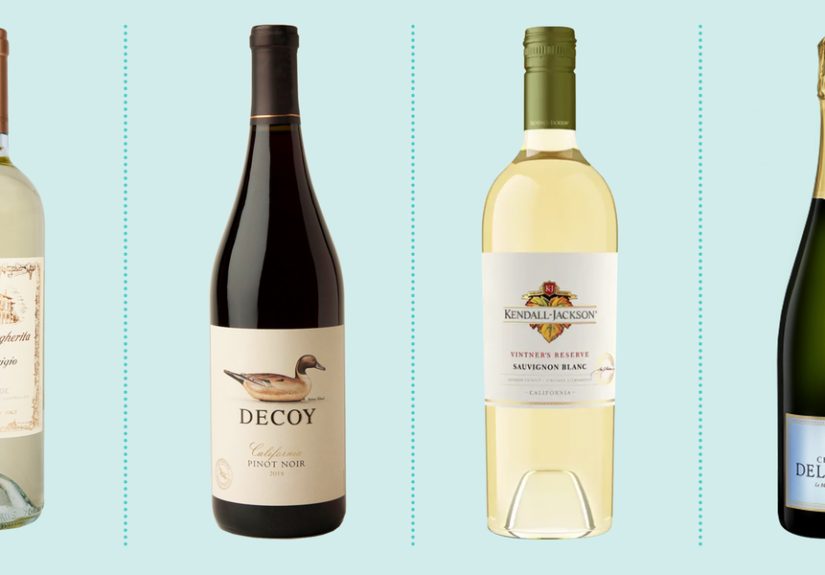
- 6. Sauvignon Blanc (about 3 g carbs per glass)
- 7. Pinot Grigio / Pinot Gris (~3 g carbs per glass)
- 8. Chardonnay (3–3.5 g carbs per glass)
- 9. Dry Rosé (2.5–3 g carbs per glass)
- 10. Pinot Noir (3.5–4 g carbs per glass)
- 11. Cabernet Sauvignon (about 3.5–4 g carbs per glass)
- 12. Dry Riesling (Trocken or “Dry” on the label)
- How to Choose Keto-Friendly Wine (Without a Nutrition Label)
- How Much Wine Can You Drink on Keto?
- Common Wine Mistakes That Kick You Out of Ketosis
- Real-Life Experiences with Keto Wine: What It’s Actually Like
- Final Thoughts: Yes, You Can Be Keto and Still Love Wine
Surprise: your keto lifestyle and your love of wine do not have to break up.
You just need to stop inviting sugar-bomb sangria and dessert wines to the party. The good news
is that many wines and dry champagnes are naturally low in carbs, so you can still enjoy a glass
(or two) without blowing your daily net carb budget.
In this guide, we’ll walk through the basics of wine on a keto diet, then highlight
12 of the best keto-friendly wines and sparkling optionsincluding dry reds,
crisp whites, and bubbly champagnes that keep carbs in check. You’ll also get real-life tips
and experiences from keto drinkers so you know what to expect when wine and ketosis meet.
Quick note: This article is for adults of legal drinking age. Always drink responsibly.
Can You Drink Wine on a Keto Diet?
A classic keto diet typically limits total carbs to about 20–50 grams per day. The trick with
alcohol is that even “low-carb” drinks still cost you a few grams. The key is choosing wines
where most of the grape sugar has been fermented into alcohol, leaving very little residual sugar.
Most dry table wines fall in the range of about 1–4 grams of carbs per 5-ounce (150 mL) glass,
while sweeter wines can easily jump to 8–20 grams or more per serving. Dry sparkling wines like
brut Champagne are often on the very low end, sometimes close to 1 gram per glass. That’s why
keto experts and wine pros tend to recommend dry styles over sweet or dessert wines.
Basic Rules for Keto-Friendly Wine
- Choose dry, not sweet. Words like “brut,” “extra brut,” “secco,” “dry,” or “trocken” usually mean much less residual sugar.
- Limit serving size. Most carb calculations are for a 5-ounce pour. A restaurant “heavy pour” doubles your carbs.
- Avoid dessert wines and wine coolers. Ports, sherries, sweet Rieslings, Moscato, and ready-to-drink wine cocktails are typically very high in sugar.
- Watch mixers. Wine itself might be fine; adding juice, soda, or simple syrup is not.
12 Best Keto Diet Wines and Champagnes
Below are 12 wine styles and examples that tend to be more keto-friendly. Carb counts are approximate
and can vary by brand, region, and vintage. When in doubt, check the winery’s nutrition info or
choose the driest style available.
1. Brut Nature Champagne (0–1 g carbs per glass)
If keto had an official celebration drink, it would be Brut Nature Champagne. This is the
driest style of Champagne, with virtually no added sugar (“dosage”) and as little as 0–1 gram of carbs
per 5-ounce serving. You get all the elegancefine bubbles, toasty notes, high aciditywithout
sabotaging your macros.
Look for labels marked “Brut Nature” or sometimes “Zero Dosage.” These are perfect for
New Year’s Eve, weddings, or Friday nights when you survived another week of meal prep.
2. Brut Champagne (1–2 g carbs per glass)
Classic Brut Champagne is slightly less austere than Brut Nature but still very low in carbsoften
around 1–2 grams per 5 ounces. The small amount of added sugar balances the sharp acidity without
turning it sweet.
Big-name non-vintage Brut bottlings from well-known houses are typically a safe keto-adjacent pick.
Pair with oysters, sashimi, or simple roasted chicken for a restaurant-level experience at home.
3. Extra Brut or Extra Dry Sparkling Wine
Not every bubbly has to be from Champagne to be keto-friendly. Extra Brut or some
Extra Dry sparkling wines from regions like Cava (Spain) or other French and Italian areas
can land in the very low carb rangestill typically around 1–3 grams per glass when made in a dry style.
These are ideal choices when you want bubbles on a budget. Just make sure the label says “Brut,”
“Extra Brut,” or “Extra Dry,” not “Demi-Sec” or “Doux,” which indicate much sweeter wines.
4. Dry Prosecco (Brut Prosecco)
Prosecco gets a reputation for being a brunch crowd-pleaser, but dry Proseccolabeled
“Brut Prosecco”can be quite keto-friendly, often in the ballpark of
1–3 grams of carbs per 5-ounce glass when it’s on the drier side.
Use it for keto-friendly mimosas by topping with a small splash of fresh lemon or orange peel
instead of a full glass of orange juice. You still get a festive feel, just without the sugar crash.
5. Cava Brut (Spanish Sparkling Wine)
Cava is Spain’s answer to Champagne, and the Brut styles are generally made
very dry. Like Champagne, many Brut Cavas fall in the 1–3 grams of carbs per glass range, making them
excellent sparkling options for keto drinkers.
Cava also tends to be more affordable than Champagne, so it’s a great “everyday bubbles” choice when
you want sparkle without the splurgeor the carbs.
6. Sauvignon Blanc (about 3 g carbs per glass)
Sauvignon Blanc is the overachiever of keto-friendly white wines. Despite its bright,
sometimes fruity aromas, a dry Sauvignon Blanc typically contains around 3 grams of carbs per 5-ounce
serving. It’s crisp, zesty, and refreshingly low in sugar.
Look for bottles from regions known for dry stylesNew Zealand, California, or the Loire Valley in France.
Pair it with grilled fish, salads, or creamy keto shrimp dishes to cut through richness and keep your
palate awake.
7. Pinot Grigio / Pinot Gris (~3 g carbs per glass)
Dry Pinot Grigio is another keto-friendly white favorite. Many dry versions hover around
3 grams of carbs per 5-ounce pour, similar to Sauvignon Blanc, especially from Italy or other regions
that favor lighter, crisper styles.
This is a great “house wine” for keto: easy to drink, widely available, and versatile with foodeverything
from zucchini noodles with pesto to a simple roasted chicken and veggies.
8. Chardonnay (3–3.5 g carbs per glass)
Chardonnay can be keto-friendly as long as you stick to dry versions. A typical dry Chardonnay
lands around 3–3.5 grams of carbs per 5 ounces. Oaked styles bring buttery, vanilla, and toasty notes,
while unoaked versions stay crisp and citrusy.
If you’re pairing with richer keto disheslike creamy chicken, salmon with herb butter, or cauliflower alfredo
Chardonnay is a natural partner. Just avoid sweetened or “off-dry” versions.
9. Dry Rosé (2.5–3 g carbs per glass)
Rosé doesn’t have to be sugary. Dry rosé, especially from Provence or other European regions,
usually clocks in around 2.5–3 grams of carbs per glass. You get bright red fruit flavors, a little
floral character, and refreshing aciditywithout dessert-level sugar.
Look for clues like “dry,” “brut,” or French/European appellations known for bone-dry rosé. When in doubt,
ask your wine shop for a dry rosé rather than a “sweet blush” wine.
10. Pinot Noir (3.5–4 g carbs per glass)
If you’re a red wine lover, Pinot Noir is one of the friendliest options for a keto diet.
Among popular red varietals, Pinot Noir often lands on the lower-carb sideroughly 3.5–4 grams of carbs
per 5-ounce glass in many dry bottlings.
Pinot Noir is also relatively light-bodied compared with other reds, making it easier to pair with lighter
keto meals like roasted chicken, seared salmon, or veggie-heavy dishes.
11. Cabernet Sauvignon (about 3.5–4 g carbs per glass)
Cabernet Sauvignon is bolder than Pinot Noir but can still work in a keto lifestyle when you choose
a dry, non-sweet style and keep portions modest. Many dry Cabs fall around 3.5–4 grams of carbs per 5-ounce
serving.
It’s a great match for higher-fat keto meals like ribeye steak, lamb chops, or bunless gourmet burgers.
Be cautious with mass-market “red blends” labeled as “smooth” or “sweet”they may carry considerably more sugar.
12. Dry Riesling (Trocken or “Dry” on the label)
Riesling has a reputation for being sweet, but dry Rieslingoften labeled “Trocken” in Germany
or explicitly “Dry Riesling” on the labelcan be surprisingly low in sugar, especially at the drier end of
the spectrum.
Carb counts vary more widely here, so this is a style where label-reading and producer research matter.
But a well-made dry Riesling offers bright acidity, citrus, stone fruit, and minerality with a reasonable
carb load, making it a nice “special interest” option for keto wine fans.
How to Choose Keto-Friendly Wine (Without a Nutrition Label)
Most wine bottles don’t list carbs, which is… less than helpful when you’re counting every gram. These
shortcuts can help:
- Prioritize dryness. Terms like “Brut,” “Extra Brut,” “Dry,” “Secco,” or “Trocken” are your friends.
- Skip obviously sweet styles. Moscato, dessert wines, ice wine, Port, Sherry, sweet Lambrusco, and many “late harvest” wines are carb heavy.
- Choose European wines if in doubt. Old World regions (France, Spain, Italy) often favor drier styles with less residual sugar.
- Avoid flavored wines and wine cocktails. Anything with added fruit flavor, cream, or soda is likely high in sugar.
- Ask the shop staff. Good wine shops can suggest low-sugar bottles and sometimes even provide lab-tested sugar info.
How Much Wine Can You Drink on Keto?
“Keto-friendly” doesn’t mean “carb-free” or “hangover-proof.” A couple of practical guidelines:
- Stick to 1–2 glasses. One 5-ounce pour of dry wine is often 2–4 grams of carbs; two glasses can still fit in many keto plans, but three or more starts to add up.
- Never drink on an empty stomach. Pair wine with a high-fat, low-carb meal or snack (cheese, olives, nuts, charcuterie) to blunt the blood-sugar impact.
- Expect lower alcohol tolerance. Many people notice they get tipsy faster once they’re keto-adapted. Go slow, sip water between glasses, and know your limits.
Common Wine Mistakes That Kick You Out of Ketosis
- Ordering “the house rosé” without asking if it’s dry. Some are very sweet.
- Adding sugary mixers. Turning Prosecco into a full OJ mimosa or using soda in wine spritzers can triple or quadruple carbs fast.
- Buying “smooth red blends” marketed as easy-drinking. These sometimes have extra residual sugar to taste softer and more “juicy.”
- Ignoring pour size. A heavy 8–10 ounce restaurant pour can double your carb intake compared with the standard 5 ounces.
Real-Life Experiences with Keto Wine: What It’s Actually Like
Reading carb charts is one thing; living keto life with wine in the mix is another. Here are some
common experiences people report when they combine keto diets with wine and champagne.
Finding Your New “House Wine”
Many keto drinkers start by mourning their favorite sweet Moscato or big jammy Zinfandeland then discover
that dry wines actually pair better with food and cause fewer energy crashes. After a few weeks of sticking
to dry Sauvignon Blanc, Pinot Grigio, or Brut bubbly, the old sugary bottles often taste cloying and heavy.
A lot of people end up with one reliable white and one reliable red they keep on hand at all times, plus a
bottle of Brut bubbly in the fridge “just in case” there’s something to celebrate (or they want there to be).
How Keto Changes Your Buzz
Another common observation: alcohol hits harder on keto. With fewer glycogen stores and
different metabolic pathways at play, some people feel tipsy after a single glass of wine when they used
to handle two or three. That’s not a bugit can be a feature, as long as you respect it.
Practically speaking, that might mean sipping your wine more slowly, pairing it with a substantial meal,
and planning not to drive after even one generous pour. It can also mean better sleep if you cut yourself
off earlier in the evening instead of nursing a bottle all night.
Wine, Weight Loss, and Stalls
When weight loss slows down, keto fans often look suspiciously at their evening glass of wine. For some,
simply cutting back from daily wine to two or three nights a week helps break through a plateau. For others,
switching from sweeter wines to strictly dry varieties plus keeping it to one glass is enough.
Remember: your body will prioritize metabolizing alcohol before it burns stored fat. That doesn’t mean wine
is “forbidden” on keto, but it does mean your fat loss might be slightly slower if you drink frequentlyeven
if your carb count stays low. It’s a trade-off you can consciously choose.
Social Life and Smart Swaps
Social events are where keto-friendly wine really shines. At a party or restaurant, it’s often far easier
to find a glass of dry red, white, or sparkling wine than a genuinely low-carb cocktail. Instead of
sugary margaritas or heavy beers, many keto drinkers default to Brut Champagne, Sauvignon Blanc, or
Pinot Noir as their “social sipper.”
One practical strategy: offer to bring a bottle you know is dry when you’re invited somewhere. That way
you’re not stuck with only sweet options, and your host will probably be delighted you contributed. If
you show up with a nicely chilled Brut Prosecco or a crisp Sauvignon Blanc, nobody will complain.
Building a Keto-Friendly Wine Ritual
The rituals around winechoosing the bottle, using real glasses, pairing with food, slowing down to savor
can actually support a healthier mindset around both eating and drinking. Many people on keto find that
a single thoughtfully poured glass feels more satisfying than a couple of mindless ones.
Try turning your wine time into a small ritual: pour a measured 5-ounce glass, sit down with your meal
(not your phone), and drink slowly. Notice the acidity, the aroma, the way it changes with food. You’ll
likely enjoy it more, while keeping both your macros and your goals intact.
Final Thoughts: Yes, You Can Be Keto and Still Love Wine
You don’t have to choose between a keto diet and a good glass of wine or champagne.
By leaning into dry styles like Brut Nature or Brut Champagne, crisp Sauvignon Blanc, Pinot Grigio, dry rosé,
Pinot Noir, and other low-sugar reds, you can keep your carb count low without giving up the pleasure of wine.
Focus on dry, well-made wines, modest portions, and smart pairing, and wine can fit comfortably
into your keto lifestylewhether you’re celebrating a big milestone or just toasting the fact that your
macros were on point today.