Table of Contents >> Show >> Hide
- What “Icy Conditions” Really Demand (Hint: It’s Not Just More Horsepower)
- Quick Match: Which Brand Fits Your Winter Reality?
- The Best Snow Blower Brands for Winter and Ice
- 1) Toro: User-Friendly Power That Doesn’t Forget the Details
- 2) Ariens: The “Built Like a Tank” Reputation (and It Earned It)
- 3) Honda: Premium Performance, Especially in Track-Drive Models
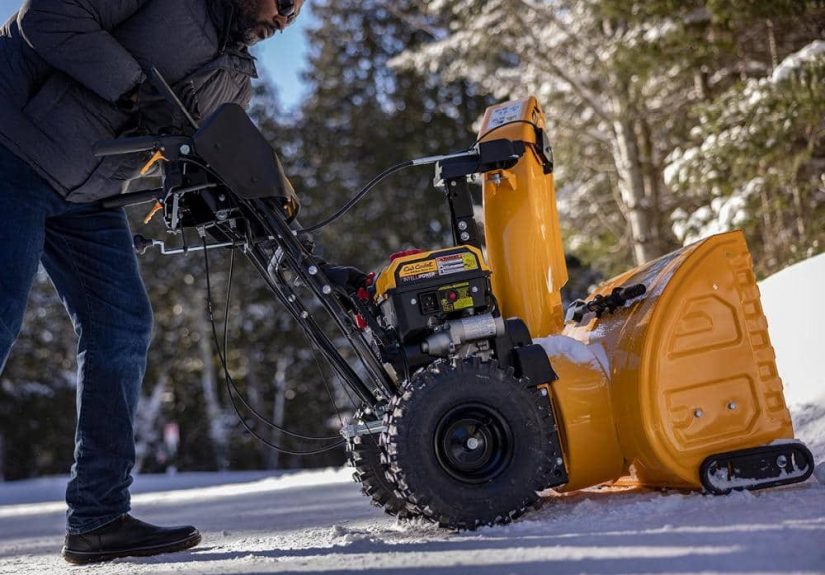
- 4) Cub Cadet: Strong Two-Stage and Three-Stage Choices for Deep Snow
- 5) Husqvarna: Premium Gas Options and a Solid Winter Footprint
- 6) EGO Power+: Battery Convenience That’s Getting Seriously Capable
- 7) Greenworks: A Broad Electric Line with Good Value Options
- 8) Ryobi: Electric Innovation and Convenient Features
- 9) Snow Joe: Budget-Friendly Options for Lighter Snow (and Smaller Spaces)
- 10) Craftsman and Other Mainstream Brands: Watch the Specific Model
- How to Choose the Right Brand for Your Driveway (Without Regretting It in January)
- Maintenance Tips That Make Any Brand Work Better in Ice
- Real-World Experiences: What Winter Teaches You After the First Big Storm (500+ Words)
- Conclusion
Winter has two personalities: the pretty postcard version (powdery snowflakes drifting down) and the “why is my driveway a frozen lasagna?” version
(wind-packed drifts, plow berms, and ice that laughs at your shovel). If you live where storms stack up, temperatures stay low, and the end-of-driveway
pile turns into a concrete curb overnight, the brand you choose mattersbecause build quality, traction, chute control, and reliability
determine whether you’re clearing snow… or just taking your machine for a sad walk outside.
This guide breaks down the snow blower brands that consistently earn strong marks in testing, owner surveys, and hands-on reviews across reputable
U.S. publications and consumer organizations. We’ll focus on what actually helps in icy conditions: tough augers and gearboxes, serious traction,
smart chute controls, enough power to chew through plow piles, and design details that keep you moving when the weather is trying to cancel your day.
What “Icy Conditions” Really Demand (Hint: It’s Not Just More Horsepower)
Ice and compacted snow are different beasts than fluffy snowfall. In many neighborhoods, the hardest part isn’t the drivewayit’s the dense berm left
by a snowplow. Reviews and buying guides repeatedly emphasize that heavier, wetter, or packed snow typically calls for a two-stage
or even three-stage design, plus real traction and durable components.
Key features that help when snow turns mean
-
Two-stage or three-stage clearing systems: A metal auger gathers snow and feeds an impeller that throws it farther and faster.
Three-stage systems add an accelerator to move snow quicklyhandy in deep, heavy accumulation. -
Strong traction: Bigger tires, aggressive tread, differential/auto-turn steering, or track drive for slopes and
icy patches. -
Chute control you can adjust on the fly: Quick, precise direction and deflection adjustments reduce clogging and help you “aim”
dense snow where you want it. -
Build quality in the auger housing and drivetrain: Steel housings, solid gearcases, and proven transmissions matter when you hit
hard, frozen ridges. - Cold-friendly starting and comfort: Electric start, heated grips, and intuitive controls reduce the odds you quit before the storm does.
Quick Match: Which Brand Fits Your Winter Reality?
Before we dive into the brands, here’s the simplest rule: pick the brand that best matches your snow type and your driveway size.
A legendary machine is still the wrong choice if it’s too small (you’ll struggle) or too big (you’ll hate using it and “forget” to clear snow until it’s ice).
- Heavy snow + plow berms + long driveways: Ariens, Toro, Cub Cadet (two/three-stage options), Honda (premium)
- Hills, steep slopes, icy surfaces: Honda track-drive, select Ariens/Toro models with strong traction and steering features
- Medium driveway, frequent storms, want balance: Toro and Ariens are classic “workhorse” picks
- Battery power but still serious capacity: EGO, Toro cordless lines, Greenworks, Ryobi (model-dependent)
- Light-to-moderate snowfall, smaller areas, budget focus: Snow Joe, some Greenworks/Ryobi single-stage models
The Best Snow Blower Brands for Winter and Ice
These brands show up again and again in U.S. testing roundups and consumer surveys, with specific praise for durability, performance, and real-world usability.
The goal here isn’t “brand loyalty”it’s “I would like to keep my Saturday.”
1) Toro: User-Friendly Power That Doesn’t Forget the Details
Toro is frequently praised for strong performance, easy controls, and broad model coveragefrom single-stage units for smaller spaces to capable
two-stage machines that handle plow piles and heavier snow. Test-driven lists often call out Toro’s ability to throw snow far, adjust the chute quickly,
and keep the workflow smooth (which matters when you’re clearing dense, icy mess at the end of the driveway).
Why Toro works in icy conditions: Many Toro two-stage models are built for heavy-duty throwing performance, and reviewers highlight
the combination of sturdy construction and intuitive controls. If you value a machine that feels “obvious” to operate even with thick gloves and a
face full of wind, Toro is a safe bet.
Best for: Most homeowners who want a reliable brand with options across driveway sizesespecially if you want a smoother learning curve.
2) Ariens: The “Built Like a Tank” Reputation (and It Earned It)
Ariens is the brand people mention when they say, “I want something that lasts.” It’s repeatedly highlighted in testing and buying roundups for
rugged construction, strong two-stage performance, and confidence in deeper snow. In icy conditions, that sturdiness helps: packed berms and refrozen
ridges punish weak housings and flimsy components.
Why Ariens shines for plow piles: Strong two-stage offerings, durable feel, and designs that focus on getting through heavy accumulation
without acting dramatic about it.
Best for: Heavy snow regions, large driveways, and anyone who wants a “keep it for years” machine.
3) Honda: Premium Performance, Especially in Track-Drive Models
Honda snow blowers are often treated like the luxury SUV of winter equipment: expensive, exceptionally well-regarded, and built to perform in punishing
conditions. Where Honda really stands out for icy scenarios is tractionespecially track-drive models that hold their line on slopes and
keep moving when wheels might spin.
Why Honda matters for ice: When conditions are slippery, traction is king. Track-drive designs can feel planted, which is exactly what
you want when the driveway is polished like a hockey rink.
Best for: Steep driveways, frequent ice, and homeowners who’d rather pay more once than fight equipment every storm.
4) Cub Cadet: Strong Two-Stage and Three-Stage Choices for Deep Snow
Cub Cadet is commonly listed among top brands for buyers who face serious winter conditions and want options, including three-stage machines designed
for moving snow quickly in deeper accumulation. If your driveway gets hammered and the plow berm is the final boss, a larger frame and higher-capacity
design can be a game-changer.
Why it works in rough winters: Model variety and capacity. Three-stage systems are built to process heavy snow efficiently, which can
help when storms stack and the snow gets dense.
Best for: Heavy snowfall areas and larger properties where speed and capacity matter.
5) Husqvarna: Premium Gas Options and a Solid Winter Footprint
Husqvarna is often described as a premium brand in buying guides, with gas snow blowers that compete in the mid-to-high range. In icy conditions,
what you’re paying for is typically sturdier construction, confident throwing performance, and features geared toward more demanding use.
Best for: Buyers who want a premium-feeling gas machine and prefer established outdoor power equipment brands.
6) EGO Power+: Battery Convenience That’s Getting Seriously Capable
Battery snow blowers used to be “cute” (in the way a toy truck is cute). That’s changing fast. EGO is frequently highlighted in electric-snow-blower
roundups for pushing cordless performance into more realistic driveway territoryespecially with dual-battery systems and wider clearing paths.
Where EGO fits for ice: If your “icy” problem is frequent light-to-moderate storms that refreeze, EGO can help you clear early and often
without dealing with gas maintenance. The key is to match the model to your workload and plan for battery runtime in cold weather.
Best for: Homeowners who want cordless convenience and can invest in a system with enough battery capacity for their driveway.
7) Greenworks: A Broad Electric Line with Good Value Options
Greenworks appears regularly in “best electric snow blower” coverage because the brand offers a wide range of battery platforms and price points.
Some reviewers position Greenworks as a practical pick for buyers committed to electric but living where snow is still a real thing.
Best for: Value-driven electric buyersespecially if you already own compatible tools in the same battery ecosystem.
8) Ryobi: Electric Innovation and Convenient Features
Ryobi is often mentioned among electric roundups as manufacturers keep improving cordless designs. Ryobi’s appeal is frequently convenience and “ease of
living” featuresuseful if you want a simpler start-and-go experience and you’re staying within the limits of what battery power can handle in your region.
Best for: Homeowners who want electric convenience and are careful to choose a model sized for their snowfall and driveway.
9) Snow Joe: Budget-Friendly Options for Lighter Snow (and Smaller Spaces)
Snow Joe often lands on lists for budget and small-space needs, including corded and cordless options. This can be a smart buy if you’re clearing decks,
walkways, or a smaller drivewayespecially if your area doesn’t regularly dump heavy, wet snow.
Ice reality check: If you’re dealing with thick plow berms or frequent heavy storms, a budget electric unit may struggle. But for lighter
snowfall and routine clearing before things refreeze, Snow Joe can be a practical “get it done without overspending” pick.
Best for: Small properties, lighter snowfall, and buyers who want an affordable entry point.
10) Craftsman and Other Mainstream Brands: Watch the Specific Model
Major retailers carry brands like Craftsman and others that may appear in broader testing sets. The important point for icy conditions is to shop
by capability (stage type, traction, clearing width, intake height) rather than assuming every model in a brand’s catalog is built for
the same level of punishment.
How to Choose the Right Brand for Your Driveway (Without Regretting It in January)
Step 1: Be honest about your snow and your plow berm
If you regularly face heavy, wet snow or dense end-of-driveway piles, prioritize two-stage (or three-stage) machines from brands known for strong
build qualitythink Ariens, Toro, Cub Cadet, and Honda.
Step 2: Decide whether you want gas power or battery convenience
Gas still dominates for the nastiest conditions, but battery snow blowers are improving fast. Brands like EGO, Toro’s cordless lines, Greenworks,
and Ryobi can be excellentespecially if you clear snow more frequently and don’t let it compact into an icy slab.
Step 3: Treat traction like a feature, not a footnote
Icy driveways punish weak traction. If you have slopes or frequent freezing, consider track-drive options (Honda is famous here) or models with strong
steering/drive features from Ariens and Toro.
Step 4: Buy for serviceability, not just specs
Snow blowers are long-term tools. Choosing a widely supported brand can make parts and service easier to find. Reliability and owner satisfaction
surveys exist for a reason: they’re basically the winter version of “don’t ignore the check engine light.”
Maintenance Tips That Make Any Brand Work Better in Ice
Even the best machine can struggle if it’s neglected. Reviewers and safety-focused winter articles commonly warn against avoidable mistakeslike
poor storage, old fuel, and skipping seasonal checks. For icy conditions, upkeep matters because clogs and traction issues tend to show up when snow
is dense and heavy.
- Clear clogs safely: Shut the machine off and use a clean-out toolnever your hand.
- Fuel care for gas models: Don’t let fuel sit too long; stabilize or drain for storage.
- Check shear pins and skid shoes: They’re small parts that can save big components.
- Battery storage: Store batteries as recommended and avoid leaving them in extreme cold for long periods.
Real-World Experiences: What Winter Teaches You After the First Big Storm (500+ Words)
The first time you use a snow blower in truly icy conditions, you learn two things quickly: (1) the weather is not impressed by your purchase, and
(2) the end-of-driveway plow berm is the villain of this story. It doesn’t matter if you cleared perfectly at 6 a.m.by 9 a.m., the plow has rolled by
and left a pile that feels like it was compacted by an ancient glacier with a grudge.
Here’s the experience most people don’t mention in glossy product photos: technique matters almost as much as brand. With a strong
two-stage machine (the kind people associate with Ariens, Toro, Cub Cadet, or Honda), the “right” approach to icy berms is usually slow and steady.
You nibble at the pile in layers instead of ramming it like you’re auditioning for a winter demolition derby. The moment you try to rush, the machine
may still power throughbut you’ll feel it: the engine loads up, the auger sounds angrier, and you realize you’ve become the supporting character in
a very loud, very cold documentary called Human vs. Snow.
Another real lesson: chute control is a happiness feature. When snow is dense, you don’t just want to throw ityou want to place it.
A responsive chute lets you keep snow away from the freshly cleared path so you’re not re-clearing your own work. On a windy day, quick chute
adjustments can mean the difference between “nice clean driveway” and “why is my coat made of snow now?”
If you’ve ever used a smaller single-stage model in mixed conditions, you learn its limits in a very personal way. Light snow? Smooth sailing.
Slushy, refrozen ridge? That’s where stronger two-stage machines earn their reputation. It’s not that smaller machines are “bad”it’s that winter
has levels, and ice is the boss level with extra armor.
Battery models bring their own lived experience. The convenience is real: push a button, go to work, no fumes, no warming up, no gas can doing the
awkward slosh dance. But cold weather changes the rhythm. You learn to clear earlier and more oftenbecause moving 4 inches twice is easier than
moving 8 inches once after it compacts. You also learn to treat batteries like winter pets: store them properly, don’t leave them out in brutal cold,
and keep expectations realistic about runtime when the temperature drops. With the right model and enough battery capacity, cordless can absolutely
workbut it rewards consistency and planning more than last-minute heroics.
And finally, the most relatable winter experience of all: the moment you realize you’ve become your neighborhood’s unofficial snow-blower consultant.
Someone sees you clearing the plow berm without tears and asks, “What brand is that?” You answer, and suddenly you’re giving a full driveway audit:
“How long is your drive? Flat or sloped? Do you get wet snow? Do you hate maintenance? Do you enjoy shouting at inanimate objects?”
Congratulationswinter has promoted you. Your paycheck is still zero, but your authority is absolute.
Conclusion
The best snow blower brand for icy conditions is the one that matches your real winter: your snowfall volume, your driveway size, your slope, and how
often you can clear before snow compacts. If you want classic heavy-duty performance and durability, brands like Ariens and
Toro are consistent favorites. If traction on ice is a top priority, Honda (especially track-drive options) is hard
to beatat a premium price. For deep snow capacity, Cub Cadet adds strong choices, including three-stage designs. And if you want
modern convenience without gas, electric brands like EGO, Greenworks, and Ryobi offer increasingly
capable optionsespecially when sized correctly for your driveway and storm patterns.