Table of Contents >> Show >> Hide
- Why House Rules Matter More Than You Think
- How to Create House Rules That Actually Stick
- 10 Practical House Rules Most Families Find Useful
- How to Enforce House Rules Without Power Struggles
- Tools That Make House Rules Easier to Follow
- Adapting Rules for Different Ages
- of Experience: Real-World Parenting Insights
- Conclusion
If you’ve ever stepped on a LEGO in the dark, discovered mystery slime stuck to your sofa, or listened to siblings argue over who breathed too loudly, congratulationsyou’re officially a parent. And like every parent who has walked this heroic path, you’ve probably wondered: How do I keep the house running without losing my mind? Enter: house rules for kids. They’re the secret ingredient that helps families stay organized, respectful, and at least moderately sane.
This guide gathers tested tips from parenting educators, family therapists, child-development specialists, and real parents across the U.S. Together, they form a practical, humorous, research-backed roadmap to creating house rules that actually work. Whether you’re raising toddlers, tweens, or full-blown teenagers, these tips can help you build a smoother, happier household.
Why House Rules Matter More Than You Think
House rules do more than keep backpacks off the kitchen counter (though that’s a small miracle in itself). According to many reputable U.S. parenting resources, clear household guidelines create predictability and reduce conflict. Kids know what’s expected; parents stop sounding like broken records. Everyone wins.
Rules also help children practice self-regulation, accountability, and social skills. When expectations are clearly definedand consistently followedkids are more likely to internalize good habits, from cleaning up to using respectful language.
Benefits of Household Rules
- Structure & Routine: Kids thrive when they understand the boundaries and daily norms.
- Improved Behavior: Clear rules reduce arguments, whining, and “I didn’t know!” excuses.
- Life Skills: Following guidelines teaches responsibility and contributes to future independence.
- Family Harmony: When everyone follows the same expectations, stress levels go downfor everyone.
How to Create House Rules That Actually Stick
Not all house rules are created equal. Some are respected instantly; others mysteriously evaporate the moment you turn your back. So what makes a rule effective? Parenting experts agree on several key ingredients.
1. Keep the Rules Simple and Clear
If kids need a law degree to interpret your rules, they won’t follow them. Keep expectations short and direct. Instead of saying, “Please refrain from leaving your personal belongings strewn about the residence,” try “Put your things away after you use them.”
Pro tip: A short list is better than a long one. Begin with 5–7 core family rules and add others only when necessary.
2. Use Positive Language
The brain responds better to what should happen than what shouldn’t. Compare:
- ❌ Don’t yell in the house.
- ✔️ Use indoor voices.
Positive phrasing sets a constructive tone and feels more motivating than restrictive.
3. Involve Kids in the Process
Research shows kids are more likely to follow rules they helped create. So hold a fun family meeting. Ask:
- “What rules help us live together peacefully?”
- “What do we need to feel safe and respected?”
- “What makes chores fair for everyone?”
Even younger kids can contribute ideas. You’ll be surprised how often they suggest rules you wanted anyway.
4. Explain the “Why” Behind Each Rule
Kids are naturally curious (and sometimes suspicious). Explaining the purpose of rules builds trust and reminds them that guidelines protect, not restrict. For example:
“We clean up our mess so our home stays safe and comfortable for everyone.”
“We turn off screens at 8 pm so our brains can rest and we can sleep better.”
10 Practical House Rules Most Families Find Useful
Here’s a collection of tried-and-true rules many households useones recommended by pediatricians, educators, and family coaches nationwide.
1. Respect Others
This includes sharing, speaking kindly, and listening when someone else is talking. It’s the foundation of good social skills and sets the tone for family relationships.
2. Clean Up After Yourself
Whether it’s toys, dishes, or sports gear, this rule keeps chaos from creeping into every corner of your home. Plus, it teaches personal responsibility.
3. Use Indoor Voices
Unless there’s a fire or a genuine emergency, the living room is not a racetrack, concert venue, or WWE arena.
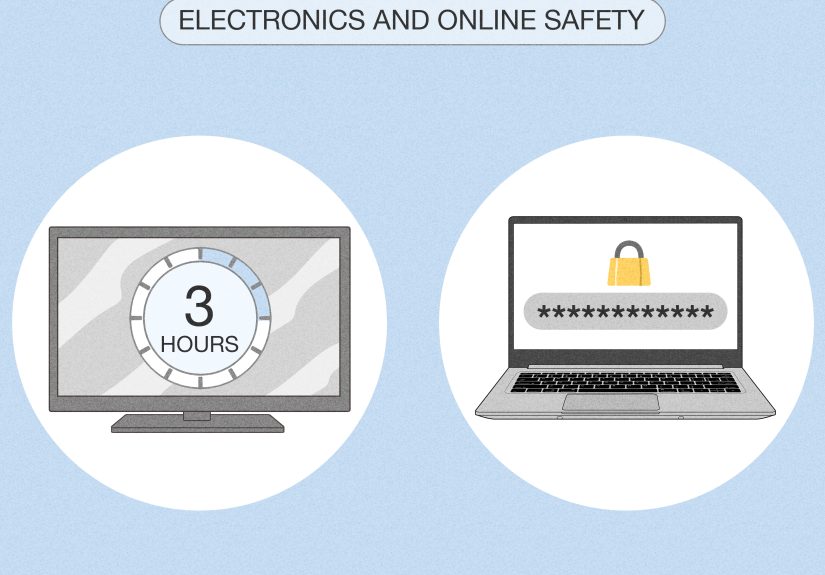
4. Stick to Screen Time Limits
Technology is funbut balancing it with offline time helps kids develop creativity, emotional regulation, and healthy sleep patterns.
5. Say “Please” and “Thank You”
Basic manners never go out of style. They promote kindness and make even tense moments feel a bit softer.
6. Homework Comes Before Play
It’s a classic rule for a reason. Kids learn to prioritize their responsibilities before funan essential life skill.
7. No Hitting, Kicking, or Hurting Others
This establishes physical boundaries and keeps siblings from turning disagreements into wrestling matches.
8. Ask Before Taking Something
This prevents sibling wars, lost items, and “but I thought you said I could borrow it!” moments.
9. Help with Chores
Age-appropriate chores build independence and teach kids the value of contributing to family life.
10. Be Honest
Honesty builds trust. It also prevents parents from turning into detectives.
How to Enforce House Rules Without Power Struggles
Even the best rules won’t work if they’re not enforced consistently. According to parenting psychologists, consistency is the secret sauce.
Be Predictable
If the rule today is “No snacks before dinner,” and tomorrow it becomes “Only snacks if you whine intensely enough,” kids will test boundaries every time. Predictability helps them feel secure.
Use Consequences, Not Punishments
Natural or logical consequences teach lessons more effectively than harsh punishment. For example:
- If a child doesn’t put dirty clothes in the hamper, they might not get washed.
- If toys are left out, they may go “on vacation” for a day.
These consequences are fair, consistent, and tied to the behavior.
Offer Praise Often
Positive reinforcement helps children repeat good behavior. A simple “Great job cleaning up your toys without being asked!” can work wonders.
Model the Behavior You Want
If parents yell but expect kids to speak kindly, the rule won’t stick. Demonstrating respectful communication, responsibility, and self-control makes your rules much more effective.
Tools That Make House Rules Easier to Follow
Families across the U.S. successfully use these helpful tools:
- Visual Rule Charts: Great for younger kids who benefit from pictures.
- Chore Wheels & Lists: Keep tasks fair and organized.
- Routine Schedules: Mornings and bedtimes run smoother when kids know the steps.
- Reward Systems: Sticker charts, tokens, or small privileges help motivate positive behavior.
Adapting Rules for Different Ages
For Toddlers (Ages 2–5)
Short rules and visual aids work best. For example: “Gentle hands,” “Clean up toys,” and “Sit when eating.” Toddlers need frequent reminders and lots of praise.
For School-Age Kids (6–12)
Kids this age can handle more responsibilitylike helping with chores, following routines, completing homework, and respecting personal boundaries.
For Teens (13–18)
Teens need more autonomy but still benefit from household expectations. Think rules about curfews, technology use, chores, communication, and responsibilities.
of Experience: Real-World Parenting Insights
If you ask real parents about house rules, you’ll get everything from genius ideas to hilariously relatable stories. Here are insights gathered from families who’ve spent years adjusting, refining, and sometimes laughing their way through household rules.
One mom shared that the most effective rule in her home wasn’t about chores or bedtimeit was: “If you open it, close it.” This applied to doors, chip bags, toothpaste, toy bins, backpacks, and even conversations. Apparently, it saved her from countless arguments and helped kids stay mindful of small actions.
Another parent swears by the “One Touch Rule”a decluttering strategy that teaches kids to put something away the moment they pick it up. While kids initially resisted (“But touching it twice builds character!”), over time it drastically reduced household mess.
A family with two energetic boys developed a rule called “Pause & Think.” Before reacting emotionally, kids take a moment to breathe. They practice this during calm times, so it becomes second nature during arguments. This rule didn’t just reduce yelling; it helped the brothers learn emotional regulation.
Many parents also highlight the importance of adjusting rules as kids grow. What works for a six-year-old won’t work for a fourteen-year-old. One dad said, “Teenagers need rules that feel fair. If the rules seem arbitrary, they push back harder.” So instead of saying “Your curfew is 9 because I said so,” he explained the reasonssafety, sleep, and responsibilitymaking the rule easier to accept.
Another useful insight comes from parents of kids with different personalities. Some kids respond well to visual reminders, while others want verbal praise or small incentives. Customizing support doesn’t mean catering to every whimit means recognizing that each child learns differently.
Chore rules tend to be a battlefield, but many families found success by letting kids choose from a list of age-appropriate tasks. When children pick the chores they prefer (or least dislike), they’re more likely to follow through.
A common theme across all families? Humor helps. Setting rules doesn’t have to be stiff and serious. Some parents turn rules into playful rhymes, funny posters, or friendly competitions (“Who can clean their room the fastest without stuffing things under the bed?”). Laughter smooths over tension and turns chores into team efforts.
Finally, parents emphasize flexibility. Rules are important, but so is compassion. When a child is tired after a long day or dealing with big emotions, bending a rule occasionally shows understandingand teaches empathy by example.
House rules aren’t about perfection; they’re about building a family culture that feels safe, respectful, and supportive. And as every parent learns: the best rules evolve with the family, not against it.
Conclusion
Creating house rules for kids isn’t about controlit’s about cooperation. With clear expectations, positive language, routines, and humor, your home can run more smoothly, reduce stress, and help your children grow into capable, thoughtful individuals. And if your rules help prevent mysterious slime incidents? Even better.