Table of Contents >> Show >> Hide
Introduction:
In the fast-evolving world of digital marketing, staying ahead of the curve is essential. One platform that has gained considerable attention in recent years is Google Discover. For marketers and content creators, optimizing for Google Discover has become a key strategy to increase visibility and drive traffic. In this article, we’ll explore the best SEO practices for Google Discover and provide a detailed infographic to help guide your efforts. Additionally, we’ll share insights and experiences on how these practices can elevate your content strategy. Let’s dive in!
What is Google Discover?
Google Discover is a personalized content feed that appears on the Google app, Android home screen, and other Google services. Unlike traditional search, where users actively type queries, Google Discover delivers content based on a user’s interests, browsing history, and engagement. It’s a more passive approach to content discovery that allows users to explore articles, videos, and images tailored to their tastes. For publishers and marketers, this represents a golden opportunity to gain visibility without relying solely on traditional search engine optimization.
Why Optimize for Google Discover?
With millions of active users, Google Discover offers an immense opportunity to expand your reach. Since the feed is personalized, content that appears in Discover can drive significant traffic to your website. Furthermore, Google Discover is especially impactful on mobile devices, making it a key avenue for brands looking to engage on-the-go users. Content that gets featured in Google Discover often enjoys a boost in traffic, making it essential to understand how to optimize for it.
Google Discover SEO Best Practices
1. Quality Content is Key
The foundation of appearing on Google Discover is creating high-quality content. Your articles should be engaging, informative, and provide real value to your audience. Google’s algorithms prioritize content that’s relevant to the user’s interests, so if your content aligns with what people are searching for or browsing, it stands a better chance of appearing in their Discover feed.
Tip: Focus on evergreen content, breaking news, and trending topics that are likely to generate ongoing interest.
2. Mobile Optimization
Since Google Discover is primarily consumed on mobile devices, it’s critical that your website is mobile-friendly. A responsive design ensures your content is displayed correctly across different devices, providing a seamless experience for users. Google uses mobile-first indexing, meaning that if your site isn’t mobile-friendly, you could miss out on valuable traffic from Google Discover.
Tip: Use Google’s Mobile-Friendly Test tool to ensure your site passes mobile optimization standards.
3. Visual Appeal Matters
Images, videos, and other visual elements are crucial for Google Discover. The platform tends to favor content with compelling visuals, such as high-quality images, infographics, and videos, as they attract more engagement. Make sure to optimize your images with descriptive alt text, proper dimensions, and fast load times to improve your chances of being featured.
Tip: Incorporate a featured image that is at least 1200px wide and looks good on both mobile and desktop devices.
4. Use Structured Data (Schema Markup)
Structured data helps Google understand the content of your page. By implementing schema markup, you provide additional context for your content, making it easier for Google to categorize and display in Discover. For example, adding schema for articles, reviews, or products can help Google determine the relevance of your content to user interests.
Tip: Use JSON-LD format for schema markup as it’s the preferred format for Google.
5. Optimize for E-A-T
Google’s E-A-T (Expertise, Authoritativeness, Trustworthiness) guidelines are crucial for SEO, and they also play a significant role in Google Discover. Content that demonstrates expertise and trustworthiness is more likely to be shown to users. If you’re creating health, finance, or other sensitive content, ensure it’s backed by authoritative sources and written by credible authors.
Tip: Make sure your content is written by subject matter experts and includes citations from reputable sources.
6. Focus on Freshness
Google Discover favors fresh and timely content. It’s not just about evergreen topics; content that is up-to-date and relevant to current events or trends also stands a higher chance of being discovered. Publishing articles related to recent developments or industry trends can increase your chances of appearing in Google Discover.
Tip: Keep an eye on Google Trends and industry news to create timely content that is likely to capture the attention of Discover users.
7. Create Engaging Headlines
Your headline plays a vital role in driving engagement and attracting clicks. Since Google Discover serves content based on user preferences, it’s important to craft titles that are compelling, clear, and to the point. Avoid clickbait, as Google’s algorithms prioritize content that offers genuine value.
Tip: Use action-oriented language and include the main keyword in the title for better optimization.
8. Promote Social Engagement
Social signals play a role in how Google Discover ranks content. If your content is being shared, liked, and commented on, it signals to Google that it’s worth displaying to a wider audience. Building a social media presence and encouraging sharing can help boost your visibility in Discover.
Tip: Promote your content across social platforms like Twitter, Facebook, and Instagram to increase social engagement.
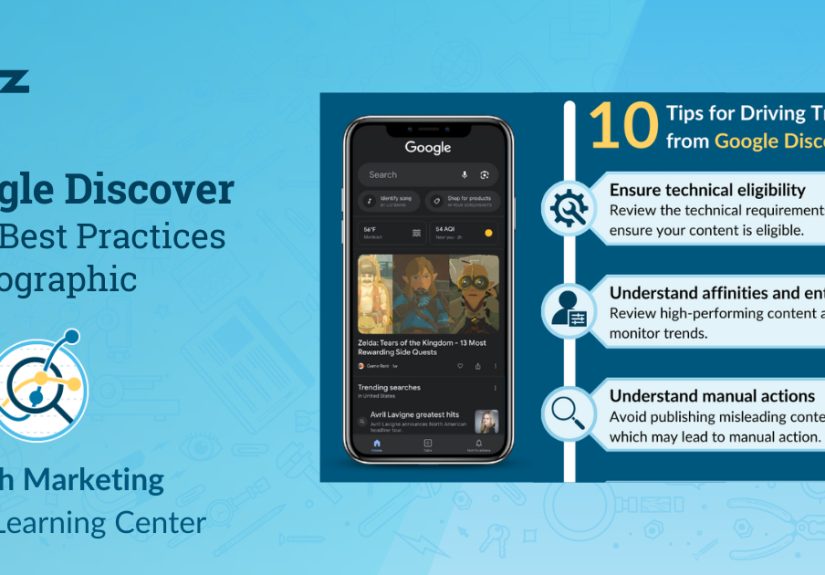
Infographic: Google Discover SEO Best Practices

Experience and Insights
Based on my personal experience working with SEO, I’ve seen firsthand how optimizing for Google Discover can lead to impressive results. One of the most successful strategies I’ve employed is focusing on the visual elements of content. By incorporating high-quality images and videos into blog posts, I noticed an uptick in traffic, particularly from mobile users. It’s also important to keep content updated regularly. If you’re running a blog or news site, consider setting up a content calendar to ensure you’re consistently publishing fresh, relevant articles.
Another key takeaway is the importance of using structured data. While it might seem technical, the benefits of implementing schema markup far outweigh the effort. Not only does it make your content more understandable to search engines, but it also helps ensure your content is displayed properly when it does appear in Google Discover. This is particularly important for articles that cover timely events, as Google needs to quickly understand their relevance to users.
One final insight I’d like to share is the power of engaging headlines. I’ve tested various headline formats, and those that invoke curiosity without being misleading tend to perform best. The right headline not only attracts Google Discover but also gets users to click and engage with your content.
Conclusion
In conclusion, Google Discover presents an incredible opportunity for marketers to gain visibility and drive traffic. By following the SEO best practices outlined in this article, you can optimize your content for this powerful platform and increase your chances of appearing in the Discover feed. From creating high-quality content to leveraging mobile optimization and structured data, these strategies will help you stay competitive in today’s digital landscape. Remember, the key to success on Google Discover is relevance, engagement, and consistency. So, start implementing these best practices today and watch your content rise to the top of the feed!