Table of Contents >> Show >> Hide
- The Role of Metabolism: Is It Slower for Women?
- Hormonal Factors: The Influence of Estrogen and Progesterone
- Fat Distribution: The "Female Body" Advantage… Or Challenge?
- Psychological and Societal Pressures: Do They Affect Women's Weight Loss?
- The Science Behind Weight Loss: It's About More Than Just Calories In, Calories Out
- Can Women Lose Weight as Easily as Men?
- Conclusion: The Key to Success
- SEO Tags
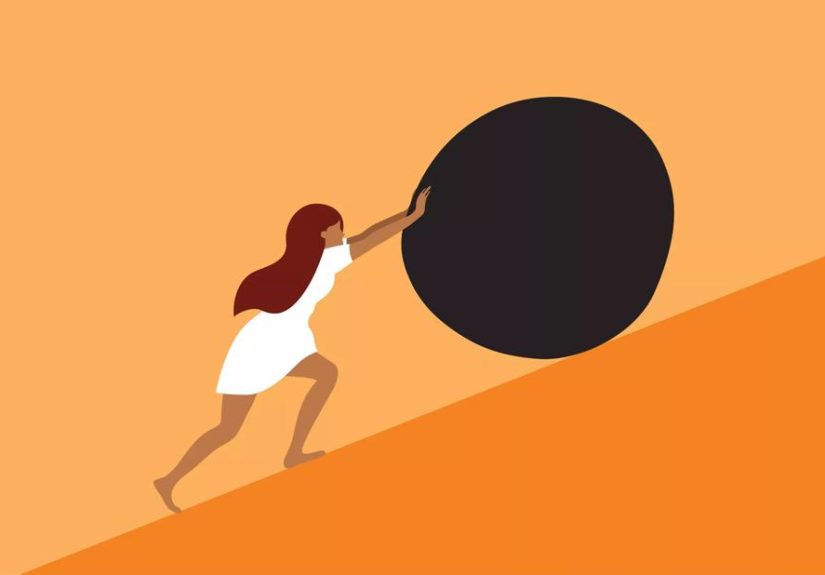
Weight loss can be a frustrating journey for many people, but for women, it sometimes feels like the deck is stacked against them. From hormonal fluctuations to societal pressures, women often face unique challenges when it comes to shedding pounds. But is it really harder for women to lose weight, or is this just a myth? Let’s break it down.
The Role of Metabolism: Is It Slower for Women?
One of the most commonly cited reasons why women struggle with weight loss is their metabolism. Metabolism refers to the process by which your body converts food into energy. It’s a crucial factor in determining how quickly you burn calories. Men typically have a faster metabolism than women, largely due to differences in muscle mass.
Muscle burns more calories than fat, and because men generally have more muscle mass than women, they tend to burn more calories at rest. In fact, research shows that women burn about 5–10% fewer calories than men during the same activities. This metabolic difference means that women may need to eat fewer calories or exercise more to achieve the same weight loss results as men.
Hormonal Factors: The Influence of Estrogen and Progesterone
Hormones play a significant role in weight loss, and women have to navigate the ebbs and flows of hormone levels throughout their menstrual cycle, pregnancy, and menopause. Estrogen, the dominant female hormone, promotes fat storage, particularly around the hips and thighs. This is a natural process for pregnancy and childbearing, but it can make weight loss harder for women who aren’t pregnant.
Progesterone, another hormone that fluctuates throughout the cycle, can also contribute to weight gain. During the second half of the menstrual cycle, when progesterone levels rise, women often experience water retention, bloating, and cravings. This can lead to an increase in overall body weight, which may be discouraging during weight loss efforts.
Additionally, during menopause, estrogen levels drop significantly, which can lead to an increase in abdominal fat. This hormonal change is one reason why many women find it harder to lose weight as they age. The combination of slower metabolism and hormonal changes creates a perfect storm for weight gain, making weight loss even more difficult for older women.
Fat Distribution: The “Female Body” Advantage… Or Challenge?
Another key difference between men and women is how fat is distributed in the body. Women are more likely to store fat in the hips, thighs, and buttocks, while men tend to store fat in the abdominal area. This difference in fat distribution can make it harder for women to lose weight in certain areas.
Women who have more fat around their lower body often find that their weight loss efforts focus primarily on their upper body. While this may be frustrating, it’s important to remember that spot reduction – the idea that you can target fat loss in specific areas – is a myth. Overall fat loss is the only way to lose weight in a particular region, and that’s where consistent exercise and a balanced diet come in.
Psychological and Societal Pressures: Do They Affect Women’s Weight Loss?
While biological factors certainly play a role in weight loss, the psychological and societal pressures women face can’t be ignored. In many cultures, women are held to strict standards of beauty and body image. This societal pressure can lead to feelings of inadequacy, increased stress, and unhealthy dieting practices. All of these factors can sabotage weight loss efforts.
Moreover, stress has been shown to increase the production of cortisol, a hormone that promotes fat storage, especially around the abdomen. For many women, juggling work, family, and personal life can cause chronic stress, which further impedes weight loss efforts. Emotional eating is also a common coping mechanism, and women may be more prone to turning to food for comfort during stressful times.
The Science Behind Weight Loss: It’s About More Than Just Calories In, Calories Out
While the basic principle of weight loss is simple – burn more calories than you consume – the science is more complex. Several factors, including genetics, gut health, sleep, and stress levels, influence how the body responds to diet and exercise. For women, these factors may have a greater impact, making it seem like they are working harder for fewer results.
For example, sleep deprivation can interfere with the production of hormones that regulate hunger and metabolism. Studies show that people who get less sleep are more likely to experience an increase in appetite, particularly for high-calorie, comfort foods. Women, especially mothers or those with demanding jobs, may find it more difficult to prioritize sleep, further hindering their weight loss goals.
Practical Tips for Women Trying to Lose Weight
Despite the challenges, it’s important to remember that weight loss is possible for women – it just requires a more tailored approach. Here are a few practical tips that can help:
- Focus on Strength Training: Incorporating weightlifting or bodyweight exercises can help build muscle mass, which can boost metabolism and increase calorie burn.
- Manage Stress: Finding healthy ways to cope with stress, such as meditation or yoga, can help lower cortisol levels and reduce emotional eating.
- Prioritize Sleep: Aim for 7-9 hours of quality sleep each night. This will help regulate hormones that control hunger and fat storage.
- Eat Balanced Meals: Focus on whole foods, including lean proteins, healthy fats, and fiber-rich vegetables. This will help you feel full and satisfied while still consuming fewer calories.
- Be Consistent: Weight loss isn’t about quick fixes; it’s about sustainable lifestyle changes. Make small adjustments that you can maintain in the long term.
Can Women Lose Weight as Easily as Men?
While it may be harder for women to lose weight due to biological and psychological factors, it is certainly not impossible. Women who understand their bodies and take a holistic approach to weight loss can achieve their goals. It’s important to focus on building healthy habits, staying consistent, and being patient with the process. Women’s bodies may be different from men’s, but they are just as capable of reaching their weight loss goals with the right strategy and mindset.
Conclusion: The Key to Success
In the end, while women may face more challenges in losing weight, the process is by no means insurmountable. Understanding the factors at play, including metabolism, hormones, stress, and societal pressures, can help women develop a more realistic and effective weight loss strategy. By focusing on strength training, managing stress, and prioritizing sleep, women can overcome these hurdles and achieve lasting weight loss success.
Personal Experience: “My Struggle and Success with Weight Loss”
Many women, including myself, have faced the daunting challenge of losing weight. I spent years struggling with the idea that my body was somehow working against me, but the key moment of change came when I decided to stop fighting my biology and instead work with it. The moment I started focusing on strength training, managing my stress, and prioritizing sleep, I noticed a gradual shift in my body. It wasn’t about dropping pounds rapidly but rather about making sustainable changes that made me feel healthier and stronger.
Like many women, I’ve been through the ups and downs of dieting, the yo-yo effect of losing weight only to gain it back. However, once I shifted my focus from extreme calorie restriction to long-term habits, I started seeing results that lasted. I found peace in understanding that my body, though different from men’s, could still reach my weight loss goals with the right approach.
It’s not about comparison; it’s about understanding and working with your own unique body. The more I focused on consistency and healthy choices, the easier weight loss became. Every woman’s journey is different, but I believe that with patience, self-love, and the right strategies, weight loss is absolutely achievable.