Table of Contents >> Show >> Hide
- First: What counts as an “abusive teacher”?
- Way #1: Get safe and build an “adult backup team”
- Way #2: Document what’s happening and report it the smart way
- Way #3: Protect your learning and your mental health while the adults investigate
- Common questions students ask (usually at 2:00 a.m.)
- Experiences Related to “3 Ways to Deal With an Abusive Teacher”
Nobody puts “How to handle an abusive teacher” on the back-to-school supply list. Yet here you aretrying to learn algebra, write essays, or survive
lab daywhile an adult with a gradebook and authority is making school feel unsafe. That’s not “character building.” That’s a problem.
This guide walks through three practical, student-centered ways to deal with an abusive teacherwithout turning your life into a full-time courtroom drama.
You’ll learn how to get support, report what’s happening in a smart way, and protect your education and mental health while adults handle the adult stuff.
First: What counts as an “abusive teacher”?
“Abusive” can mean different things, and it’s worth naming it clearly because people sometimes try to wave off serious behavior as “strict” or “old-school.”
A teacher can be firm and still be respectful. Abuse is when the teacher’s behavior harms you, targets you, or creates a hostile learning environment.
Examples of abusive behavior (not an exhaustive list)
- Verbal or emotional abuse: yelling, name-calling, mocking you, humiliating you in front of others, constant put-downs, or threats.
- Bullying or intimidation: singling you out repeatedly, using sarcasm as a weapon, encouraging classmates to laugh at you, or “punishing” you for speaking up.
- Unfair retaliation: harsher grading after you complain, denying opportunities, or targeting you because you reported a problem.
- Discrimination or harassment: comments or treatment based on race, religion, national origin, disability, sex, pregnancy, or gender stereotypes.
- Inappropriate boundaries: overly personal comments, unwanted attention, or behavior that crosses professional lines.
- Physical aggression or threats: any hitting, grabbing, blocking exits, or threatening physical harm.
If you’re thinking, “But what if I’m just sensitive?”pause. Your feelings are data. Even if you can’t label it perfectly, you can still ask for help,
set boundaries, and report behavior that makes school feel unsafe.
If you are in immediate danger (or someone is being physically harmed), treat it like an emergency: get to a safe place and call emergency services.
Safety comes before paperwork.
Way #1: Get safe and build an “adult backup team”
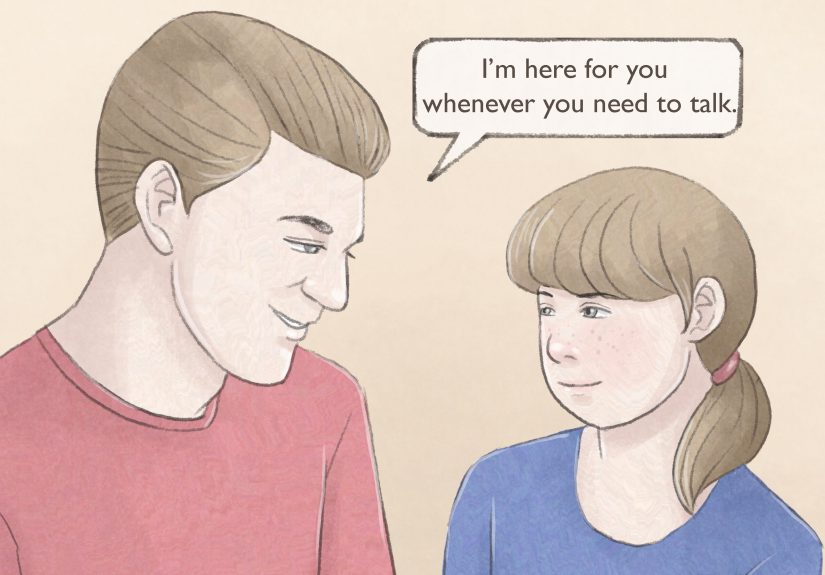
Abusive behavior thrives in silence. Your first move isn’t to “be tougher.” It’s to stop being alone with the problem. The goal is simple:
put other responsible adults in the loop so you have protection, credibility, and options.
Choose your support people (more than one if possible)
Pick adults who can actnot just listen. Good options include:
- A parent/guardian or another family adult you trust
- A school counselor, social worker, psychologist, or nurse
- An assistant principal or principal
- A trusted teacher or coach (someone not closely tied to the abusive teacher)
- The district office (if the school-level response is weak)
Think of it like having multiple phone chargers: you don’t bring one to school and hope for the best. You bring backups.
What to say when you don’t know what to say
If starting the conversation feels scary, use a script. You can say something like:
- “I need to talk about something happening in class that’s making me feel unsafe and embarrassed.”
- “I’m not trying to get anyone in troubleI want it to stop and I want to learn.”
- “I can share specific examples and dates. I’m asking for help and for a plan.”
If you’re worried the adult won’t take it seriously, lead with specifics: what happened, where, when, and who saw it.
You don’t need a dramatic speech. You need a clear report.
If you’re afraid it will get worse after you speak up
Fear of retaliation is common, and it’s one reason to bring in adults early. When you report, ask for protection and boundaries:
- “Can someone observe the class for a while?”
- “Can I switch seats or switch sections?”
- “If my grades change suddenly, who reviews them?”
- “How will you make sure I’m not punished for reporting?”
You’re not asking for special treatment. You’re asking for a safe learning environmentwhich is the bare minimum.
Way #2: Document what’s happening and report it the smart way
Reporting works best when it’s factual, organized, and hard to dismiss. Think “receipts,” not rumors. Documentation turns
“It feels bad” into “Here is a pattern that needs intervention.”
Use a simple incident log (yes, this matters)
Keep notes in a place you control (a notebook, a doc, or an email draft you never send). After an incident, record:
- Date and time: “Dec 3, 10:15 a.m.”
- Where it happened: classroom, hallway, online platform
- What was said/done: short, exact phrases if you remember
- Who witnessed it: students, staff, anyone who heard it
- Impact: “I left class crying,” “I couldn’t finish the test,” “I felt afraid to ask questions.”
- What you did next: “Told counselor,” “emailed parent,” “requested a meeting.”
Tip: write like you’re describing a security camera videoneutral and precise. (Save your feelings for people who support you; use facts for formal reports.)
Report up the ladder (and keep copies)
Many schools handle complaints through a step-by-step process. If you don’t know yours, check the student handbook or the school/district website.
A common escalation path looks like this:
- Step 1: Counselor or administrator (often best to start here when the teacher is the problem)
- Step 2: Principal or assistant principal
- Step 3: District office (superintendent or student services)
- Step 4: State education department or external civil rights complaint routes (when appropriate)
When you report, ask for a response timeline. Example: “When should I expect an update, and who should I follow up with?”
After meetings, send a short recap email to the adult you met with: date, what was discussed, and next steps. That creates a paper trail.
When it may be discrimination or harassment (protected categories)
If the abusive behavior involves discriminationlike targeting you based on race, disability, sex, or another protected categoryyour complaint isn’t just
“classroom management.” It may be a civil rights issue. Schools that receive federal funding have obligations to address discriminatory harassment and ensure
students can access education in a safe environment.
Practical move: ask your school/district, “Who is the Title IX coordinator?” (for sex-based harassment) or
“Who handles civil rights and discrimination complaints?” Then report through that office as well as through the principal.
When it may be physical abuse or sexual misconduct
If the situation involves physical harm, threats, or sexual misconduct, treat it as urgent. Tell a safe adult immediately.
Many states require school staff to report suspected child abuse to child protective services or law enforcement (mandated reporting rules vary).
You can also report directly through local authorities if you need immediate protection.
If you’re not sure whether something “counts,” you can still report what happened and ask professionals to determine the right category.
Your job is not to be the lawyer. Your job is to be safe.
Should you record the teacher?
This is where the answer is extremely un-fun: recording laws and school policies vary a lot. In some places, recording someone without consent can create legal trouble.
The safer path is documentation that doesn’t require audio: detailed notes, saved emails, screenshots of written comments, and witness statements.
If you’re considering recording, talk with a parent/guardian or an advocate first so you don’t accidentally create a new problem while trying to solve the old one.
Way #3: Protect your learning and your mental health while the adults investigate
Even when you report, the process can move slowly. Meanwhile, you still have homework, tests, and the daily stress of walking into that classroom.
This third way is about stabilizing your life: your grades, your nervous system, and your sense that you deserve respect.
Ask for practical supports (your “school survival plan”)
You can request reasonable changes to reduce harm while the school responds. Options include:
- Schedule change: moving to another section or teacher if available
- Seat change: reducing direct contact or public targeting
- Alternative supervision: another adult present during sensitive times
- Grade review: having a department chair or administrator review major grades
- Communication boundaries: requiring written instructions instead of verbal confrontations
- Academic support: tutoring or extensions if the situation affected performance
If you have a disability or a formal support plan (like a 504 plan or an IEP), involve that team immediately. You may be entitled to accommodations
when a hostile environment disrupts learning.
Take care of your stress without blaming yourself
When adults mistreat students, students often internalize it: “I’m dumb,” “I’m annoying,” “I deserved it.” Nope. That’s your brain trying to create
a reason for something that should not be happening.
What helps in the short term:
- Grounding before class: slow breathing, a short walk, or music that makes you feel steady
- Buddy system: walk to class with a friend; sit near supportive peers
- Reality checks: write down one sentence that’s true (e.g., “I’m here to learn; their behavior is not my fault.”)
- Talk to a counselor: not because you’re “broken,” but because you deserve support
- Healthy routines: sleep, food, movementbasic, boring, effective
Know what a good outcome can look like
Students sometimes imagine only two endings: (1) nothing changes, or (2) the teacher gets dramatically fired in a scene with thunder and applause.
Real life has more options:
- The teacher is coached, monitored, and required to change behavior
- You’re moved to a safer class and your grades are protected
- A formal investigation happens and discipline occurs privately (you may not be told all details)
- The school updates procedures so future students aren’t stuck in the same mess
Progress can be quiet but meaningful: fewer incidents, more adult presence, clear boundaries, and you feeling safe enough to focus on school again.
Common questions students ask (usually at 2:00 a.m.)
“What if no one believes me?”
This is why documentation and witnesses matter. It’s also why you tell more than one adult. If your first report gets brushed off, escalate calmly:
“I’m not comfortable dropping this. Here are additional incidents and witnesses. Who is the next person in the complaint process?”
“What if the teacher is popular?”
Popularity doesn’t cancel harm. Schools are used to complaints involving well-liked staff, and they still have a responsibility to address misconduct.
Stay focused on behavior and impact. Your report isn’t “I don’t like them.” It’s “This conduct is harming students and needs intervention.”
“What if I’m afraid of being labeled a snitch?”
Reporting abuse is not snitching. It’s safety. If someone tries to shame you for speaking up, that’s a sign the system relies on silence.
Ask adults to keep your report as confidential as possible and to take steps that protect you from backlash.
“Can I handle this by confronting the teacher?”
Sometimes minor issues can be addressed with a calm boundary (“Please don’t speak to me like that.”), especially if you feel safe and supported.
But if the behavior is severe, repeated, discriminatory, or scary, don’t go solo. Use an adult meeting, bring a parent/guardian, or speak with an administrator.
Your safety and power balance matter.
Experiences Related to “3 Ways to Deal With an Abusive Teacher”
Here are three common “experience patterns” students describeshared as composite examples, because the details change but the feelings don’t.
If any of these sound familiar, you’re not imagining it, and you’re not alone.
Experience #1: “It’s Just Jokes” (until it isn’t)
A student starts dreading one class because the teacher’s “humor” has a targetand that target is usually the same kid. It begins as comments like,
“Wow, bold choice to guess again,” or “Some people enjoy being wrong.” The class laughs. The student laughs too, because not laughing feels worse.
Over time, the jokes become a daily thing: the teacher reads the student’s answer out loud in a mocking voice, uses sarcasm when the student asks questions,
and turns mistakes into entertainment.
What helped wasn’t a dramatic confrontation. It was Way #1: the student told a counselor, then a parent. Together, they planned what to say:
“The comments are happening frequently, and it’s affecting my ability to participate.” Then Way #2: the student kept a short incident log for two weeks
just dates, quotes, and witnesses. When the parent met with an administrator, it wasn’t a vague complaint; it was a pattern.
The school responded by observing the class and setting expectations for professional conduct. The student also got a seat change and a safe person to check in with.
The biggest relief? The student stopped feeling like they had to “earn” basic respect.
Experience #2: The “Grade Grudge” Feeling
Another student reports that a teacher yells during class and singles students out. After the student asks an administrator for help,
the student becomes convinced their grades suddenly drop. This is a uniquely stressful kind of fear, because grades are both personal and permanent-feeling.
The student starts thinking, “If I speak up, I’ll fail. If I stay quiet, I’ll feel awful.” It’s a trap.
What helped here was combining Way #2 and Way #3. The family asked for transparency: grading rubrics, written feedback, and (when needed) a second review of major assessments.
The student saved returned assignments and tracked grades over time. Instead of accusing the teacher in emotional terms, they made a practical request:
“We want to ensure grading is consistent with the rubric.” The school didn’t announce every internal step (privacy rules often limit that),
but the student got a grade review process and extra academic support so the situation didn’t derail the semester.
The student’s stress didn’t disappear overnight, but it dropped the moment there was a structure in placebecause structure is the opposite of helplessness.
Experience #3: Boundary Confusion and Discomfort
Sometimes the “abusive” feeling isn’t loud. It’s a quiet discomfort: a teacher who makes personal comments, tries to pull a student into private conversations,
or sends messages that feel too familiar. The student can’t always explain it, but their body reactstension, dread, avoidance.
A big problem here is self-doubt: “Am I overreacting?” That doubt often keeps students silent longer than they should be.
What helped was again Way #1 first: telling a trusted adult who took it seriously and asked, “What exactly happened?” without blaming the student.
Then Way #2: saving any written communication and noting in-person interactions (date, time, what was said). Finally, Way #3: creating a safety plan:
meetings only with doors open, another adult present when needed, and clear boundaries about communication.
The goal wasn’t to label the teacher immediately; it was to protect the student and prevent escalation.
Students deserve a classroom where the rules are clear and the adult acts like an adultevery day.
Across these experiences, one theme shows up again and again: the turning point is when a student stops carrying the situation alone.
Abusive teacher behavior is serious, but it is not unbeatable. Build your team, document the facts, and insist on a school environment where learning
doesn’t come with fear.