Table of Contents >> Show >> Hide
- What Is Kinoko Gohan?
- Ingredients
- How to Make Kinoko Gohan
- Why This Recipe Works (So You Can Cook With Confidence)
- Pro Tips for the Best Japanese Mushroom Rice
- Variations You’ll Actually Want to Make Again
- What to Serve With Kinoko Gohan
- Storage, Meal Prep, and Leftovers
- FAQ
- Conclusion
- of Real-Life Kinoko Gohan Experiences
Kinoko gohan is the kind of meal that makes your kitchen smell like you just signed a lease in a tiny Tokyo apartment
with “excellent ventilation” listed as an obvious lie. It’s Japanese mushroom ricewarm, earthy, and loaded with
quiet confidence. Not loud-spicy. Not cheese-pull dramatic. More like: “I brought umami and I’m not asking permission.”
This guide gives you a dependable kinoko gohan recipe you can make in a rice cooker or on the stovetop,
plus ingredient swaps, seasoning logic (so you can freestyle without panic), and a bunch of practical tips to keep the
rice fluffynot glueyand the mushrooms fragrantnot sad.
What Is Kinoko Gohan?
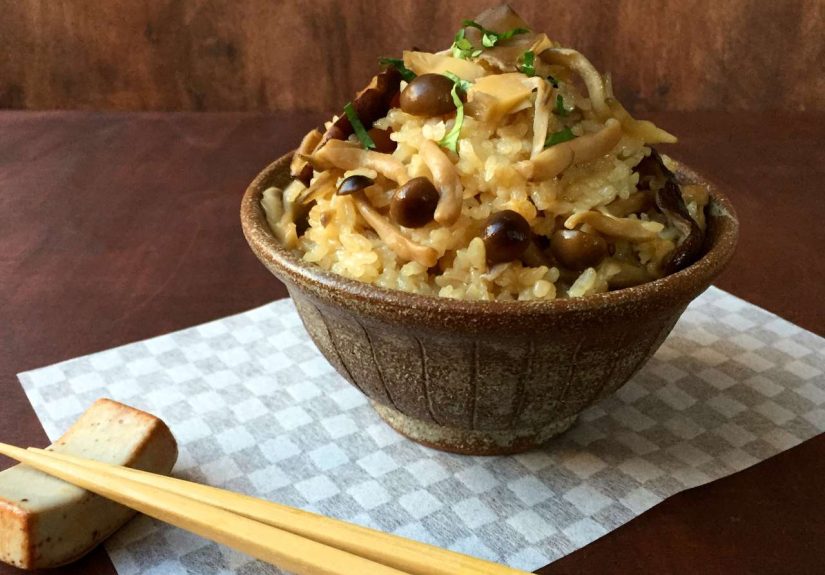
Kinoko gohan literally means “mushroom rice.” It’s a classic style of takikomi gohan:
Japanese seasoned mixed rice where the grains cook in a savory brothtypically built with dashi, soy sauce,
mirin, and sometimes sakeso every bite tastes like it was marinated in good decisions.
The trick is that you’re not “stir-frying mushrooms then serving them on rice.” You’re cooking rice with mushrooms,
so the aroma infuses the pot and the seasoning reaches every grain. If regular rice is a blank notebook, kinoko gohan is
the notebook after you accidentally spilled soup on it… in a good way.
Ingredients
This recipe is designed for 2 cups Japanese short-grain rice (about 2 rice-cooker cups; see notes below).
Serves 3–4 as a side, or 2 hungry people who “just want something light” and then immediately get seconds.
For the rice and mushrooms
- 2 cups Japanese short-grain rice (sushi rice works; rinse well)
- 10–12 oz mixed mushrooms (shiitake + shimeji + maitake is a dream team; oyster mushrooms also work)
- 1 small carrot, julienned (optional, for sweetness and color)
- 1–2 tablespoons sliced aburaage (optional, adds savory depth)
- 2 tablespoons chopped scallions or mitsuba (for finishing)
Seasoning liquid (the “why does this taste expensive?” part)
- 1 1/2 to 1 2/3 cups dashi (or water + instant dashi, or vegan kombu/shiitake dashi)
- 2 tablespoons soy sauce (use low-sodium if you’re sensitive to salt)
- 1 tablespoon mirin
- 1 tablespoon sake (or dry sherry; optional but nice)
- 1/2 teaspoon kosher salt (adjust based on your dashi + soy)
Optional “chef cheat codes”
- 1–2 dried shiitake mushrooms, rehydrated (use the soaking liquid as part of your dashi)
- 1–2 teaspoons shio kombu (salty kelp umami; reduce salt if using)
- 1/4 teaspoon yuzu kosho (tiny dab = bright, spicy citrus pop)
- 1 teaspoon butter (stir in at the end for a glossy, cozy finish)
How to Make Kinoko Gohan
Step 1: Rinse (and optionally soak) the rice
Rinse the rice in cool water until the water runs mostly clear. This removes excess surface starch so your rice turns
fluffy and defined, not clingy in a “stage-five clinger” way. If you have time, soak the rinsed rice for
20–30 minutes, then drain well. Soaking helps the grains cook more evenly.
Step 2: Prep the mushrooms
Trim any dirty ends, then tear or slice mushrooms into bite-size pieces. Keep some larger piecesmushrooms shrink.
If using dried shiitake, rehydrate in warm water for 20–30 minutes, then slice. Save the soaking liquid:
it’s basically mushroom tea with a college degree.
Step 3: Mix the seasoning liquid
Combine dashi, soy sauce, mirin, sake, and salt. If you’re using shiitake soaking liquid, swap it in for part of the dashi.
The goal is a savory broth that tastes slightly stronger than you think you needbecause rice is a flavor sponge with ambition.
Method A: Rice cooker (most foolproof)
- Add rinsed (and drained) rice to the rice cooker pot.
-
Pour in the seasoning liquid, then add additional dashi/water as needed to reach the cooker’s 2-cup line.
(Different cookers varyuse the markings if you have them.) - Spread mushrooms (and carrot/aburaage if using) on top. Don’t stir. This helps the rice cook evenly.
- Cook using the regular white rice setting.
-
When done, let it rest 10 minutes (the steam finishes the job), then fluff gently with a rice paddle.
Fold from the bottom up so mushrooms distribute without smashing the grains. - Finish with scallions/mitsuba. Add butter if using. Serve hot.
Method B: Stovetop (no rice cooker, still excellent)
- Use a heavy pot with a tight lid. Add rinsed/drained rice.
-
Add seasoning liquid, then add enough dashi/water to total about 2 1/4 cups liquid for 2 cups short-grain rice
(adjust slightly for your rice brand/pot; you want a steady simmer, not a boil-over situation). - Layer mushrooms (and optional add-ins) on top. Don’t stir.
- Bring to a gentle boil over medium-high heat, then immediately reduce to low. Cover and simmer 12–15 minutes.
- Turn off heat and let steam (covered) for 10 minutes. Do not peek. The rice can sense fear.
- Fluff and fold. Finish with scallions/mitsuba (and butter if using).
Why This Recipe Works (So You Can Cook With Confidence)
1) Dashi + soy + mirin = balanced savory-sweet depth
Dashi gives clean, oceanic umami; soy brings salty complexity; mirin adds gentle sweetness that rounds everything out.
Sake adds aroma and a little lift (but it’s optionalno one is calling the Food Police if you skip it).
2) Mixed mushrooms create layered flavor
Shiitake adds deep, woodsy richness; shimeji stays springy and mild; maitake brings a slightly wild, earthy aroma; oyster
mushrooms offer soft, silky bite. Using a mix makes the dish taste more “complete” without adding more steps.
3) Not stirring protects the rice texture
Keeping mushrooms on top reduces scorching risk and lets the rice cook evenly below. You fold everything together
after cooking so the grains stay plump and distinct.
Pro Tips for the Best Japanese Mushroom Rice
-
Use the right rice. Japanese short-grain rice is ideal because it stays tender and slightly sticky (in the good way),
which helps mushrooms cling to each bite. - Don’t oversalt early. Different soy sauces and dashis vary. Start modest; you can always add a pinch of salt at the end.
-
Use shiitake soaking liquid. If you rehydrate dried shiitake, strain the liquid and use it as part of the cooking liquid
for extra mushroom intensity. - Rest time matters. That 10-minute steam rest turns “pretty good” into “why is this so fluffy?”
- Finish with something fresh. Scallions or mitsuba give contrast so the dish doesn’t taste like “all brown foods.”
Variations You’ll Actually Want to Make Again
Vegan kinoko gohan
Use kombu + dried shiitake dashi (or instant vegan dashi). Skip sake if you want. Add a tiny pinch of sugar
if your mirin is very mild.
Butter soy mushroom rice (comfort mode)
Stir in 1–2 teaspoons butter at the end. It melts into the rice and makes everything glossy and rich without turning
the dish into “mushroom alfredo in disguise.”
Spicy-citrusy version
Add yuzu kosho (just a little) into the seasoning liquid, or dab it on top when serving. It’s bright, spicy, and wakes
up the whole bowl.
Protein add-ins
Kinoko gohan is excellent with salmon, chicken, or even thin slices of porkadded on top like the mushrooms
so everything cooks together. Keep seasonings similar; let the broth do the heavy lifting.
What to Serve With Kinoko Gohan
Think simple sides that won’t compete: miso soup, quick cucumber salad, Japanese pickles, sautéed greens, or a piece of
grilled fish. If you want a cozy meal without extra drama, this is how you do it.
Storage, Meal Prep, and Leftovers
- Fridge: Store airtight for up to 3–4 days.
- Freezer: Portion into single servings and freeze up to 1 month for best texture.
- Reheat: Sprinkle a tablespoon of water over the rice, cover, and microwave until hot. The water re-steams the grains.
- Leftover idea: Shape into onigiri (rice balls) or pan-sear into crispy rice cakes and top with extra sautéed mushrooms.
FAQ
Can I use regular long-grain rice?
You can, but it won’t be the same dish. Long-grain rice cooks up drier and less cohesive. If that’s what you have,
reduce the liquid slightly and expect a different texturestill tasty, just not classic kinoko gohan.
Do I have to use dashi?
Dashi is the signature flavor backbone. If you don’t have it, use water and lean on dried shiitake soaking liquid, or
use a light vegetable broth. The dish will still workbut dashi is what makes it unmistakably Japanese mushroom rice.
Why did my rice turn mushy?
Most common causes: too much liquid, not draining the rice after rinsing/soaking, stirring before cooking, or lifting the lid
repeatedly (steam escapes, cooking gets uneven, rice panics).
Conclusion
A great kinoko gohan recipe is less about complicated technique and more about smart layering: rinse your rice,
build a savory broth with dashi and seasonings, let mushrooms perfume the pot, then fluff like you mean it.
The result is comforting, elegant, and surprisingly weeknight-friendlylike a warm blanket that also happens to have good posture.
of Real-Life Kinoko Gohan Experiences
If you’ve never cooked kinoko gohan before, here’s what the experience often looks like in the real world (the one where
measuring spoons disappear and mushrooms multiply the minute you turn your back). First, there’s the mushroom selection phase:
you walk into a grocery store telling yourself you’ll keep it simplethen you spot shiitake, shimeji, oyster mushrooms,
and maitake sitting there like an umami boy band reunion tour. You buy “just a couple,” and somehow go home with enough mushrooms
to qualify as a small forest.
Then comes the rinsing. Rinsing rice is oddly calming until you realize you’ve been swirling the grains for so long that you’ve
mentally reorganized your entire week. The water goes from cloudy to clearer, and you start feeling wildly competentas if you
personally invented fluffy rice. This is a great moment to soak the rice and pretend you’re the kind of person who always plans ahead.
(No judgment. Kinoko gohan supports emotional growth.)
The best “aha” moment for most home cooks happens when the rice cooker flips to warm (or the stovetop timer goes off) and you lift the lid.
A wave of mushroom-scented steam hits you, and suddenly you understand why people write love poems about simple food. The mushrooms look like
they’ve sunk slightly into the rice, the broth has vanished into the grains like a magic trick, and everything smells deeply savory without being heavy.
It’s the kind of aroma that makes you stand there for five seconds doing nothingjust inhalinglike you’re testing a new perfume called “Cozy Autumn.”
Another common experience: the “don’t stir” challenge. Almost everyone has the urge to stir mushrooms into the rice before cooking, because it feels
logical. Kinoko gohan politely disagrees. Letting the mushrooms sit on top feels wrong right up until it feels extremely right. When you fluff and fold
after cooking, the mushrooms spread through the rice evenly, and the grains stay intact. This is the point where many people become slightly smug and start
planning who they can invite over to witness their new skill.
And finally, leftovers. Kinoko gohan leftovers are shockingly good. Cold mushroom rice the next day can be turned into onigiri, tucked into a lunchbox,
or crisped in a pan until the bottom turns golden and crunchy. That crispy-rice momentwhen the edges brown and the kitchen smells nutty and savorymight
be the best “bonus level” of the whole dish. You’ll also learn a valuable truth: making a double batch is not “extra.” It’s “future-you insurance.”