Table of Contents >> Show >> Hide
- Why This “Before” Matters: A House That Checked Every Box (Except the Usable-Kitchen Box)
- The “Before” Snapshot: Storybook Outside, Skinny and Complicated Inside
- What “Arts & Crafts” Means Here (In Plain English)
- The Big Design Challenge: How Do You Add Space Without Breaking the Spell?
- The Renovation Plan (As Seen From the “Before” Side)
- The Exterior “Before” Problem: When the Skin Can’t Do the Job Anymore
- The Porch: From “Punky” to Showpiece
- Chimneys, Rooflines, and the Arts & Crafts Love Letter to Honest Structure
- Modern Brightness Without Betraying the Style
- Comfort Upgrades That Respect Old-House Reality
- What You Can Steal From This “Before” (If You’re Renovating an Arts & Crafts Home)
- Final Take: The “Before” Is the Blueprint, Not the Embarrassment
- Experiences From the “Before” Side: What Living With an Arts & Crafts Sleeper Feels Like (500+ Words)
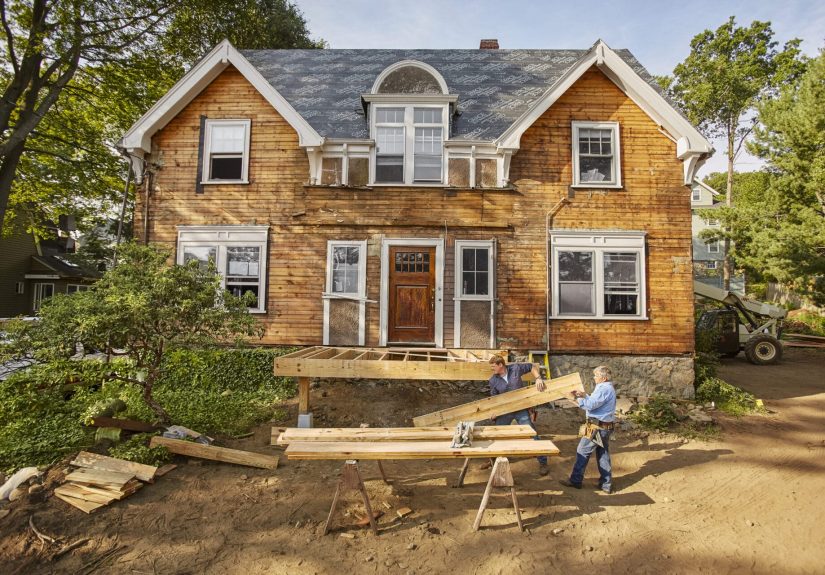
Some houses shout. This one whisperedpolitely, from behind a steep roofline and a dormer that looked like it belonged in a storybook where squirrels pay rent in acorns. From the street, the Arlington Arts & Crafts house had charm for days. Step inside, though, and the “before” reality showed up fast: a narrow footprint, a tiny back-of-house kitchen situation, and an entry porch that felt… optimistic.
That’s exactly why it became a This Old House project. Great renovations aren’t just glow-ups. They’re translationsturning a home’s original intent into something a modern family can actually live in without balancing dinner plates on a pantry shelf. The Arlington Arts & Craft Project is a masterclass in that kind of translation, and the “before” is where the story gets juicy.
Why This “Before” Matters: A House That Checked Every Box (Except the Usable-Kitchen Box)
Homeowners Emily and Nick Deldon didn’t stumble into this project with a “we just felt like replacing every wall” mood. They were seasoned by a decade-long loop of house hunting and patchwork renovating. They loved Arlington, Massachusetts, loved being near family, and wanted what many families want: space to breathe, a yard to roam, and a home that felt right rather than merely available.
In 2013, they toured a 1909 house with around 2,433 square feet on a half-acre lot. The location was quieter than the busy road they were trying to escape, and the home had the kind of period character you can’t fake with “antique-inspired” cabinet pulls. But the first impression came with a plot twist: the front rooms felt generous, then the back of the house arrived like a movie set that ends abruptly at the edge of the stage.
The Deldons’ own reaction was basically, “Wait… where’s the rest of the house?” And that question is the heart of the “before.”
The “Before” Snapshot: Storybook Outside, Skinny and Complicated Inside
1) A layout that was nearly one room deep
Here’s the big pre-reno issue: the house’s footprint was so narrow that it functioned almost like a long hallway with rooms attached. The kitchen wasn’t a real kitchen so much as a pantry-turned-galley. The house had three stories, but the back-of-house utility spaces (where modern life actually happens) were squeezed and awkward.
That meant the family couldn’t “just” renovate finishes. To get a kitchen and living area that workedplus the supporting cast (laundry, powder room, better flow)the house needed real volume added, not just prettier surfaces.
2) A porch that didn’t match the houseand didn’t feel great underfoot
The entry porch was described as spongy and “punky,” and it had been altered so many times it wasn’t doing the architecture any favors. Instead of acting like a welcoming handshake, it made the front elevation look a bit off, like someone wore hiking boots with a tuxedo and insisted it was “a vibe.”
Porches take the most abusewater, sun, foot traffic, and the occasional “I’ll fix that later” that turns into five years. In older homes, that combination often leads to rot, structural soft spots, and piecemeal repairs that lose the original design logic.
3) A style identity crisis… until it wasn’t
The Arlington house had design clues pointing in different directions: steep roofs, stucco, and half-timbering that read Tudor; a heavy quartersawn-oak front door and simple interior moldings that leaned Craftsman; plus eclectic details like an arched dormer and turned stair balusters. It took research (and a lucky online rabbit hole connected to a street name) for the homeowners to land on what it really was: an Arts & Crafts house, influenced by English precedents but expressed in a New England way.
That discovery matters because once you can name the style, you can renovate with intention. You stop “adding stuff” and start making decisions that feel inevitablelike the house always wanted them.
What “Arts & Crafts” Means Here (In Plain English)
People often treat “Arts & Crafts” like a single looktypically a cozy American Craftsman with warm woodwork and built-ins. But Arts & Crafts is bigger than that. It grew out of a movement that pushed back against factory-made excess and celebrated craftsmanship, honest materials, and thoughtful design.
In practice, that can show up as:
- Handmade-feeling details (woodwork, built-ins, visible joinery, solid proportions)
- Natural materials (wood, stone, stucco, tilematerials that look like themselves)
- Rooflines with personality (gables, dormers, deep eaves, brackets, visible structure)
- Comfort without fuss (rooms that feel grounded, not precious)
The Arlington house, built in 1909, sits right in the era when American designers were still borrowing heavily from English Arts & Crafts motifsso Tudor-ish shapes and Gothic-ish cues can coexist with Craftsman sensibilities. That “mix” isn’t confusion. It’s the point.
The Big Design Challenge: How Do You Add Space Without Breaking the Spell?
Once the Deldons knew they needed a multistory addition, they ran into a classic old-house problem: additions are easy to draw as rectangles and hard to draw as believable architecture. Local firms struggled because the obvious solution“box on the back”didn’t respect the home’s steep roof geometry or its storybook proportions.
The This Old House solution focused on two principles:
- Match rooflines, not just square footage. If the roof looks wrong, the whole house looks wrong.
- Concentrate modern function where demolition makes sense. Keep the best rooms intact and build the messy parts somewhere smarter.
The Renovation Plan (As Seen From the “Before” Side)
A multistory additionabout 805 square feetbuilt to feel original
The plan called for an approximately 805-square-foot rear addition that rises three stories, carefully tucked under rooflines that echo the existing steep pitch. The goal wasn’t “make it huge.” The goal was “make it make sense.”
All the wet rooms move to the addition
This is a quiet genius move. The addition was planned to contain the home’s utility-heavy spaceskitchen, laundry, bathroomsso new plumbing and mechanical systems could run through new framing rather than tearing apart the home’s best historic rooms. The existing front rooms (living room, dining room, foyer) could remain largely untouched, preserving their original character.
Modern living, hidden structure
Yes, the renovated first floor aims for a more open plan in the new rear spaces. But “open plan” doesn’t mean “remove every wall and hope physics is feeling generous.” It means serious structural engineeringthink an internal skeleton of beams, including a substantial steel beam replacing the original rear wallso the new kitchen and family room can connect without sagging like a tired hammock.
The new program: what goes where
- First floor (addition): new kitchen, family room, laundry, powder room
- Second floor (addition): master bath (and supporting circulation)
- Third floor (addition): a craft room
- Basement: planned finishing work (not shown in the simple “before” summary)
- Front rooms: preserved without major demolition
- Second-floor bedrooms: largely remain as-is
The Exterior “Before” Problem: When the Skin Can’t Do the Job Anymore
Old houses often have an awkward choice to make: preserve interior plaster and paneling, or insulate and weatherproof properly. The Arlington plan leaned into a smart compromiseredo exterior cladding so insulation can be added from the outside while keeping historic interior finishes.
New shingle siding and style-appropriate roof details were planned to strengthen the Arts & Crafts vibe. Even the foundation strategy supported the look: an insulating-concrete-form (ICF) foundation with a textured stucco finish meant to echo the original half-timbered gables.
That’s not just aesthetics. It’s continuity. It helps the addition read as “part of the house,” not “a polite argument with the house.”
The Porch: From “Punky” to Showpiece
If you’re going to keep the grand front rooms intact, the front entry has to earn its keep. The old porch had been altered and couldn’t be salvaged. The replacement was designed as an architectural apology letter to the original houseone that says, “Sorry about the weird boxy thing… we’re back on track now.”
Key porch features in the plan included:
- A flared, shingled base that feels grounded and handcrafted
- Beefy wood columns that fit the home’s massing
- A flared hip roof (with copper detailing) that ties roof geometry together
In Arts & Crafts design, the porch isn’t decoration. It’s an interface between public and private lifean architectural “welcome” that sets the tone.
Chimneys, Rooflines, and the Arts & Crafts Love Letter to Honest Structure
The “before” also included exterior elements that needed to look intentional. The plan featured prominent chimneys and a rebuilt/extended chimney detail with a corbeled capbecause nothing says “early 20th-century craftsmanship” like masonry that looks like a human being made it on purpose.
Rooflines were treated as the organizing principle. A rear gable that matches the steep pitch helps the addition blend. Hip roofs cap smaller volumes like the family room extension and the porch, keeping the massing from getting bulky.
Modern Brightness Without Betraying the Style
Arts & Crafts interiors often lean darkrich wood tones, stained trim, deep colors. But the Arlington plan acknowledged modern light preferences. The homeowners aimed to use natural materials (like marble counters and wood ceiling elements) while painting some surfaces white to keep the interior bright.
This is the kind of choice purists sometimes argue about, but real families live in real light. You can honor the style’s valuescraft, honesty, qualitywithout turning your house into a museum exhibit that only looks good under candlelight.
Comfort Upgrades That Respect Old-House Reality
“Before” houses have two storylines running at the same time: the visible charm and the invisible performance. If you’re planning a renovation like this, the big wins usually come from upgrades nobody photographs for Instagram:
1) Lead safety (because 1909 is older than 1978 by… a lot)
Homes built before 1978 may contain lead-based paint, and renovations can create hazardous lead dust if work isn’t done carefully. Whether you’re hiring contractors or doing DIY tasks, lead-safe practices, containment, and proper cleanup matterespecially if kids are in the home.
2) Air sealing and insulation (the comfort upgrade that pays rent forever)
In older houses, air leaks can be the real villain. Sealing major leakage pathsespecially at the atticbefore adding insulation can improve comfort and energy performance while helping protect the building from moisture problems.
3) Windows and porches: repair when you can, replace when you must
Historic wood windows and porches are often repairable with the right approach. The best renovations prioritize preserving original materials where feasible, then upgrading thoughtfully where deterioration is beyond repair.
What You Can Steal From This “Before” (If You’re Renovating an Arts & Crafts Home)
- Start with the rooflines. If the roof and proportions feel right, the addition will feel right.
- Move the wet rooms into new construction. It protects historic spaces and simplifies systems.
- Preserve the rooms that made you fall in love. Renovate the pain points; protect the soul.
- Use materials that belong. Shingles, stucco texture, real wood detailsmake the exterior believable.
- Design the porch like it matters. Because it does. It’s the first sentence of the house’s story.
- Modernize quietly. Structure, air sealing, mechanicalsdo the heavy lifting behind the scenes.
Final Take: The “Before” Is the Blueprint, Not the Embarrassment
The Arlington Arts & Craft Project “before” isn’t a cautionary tale about old houses being inconvenient. It’s a reminder that old houses were built for a different kind of lifeand they can absolutely be adapted without being erased.
This project starts with a narrow, quirky, underperforming layout and a porch that doesn’t do the architecture justice. But it also starts with real assets: a storybook exterior, generous front rooms, craftsmanship cues, and a style identity thatonce understoodcan guide every decision.
In other words: the “before” is not the part you hide. It’s the part that tells you what the house needs, what it deserves, and what it can become.
Experiences From the “Before” Side: What Living With an Arts & Crafts Sleeper Feels Like (500+ Words)
People love to talk about renovations like they’re a montage: you wave a tape measure, laugh at a bad wallpaper choice, and suddenly you’re sipping coffee in a perfect kitchen while sunlight hits the backsplash at the exact angle of your dreams.
The “before” experience is… not that. It’s more like dating someone wonderful who lives in an apartment with a refrigerator in the hallway. You’re smitten, but you also keep asking, “How did we get here?”
In a house like the Arlington Arts & Crafts project, the first experience is usually architectural whiplash. The front rooms charm you with proportion and character. Then you walk toward the back and realize the house narrows down into a tiny functional zone. A pantry-turned-galley kitchen is the classic example: it technically makes food, the way a bicycle technically transports you, but you wouldn’t want to haul groceries uphill in August on it every day. You bump elbows, you stack mail on the counter because there’s nowhere else, and the phrase “Where do we put the trash can?” becomes a recurring household debate.
Then comes the second experience: decision fatigue with a side of déjà vu. You meet with builders. Someone sketches “a box on the back.” Another person sketches a slightly different box. And every version feels like it’s trying to win a square-footage contest instead of having a conversation with the original rooflines. If you’ve ever looked at a rendering and thought, “Why does my house look like it’s wearing a backpack?”congratulations, you understand this phase perfectly.
The third experience is the emotional math of preservation. In an Arts & Crafts home, details matter. You start noticing the “quiet” craftsmanship: the heft of a wood door, the simplicity of trim profiles, the way the house feels grounded. You don’t want to gut it. But you also want to live in it. That’s when the best question becomes: “What can we modernize without ripping out what makes this place special?” People often end up protecting front rooms (because they’re the soul) while letting the back-of-house evolve (because it’s the bottleneck).
And let’s talk about the lived experience nobody romanticizes: dust management. Renovation dust is like glitterexcept it’s less festive and more “why is this in my toaster?” If your home is early 1900s, you’re also thinking about lead-safe practices and careful cleanup. Families often set up a “clean zone” and a “construction zone,” use temporary plastic barriers, and become weirdly passionate about doormats and HEPA vacuums. If you have a big dog (say, a Newfoundland who believes every room is their room), you learn fast that doors and baby gates aren’t just for toddlersthey’re for protecting your sanity.
One of the most surprisingly uplifting experiences in a project like this is watching the plan come into focus when it finally respects the house. The moment someone says, “What if we match the roof pitch and tuck the new space under it?” is the moment the renovation stops being a square-footage problem and becomes a design solution. Suddenly, the addition feels like it belongs. Suddenly, the porch isn’t an afterthoughtit’s the handshake again. And suddenly, “before” stops feeling like a compromise and starts feeling like a starting line.
If you’re living in the “before” right now, here’s the most honest encouragement: the goal isn’t to erase the old house. It’s to remove the daily friction that keeps you from enjoying it. Do that well, and the charm you fell for doesn’t disappearit finally gets to be part of your everyday life.