Table of Contents >> Show >> Hide
- Before You Brew: The 5 Things That Decide Whether Your Cup Is “Wow” or “Why”
- Quick Single-Cup Cheat Sheet
- Way #1: Pour-Over (Clean, Bright, and Weirdly Meditative)
- Way #2: French Press (Bold, Cozy, and Forgiving)
- Way #3: AeroPress (Fast, Flexible, and Slightly Addictive)
- Troubleshooting: Fix Your Coffee in 60 Seconds
- Which Single-Cup Method Should You Pick?
- Real-Life Single-Cup Coffee Moments (About )
- Conclusion
Making one perfect cup of coffee is a tiny act of self-respectlike putting on clean socks or not “just tasting”
peanut butter straight from the jar (no judgment; we’ve all been there emotionally).
The good news: you don’t need a fancy espresso machine to brew a single serving that tastes thoughtful, balanced, and
honestly kind of impressive. You just need a solid method, decent beans, and the willingness to measure something
one time so you can stop guessing forever.
Before You Brew: The 5 Things That Decide Whether Your Cup Is “Wow” or “Why”
1) Use a scale (because tablespoons are little liars)
Coffee is a recipe, not a vibe. A digital kitchen scale turns “maybe this is 2 tablespoons?” into “this is 20 grams,”
which is how you get repeatable results. If you don’t have a scale, you can still brew (coffee is forgiving), but
your results will swing more.
2) Aim for a sensible coffee-to-water ratio
A common “starting point” is around a 1:16 ratio (1 gram coffee to 16 grams water) for many brew methods.
For a single cup, that often lands in the range of 18–22 grams coffee for 300–350 grams water
(about 10–12 ounces). Then you adjust based on taste: stronger = more coffee or less water; lighter = the opposite.
3) Grind size matters more than people want to admit
- Pour-over: medium to medium-fine (think sand or table salt)
- French press: coarse (think kosher salt or breadcrumbs)
- AeroPress: medium-fine (slightly finer than pour-over, depending on recipe)
If your coffee tastes sour or weak, it’s often under-extracted (try a finer grind or longer contact time).
If it tastes bitter or harsh, it’s often over-extracted (try a coarser grind or shorter time).
4) Water is an ingredient, not just “the wet part”
If your tap water tastes like a swimming pool’s personality, your coffee will too. Filtered water helps.
Temperature matters as wellmost methods brew best with hot water that’s not wildly off target.
5) Freshness: buy smaller, brew happier
Whole beans keep flavor longer than pre-ground. If possible, buy whole bean and grind right before brewing.
Your future self will thank you (and possibly write you a thank-you note, though that might be too much).
Quick Single-Cup Cheat Sheet
| Method | Cup Size Target | Starting Coffee Dose | Starting Water | Grind | Time |
|---|---|---|---|---|---|
| Pour-over | 10–12 oz | 20 g | 320 g | Medium-fine | 2:30–3:30 |
| French press | 10–12 oz | 22–24 g | 330–360 g | Coarse | 4:00 |
| AeroPress | 8–10 oz (or concentrate + dilute) | 16–18 g | 220–250 g (or less + dilution) | Medium-fine | 1:30–2:30 |
Think of these as “training wheels, but cool.” Once you brew a few cups, you’ll start tweaking based on your taste,
your beans, and your mood (yes, your mood matters; coffee is emotional support liquid).
Way #1: Pour-Over (Clean, Bright, and Weirdly Meditative)
Pour-over is the method for people who enjoy both coffee and the concept of “doing something with your hands.”
It’s also great for a single cup because you can control strength, sweetness, and claritywithout needing a machine.
What you’ll need
- Pour-over dripper (V60, Kalita Wave, Melitta, etc.)
- Paper filter (matched to your dripper)
- Mug or small carafe
- Kettle (gooseneck helps, but any kettle works)
- Scale + timer (strongly recommended)
- Fresh coffee (whole bean if possible) + grinder
Single-cup recipe (a great starting point)
- Coffee: 20 g
- Water: 320 g (about 11 oz)
- Grind: medium-fine
- Total brew time: 2:45–3:30
Step-by-step
-
Heat water. Bring water to a good brewing temperature. If you don’t have a thermometer,
boil and let it sit briefly so it’s hot-but-not-ferocious. -
Rinse the filter. Put the filter in the dripper and rinse with hot water. This removes paper taste
and warms everything up. Dump the rinse water. - Add coffee and level the bed. Add 20 g coffee to the filter. Gently shake the dripper to level the grounds.
-
Bloom (the “coffee wakes up” phase). Start your timer. Pour just enough water to fully wet the grounds
(usually 40–60 g). Let it sit 30–45 seconds. You may see bubbling and puffingtotally normal. -
Main pour in slow circles. Continue pouring in steady spirals, keeping the water level relatively consistent.
Aim to reach 320 g total water by about 1:45–2:15. -
Let it drain and taste. Total time is usually around 3 minutes. Remove the dripper, swirl your mug,
and taste while it’s still pleasantly warm.
How to adjust (without spiraling into coffee-nerd chaos)
- Tastes sour, thin, or “hollow”: grind slightly finer or slow your pour; extend brew time a bit.
- Tastes bitter or harsh: grind slightly coarser or speed up the pour; shorten brew time.
- Tastes flat: try fresher coffee, filtered water, or slightly more coffee (e.g., 21–22 g).
Pour-over pro tip: your “perfect” pour-over doesn’t have to look like a slow-motion café video. It just has to taste good.
If your kettle isn’t fancy, pour gently and keep going. The coffee police are not coming.
Way #2: French Press (Bold, Cozy, and Forgiving)
French press is the comfort-food method of coffee. It’s immersion brewing: coffee steeps in water like a tea bag with confidence.
This tends to produce a fuller body and richer mouthfeel because more oils stay in the cup.
What you’ll need
- French press (a small one is perfect for single cups)
- Scale + timer
- Coarsely ground coffee
- Hot water
- Spoon or stirrer (wood or plastic is gentler on glass)
Single-cup recipe (full-bodied, not mud)
- Coffee: 22–24 g
- Water: 340 g (about 12 oz)
- Grind: coarse
- Steep time: 4 minutes
Step-by-step
- Preheat the press. Swirl hot water inside the empty press, then discard. This helps keep your brew temperature stable.
- Add coffee. Add 22–24 g coarse grounds.
-
Start timer and add water. Pour all 340 g water in, making sure the grounds are saturated.
Give it a gentle stir. - Steep 4 minutes. Put the lid on with the plunger pulled up (don’t press yet).
- Press slowly. At 4:00, press down with steady, gentle pressure. No need to bench press your breakfast.
-
Pour immediately. Don’t let coffee sit on the groundstransfer to a mug or small carafe.
This helps avoid over-extraction and bitterness.
Make it cleaner (if you dislike “silt”)
If you want a cleaner cup, try a slightly finer grind (not espresso-finejust a nudge), let the crust settle a bit longer,
and press gently. You can also pour through a fine mesh strainer if you’re sensitive to sediment.
Flavor tuning
- Too strong: use 20–21 g coffee, or add a splash of hot water after brewing.
- Too weak: bump coffee up to 25 g, or steep 30–60 seconds longer.
- Too bitter: grind coarser and pour immediately after plunging.
French press is also the method most likely to make you feel like you live in a cabin, even if you’re in an apartment
and your “cabin” is actually your laundry chair.
Way #3: AeroPress (Fast, Flexible, and Slightly Addictive)
AeroPress is a single-cup legend. It’s compact, quick, and endlessly customizablelike a Swiss Army knife that makes coffee
instead of opening suspicious packages.
You can brew it as a normal-strength cup, or make a small, intense concentrate and dilute it into an Americano-style drink.
It’s also ideal for travel, dorms, and anyone who wants a great cup without committing to a countertop appliance.
What you’ll need
- AeroPress + filter cap
- Paper filters
- Mug
- Stirrer or spoon
- Scale + timer (recommended)
Single-cup “classic” recipe (balanced and easy)
- Coffee: 17 g
- Water: 240 g (about 8 oz)
- Grind: medium-fine
- Time: about 2 minutes
Step-by-step (standard orientation)
- Rinse the filter. Put a paper filter in the cap, rinse with hot water, then attach the cap.
- Add coffee. Place AeroPress on your mug and add 17 g coffee.
- Add water and stir. Start timer, pour in water up to 240 g. Stir for about 10 seconds to ensure even saturation.
- Steep briefly. Let it sit until about 1:30.
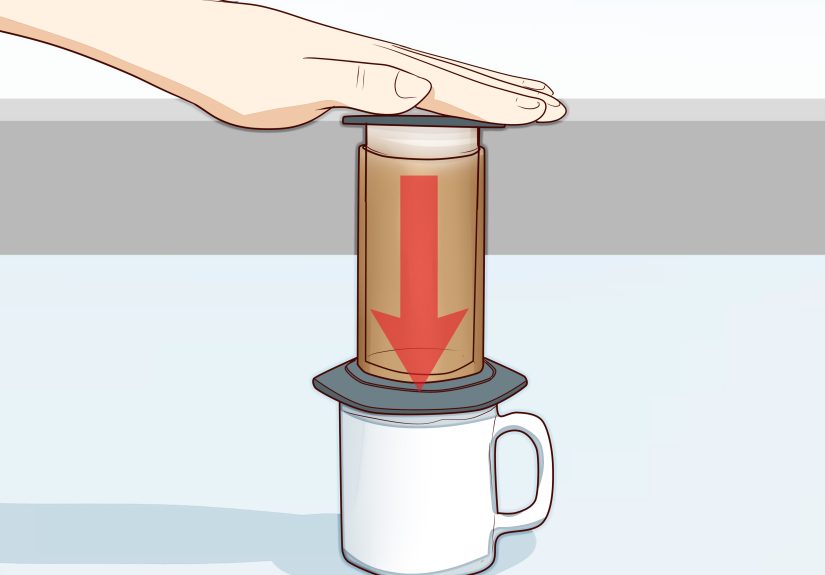
- Press. Insert plunger and press gently, aiming to finish around 2:00–2:15. Stop when you hear a hiss.
- Taste and tweak. If it’s too intense, add hot water (hello, DIY Americano).
Temperature tip (why AeroPress can taste smoother)
AeroPress often shines with slightly cooler water than typical brew methods, especially for darker roasts or if you’re chasing
a smoother, less bitter cup. But lighter roasts can benefit from hotter water and a bit more time. The “right” temperature is the
one that makes you say, “Oh. There you are.”
Two easy variations
-
Concentrate + dilute: Use 17 g coffee with ~120 g water, press, then add ~120 g hot water to your mug.
Great if you like a punchy cup but don’t want it syrupy. -
Inverted method (for fewer drips): Brew with the AeroPress flipped (plunger in first), steep, then flip onto your mug and press.
This reduces early dripping and increases controljust flip carefully, like you’re defusing a delicious little bomb.
Troubleshooting: Fix Your Coffee in 60 Seconds
If it tastes sour
- Grind a bit finer
- Use hotter water
- Increase brew time (or pour slower for pour-over)
If it tastes bitter
- Grind a bit coarser
- Use slightly cooler water
- Shorten brew time (or pour faster for pour-over)
If it tastes weak
- Use more coffee (add 1–2 g)
- Reduce water slightly
- Check that your grind isn’t too coarse for the method
If it tastes “meh”
- Try fresher beans
- Use filtered water
- Clean your gear (old oils can turn coffee stale-tasting fast)
Which Single-Cup Method Should You Pick?
- Pick pour-over if you want a clean, nuanced cup and don’t mind a short ritual.
- Pick French press if you want rich, cozy coffee and maximum forgiveness.
- Pick AeroPress if you want speed, flexibility, and something that travels well.
Honestly, the best method is the one you’ll actually do on a Monday morning without feeling like it’s a second job.
Coffee should improve your lifenot demand a performance review.
Real-Life Single-Cup Coffee Moments (About )
There’s a funny thing that happens when you start making a single cup of coffee on purpose: you stop treating coffee like
background noise and start noticing it like a real food. You might begin with the practical goal“I just want one cup,
not a whole pot”and accidentally end up with a tiny daily ritual you look forward to.
For a lot of people, pour-over becomes the “weekend method,” not because it’s hard, but because it feels like lighting a candle
for your taste buds. You’re standing there pouring in slow circles, watching the bloom rise and fall, and suddenly you realize
you’re not doomscrolling for two full minutes. The coffee tastes brighter, surebut it also tastes like you gave yourself a pause.
And once you’ve had a cup where you can actually pick out something like citrus, caramel, or cocoa, it’s hard to go back to
“generic coffee flavor.”
French press tends to show up when life is busy and you want something comforting. It’s the method you can do half-awake because
it’s basically: add coffee, add water, wait, press. People often describe the first truly good French press cup as “cozy,” and that’s
accurate in a way that sounds silly until you taste it. It’s fuller, rounder, and feels like a warm sweater in liquid form.
It also teaches a key lesson fast: if you let it sit on the grounds too long after pressing, it can turn bitter. So you learn to pour
right awayan oddly satisfying tiny act of decisiveness before your day starts making decisions for you.
AeroPress fans often have a “wait, why is this so good?” moment. The first time you press a clean, aromatic cup in under three minutes,
it feels like cheating. Then the experimenting begins: a little cooler water for a smoother cup, a longer steep for more body, a concentrate
topped up with hot water for an Americano vibe. It becomes a method people use when they want control without fussduring travel, between classes,
before a meeting, or anytime “I want coffee now” meets “I also want it to taste great.”
The most relatable experience across all three methods is the learning curve: the “oops, too bitter” cup, the “why is it sour?” cup, and the
triumphant cup that makes you grin like you just cracked a secret code. And that’s the point. Single-cup brewing isn’t about perfection;
it’s about small adjustments that make your morning better. You’re not chasing café-level credentials. You’re chasing a cup that tastes like you
meant itand once you get that, even your plain old Tuesday feels a little more put together.
Conclusion
A great single cup of coffee comes down to a few controllable choices: measure your coffee and water, match your grind to the method, use hot water
at a sensible temperature, and adjust based on taste. Pour-over gives you clarity and nuance, French press brings comfort and body, and AeroPress
delivers speed and flexibility. Pick one method, brew it three times the same way, then change just one variable at a time. That’s how “good coffee”
becomes your coffee.