Table of Contents >> Show >> Hide
- Acorn Squash 101: What It Is (and Why It’s Called “Winter Squash”)
- Acorn Squash Nutrition Facts (and Why It’s a Smart Side Dish)
- How to Choose the Best Acorn Squash at the Store
- How to Store Acorn Squash the Right Way
- Whole acorn squash: the best conditions
- How long does a whole acorn squash last?
- Do you wash acorn squash before storing?
- Keep it away from certain fruits
- Cut acorn squash: refrigeration is your friend (now)
- Cooked acorn squash: treat it like leftovers
- Freezing acorn squash: the best way to “pause” your squash
- A safety note about canning winter squash
- Prep and Handling Tips That Make Storage Easier
- How to Tell If Acorn Squash Has Gone Bad
- Quick FAQs
- Real-World Experiences: What Acorn Squash Teaches You in Actual Kitchens ()
- Conclusion
- SEO Tags
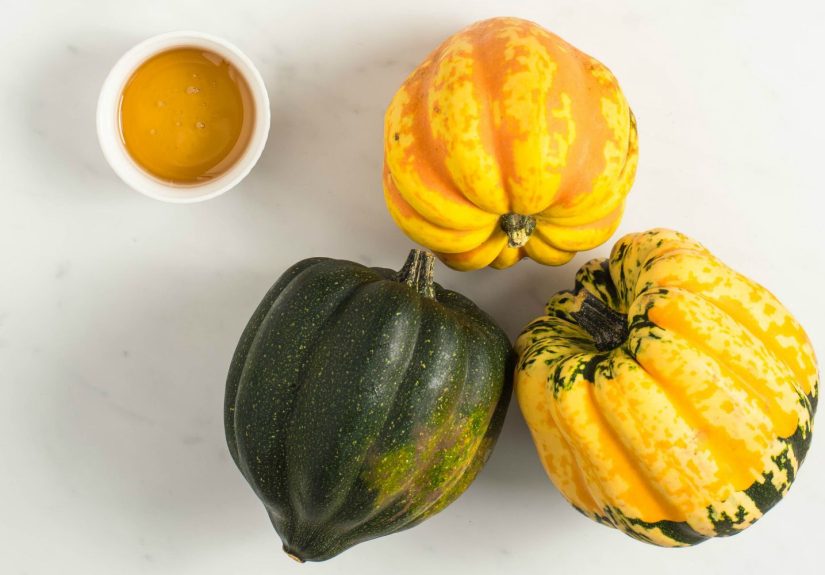
Acorn squash is the small-but-mighty winter squash that shows up every fall looking like it’s dressed for a forest gala: deep green (sometimes with a sunny orange “field spot”), ribbed like it did crunches all summer, and packed with sweet, nutty flavor once cooked. It’s also one of the easiest squashes to shop for and storeif you know a few simple rules.
This guide covers what acorn squash is, what the best ones look and feel like at the store, and how to store it whole, cut, and cooked so you can waste less food and eat more cozy meals. Consider it your squash “owner’s manual,” minus the tiny screws and leftover mystery parts.
Acorn Squash 101: What It Is (and Why It’s Called “Winter Squash”)
What makes an acorn squash an acorn squash?
Acorn squash is a type of winter squashmeaning it’s harvested when mature, with a hard rind designed for storage. It’s typically small to medium, with pronounced lengthwise ridges and a slightly pointed end that resembles an acorn. Inside, you’ll find yellow-orange flesh that becomes tender and sweet when cooked.
Flavor and texture
When roasted, acorn squash tastes gently sweet and slightly nutty, with a texture that can range from silky to pleasantly firm depending on how long you cook it. It’s less “buttery” than butternut squash and less watery than many summer squashesbasically the Goldilocks of weeknight squashes.
When it’s in season
In the U.S., acorn squash is most associated with fall and early winter, but you may see it beyond that thanks to storage and broad distribution. If you love seasonal cooking, this is prime “sweater weather produce.”
Acorn Squash Nutrition Facts (and Why It’s a Smart Side Dish)
Acorn squash earns “nutrient-dense” status without trying too hard. A typical one-cup serving of cooked acorn squash comes in at roughly 115 calories and offers fiber plus a solid lineup of vitamins and minerals. The exact numbers vary by preparation, but nutrition databases commonly list acorn squash as a meaningful source of vitamin C, potassium, magnesium, and other micronutrients.
Why people love it nutritionally
- Fiber: Helps with fullness and supports digestion.
- Potassium: Plays a role in muscle function and fluid balance.
- Vitamin C: Supports immune function and helps your body use iron.
- Carotenoids: The orange flesh signals plant pigments that are often linked with eye and cell health.
A quick “real-life” nutrition note
Acorn squash is naturally higher in carbohydrates than non-starchy vegetables, which is not a bad thingcarbs are not villainsbut it can matter if you’re planning meals around blood sugar goals. Also, anyone on a potassium-restricted diet (often related to kidney conditions) should ask a clinician how squash fits into their plan. The goal is not fearit’s informed grocery shopping.
How to Choose the Best Acorn Squash at the Store
Picking a good acorn squash is refreshingly low drama. You don’t need to sniff it, tap it like a watermelon, or whisper affirmations into the produce bin. Use these cues instead.
1) Pick it up: “Heavy for its size” is the golden rule
A good acorn squash should feel heavy compared with other squashes of similar size. That heaviness usually signals dense flesh and good moisture contentaka the stuff you actually want to eat.
2) Check the rind: firm, dull, and hard (like a tiny helmet)
Look for a hard, intact rind with no soft spots. Many cooking sources recommend a darker, more matte surface rather than a shiny one. Shiny can sometimes indicate the squash was harvested early or waxed; dull often aligns with maturity.
3) Inspect the stem: dry and intact is best
A dry, tan stem is a great sign. An intact stem can help slow moisture loss in storage. Avoid squashes with a stem that looks wet, moldy, or broken off in a way that exposes soft tissue.
4) Don’t panic about the orange spot
That orange patch on one side is often just a “field spot” where the squash rested on the ground while growing. It’s usually normal and not a sign of spoilage. What you don’t want is widespread discoloration paired with softness or leaking.
5) Red flags (put it back gently and walk away)
- Soft, sunken, or spongy areas
- Cracks, deep cuts, or punctures (these invite mold and rot)
- Oozing, wetness, or a fermented smell
- Visible mold (even “just a little” can mean more is happening inside)
How to Store Acorn Squash the Right Way
Storage is where acorn squash really shinesbecause it’s a winter squash with a naturally protective rind. The trick is storing it like winter squash (cool, dry, and ventilated), not like berries (cold, damp, and doomed).
Whole acorn squash: the best conditions
For whole, uncut acorn squash, most Extension and food preservation guidance points to a cool, dry, well-ventilated space. The “sweet spot” commonly recommended is around 50–55°F with moderate humidity (often cited around 50–70% relative humidity) and good airflow. In a typical home, that might be:
- a cool basement corner
- a pantry that stays on the cooler side
- a closet or mudroom that’s not warm and not freezing
Avoid very cold storage for whole squash. Many sources warn that temperatures below about 50°F can cause “chilling injury,” which can shorten shelf life and harm quality. That’s why whole winter squash is often listed among foods that generally don’t belong in the refrigerator (unless your home is extremely warm and you’re using the fridge as a last resort).
How long does a whole acorn squash last?
Shelf life depends on temperature, humidity, ventilation, and whether the squash was nicked in transit. Under good conditions, whole winter squash is often cited as lasting for several weeks to a few months. Acorn squash tends to have a shorter storage life than some thicker-skinned varieties, so think in terms of about 4–8 weeks for best quality, with longer possible when conditions are ideal and the squash is unblemished.
Do you wash acorn squash before storing?
It’s generally better not to wash whole squash before storage. Extra moisture can encourage decay. If your squash is muddy, brush off dirt and save the washing for right before you cook it.
Keep it away from certain fruits
Many Extension resources recommend storing winter squash away from ethylene-producing fruit (like apples and pears). Ethylene is a natural ripening gas, and it can shorten storage life for squash. Translation: your squash does not want to live next to your apple bowl.
Cut acorn squash: refrigeration is your friend (now)
Once you cut an acorn squash, you’ve removed its built-in “storage armor.” Wrap the cut pieces tightly (or seal in an airtight container) and refrigerate. For best quality, use it within a few days. If the cut surface dries a bit, you can often trim itjust don’t ignore any sliminess or off smells.
Cooked acorn squash: treat it like leftovers
Cooked squash should be refrigerated promptly and used within the typical food-safety window for leftovers. Many USDA food safety resources suggest using refrigerated leftovers within 3–4 days. If you won’t eat it in that timeframe, freezing is a smart move.
Freezing acorn squash: the best way to “pause” your squash
You can freeze winter squash successfully, especially when it’s cooked and mashed (or cooked and cubed, depending on your planned use). A practical approach:
- Cook until tender (roast, steam, or boil).
- Scoop flesh from the rind.
- Mash or puree if you’ll use it for soups, baking, or quick sides.
- Cool quickly, then pack into airtight freezer containers with a little headspace.
- Label with the date so Future You doesn’t play “Freezer Archaeology.”
For best quality, many food safety sources suggest using frozen leftovers within a few months (often cited as about 3–4 months for best quality), though it may remain safe longer if continuously frozen. Expect some texture changes after thawingfrozen squash is usually best in soups, casseroles, and baking.
A safety note about canning winter squash
If you preserve food at home, note that trusted preservation guidance generally recommends pressure canning cubes of winter squash (not mashed or pureed). Purees can be too dense for safe heat penetration in home canning. If you want shelf-stable puree, freezing is typically the safer route at home.
Prep and Handling Tips That Make Storage Easier
Wash right before cooking
Even though you don’t eat the rind like an apple (most of the time), you often cut through it. Washing before you slice helps prevent dragging dirt or bacteria from the outside into the flesh.
Cutting without kitchen drama
Acorn squash is sturdywhich is great for storage and less great for flimsy knives. Use a sharp chef’s knife, stabilize it on a cutting board, and take your time. If you need a hack, some cooks microwave the whole squash briefly to soften the rind slightly before cutting (just don’t cook it so long it becomes a hot, rolling bowling ball).
Quick cooking options (because you’ll ask anyway)
- Roast: Halve, scoop seeds, roast cut-side down until tender.
- Microwave: Faster for weeknights; great for mashing or adding to soups.
- Slice into wedges: More surface area = more caramelization.
How to Tell If Acorn Squash Has Gone Bad
Whole squash warning signs
- Soft spots that sink when pressed
- Leaking or wet patches
- Mold on the rind or around the stem
- Off odors (sour, fermented, or “something’s not right”)
Cut or cooked squash warning signs
- slimy texture
- strong off smell
- visible mold
- stored too long in the fridge (beyond a few days for cut, beyond leftover timelines for cooked)
When in doubt, throw it out. Food waste is annoying; food poisoning is worse.
Quick FAQs
Should you refrigerate whole acorn squash?
Usually, no. Whole winter squash tends to store best in a cool, dry place above chilling temperatures. Refrigeration is typically recommended after cutting (and always for cooked squash).
Can you eat the skin?
Acorn squash skin can soften when roasted long enough, and some people eat itespecially if it’s sliced thin or roasted until tender. If you plan to eat the skin, wash it well and choose squash with an unblemished rind.
Does acorn squash get sweeter after harvest?
Winter squash can taste sweeter after a period of storage as starches convert to sugars, depending on variety and conditions. That said, acorn squash is best enjoyed within its quality windowolder squash can become stringy or less vibrant in flavor.
Real-World Experiences: What Acorn Squash Teaches You in Actual Kitchens ()
If you ask ten home cooks how they “learned” acorn squash selection and storage, most won’t say, “I studied humidity ranges and ethylene production.” They’ll say something like, “I bought the pretty one… and it turned into compost.” And honestly? That’s a valid teacher.
The most common “aha” moment is the heavy-for-its-size rule. People try it once and suddenly grocery shopping feels like a superpower. Two squashes look identical, but one feels like a foam prop and the other feels like it’s smuggling a bowling ball. The heavier one almost always roasts up with better textureless watery, more dense, more “I meant to do that.”
Next comes the stem lesson. A lot of us ignore stems until we’ve brought home a squash with a damp, moldy stem end and discovered that decay is not a slow, poetic processit’s fast, rude, and smells like regret. After that, you become the person in the produce aisle peering at stem ends like you’re inspecting antique furniture. Dry and intact? In the cart. Wet and questionable? Back it goes.
Storage experiences are where the comedy really kicks in. Many people try the refrigerator first because it feels “safer,” and then wonder why their squash seems to lose quality. The big shift happens when you treat acorn squash like the sturdy winter vegetable it is: cool (not cold), dry, and ventilated. Some folks swear by a simple cardboard box in a closet. Others use a wire basket in a cooler corner of the kitchen. The “best” setup is usually the one you’ll actually usebecause a perfect storage plan is pointless if it requires a second house with a medieval root cellar.
Then there’s the classic mistake: storing squash right next to an apple bowl. In real kitchens, fruit tends to gather in one spot like it’s attending a tiny produce conference. But apples and pears release ethylene, and over time that can shorten the storage life of nearby squash. People usually notice this after a batch of squash seems to “age” faster than expected, and then they rearrange the pantry like they’re separating feuding cousins at a wedding.
On the cooking side, a lot of experience comes down to timing. Roast an acorn squash too little and it’s firm and bland, like it’s still thinking about becoming a pumpkin someday. Roast it too long and it can become stringy. The sweet spot is tender flesh that yields easily to a fork but still holds its shape if you’re stuffing it. Once you nail that, you start using acorn squash as a reliable weeknight base: fill halves with sautéed greens and sausage, toss cubes into grain bowls, mash it with a little butter and salt, or puree it into soup when the weather turns.
And finally, everyone develops a “waste-less” habit: cook once, plan twice. Roast two squashes at the same time, eat one fresh, then scoop and freeze the other for quick soups, muffins, or a fast side dish later. It’s the kind of kitchen routine that feels suspiciously adultin the best way.
Conclusion
Acorn squash is a fall favorite for a reason: it’s flavorful, versatile, and (when stored correctly) surprisingly low-maintenance. Choose squashes that are heavy, firm, and free of soft spots, store whole squash in a cool, dry place with airflow, refrigerate only after cutting, and treat cooked squash like any other leftover. Do that, and you’ll spend less time throwing out sad squash and more time eating the good stuffpreferably with something delicious melting on top.