Table of Contents >> Show >> Hide
- What Makes an Italian Meatloaf “Italian”?
- Ingredients for Italian Meatloaf
- Step-by-Step Italian Meatloaf Instructions
- Serving Suggestions
- Tips to Keep Italian Meatloaf Moist and Flavorful
- Make-Ahead, Storage, and Freezer Tips
- Variations on Italian Meatloaf
- Italian Meatloaf Recipe: Real-Life Tips & Experiences
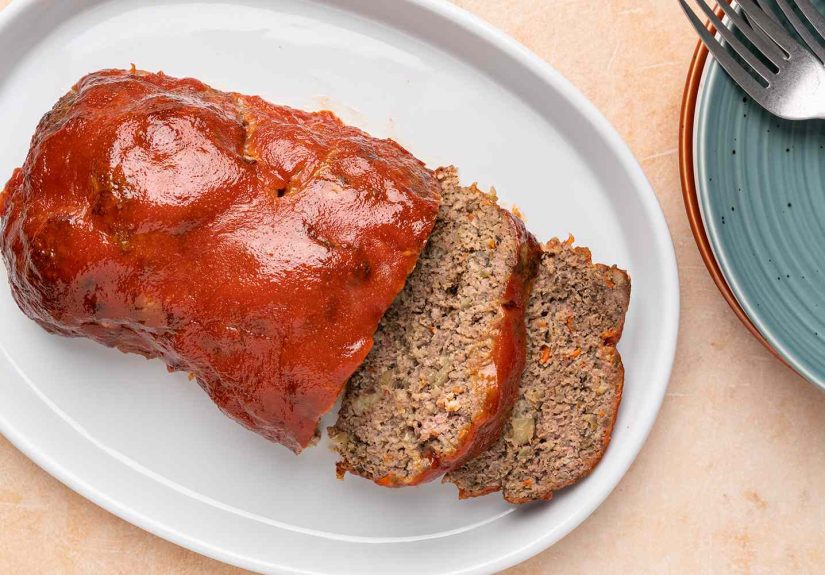
Think of this Italian meatloaf as one giant, cheesy meatball that decided to grow up and become dinner.
It’s juicy, loaded with garlic and herbs, hugged in marinara sauce, and finished with a gooey blanket of mozzarella.
If your usual meatloaf feels a little “school cafeteria,” this Italian-style version is here to file a formal flavor complaint.
In this guide, we’ll walk through a foolproof Italian meatloaf recipe, plus tips for keeping it moist,
flavorful, and weeknight-friendly. You’ll also get ideas for variations, sides, and how to turn leftovers into
sandwiches that might actually cause fights at the lunch table (the good kind).
What Makes an Italian Meatloaf “Italian”?
Classic American meatloaf leans on ketchup, onion, and sometimes a brown-sugar glaze. Italian meatloaf keeps
the comforting loaf shape but borrows its flavor playbook from Italian-American favorites like meatballs and
baked pasta:
- Italian breadcrumbs instead of plain: seasoned with herbs and cheese for built-in flavor.
- Parmesan and mozzarella: salty, nutty Parm inside; stretchy mozzarella for pockets of cheese and a melty top.
- Marinara sauce instead of (or in addition to) ketchup: brings tomato, garlic, and herbs to the party.
- Fresh herbs and Italian seasoning: basil, parsley, oregano, and sometimes a pinch of red pepper flakes.
- Olive oil and sometimes balsamic or Worcestershire for depth and a subtle tang.
The result is comfort food that feels just a little more speciallike Sunday dinner in loaf form.
Ingredients for Italian Meatloaf
Servings and Timing
This recipe makes about 6–8 servings and bakes in roughly 55–65 minutes,
depending on your oven and the thickness of the loaf. You’re aiming for an internal temperature of
160°F in the center.
For the Meatloaf
- 1 1/2 pounds ground beef (80–85% lean works best)
- 1/2 pound Italian sausage, casing removed (mild or hot, your choice)
- 1 cup Italian-style dry breadcrumbs
- 1/2 cup grated Parmesan cheese (freshly grated if possible)
- 1 cup shredded mozzarella cheese (divided: 1/2 cup in the loaf, 1/2 cup on top)
- 2 large eggs, lightly beaten
- 1/2 cup whole milk (or half-and-half for extra richness)
- 1/2 medium yellow onion, finely minced
- 3 cloves garlic, minced
- 1/4 cup chopped fresh parsley
- 1 tablespoon chopped fresh basil (or 1 teaspoon dried)
- 1 teaspoon Italian seasoning
- 1 teaspoon kosher salt (plus more to taste)
- 1/2 teaspoon freshly ground black pepper
- 1 tablespoon Worcestershire sauce
- 1 tablespoon balsamic vinegar (optional but delicious for depth)
- 2 tablespoons olive oil (for sautéing and drizzling)
For the Marinara Glaze
- 1 1/2 cups marinara sauce (homemade or jarred, good quality)
- 1 tablespoon tomato paste (for extra richness, optional)
- 1 teaspoon dried oregano
- 1 teaspoon sugar (only if your sauce is very tangy)
- Pinch of red pepper flakes (optional)
Optional Add-Ins and Variations
- 1/2 cup finely diced red bell pepper, sautéed
- A handful of baby spinach, chopped and wilted
- Extra mozzarella or provolone slices to “stuff” inside the loaf
Step-by-Step Italian Meatloaf Instructions
1. Prep the Oven and Pan
- Preheat your oven to 350°F (175°C).
-
Line a rimmed baking sheet with parchment paper or lightly grease a loaf pan.
Using a baking sheet instead of a loaf pan allows the sides to caramelize a bit more,
which adds flavor and texture.
2. Soften the Aromatics
-
In a small skillet, heat the olive oil over medium heat. Add the minced onion (and bell pepper,
if using) with a pinch of salt. Cook for 4–5 minutes, until softened and just beginning to turn golden. -
Add the garlic and cook for 30 seconds more, just until fragrant. Remove from the heat and let cool
slightly so it doesn’t scramble the eggs later.
3. Build the Flavor Base
-
In a large mixing bowl, combine the breadcrumbs, Parmesan, half of the mozzarella (1/2 cup),
parsley, basil, Italian seasoning, salt, pepper, Worcestershire sauce, and balsamic vinegar. -
Stir in the milk and the lightly beaten eggs. Let this mixture sit for about 5 minutes.
This step allows the breadcrumbs to hydrate and creates a panade, which keeps the meatloaf tender
instead of dense or rubbery. - Add the cooled onion/garlic mixture to the bowl and stir to combine.
4. Add the Meat (Without Overmixing)
-
Add the ground beef and Italian sausage to the bowl. Using your hands or a fork, gently fold
everything together just until combined. Try not to “knead” the mixtureoverworking the meat can
make the finished loaf tough. -
If the mixture feels overly wet, sprinkle in a tablespoon or two more breadcrumbs.
If it feels dry or crumbly, add a splash more milk. You’re aiming for a cohesive mixture
that holds its shape but isn’t stiff.
5. Shape and (Optionally) Stuff the Meatloaf
-
Transfer the meat mixture to your prepared baking sheet. Shape it into a loaf about
9–10 inches long and 3–4 inches high, patting the sides to make it compact and even. -
For a stuffed version, you can:
- Flatten the mixture on parchment into a rectangle, sprinkle the center with mozzarella,
- Roll it up into a log, pinching the seams closed so the cheese stays inside while baking.
6. Mix and Add the Marinara Glaze
-
In a small bowl, stir together the marinara, tomato paste, oregano, sugar (if using),
and red pepper flakes. -
Spoon about half of the marinara mixture over the top and sides of the meatloaf to coat it.
Reserve the remaining half for serving.
7. Bake to Juicy Perfection
-
Bake the meatloaf for 40–45 minutes. Carefully remove from the oven,
sprinkle the remaining mozzarella evenly over the top, and return to the oven. -
Continue baking for another 15–20 minutes, or until the cheese is melted and
bubbly and the internal temperature reaches 160°F in the center. -
Let the meatloaf rest for 10 minutes before slicing. This allows the juices to
redistribute so the slices don’t fall apart.
8. Serve with Extra Sauce
-
Warm the reserved marinara sauce and spoon it over each slice at the table,
just like you’d do with meatballs and spaghetti.
Serving Suggestions
Italian meatloaf plays well with a lot of side dishes. Here are some easy pairings:
- Garlic mashed potatoes or creamy polenta for a comfort-food-on-comfort-food moment.
- Buttered pasta or spaghetti tossed in extra marinara for a meatball-adjacent dinner.
- Roasted vegetables like broccoli, green beans, or zucchini for some balance.
- Simple salad with a bright vinaigrette to cut through the richness.
For leftovers, slice the meatloaf and sear each slice in a hot skillet with a bit of olive oil until
lightly crisp on the edges. Slide it into a toasted roll with marinara and more cheese and you’ve
basically made yourself a meatball sub without rolling a single meatball.
Tips to Keep Italian Meatloaf Moist and Flavorful
-
Use a mix of meats. Combining ground beef with Italian sausage adds fat and seasoning,
which keeps things juicy and flavorful. -
Don’t skip the panade. Moist breadcrumbs + milk (and eggs) lock in moisture and
soften the texture. - Avoid overmixing. Treat the meat mixture gently so the loaf isn’t dense.
-
Let it rest. Just like roast chicken or steak, resting time matters.
Cutting too early lets the juices escape. -
Season in layers. Salt in the breadcrumb mixture, seasoning in the sauce,
and flavorful cheese all work together. - Check doneness with a thermometer. 160°F is your sweet spot for cooked-through but still moist.
Make-Ahead, Storage, and Freezer Tips
-
Make-ahead (unbaked): Shape the meatloaf on a baking sheet, cover tightly,
and refrigerate for up to 24 hours. Add the glaze right before baking. - Leftovers: Store sliced meatloaf in an airtight container in the fridge for up to 3–4 days.
-
Freezer-friendly: Wrap the whole cooked loaf or individual slices in plastic wrap and then foil.
Freeze for up to 3 months. Thaw overnight in the fridge and reheat gently in the oven (covered) with a little
extra marinara.
Variations on Italian Meatloaf
-
Turkey Italian Meatloaf: Swap ground turkey for beef and sausage, add a bit more olive oil,
and keep an eye on cook time so it doesn’t dry out. -
Stuffed Italian Meatloaf: Roll mozzarella, provolone, spinach, or even a layer of ham
into the center for a roulade-style loaf. -
Mini Italian Meatloaves: Shape the mixture into smaller individual loaves or muffin-tin
portions to cut down bake time and make serving easier. - Spicy Version: Use hot Italian sausage and add extra red pepper flakes to the glaze.
Italian Meatloaf Recipe: Real-Life Tips & Experiences
Italian meatloaf is one of those recipes that evolves a little every time you make it.
The first time, most people keep it simple: ground beef, some breadcrumbs, sauce, cheese, done.
Then you realize how forgiving and flexible it is, and suddenly you’re tweaking everything from the
herbs to how much cheese you can reasonably fit inside without causing a structural failure.
One of the biggest “aha” moments for many home cooks is understanding just how important texture is.
If you’ve ever sliced into a loaf that looked beautiful but chewed like a brick, it’s almost always
about overmixing or under-hydrating the breadcrumbs. Treating Italian meatloaf the way you would
delicate meatballsmixing gently, letting the crumbs soak, and respecting the panadeturns a basic
weeknight dish into something that tastes like it came from a family recipe box.
Another experience that changes the game is experimenting with cheese. At first, you might only sprinkle
mozzarella on top and call it a day. But once you tuck a layer of cheese into the middle or roll it up
into the loaf, dinner suddenly gets a bit dramatic in the best way. Watching melted mozzarella ooze out
of a freshly cut slice pretty much guarantees you’ll be asked to “make that Italian meatloaf again” on repeat.
People also quickly learn that sauce choice matters more than they expected. A thin, bland marinara will
just slide off and leave the loaf tasting flat. A thicker, well-seasoned sauce with garlic, onion, and herbs
clings to the meat and creates that perfect sticky, caramelized top. Some cooks swear by adding a spoonful
of tomato paste to store-bought marinara for extra body, or stirring in a splash of balsamic for a subtle
sweetness and tang.
Then there are the side-dish experiments. Early on, you might default to mashed potatoes or basic pasta.
Over time, people find their own traditions: some always serve Italian meatloaf with roasted broccoli and
lemon, others with a big Caesar salad and crusty bread, and some build entire “Italian meatloaf nights”
around it with antipasto platters and roasted vegetables. It’s the kind of dish that quietly becomes
part of a household’s routineespecially because it’s budget-friendly, feeds a crowd, and reheats well.
Leftovers deserve their own shout-out. Many cooks say their favorite way to enjoy this dish is actually
on day two, sliced, pan-seared, and tucked into a toasted Italian roll with marinara and extra cheese.
It turns into a meatball sub without all the rolling and frying. Some slice it thin and serve it over
polenta; others cube it and stir it into leftover pasta with sauce. Once you realize how versatile
leftover slices are, you’ll start planning for “extra” on purpose.
Finally, Italian meatloaf tends to become a “teachable” recipe in families. It’s simple enough that kids
can help tear bread, sprinkle cheese, or measure breadcrumbs, but forgiving enough that a slightly uneven
loaf or heavy-handed cheese sprinkle won’t ruin anything. Over the years, small adjustmentsmore garlic here,
extra basil there, maybe swapping in turkey once in a whileadd up to your own signature version.
That’s the sweet spot: a dish that started from a basic Italian meatloaf recipe but now tastes unmistakably
like something that belongs to your kitchen.
Whether you’re trying to impress guests with a comforting main course or just want to dress up your weekly
meatloaf routine, this Italian twist delivers big flavor without adding much complexity. Once you’ve made it
a few times, you’ll barely need to look at a recipeyou’ll just mix, shape, sauce, and bake on autopilot,
knowing a cozy, crowd-pleasing dinner is on its way out of the oven.