Table of Contents >> Show >> Hide
- What Does “Bad Hygiene” Mean?
- Common Signs of Bad Hygiene
- 1) Persistent body odor (even when you “didn’t sweat that much”)
- 2) Bad breath, visible plaque, or irritated gums
- 3) Greasy hair, scalp buildup, or frequent itching
- 4) Dirty or long nails, grime under nails, or infected cuticles
- 5) Wearing unwashed clothes repeatedly
- 6) Skin issues that keep coming back
- 7) A “missed areas” problem
- Why Hygiene Matters (Yes, Beyond “Not Offending Nostrils”)
- Bad Hygiene Isn’t Always About Laziness: Common Root Causes
- How to Fix Bad Hygiene (Without Turning Your Life Into a Spreadsheet)
- When Bad Hygiene Might Be a Medical or Mental Health Red Flag
- Quick Myths (Because the Internet Has Feelings About Soap)
- of Real-Life Hygiene Experiences (What It Looks Like in the Wild)
- Conclusion
Hygiene is basically the “membership fee” for existing in a world with other humans. It’s not about smelling like a
lavender-scented candle aisle or scrubbing yourself into a new personality. It’s about everyday habits that keep you
healthier, help prevent infections, and make life more comfortable for you (and everyone who shares an elevator with you).
In this guide, we’ll define what “bad hygiene” really means, walk through common signs, explain why it matters for
health and relationships, and share practical ways to improvewithout shame, judgment, or a 47-step “glow-up routine.”
What Does “Bad Hygiene” Mean?
Hygiene refers to behaviors that improve cleanliness and support good health. “Bad hygiene” (also called poor personal hygiene)
usually means those habits aren’t happening often enoughor effectively enoughto keep germs, sweat, and bacteria from building up.
Bad hygiene isn’t one skipped shower
Everyone has off days. Bad hygiene is more of a patternlike consistently not washing hands at key times,
rarely changing clothes, or neglecting oral care until your toothbrush starts filing a missing-person report.
It’s also not always a “choice”
Poor hygiene can show up when someone is dealing with depression, chronic illness, mobility limits, sensory issues, or lack of access
to water and supplies. So while hygiene habits matter, the reasons behind them matter too.
Common Signs of Bad Hygiene
These signs don’t automatically mean someone is “dirty” or “lazy.” But if several of these show up consistently, it may be time
to reset the routineor check for health or mental health barriers.
1) Persistent body odor (even when you “didn’t sweat that much”)
Sweat itself doesn’t usually smell. Odor often happens when sweat mixes with bacteria on the skin, especially in warm areas like
the underarms, groin, and feet. If bathing, clean clothes, and deodorant/antiperspirant aren’t happening regularly, odor can build.
2) Bad breath, visible plaque, or irritated gums
If brushing is inconsistent or flossing is “a special occasion activity,” plaque can hang around, gums can get irritated,
and breath can turn into a workplace hazard. Bad breath can also be a sign of dental issues or other medical conditions,
so persistent halitosis deserves attention.
3) Greasy hair, scalp buildup, or frequent itching
Hair and scalp needs vary (texture, products, activity level, and skin type all matter). But if hair is consistently greasy,
itchy, or has heavy buildupespecially with an unwashed scalpit may signal that washing frequency or technique needs adjusting.
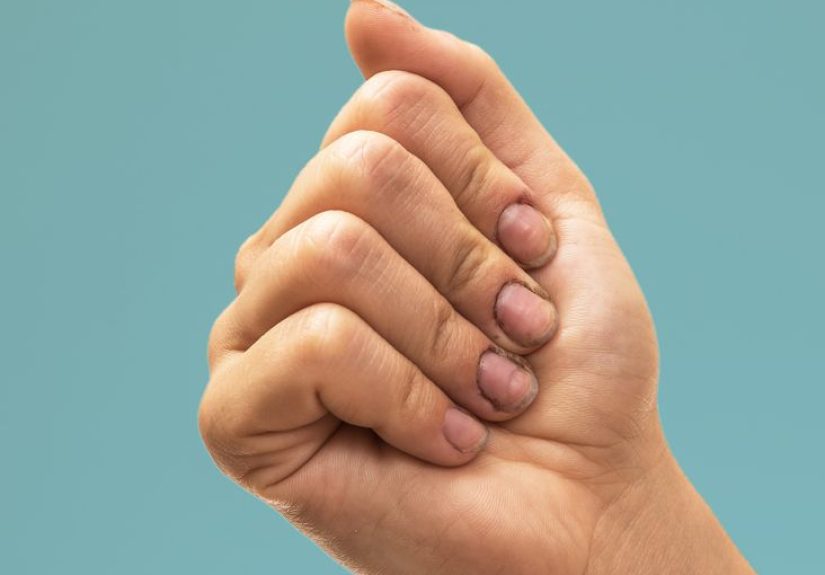
4) Dirty or long nails, grime under nails, or infected cuticles
Hands do a lot of “life handling,” and nails are basically tiny shelves where dirt can move in and refuse to pay rent. If nails are
rarely trimmed or cleaned, germs can transfer more easilyespecially when eating, rubbing eyes, or caring for others.
5) Wearing unwashed clothes repeatedly
Re-wearing a hoodie? Normal. Re-wearing sweaty gym clothes for three days? That’s a bacteria party. Clothes, socks, and underwear
collect sweat, skin cells, and microbes. If laundry is rarely done, odor and skin irritation can follow.
6) Skin issues that keep coming back
Poor hygiene doesn’t cause every rash on Earthbut it can contribute to recurring problems like body acne, intertrigo (irritation in
skin folds), and fungal infections. Feet are a classic example: warm, moist shoes plus unwashed feet can help fungi thrive.
7) A “missed areas” problem
Many people wash the obvious spots and unintentionally skip the rest (feet, behind ears, belly button, back, or skin folds).
This isn’t about perfection; it’s about being intentional with the areas that tend to collect sweat and bacteria.
Why Hygiene Matters (Yes, Beyond “Not Offending Nostrils”)
1) Hygiene helps prevent the spread of germs and infections
Handwashing and basic body hygiene reduce the spread of germs that cause illness. That matters at home, at work, in schools,
and especially around infants, older adults, and anyone with a weaker immune system.
2) It protects skinyour body’s front-line barrier
Skin is your built-in protective armor. But when sweat, friction, and bacteria build up (especially in warm, moist areas),
irritation and infection become more likely. Good hygiene supports skin comfort and reduces the odds of problems that can
snowball into bigger issues.
3) It supports oral health (and can save your wallet)
Brushing and flossing aren’t just cosmetic. They help remove plaque, reduce gum inflammation, and lower the risk of cavities
and gum disease. Andsad but truedental problems can get expensive fast.
4) It helps prevent certain contagious skin conditions
Some germs spread through close contact or shared items like towels and razors. Basic hygiene behaviorswashing regularly,
keeping wounds clean and covered, not sharing personal itemsare simple steps that reduce transmission risk.
5) It affects mental health, confidence, and social life
Feeling clean can make you feel more “together,” which can boost mood and confidence. On the flip side, hygiene neglect can be a
visible sign that someone is strugglingespecially with depression or other mental health conditions. Compassion matters here.
Bad Hygiene Isn’t Always About Laziness: Common Root Causes
- Mental health: Depression, severe anxiety, and other conditions can make basic tasks feel impossible.
- Chronic illness or disability: Pain, fatigue, mobility limits, or recovery from surgery can disrupt routines.
- Neurodivergence: ADHD can affect planning and consistency; sensory issues can make showers or brushing hard.
- Life overload: New parenthood, caregiving, multiple jobs, or grief can shrink your “executive function budget.”
- Access barriers: Housing instability, lack of clean water, or limited funds for supplies can be a real obstacle.
If any of these ring true, the goal isn’t to “power through” with guilt. It’s to build a routine that fits reality.
How to Fix Bad Hygiene (Without Turning Your Life Into a Spreadsheet)
Start with the “Core Four”
If you only have energy for the basics, focus here. These areas give the biggest health and comfort payoff:
- Hands: Wash at key moments (after bathroom use, before eating/cooking, after handling animals, after coughing/sneezing).
- Mouth: Brush twice daily with fluoride toothpaste; floss daily (or use interdental tools you’ll actually use).
- Hot spots: Clean armpits, groin, and feet regularlyespecially after sweating.
- Clothes: Fresh underwear and socks daily; wash sweaty clothes and towels regularly.
Make showering smarter, not harsher
More soap isn’t always better. Long, hot showers and harsh cleansers can dry out skin and irritate it. Many people do fine showering
several times per week, focusing on sweat-prone areas, and adjusting based on workouts, weather, job conditions, and skin type.
If odor is the issue, try these upgrades:
- Change into clean clothes after sweating.
- Use an antiperspirant (reduces sweat) or deodorant (masks odor) as needed.
- Dry thoroughly after bathingespecially between toes and in skin folds.
Oral hygiene: the 4-minute investment
Brush two minutes in the morning and two minutes before bed. Add daily flossing (or an interdental brush/water flosser)
to remove plaque where toothbrush bristles can’t reach. If you struggle with consistency, floss picks by the couch are not “lazy.”
They’re strategic.
Foot hygiene: small habit, huge payoff
- Wash feet and dry well, especially between toes.
- Change socks daily (more if they get wet).
- Rotate shoes so they dry out between wears.
Nail hygiene: 30 seconds that matters
Keep nails trimmed and clean underneath, especially if you cook, garden, handle kids’ stuff, or work in healthcare. If you notice nail changes,
discoloration, or persistent issues, a clinician may need to rule out infection or other causes.
When you have low energy: “minimum viable hygiene”
On hard days, aim for a basic resetsomething you can do in under five minutes:
- Wipe down armpits/groin/feet (body wipes or a warm washcloth).
- Brush teeth (even 30 seconds is better than zero).
- Fresh underwear and socks.
- Clean shirt if possible.
This isn’t “giving up.” It’s a bridge back to your routine.
When Bad Hygiene Might Be a Medical or Mental Health Red Flag
See a dentist or clinician if you notice:
- Bad breath that doesn’t improve with consistent oral care.
- Bleeding gums, tooth pain, or visible swelling.
- Skin redness, warmth, swelling, pus, fever, or rapidly worsening sores.
- Sudden changes in body odor or sweating levels that feel unusual for you.
If hygiene decline is tied to mental health
If someone’s hygiene has dropped off because they’re depressed, overwhelmed, or struggling, shame won’t fix itbut support might.
Consider talking with a healthcare professional or a mental health provider. Sometimes the most helpful first step is simply telling someone,
“I’m not okay, and I’m having trouble taking care of myself.”
Quick Myths (Because the Internet Has Feelings About Soap)
Myth: “If you don’t shower daily, you have bad hygiene.”
Not necessarily. Many people don’t need daily full-body scrubbing. Hygiene is about being clean where it counts and adjusting to your body and life.
Myth: “Mouthwash replaces brushing and flossing.”
Mouthwash can help freshen breath, but it doesn’t remove plaque like brushing and flossing do. Think of it as a supporting actor, not the lead.
Myth: “Feminine hygiene means douching.”
In general, the vagina is self-cleaning, and harsh products can disrupt natural balance. If you’re concerned about odor or discharge changes,
it’s better to speak with a clinician than to try strong “freshening” products that may irritate.
of Real-Life Hygiene Experiences (What It Looks Like in the Wild)
Experience #1: The roommate situation
A friend once told me about a roommate who “never smelled bad,” yet their towels always had a sour, damp odor. Turns out the roommate showered
regularlybut reused the same towel for weeks and left it wadded up on the bathroom floor. The towel wasn’t drying, bacteria were thriving,
and the smell followed them like an unwanted subscription. The fix was surprisingly simple: two towels in rotation, hang them properly, wash weekly,
andthis is keydon’t treat the floor like a towel rack. Lesson learned: hygiene isn’t just about your body; it’s also about what touches your body.
Experience #2: The “busy professional” spiral
Another common story: a person gets slammed at work, starts skipping lunch, then skipping sleep, and suddenly the basics slide. Laundry piles up,
they re-wear sweaty undershirts, and they rely on extra deodorant like it’s a magic spell. But body odor isn’t just “sweat”it’s sweat plus bacteria
plus fabric that hasn’t been washed. Once they shifted to a “two-minute nightly reset” (quick shower focusing on underarms/groin/feet, clean shirt,
fresh socks), everything improved. The big insight: when life is chaotic, a smaller routine is often more sustainable than an “ideal” routine.
Experience #3: Depression and the toothbrush standoff
Many people describe depression as losing the ability to do “easy” thingslike showering or brushing teethbecause even standing up feels like lifting
a refrigerator. One person shared that brushing felt pointless when they were already convinced nothing would get better. What helped wasn’t a lecture;
it was lowering the bar: brushing for 30 seconds, keeping floss picks by the bed, and using mouthwash on the worst days. Over time, those tiny actions
became a signal: “I’m still here, and I’m worth basic care.” Hygiene didn’t cure depressionbut it became a small, steady tool that supported recovery.
Experience #4: Caregiving and the “invisible needs” problem
Caregiverswhether for kids, aging parents, or a sick partneroften put themselves last. I’ve heard versions of this: “I bathed everyone else today,
and then I ran out of time and energy for me.” The solution wasn’t perfection; it was planning for reality. They stocked gentle wipes, dry shampoo,
and a simple dental kit in two places (bathroom and bedroom). They also scheduled laundry like a health task, not a “someday” chorebecause clean socks
and towels actually affected skin comfort and infections. The takeaway: if you’re caring for others, basic hygiene isn’t indulgentit’s maintenance.
Conclusion
Bad hygiene isn’t about moral failure. It’s usually a mix of habits, barriers, and life circumstances. The goal is simple: reduce germs, prevent
problems, and feel more comfortable in your own skin. Start with the Core Four, aim for “minimum viable hygiene” on hard days, and get support if
mental health or medical issues are in the way. Small steps countand they add up faster than you think.