Table of Contents >> Show >> Hide
- The “3-Way Dress” Isn’t a GimmickIt’s a Design Category
- Why This Designer’s Multiway Dress Goes Viral
- How Designers Engineer One Dress Into Many Looks
- At Least 3 Ways to Style It (Plus a Few More Because We’re Here)
- Styling It Like a Pro: Occasion Playbook
- Fit, Support, and Comfort: The Not-So-Glamorous Truth
- The Sustainability Angle: Buy Less, Wear More (Without Being Boring)
- How to Shop Smart for a Multiway Dress (So You Don’t End Up With a “One-Way” Dress)
- Care Tips: Keep the Magic Alive
- FAQ: Quick Answers for Real People
- Extra: of Real-World Experiences With Multiway Dresses
- Final Thoughts
- SEO Tags
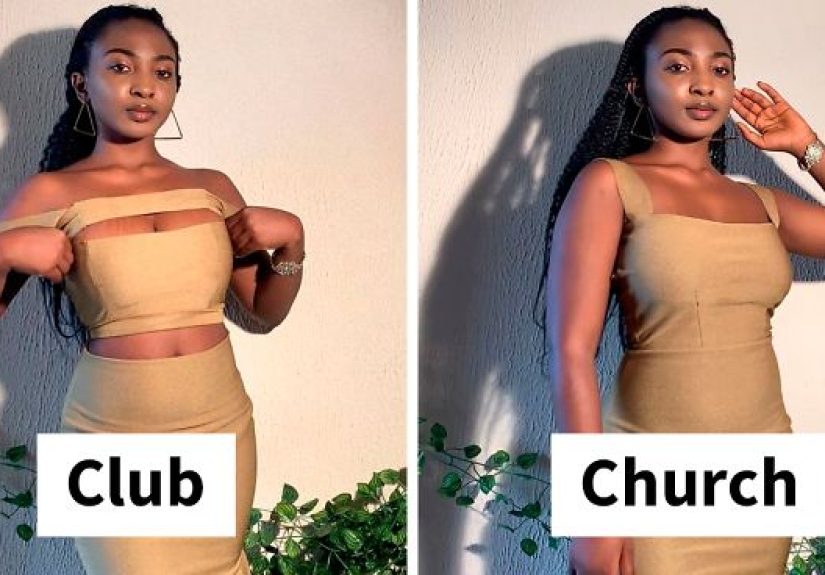
Somewhere between “I need something to wear” and “I refuse to buy a whole new personality for one event,” a fashion designer drops a dress onlineand suddenly
everyone’s doing outfit origami. One minute it’s a clean halter. The next minute it’s an off-the-shoulder moment. Then it’s a one-shoulder, ruched, “Did you
borrow that from a red carpet stylist?” situation. Same dress. Same person. Three (or more) distinct looks.
That’s the magic of the viral multiway dress: it’s part design, part clever engineering, and part internet dopamine. It scratches a very modern itchgetting more
wear out of what you already ownwhile also giving the algorithm a satisfying “before/after” transformation it can’t resist.
The “3-Way Dress” Isn’t a GimmickIt’s a Design Category
When people say a dress can be styled in at least three ways, they’re usually talking about one of these families of designs:
1) The Infinity (or Multiway Wrap) Dress
This is the viral MVP you’ve probably seen at weddings. It typically has a fitted skirt (often maxi), plus two long straps attached at the waist or bodice that
can be wrapped, twisted, crossed, and tied into different necklines. The “three ways” promise is conservativemany versions show 10+ styling options.
2) The Convertible Dress With Detachable Parts
Think removable sleeves, adjustable hemlines, or a detachable overskirt. The dress changes shape through zippers, buttons, snaps, ties, or hidden fastenersso
it can shift from modest to sleek, day to night, or midi to mini without needing a second outfit.
3) Modular or Transformable Fashion (The Grown-Up Term)
“Modular” is the industry’s way of saying: “This garment is designed to be reconfigured.” It’s often discussed as a sustainability strategy because one piece can
do the job of multiple itemsat least in theoryif it’s easy and enjoyable to use.
Why This Designer’s Multiway Dress Goes Viral
Viral fashion doesn’t happen just because something is cute. It happens because it’s shareable. Multiway dresses are basically built for social media:
- Instant transformation: A five-second twist turns into a new neckline. That’s satisfying content.
- Value story: “One dress, multiple looks” sounds like a smart purchaseeven before you check your bank account.
- Wedding practicality: Bridesmaids can match in color but personalize the neckline, which solves the “We’re identical clones” photo problem.
- Travel and closet minimalism: One packable dress can cover multiple plans without requiring a second suitcase (or a second mortgage).
- Comment bait: People love asking, “Okay but how do you tie it like that?”and every question feeds the post.
Add in a designer who can explain the “why” behind the patternhow the straps are placed, why the fabric drapes the way it doesand you get content that feels
both stylish and oddly educational. Like a fashion TED Talk, but with better lighting.
How Designers Engineer One Dress Into Many Looks
A multiway dress only works if it’s designed with structure and movement in mind. Here’s what’s usually happening behind the scenes:
Fabric choice is the whole game
Most successful multiway dresses use fabric with stretch and drapeoften jersey blendsbecause you need straps that can wrap snugly without cutting in, and a body
that moves with you instead of fighting you. Too stiff, and you can’t twist. Too slippery, and you’ll be re-tying it all night.
Strap length and anchor placement matter
Those long straps aren’t random. They’re engineered to create enough length for multiple routes (over one shoulder, around the neck, across the back, etc.) while
anchoring at a point that provides stabilitytypically the waistline or a supportive bodice seam.
The skirt balances the drama
Many infinity dresses keep the skirt relatively simple (A-line or straight maxi) because the top is doing a lot of work. The skirt becomes the calm friend who
drives you home safely after the straps have done their interpretive dance.
Convertible hardware stays hidden
In modular designs, good designers hide fasteners in seams or folds. The goal is for the garment to look intentional in every configurationnot like it’s
halfway through a costume change.
At Least 3 Ways to Style It (Plus a Few More Because We’re Here)
Below are three classic, reliable styles that work for most wrap-style multiway dressesand several bonus variations. (Always test ties at home first. Nobody
wants to discover “unexpected backless” at a family event.)
Style #1: The Clean Halter
- Bring both straps up from the waistline and cross them behind your neck.
- Pull them back down toward your waist, keeping tension even.
- Tie at the back or side waist in a secure double knot.
Best for: Weddings, summer events, and anyone who wants a polished neckline without fuss.
Style #2: The One-Shoulder Twist
- Take both straps up over one shoulder.
- Twist the straps together once or twice for structure.
- Wrap around the torso and tie at the waist.
Best for: When you want “fashion” with minimal effort, and you like a little asymmetry.
Style #3: Off-the-Shoulder (Soft Sleeve Effect)
- Bring straps up and across the chest.
- Lay them outward over the upper arms like a gentle sleeve.
- Cross in the back, wrap to the front, and tie at the waist.
Best for: Romantic vibes, broader shoulder balance, and anyone who wants arm coverage without a jacket.
Bonus Styles (Because “At Least 3” Is Just the Trailer)
- Crisscross Front: Cross straps at the chest before looping behind the neck and tying at the waist.
- Cap Sleeve: Create a small fold at the shoulder with each strap, then wrap around the torso and tie.
- High Neck: Wrap straps up and around the neck like a scarf, then secure at the back waist.
- Strapless (With a Bandeau): Use a bandeau or tube top underneath, wrap straps horizontally across the bust, then tie.
- Open Back Drama: Route straps around the front, cross low in back, and tie at the side waist for a back-focused look.
Styling It Like a Pro: Occasion Playbook
For weddings (bridesmaids or guests)
Match the color, vary the neckline. This is why infinity dresses show up in bridal parties: everyone looks coordinated, but people still look like themselves.
Pro tip: decide on “approved” necklines ahead of time (three is plenty) so photos don’t look like a fashion experiment sponsored by chaos.
For work or daytime events
Choose higher coverage: a cap-sleeve style, a modest V, or a higher neck wrap. Pair with a blazer or cropped cardigan. The goal is “versatile professional,” not
“accidentally reinvented eveningwear in the break room.”
For travel
Multiway dresses shine when you’re packing light. Pick wrinkle-resistant fabric, bring two pairs of shoes (sneakers + sandals or boots), and use accessories to
shift the vibe. One dress becomes brunch, museum, dinner, and “I got lost but I look cute” all in one.
For date night
Go asymmetrical or backless (if the dress design supports it). Add statement earrings and a slick bag. The dress does the heavy liftingyour job is to not spend
45 minutes deciding between “twist” and “extra twist.”
Fit, Support, and Comfort: The Not-So-Glamorous Truth
The internet loves “one size fits all” claims, but real bodies are wonderfully non-standard. Here’s how to make multiway dresses work in real life:
- Straps should feel secure, not punishing: If you’re constantly adjusting, the tension isn’t distributed evenly.
- Use the right base layer: A bandeau, strapless bra, or supportive shapewear can improve comfort, especially for strapless styles.
- Mind the fabric thickness: Thicker jersey tends to smooth and hold knots better than ultra-thin, clingy knits.
- Practice the tie: The first time should not be in a hotel bathroom ten minutes before the event. That’s how legends (and minor tragedies) are made.
The Sustainability Angle: Buy Less, Wear More (Without Being Boring)
Versatile clothing is one small way to push back against overbuying. If one dress covers multiple events, you’re less likely to panic-purchase a new outfit for
every invitation. That matters, because textile waste is significantand a lot of clothing ends up underused.
The bigger point isn’t that a multiway dress single-handedly saves the planet. It’s that it supports better habits: repeat outfits, re-style them, and treat your
closet like a toolkit instead of a one-time costume department. It also pairs nicely with the growth of resale and secondhand shoppingwhere versatile pieces tend
to hold value because they have more use cases.
How to Shop Smart for a Multiway Dress (So You Don’t End Up With a “One-Way” Dress)
Not all convertible dresses are created equal. Before you buy, look for these green flags:
Quality checklist
- Secure stitching: The strap attachment points should look reinforced, not “good luck, everyone.”
- Opaque fabric: Hold it up to light. If you can read a text message through it, reconsider.
- Comfortable stretch recovery: Stretch it and see if it bounces back. Saggy straps = sad styling.
- Clear size guidance: Multiway doesn’t mean fit doesn’t matter. Good brands explain measurements.
Style checklist
- Pick a color you’ll re-wear: If you choose “electric watermelon,” you’re committing to a lifestyle.
- Choose footwear flexibility: Midi/maxi lengths often work with flats and heelsmore versatility.
- Think about neckline comfort: If you hate pressure around your neck, skip certain halter-heavy styles.
Care Tips: Keep the Magic Alive
Convertible dresses tend to be made from knits or stretch blends. Treat them kindly:
- Wash on gentle, cold water when possible.
- Avoid high heat drying (it can weaken stretch fibers over time).
- Store folded or hung in a way that doesn’t stretch straps out.
- If it’s a bridesmaid dress, don’t exile it to the back of the closetwear it again and let the internet be proud of you.
FAQ: Quick Answers for Real People
Is a “3-way dress” actually different from an infinity dress?
Sometimes the terms overlap. “Infinity dress” often means the long-strap wrap style. “Convertible” can mean strap-based styling or detachable modular parts.
The result is similar: multiple looks from one garment.
Will it stay tied all day?
With the right fabric and a secure double-knot, yes. If you’re worried, choose styles that anchor around the waist and avoid super-slippery materials.
Is it flattering on different body types?
The best multiway dresses are adjustable by design, which can be flattering across shapes. The key is supportive tension and a neckline you feel comfortable in.
Extra: of Real-World Experiences With Multiway Dresses
The most persuasive argument for a three-way dress isn’t a glossy product shotit’s the way people actually use it. In wedding parties, for example, multiway
dresses often become the peace treaty between “I want a cohesive look” and “Please don’t make me wear a neckline I hate.” Bridesmaids who prefer more coverage
gravitate toward cap-sleeve or higher-neck wraps, while others go one-shoulder or off-the-shoulder for a softer silhouette. The color matches, the photos look
coordinated, and nobody feels like they’re wearing someone else’s idea of a body.
Another common experience: the “unexpected repeat.” A dress bought for a wedding shows up again at a holiday party, then again at a summer dinner, then again on a
weekend tripbecause it doesn’t scream “bridesmaid uniform” once you change the tie, add a jacket, and swap shoes. People who normally avoid outfit repeating
often find themselves repeating anyway, because the dress doesn’t look repeated when it’s styled differently. It’s the fashion equivalent of changing the
ringtone and insisting you have a brand-new phone.
Travel is where the practicality becomes obvious. A single convertible dress can cover multiple days when you rotate styling and accessories. Wear it as a halter
with sandals for daytime, then re-tie into a one-shoulder look for dinner with a different bag and earrings. The fabric choice matters here: travelers tend to
love wrinkle-resistant knits and jersey blends because they survive suitcase life and still look intentional. The dress becomes a reliable “nice outfit” option
when you don’t want to overpack or gamble on something fussy.
People also talk about the confidence boost that comes from adjustability. On days when you want more support, you tie it tighter and choose a higher neckline.
On days when you want more drama, you go asymmetric or open-back (within reason). That sense of control can be especially helpful during life stages when your body
feels like it’s changing quicklypostpartum, during fitness goals, or simply during the normal fluctuations of real life. A dress that adapts with you feels less
like a judgment and more like a teammate.
Of course, there’s a learning curve. Many first-time wearers describe a brief “What am I even doing?” phaseusually in front of a mirror, usually with at least
one pause to watch a tutorial. But once the basic ties are mastered, it becomes almost automatic. The key experience people share again and again is this: when a
garment gives you options, you’re more likely to wear it. And when you actually wear what you buy, that’s when your closet starts paying you back.
Final Thoughts
The designer who goes viral for a three-way dress isn’t just selling a garmentshe’s selling a solution: flexibility, individuality, and the satisfying feeling of
getting more out of what you own. Whether you’re dressing for weddings, travel, work events, or just your regular calendar chaos, a well-made multiway dress can
be one of the smartest pieces in your wardrobe. It’s the rare fashion item that’s fun, functional, and actually earns its closet space.