Table of Contents >> Show >> Hide
If Peruvian cuisine had a mascot, it would probably be a bright, sunshine-colored chile called aji amarillo. This “yellow chile pepper” shows up in creamy sauces, vibrant ceviches, cozy stews, and even modern fusion dishes like spicy risotto and tacos. It’s fruity, medium-hot, and wonderfully addictivebasically the pepper equivalent of that friend who’s always fun but sometimes makes you sweat.
In this guide, we’ll dive into what makes aji amarillo special, how hot it really is, which classic Peruvian dishes rely on it, and how you can use fresh, dried, frozen, or paste versions in your own kitchen. By the end, you’ll know exactly how to bring this golden chile into your everyday cooking without accidentally turning dinner into a fire drill.
What Is Aji Amarillo?
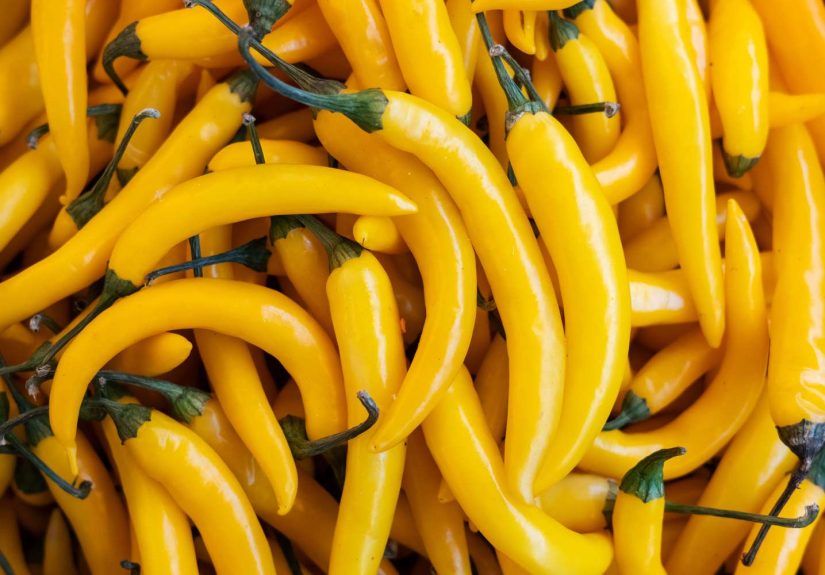
Aji amarillo (botanical name Capsicum baccatum) is a medium-hot chile pepper native to Peru and widely grown throughout the Andes region. Despite the name “yellow chili,” fully ripe pods turn a deep yellow-orange, like late-afternoon sunshine.
The pods are typically about 4 to 6 inches long with medium-thick flesh and a slightly curved, tapered shape. In Peru, this chile is so important that many cooks consider dishes “incomplete” without it. It’s a foundational flavor in the same way that tomatoes are essential to Italian cooking or soy sauce is to many East Asian cuisines.
Heat Level: How Spicy Is Aji Amarillo?
On the Scoville scale, aji amarillo usually clocks in around 30,000 to 50,000 Scoville Heat Units (SHU). That puts it in the same general heat category as a serrano pepper and significantly hotter than a jalapeño, which tops out around 8,000 SHU.
- Compared to jalapeño: Often up to 10 times hotter.
- Compared to serrano: Roughly similar, sometimes slightly hotter or milder depending on the specific variety and growing conditions.
- Compared to habanero: Much milderhabaneros can reach 100,000–350,000 SHU, which is a whole different level of “why is my face sweating?”
The good news is that aji amarillo’s heat builds gradually rather than attacking you all at once. That slow, rising warmth gives your palate time to appreciate its flavor instead of just panicking.
Flavor Profile: Fruity, Floral, and Bright
What really sets aji amarillo apart is its flavor. It’s often described as:
- Fruity, with hints of apricot, passion fruit, or mango
- Lightly floral and aromatic
- Gently earthy, with almost raisin-like aroma when dried
- Less bitter than many other hot chiles
This makes it a dream in creamy sauces and starchy dishes such as potatoes or rice, where the fruity brightness cuts through richness and keeps everything from feeling heavy.
Traditional Peruvian Uses for Aji Amarillo
If you want to understand aji amarillo, you have to look at its role in classic Peruvian dishes. It’s not just a garnish; it’s the star of the show in many recipes.
Ají de Gallina (Creamy Chicken Stew)
Ají de gallina is a comforting chicken stew with a creamy sauce made from aji amarillo, milk or cream, bread, cheese, and aromatics. The pepper’s fruity heat gives this otherwise cozy, mild dish a lively kick. Without aji amarillo, it would just be “chicken in beige sauce.” With it, you get velvety texture and sunshine-like color with layered flavor.
Papa a la Huancaína (Potatoes in Spicy Cheese Sauce)
Papa a la huancaína features boiled potatoes smothered in a bright yellow cheese sauce made with aji amarillo paste, fresh cheese (like queso fresco), and milk or evaporated milk. It’s typically served at room temperature with olives and hard-boiled eggs. Aji amarillo is responsible for both the color and the mild spicy tingle that keeps you going back for “just one more bite.”
Causa Rellena
Causa is a layered potato dish where mashed yellow potatoes are seasoned with lime, oil, and aji amarillo, then layered with fillings like tuna, chicken salad, or avocado. The pepper gives the potatoes a golden hue and a gentle heat that balances the citrus. Think of it as a cold, Peruvian potato terrine with personality.
Ceviche and Leche de Tigre
In many Peruvian ceviche recipes, aji amarillo finds its way into the leche de tigrethe citrusy marinade made from lime juice, fish juices, aromatics, and sometimes a splash of aji amarillo paste. It doesn’t always make the ceviche fiery, but it adds complexity, color, and a subtle fruity note that plays beautifully with seafood.
Forms of Aji Amarillo and How to Use Them
Depending on where you live, you might not find fresh aji amarillo at your regular supermarket. Fortunately, this chile is flexible: you can buy it fresh, frozen, dried, or as a paste, and all of them have their place in the kitchen.
Fresh Aji Amarillo
In areas with large Latin American or Peruvian communities, you may find fresh aji amarillo in the produce section. Look for firm, brightly colored pods with smooth skin.
You can:
- Slice or dice them for stir-fries and sautés
- Blend them into sauces and marinades
- Roast or char them to develop a deeper, smoky flavor before blending
Wear gloves if you’re sensitive; the capsaicin oils like to linger on fingers and surprise you later when you touch your face or eyes.
Frozen Aji Amarillo
Frozen whole aji amarillo peppers are common in many Latin markets. They’re flash-frozen and preserve much of the pepper’s flavor and heat. To use, simply thaw, remove stems and seeds, and blend or chop.
Frozen peppers are excellent in stews, sauces, and flavorful one-pan meals like ground beef and veggie hashes or chicken braises.
Dried Aji Amarillo (Ají Seco)
Dried aji amarillo has a slightly smokier, more concentrated flavor. It’s usually rehydrated before use:
- Soak dried chiles in hot water for 20–30 minutes.
- Remove stems and seeds.
- Blend with a bit of soaking liquid, onions, garlic, and oil to create a paste or sauce.
Dried aji is fantastic in slow-cooked dishes, deep-flavored sauces, and braises where the richer, slightly smoky character can shine.
Aji Amarillo Paste
This is the most commonly available form outside Peru and the one that home cooks fall in love with first. Aji amarillo paste is usually sold in jars or squeeze bottles and is often found in the international aisle or online.
When choosing a paste, check the label. A simple ingredient list like “aji amarillo, vinegar, salt” is ideal. Some brands add oil or preservatives, which is fine, but you want the pepper flavor to be the star.
A good starting ratio is about 1 tablespoon of paste for every 1–1½ fresh chiles a recipe calls for, then adjust to taste. Different brands can vary in heat, so start with less and add more if your tastebuds are feeling brave.
How to Cook with Aji Amarillo
Once you have your peppers or paste, how do you actually use them without overwhelming your dish? The key is understanding how aji amarillo behaves when cooked.
Heat + Flavor Balance
Aji amarillo’s fruity flavor is sensitive to very high heat. Gentle simmering or sautéing helps “bloom” the flavor without scorching it. If you’re making a sauce, add the paste early enough that it can meld with onions, garlic, and other aromatics, but don’t fry it aggressively on high heat for long periods.
It pairs especially well with:
- Potatoes and root vegetables
- Chicken and turkey
- White fish and shellfish
- Cream, cheese, or coconut milk
- Citrus (especially lime and lemon)
Easy Ways to Try Aji Amarillo at Home
- Peruvian-inspired yellow sauce: Blend aji amarillo paste with queso fresco or feta, evaporated milk, garlic, and a few crackers to thicken. Serve over boiled potatoes or roasted veggies.
- Spicy mayo: Stir a spoonful of aji amarillo paste into mayonnaise with a squeeze of lime for burgers, fries, or fish tacos.
- Marinade for chicken: Combine aji amarillo paste, lime juice, garlic, olive oil, and salt. Marinate chicken thighs for at least an hour, then roast or grill.
- Risotto upgrade: Add a spoonful of paste into a basic risotto near the end of cooking for a creamy, golden, pleasantly spicy twist.
How Much Should You Use?
If you’re new to aji amarillo, err on the side of caution. For a sauce serving 4 people, start with 1 to 2 teaspoons of paste. Taste, then add more as you go. Remember: the heat builds as you eat, so the first bite may seem milder than the third or fourth.
Buying, Storing, and Substituting Aji Amarillo
Where to Buy Aji Amarillo
You’re most likely to find aji amarillo in:
- Latin American or Peruvian grocery stores (fresh, frozen, or paste)
- Online retailers specializing in international ingredients
- Larger supermarkets with robust Latin or international sections (usually paste)
Storage Tips
- Fresh: Store in the crisper drawer for up to a week. For longer storage, slice and freeze.
- Frozen: Keep sealed and use within several months for best flavor.
- Paste: Refrigerate after opening. A thin layer of oil on top can slow oxidation. Use a clean spoon every time to avoid contamination.
- Dried: Store in an airtight container in a cool, dark place. They should keep their potency for months.
Substitutes for Aji Amarillo
No substitute matches aji amarillo perfectly, but here are workable options:
- Yellow or orange habanero + sweet bell pepper: Blend a small amount of habanero with yellow bell pepper to lower the heat but keep a fruity vibe. Use cautiouslyhabanero is very hot.
- Serrano or jalapeño + a bit of fruit: Combine serrano or jalapeño with a small piece of mango or peach in a sauce to mimic some of the fruity notes.
- Other Peruvian ají pastes: In a pinch, ají panca (smoky, milder) or ají rocoto (hotter) can stand in, but the flavor will shift.
When substituting, focus on balancing heat, color, and fruitiness rather than chasing an exact copy of the original flavor.
Health and Nutrition Snapshot
Like many chile peppers, aji amarillo offers modest nutritional benefits in the amounts typically used in recipes. It’s a good source of:
- Vitamin C: Supports immune function and acts as an antioxidant.
- Carotenoids: Responsible for the vibrant yellow-orange color and may contribute to antioxidant activity.
- Capsaicin: The compound that brings the heat. Research suggests capsaicin may support metabolism and provide mild pain-relief and anti-inflammatory effects in some contexts.
Of course, most dishes use a relatively small amount of aji amarillo, so think of it as a flavorful bonus rather than a miracle health supplement.
500-Word Experience Section: Bringing Aji Amarillo into Everyday Cooking
When people first encounter aji amarillo, it’s often through a single dishmaybe a plate of papa a la huancaína at a Peruvian restaurant or a spoonful of ají de gallina shared by a friend who “insisted you had to try it.” The sauce shows up at the table, glowing like liquid sunshine, and the first bite is a surprise: creamy and comforting, yet bright and just spicy enough to wake you up.
Many home cooks start their aji amarillo journey with a jar of paste. It sits in the fridge door, looking a little mysterious. At first, they tiptoe in, adding a teaspoon to scrambled eggs or whisking some into mayo for sandwiches. The reaction tends to be the same: “Oh. Okay. We’re doing this again.” From there, it quickly becomes a staple for weeknight cooking.
One common “aha” moment comes with potatoes. Roast a tray of baby potatoes until crispy, then toss them with a quick sauce made from aji amarillo paste, olive oil, lime juice, and a bit of salt. Suddenly, you have a side dish that feels special enough for guests but easy enough for a Tuesday night. The fruity heat cuts through the starch, and the potatoes soak up the sauce like tiny, golden sponges.
Another frequent success story involves leftover chicken. Instead of defaulting to the usual chicken salad with mayonnaise and celery, adding a spoonful of aji amarillo paste, some lime juice, and chopped cilantro turns the leftovers into a filling for sandwiches, arepas, or lettuce wraps. It’s a simple upgrade that makes “same old chicken” feel new and energized.
Some cooks like to experiment by sneaking aji amarillo into familiar favorites. A traditional macaroni and cheese becomes a Peruvian-inspired mac when you stir in a small amount of paste to the cheese sauce. Classic fried eggs take on a new personality when served with a drizzle of aji amarillo crema (paste plus sour cream or Greek yogurt). Even basic grilled vegetables benefit from a brush of aji amarillo marinade.
One of the biggest lessons cooks learn with this pepper is the value of layering flavor. A little paste added at the start of cooking builds a gentle background warmth. Another small spoonful stirred in at the end boosts aroma and brightens color. There’s a rhythm to it: taste, adjust, wait for the heat to build, then decide if you want more. Aji amarillo teaches patience and encourages curious tasting instead of just dumping in spice and hoping for the best.
Entertaining also becomes more interesting. That vibrant yellow sauce becomes a conversation starter at dinner parties. Guests ask, “What’s in this?” and suddenly you’re talking about Peruvian cuisine, the Andes, and how a single chile pepper can define a country’s food identity. For friends who aren’t big on heat, you can keep it mild by balancing the paste with plenty of dairy or starchy ingredients. For spice lovers, you can dial it up with extra spoonfuls or combine it with hotter chiles.
Over time, aji amarillo tends to earn a permanent place in the pantry or fridge. It’s the thing you reach for when a dish tastes flat, when your potatoes need excitement, or when your sauce looks a little too beige for social media. It’s bold without being aggressive, complex without being fussy, and flexible enough to work in traditional Peruvian recipes and creative fusion dishes alike.
In other words, once you invite aji amarillo into your kitchen, it rarely remains a guest. It becomes part of the familyone that brings color, flavor, and a little bit of heat to the table every time.