Table of Contents >> Show >> Hide
- What Is Trypophobia, Exactly?
- Why Certain Photos Make Your Skin Crawl
- The Usual Suspects: Photos That Commonly Trigger Trypophobia
- What Science Says About Trypophobic Images
- When Trypophobia Starts to Affect Daily Life
- How to Cope When a Photo Makes You Queasy
- Should You Go Looking for Trypophobia Photos?
- Real-Life Experiences: When Vomit-Inducing Photos Trigger Trypophobia
- The Bottom Line
You’re minding your own business, happily scrolling through social media, when it hits you:
an image pops up that makes your stomach lurch, your skin crawl, and your finger slam the
“scroll away now” button. Maybe it’s a lotus seed pod, a honeycomb close-up, or someone’s
“creative” Halloween makeup, but the feeling is the same – instant nausea and a “nope, nope,
absolutely not” reaction.
If tightly packed holes, bumps, or repetitive patterns in photos make you feel queasy or
panicky, you’re not being dramatic – you might be dealing with trypophobia.
While it isn’t officially recognized as a stand-alone diagnosis in current mental health
manuals, many people report a powerful aversion to images with clustered holes, especially
when those pictures look “organic,” diseased, or just plain wrong.
This article takes you behind the scenes of those vomit-inducing photos that seem custom-made
to trigger trypophobia. We’ll dig into what trypophobia is, why these images feel so disturbing,
what science says, and how to cope – without making you stare at anything you don’t want to see.
What Is Trypophobia, Exactly?
Trypophobia is commonly described as an intense discomfort, disgust, or fear
in response to clusters of small holes, bumps, or repeating patterns. Think
of a close-up photo of:
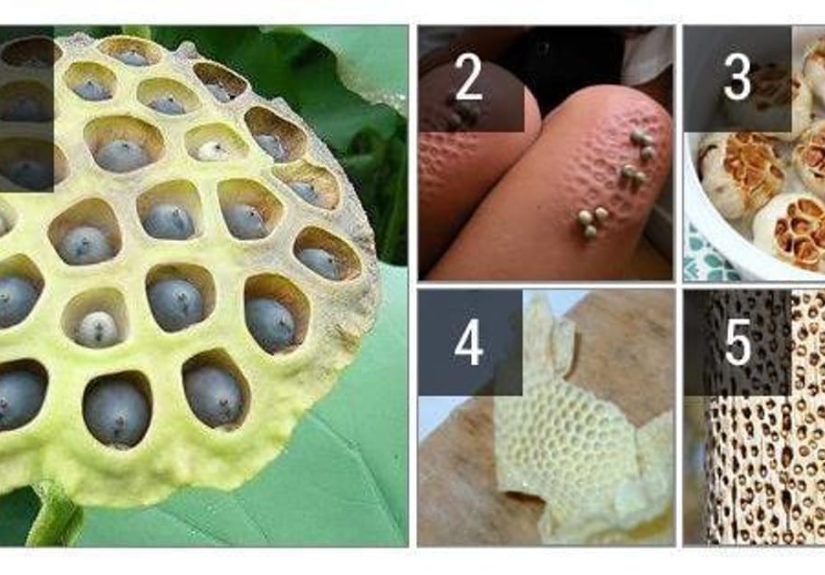
- Lotus seed pods filled with tiny circular cavities
- Honeycombs with repeating hexagonal cells
- Strawberries or pomegranates dotted with seeds
- Sponges, coral, or aerated foam with uneven holes
People with trypophobia often describe an almost visceral reaction – not just “I don’t like
that,” but “I feel physically sick looking at this.” Common responses include:
- Nausea or a churning stomach
- Goosebumps or tingling sensations
- Itching or a creepy-crawly feeling on the skin
- Racing heart, sweating, or shallow breathing
- Overwhelming urge to look away or leave the situation
Unlike some classic phobias, many people with trypophobia describe their reaction primarily
as disgust rather than pure fear. Still, when the disgust is intense enough
to affect daily life – for example, avoiding certain foods, textures, or images entirely –
it can look and feel very much like a specific phobia.
Why Certain Photos Make Your Skin Crawl
The Strange Power of Clustered Holes
Trypophobia is mainly a visual phenomenon. For many, the reaction is worst
when the pattern is:
- Irregular – the holes or bumps are uneven in shape and size
- Organic-looking – it looks like skin, spores, mold, or something alive
- Clustered densely – lots of holes crowded together in one area
That’s why certain photos feel so aggressive to someone with trypophobia. A regular showerhead
might be fine, but a close-up of a lotus pod, aerated chocolate, frog eggs, or pitted skin
can feel “wrong” at a deep, almost instinctive level.
Fear, Disgust, or Both?
Research suggests that trypophobic images trigger strong activity in parts of the brain
involved in threat detection and disgust. Many people experience:
- A jolt of alarm – “This is dangerous, look away!”
- Simultaneous revulsion – “This is diseased, contaminated, or infected.”
The body responds with a familiar pattern: muscles tense, breathing changes, and your mind
locks onto the image even as you’re desperate not to see it. This mix of fear and disgust
is part of what makes those photos feel so overwhelming. They don’t just look bad – they
feel like a threat.
The Usual Suspects: Photos That Commonly Trigger Trypophobia
Some images are practically engineered to set off trypophobic reactions. Here are common
categories of “nope” photos for people with trypophobia:
1. Natural Patterns Up Close
- Lotus seed pods with round cavities packed tightly together
- Honeycombs and beehives, especially close-up shots
- Coral and sponges with irregular tunnels and holes
- Strawberries, raspberries, and pomegranates dotted with seeds
- Cantaloupe or melon with clustered seed pockets
These images often look harmless to some viewers, but for someone with trypophobia, they
can be deeply unsettling, especially when photographed in tight macro detail with strong
contrast and shadows.
2. Food Photography Gone Wrong
Food photographers love texture – which is bad news if texture is exactly what makes your
brain revolt. Triggering images might include:
- Seeded breads and crackers covered in tiny holes or seeds
- Bubble-filled pancakes or waffles shown very close up
- Aerated chocolate or candy with uneven pockets of air
- Foamy drinks or milk froth with tight clusters of bubbles
Suddenly that artsy latte shot in your feed doesn’t feel so appetizing anymore.
3. Man-Made Materials and Textures
- Metal foam or perforated metal used in industrial design
- Styrofoam or packing materials filled with irregular gaps
- Aerated concrete or pumice stone with volcanic-looking holes
- Plastic molds or silicone mats with rows of small cavities
Even something as simple as a close-up of a shower drain or vent can be enough to set off
a trypophobic response for some people.
4. Skin, Makeup, and “Body Horror” Edits
This category is often the hardest to handle and the most likely to feel “vomit-inducing.”
Some creators post disturbing images where:
- Clustered holes appear edited onto skin
- Special effects makeup mimics lesions, sores, or infestations
- Digital art combines lotus pods or other patterns with faces and hands
Many people with trypophobia report that these types of photos are almost impossible to
look at without feeling sick, dizzy, or on the verge of panic.
What Science Says About Trypophobic Images
An Evolutionary Alarm System
One leading theory is that trypophobia may tap into an
evolutionary disease-avoidance response. Certain dangerous animals and
diseases naturally create patterns similar to trypophobic imagery:
- Venomous snakes and certain insects with repeating markings
- Skin diseases or rashes that form clustered blisters or lesions
- Parasite infestations that leave pitted or dotted patterns
Your brain might be wired to treat those visuals as a red flag: “Stay away – this could be
infected, poisonous, or unsafe.” Even if the image is just a harmless photo of a lotus pod,
your nervous system may react as if it’s staring at a threat.
How Your Brain Processes “Holey” Photos
Studies using brain and visual processing models suggest that trypophobic images tend to
contain certain spatial frequencies and contrast patterns that our visual
system finds uncomfortable. In simple terms: the way light and dark areas repeat in clustered
holes puts extra stress on the visual system.
Researchers have also found that people with strong trypophobic tendencies often react just
as intensely to images of holes as they do to images of skin
disease. That supports the idea that their brains treat both as potential signs of
danger or contamination – which helps explain why these photos feel so nauseating.
When Trypophobia Starts to Affect Daily Life
It’s one thing to feel vaguely grossed out by a weird picture online. It’s another thing
when trypophobic images or textures begin to shape your day-to-day choices. For some people,
trypophobia can lead to:
- Avoiding certain foods, like seeded fruits or breads
- Dodging nature shots, macro photography, or design accounts online
- Feeling anxious about accidentally seeing disturbing images
- Experiencing panic-like symptoms from surprise exposure
- Embarrassment or shame about their reaction (“Why does this bother me so much?”)
If your reaction to trypophobia photos is intense, persistent, and causing distress, it may
be worth talking with a mental health professional. Even though “trypophobia” isn’t always
listed by name in diagnostic manuals, many clinicians are familiar with specific phobias and
anxiety responses to visual triggers.
How to Cope When a Photo Makes You Queasy
1. Use “Emergency” Coping Strategies
When you’re suddenly hit with a trypophobia-triggering image, try:
- Look away immediately. There’s no prize for powering through.
- Ground yourself. Look around and name five things you can see, four things you can feel, three things you can hear.
- Practice slow breathing. Inhale for a count of four, hold for four, exhale for six–eight.
- Relax your body. Unclench your jaw, drop your shoulders, and uncurl your toes.
- Remind yourself: “This is just a picture. I may feel disgusted, but I’m safe.”
These simple techniques can lower the intensity of your reaction and help you regain a sense
of control faster.
2. Curate Your Online Space
The internet loves shock value, but you don’t have to go along for the ride. To protect
yourself from surprise trypophobia photos:
- Mute or unfollow accounts that frequently share disturbing textures or “gross-out” content.
- Use content warnings or filters where available on social platforms.
- Ask trusted friends not to send you “weird hole” images or “you’ve got to see this” body-horror edits.
- Avoid certain hashtags known to showcase lotus pods, skin edits, or extreme close-ups.
Setting boundaries with your media consumption isn’t overreacting – it’s basic self-care.
3. Consider Professional Support
If your reaction is strong or you find yourself reorganizing life around avoiding specific
images, therapy can help. Common approaches include:
-
Cognitive behavioral therapy (CBT): Helps you notice and gently challenge
unhelpful thoughts like “I can’t handle this” or “this image means something terrible will happen.” -
Exposure-based techniques: Under guidance, some people very gradually
work with less-triggering images (for example, neat patterns or simple textures) and slowly
build tolerance without overwhelming themselves. -
Stress and anxiety management: Sleep, exercise, mindfulness, and relaxation
skills can make your overall nervous system less reactive.
The goal isn’t to force you to love lotus pod photos. It’s simply to reduce how much power
those images have over your body and your day.
Should You Go Looking for Trypophobia Photos?
Every so often, the internet decides it’s fun to test itself with “can you handle this?”
image threads. If you already know trypophobia photos make you feel sick, think carefully
before treating those posts like a challenge.
For many people with trypophobia, repeated exposure without support doesn’t make things
better – it just feels like ongoing self-torture. A healthier approach might be:
- Respecting your limits instead of pushing past them
- Letting loved ones know you really don’t want to see those images
- Choosing when and how you engage with potentially triggering content, if at all
You don’t have to “tough it out” or prove anything. It’s okay to simply say, “That kind of
photo makes me feel awful, so I’m staying away from it.”
Real-Life Experiences: When Vomit-Inducing Photos Trigger Trypophobia
If trypophobia photos leave you dizzy, queasy, or ready to hurl your phone across the room,
you’re not alone. While everyone’s story is different, many experiences follow a similar
pattern – sudden exposure, intense discomfort, and a scramble to feel normal again.
The Surprise Scroll Attack
Imagine this: you’re on your lunch break, lazily scrolling through a friend’s story. First
slide – a cute dog. Second slide – a latte. Third slide – a hyper-zoomed photo of a lotus
seed pod with every single cavity in sharp focus.
Your body reacts before your brain has time to process. Your stomach does a flip. Your skin
prickles like a thousand tiny pins. For a moment you feel like there’s something wrong with
your own body, even though you’re just looking at a plant. You exit the app, but the image
keeps replaying in your mind, each replay bringing a fresh wave of disgust.
Many people describe this mental “afterimage” as one of the worst parts of trypophobia.
Even when the photo is gone, your nervous system lingers in that unsettled state.
The “It’s Just a Meme” Problem
Sometimes the worst triggers come wrapped in a joke. A friend might send a “funny” meme
where someone edited clustered holes onto a hand or face. To them it’s just dark humor. To
you, it’s instant nausea and a quick trip to the bathroom to try not to throw up.
When you explain that those images make you feel physically ill, they might not understand.
“It’s not even real,” they say. But that’s exactly the point: your body reacts as if it were
real, no matter how obviously Photoshopped it is. Over time, many people learn to be very
clear with friends: “Please don’t send me anything with holes, skin edits, or body horror.
I’m serious.”
Everyday Life Landmines
For some, trypophobia shows up in completely ordinary settings:
-
You’re in a café, and the foam art on your drink is extra bubbly – you have to turn the
cup so you don’t see the top. -
Your child brings home a school art project with glued-on beads and punched holes, and you
feel a wave of discomfort while you smile and say, “It’s beautiful!” -
You’re shopping online and zoom into a product photo, only to realize the fabric has a
tight, repeated perforated pattern that makes you feel strange.
These moments can leave you feeling frustrated with yourself, like you’re overreacting to
something tiny. But your nervous system isn’t trying to annoy you – it’s trying (a bit too
enthusiastically) to protect you from perceived danger.
Turning Awareness into Control
The more people understand what trypophobia is, the easier it becomes to navigate these
situations. Some strategies that real people find helpful include:
-
Having a script ready: A simple, honest line like, “Hey, images with lots
of holes actually make me feel physically sick – can you give me a heads-up next time?” -
Using quick grounding hacks: Pressing your feet firmly into the floor,
taking slow breaths, or holding something cool in your hand right after exposure. -
Re-labeling the reaction: Instead of “I’m weird,” thinking “My brain is
misfiring a danger signal. It’s unpleasant, but it will pass.” -
Choosing your battles: Sometimes that means leaving the room, closing a tab,
or skipping a trend entirely – and being okay with that.
Over time, understanding your triggers and having a plan transforms trypophobia from a scary,
mysterious reaction into something you can manage. The photos might still be gross, but they
don’t have to control your entire day.
The Bottom Line
Those vomit-inducing photos that trigger your trypophobia aren’t “all in your head” in the
dismissive sense – they’re a real, measurable reaction in your brain and body to specific
visual patterns. Clustered holes, bumps, and certain textures can light up your disgust and
threat systems, leaving you nauseated, itchy, or on edge from a single image.
The good news is that you’re not alone, and you’re not powerless. By understanding what
trypophobia is, recognizing your triggers, curating what you see online, and using coping
strategies (or professional support when needed), you can keep those disturbing photos from
running the show.
You don’t have to love lotus pods. You just deserve a life where one random image on your
feed doesn’t ruin your whole afternoon.