Table of Contents >> Show >> Hide
- Why Micro-Tip Pruning Shears Are a Big Deal (Even Though They’re Tiny)
- What Makes Fiskars Micro-Tip Pruning Shears Stand Out
- About That Amazon Sale: How to Tell If It’s Actually a Good Deal
- Micro-Tip Snips vs. Pruners vs. Shears: Choosing the Right Tool
- How to Use Micro-Tip Pruning Shears Like a Pro (Without Overthinking It)
- Plant Examples: Where These Snips Really Shine
- Tool Care: Clean, Disinfect, Sharpen, Repeat
- Who Should Buy Fiskars Micro-Tip Pruning Shears?
- FAQ: Quick Answers Before You Add to Cart
- Real-Life Garden Moments: of Micro-Tip “Experience” (Because This Tool Gets Used)
- Conclusion
There are two kinds of gardeners: the ones who own a pair of micro-tip snips, and the ones who are still out there
trying to deadhead petunias with kitchen scissors like they’re auditioning for a low-budget cooking show.
If you’ve ever wished you could make a clean, precise cut in a tight spotwithout mangling your plant (or your
patience)this is your sign.
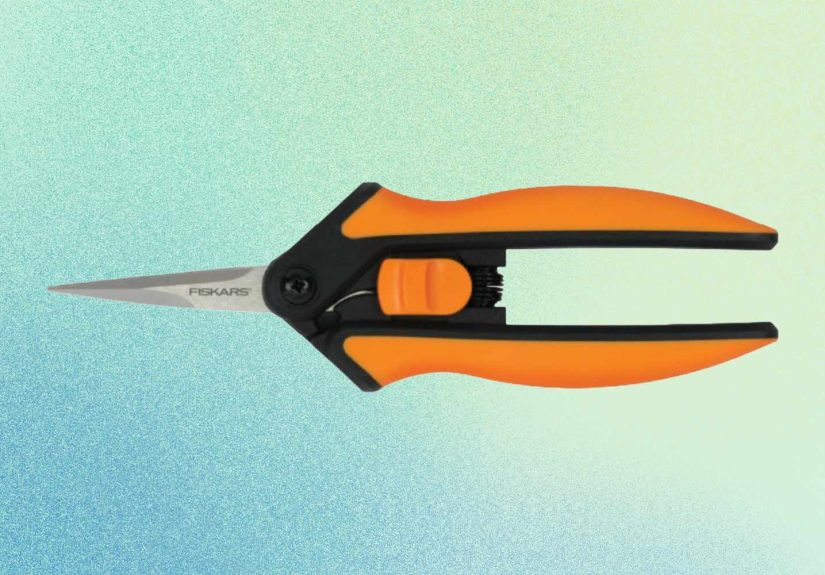
Fiskars Micro-Tip Pruning Shears (sometimes listed as Micro-Tip Pruning Snips) are a small-but-mighty garden tool
that regularly shows up on “best of” lists and deal roundupsand yes, they’re frequently discounted on Amazon.
Pricing and availability can change fast, but if you’re seeing a markdown today, it’s the kind of practical deal
that actually earns space in your tool box instead of becoming “that thing you bought at 2 a.m. and never used.”
Why Micro-Tip Pruning Shears Are a Big Deal (Even Though They’re Tiny)
Micro-tip pruning shears are basically precision tools for plant people. The blades are narrow and pointy enough
to slip between stems and leaves so you can trim exactly what you wantwithout bumping into surrounding growth.
Think of them like “detail brushes,” but for pruning.
What they’re best for
- Deadheading flowers (snipping spent blooms to keep plants tidier and encourage more flowering)
- Harvesting herbs (basil, mint, parsley, chivesyour kitchen will thank you)
- Houseplant grooming (yellow leaves, damaged tips, delicate stems)
- Seedling and propagation work (clean cuts matter when plants are small)
- Light shaping and detail trimming (especially when your plant is crowded or dense)
The key word here is clean. Clean cuts heal better than torn tissue. When you rip or crush a stem,
you create a larger wound and extra stress for the plant. With sharp micro-tip blades, you can remove what you
need with less dramayour plant gets a neat haircut, not a bar fight.
What Makes Fiskars Micro-Tip Pruning Shears Stand Out
Plenty of brands make small garden snips. Fiskars stands out because it’s built like a tool you’ll actually use
repeatedlycomfortablyand still trust when you need precision. The features are practical, not flashy.
(Which is the exact energy we want from anything that’s going near a prized monstera.)
1) Precision blades that cut all the way to the tip
Micro-tip blades are designed to do real work at the very end of the bladeso you can reach into tight spaces
and make accurate cuts where bulkier pruners can’t fit. This matters when you’re snipping a single spent bloom
without slicing the bud right behind it.
2) Spring-assisted action that reduces hand fatigue
One underrated feature: the spring gently reopens the blades after each cut. If you’ve ever deadheaded a full
flower bed or harvested herbs for meal prep, you know repetitive cutting can turn your hand into a complaint form.
Spring-assisted snips help keep the motion lighter and smoother.
3) Comfort grip and control
Fiskars typically designs these with soft grip touchpoints and an ergonomic feel, which helps when your hands are
wet, sweaty, gloved, or simply over it. For many gardeners, comfort is the difference between “I’ll do a quick tidy”
and “I’m putting this off until next season and pretending it’s a strategy.”
4) Stainless steel durability (and easy maintenance)
Stainless steel blades are valued because they resist rust better than many alternatives and stay sharp with proper care.
That’s especially helpful if you garden outdoors, use snips for damp houseplants, or occasionally forget tools exist
once they leave your hand.
5) A sheath/cover and a simple lock
Small detail, big benefit: a blade cover helps protect the tips (and your fingers) when the snips are in a drawer,
pocket, or tote. A locking mechanism also makes storage saferparticularly if you share your space with curious kids,
roommates, or the kind of friend who grabs things without asking.
About That Amazon Sale: How to Tell If It’s Actually a Good Deal
Amazon pricing can fluctuate based on seasonality (spring is peak gardening hype), inventory, and promotions.
You’ll often see these Fiskars micro-tip pruning shears discounted during big retail moments (spring refresh sales,
Prime-style events, end-of-season clearances) and sometimes randomlybecause Amazon loves chaos.
Quick “deal sanity check” before you hit Buy
- Compare variants: Fiskars sells multiple Micro-Tip styles (straight, non-stick, curved, 2-packs). Make sure you’re comparing the same version.
- Look for extras: Some listings include a sheath or bundle. A slightly higher price might still be the better value.
- Check shipping/returns: A “deal” isn’t a deal if shipping doubles the cost or returns are messy.
- Watch for coupons: Some listings have a click-to-apply coupon that doesn’t show in the headline price.
If you’re reading this because you spotted the markdown already: nice. If you’re reading it to decide whether you
should wait: you can, but this is one of those tools where even a modest discount is worth grabbingbecause you’ll
use it constantly if you garden at all.
Micro-Tip Snips vs. Pruners vs. Shears: Choosing the Right Tool
Let’s prevent a common garden heartbreak: using the wrong tool and crushing stems. Micro-tip snips are not meant
to replace heavy-duty bypass pruners. They’re the precision specialistnot the bulldozer.
Use micro-tip pruning shears for:
- Soft stems (herbs, annuals, thin perennials)
- Detail trimming (small leaves, small flower stems, tight areas)
- Repetitive snipping (deadheading lots of blooms)
Use bypass hand pruners for:
- Thicker stems and woody growth (shrubs, roses, small branches)
- Any cut where you need leverage and a cleaner slice through denser material
Use hedge shears for:
- Shaping hedges and shrubs in bulk (high volume, low precision)
The win here is owning the right tool for the job. Micro-tip pruning snips are the “fine-point pen” in your kit.
They make your garden look cleaner, your cuts more controlled, and your workflow smootherespecially for indoor plants.
How to Use Micro-Tip Pruning Shears Like a Pro (Without Overthinking It)
You don’t need to be a botanical wizard. You just need a few simple habits that lead to healthier plants and fewer
“Why does my plant look offended?” moments.
1) Support the stem first
With delicate stems, hold the stem gently with your free hand to prevent bending or tearing. Then make your cut.
This is especially helpful when trimming herbs, pinching back leggy growth, or removing a yellowing leaf from a
houseplant.
2) Cut just above a node (when applicable)
For many plants, trimming just above a leaf node can encourage branching and fuller growth. For example, if basil
is getting tall and spindly, trimming above a node helps it bush out. If you’re deadheading flowers, you may remove
the spent bloom but keep unopened buds below it, depending on the plant.
3) Keep cuts clean and intentional
Don’t “chew” through a stem with multiple half-cuts. If a stem is too thick for micro-tip snips, switch tools.
Your goal is one clean cut, not a plant version of a paper shredder experiment.
4) Use the tip for precision, not for prying
Micro-tip blades are precise, but they’re not crowbars. Avoid twisting the blades inside dense growth or prying
stems apart with the tips. Use them for snipping, not leverage.
Plant Examples: Where These Snips Really Shine
Houseplants
Micro-tip pruning shears are perfect for removing brown leaf tips on dracaena, trimming damaged pothos leaves,
cleaning up peace lily blooms after they fade, and snipping away mushy sections during propagation checks.
Because you can aim the tip precisely, you’re less likely to nick nearby stems or new growth.
Herb gardens
Snipping herbs with a clean blade helps prevent bruising. For basil, trim above a node to encourage branching.
For chives, snip a handful and leave the plant ready to regrow. For mint, regular trimming keeps it fuller
(and keeps it from taking over your entire life).
Flower beds and containers
Deadheading becomes faster and neater. Instead of tugging off spent blooms (which can tear tissue), you can snip
cleanly. This is especially satisfying on plants with lots of small flowers where you’re doing quick, repetitive work.
Tool Care: Clean, Disinfect, Sharpen, Repeat
If you want your Fiskars micro-tip pruning shears to lastand to avoid spreading plant diseasesbasic maintenance is
non-negotiable. The good news: it’s easy.
Cleaning (the “keep it working” step)
- Wipe off sap and debris after use.
- If resin builds up (sticky plants do that), use warm soapy water and a cloth or soft brush, then dry thoroughly.
Disinfecting (the “don’t spread problems” step)
When moving between plantsespecially if you suspect diseasedisinfect your blades. Many gardeners use 70% isopropyl
alcohol because it’s fast and convenient (wipe or dip, then let it air-dry). Bleach solutions are also used in some
contexts, but they can be harsher on tools and require careful mixing and rinsing.
Sharpening (the “keep cuts clean” step)
Sharp tools make cleaner cuts. Dull blades crush stems. You don’t need a fancy setup: a small file or sharpener can
keep blades in shape. Follow the existing bevel angle, take your time, and focus on consistent strokes rather than
aggressive grinding.
Storage (the “protect the tip” step)
- Engage the lock when not in use.
- Use the sheath/cover to protect the blade and prevent accidental cuts.
- Store in a dry place to reduce rust risk and keep the spring mechanism happier.
Who Should Buy Fiskars Micro-Tip Pruning Shears?
If you do any of the following, you’ll probably get your money’s worth quickly:
- You own houseplants and regularly remove yellow leaves or spent blooms.
- You grow herbs and want a clean, quick way to harvest without bruising stems.
- You deadhead flowers and want speed without wrecking nearby buds.
- You prefer lighter tools and want something comfortable for repetitive snipping.
- You like tidy gardens (or at least aspire to them).
FAQ: Quick Answers Before You Add to Cart
Are these the same as regular pruning shears?
Not exactly. Micro-tip pruning shears/snips are for detail work and smaller stems. Regular bypass pruners are for
thicker, woody stems. Many gardeners use both.
Do I need the non-stick version?
If you frequently cut sticky or resinous plants, non-stick blades can reduce gunk buildup and jamming.
If most of your cutting is herbs and houseplants, the standard version is often plenty.
Are they safe to carry around the garden?
Yesespecially if you use the lock and sheath. The tip is sharp (that’s the point), so treat it like the precise
tool it is and store it responsibly.
Real-Life Garden Moments: of Micro-Tip “Experience” (Because This Tool Gets Used)
The first time you use micro-tip pruning shears, it’s hard not to feel a little smugin the healthiest way.
Not “I’m better than you” smug. More like “I finally bought the right tool and now my life is 12% easier” smug.
You’ll start noticing tiny plant details you used to ignore because fixing them felt annoying: one crispy leaf tip,
one spent bloom, one awkward stem leaning into a neighbor like it’s trying to borrow sugar.
Picture an overachieving basil plant on your kitchen windowsill. It’s thriving… but also getting tall and leggy,
reaching for the light like it’s auditioning for a botanical soap opera. With micro-tip snips, you can make a clean
cut just above a node and move on. No tearing. No bending. No sad, bruised stem. Two days later, you notice new
little side shoots pushing out, and suddenly you’re not just growing basilyou’re directing basil.
Or take the classic summer container garden situation: petunias that look gorgeous from five feet away and slightly
chaotic up close. Deadheading by hand works until it doesn’tuntil you pull a bloom and take half a stem with it.
With micro-tip pruning shears, you can snip spent flowers in seconds. The tool slips between leaves without snagging,
and you can clean up the whole pot while your coffee is still warm. That’s not just gardening. That’s efficiency
with a side of smug satisfaction.
Houseplants might be where these snips truly become your everyday sidekick. A yellowing pothos leaf tucked behind
a healthy vine? Snip. A peace lily bloom past its prime? Snip. A brown tip on a dracaena that makes the whole plant
look like it stayed up too late? Snip (lightlyno need to give it a buzz cut). The precision tip makes it feel less
like “pruning” and more like “editing,” which is honestly a kinder mindset for indoor plants.
And then there’s propagationthe plant parent hobby that turns normal people into jar-hoarding, node-inspecting
detectives. When you’re taking cuttings, a clean cut matters. Micro-tip snips let you target exactly where you want
to cut without crushing tender tissue. It’s the difference between a cutting that roots happily and one that looks
like it went through a tiny, leafy earthquake.
The funniest part is how quickly the snips become “the tool you always reach for.” You’ll keep them in your garden
tote, then in a drawer by the back door, then somehow they’re in the kitchen because you used them to harvest herbs,
and now you’re wondering if you should buy a second pair so you can stop playing “Where did I put the snips?”
That’s usually the sign a tool is worth it: it doesn’t just workit quietly becomes part of your routine.
Conclusion
Fiskars Micro-Tip Pruning Shears are one of those rare purchases that feels smart immediately: precise blades for
tight spaces, spring-assisted comfort for repetitive snipping, and the kind of control that makes plants look
healthier and more intentional. If Amazon’s current price is showing a discount, it’s a practical upgrade that
pays you back in cleaner cuts, tidier plants, and fewer “why is this stem mangled?” regrets.