Table of Contents >> Show >> Hide
- Before You Start: The “Don’t Try This at Home” Reality Check
- What Is a Suplex, Exactly?
- Why Suplexes Are High-Risk Without Training
- The 12 Steps: How to Learn a Suplex Like a WWE Superstar (The Safe Way)
- Step 1: Choose the right environment (this is non-negotiable)
- Step 2: Get a quick health check-in (especially for neck/back history)
- Step 3: Learn gym etiquette and partner consent
- Step 4: Master the basics of stance, balance, and movement
- Step 5: Train safe falling and landing skills first
- Step 6: Build the strength that actually matters (spoiler: it’s not just biceps)
- Step 7: Practice “positions” and transitions, not throwing
- Step 8: Use progressive resistance (the “turn the difficulty knob slowly” rule)
- Step 9: Learn partner communication cues
- Step 10: Treat concussion awareness like a required class
- Step 11: Respect recovery (your progress is built between sessions)
- Step 12: Earn “suplex-level” skills only when your coach says you’re ready
- Common Mistakes People Make (So You Don’t)
- FAQ: The Stuff Everyone Wonders (But Rarely Asks Out Loud)
- Experience Section (500+ Words): What Training Toward a Suplex Feels Like in Real Life
- Final Bell: The Real WWE-Level Takeaway
Let’s get one thing straight: a suplex is one of the coolest-looking moves in pro wrestlingand also one of the easiest ways to hurt someone (including yourself)
if you copy it like it’s a TikTok dance. WWE Superstars make it look smooth because they’re highly trained professionals working in controlled conditions with
coaches, medical staff, and tons of reps behind the scenes.
So this guide is not “go suplex your buddy in the backyard.” It’s the safe, responsible, real-world version:
how to train toward learning a suplex in a legit gym, under qualified supervision, with safety as the main event.
If you want the WWE vibe, you’ve got to respect the WWE process: training first, flashy stuff later.
Before You Start: The “Don’t Try This at Home” Reality Check
In pro wrestling, big throws are performed by trained athletes who also practice communication, timing, and safe landings. The “magic” isn’t just strengthit’s
technique, trust, and repetition. The WWE Performance Center, for example, emphasizes elite coaching and programs designed with medical support to protect talent
longevity. That should tell you something: the pros treat safety like a championship belt.
If you’re a teen (or honestly any age), the smartest path is to learn in a regulated environmentlike amateur wrestling, judo, or a reputable pro-wrestling school
that prioritizes safety, mats, supervision, and progressive training. If a place skips fundamentals and jumps straight to throwing people, that’s not “hardcore.”
That’s “future physical therapy.”
What Is a Suplex, Exactly?
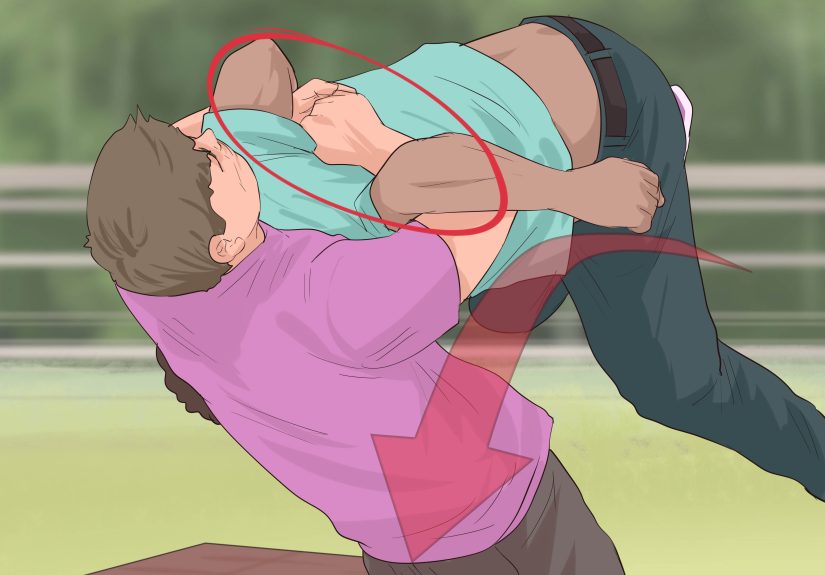
A suplex is a family of throwing techniques where one person lifts and redirects another person’s body and momentum so they land on a mat. In pro wrestling, that
moment is designed to look dramatic while being performed as safely as possible. There are many variationsbelly-to-back, belly-to-belly, and morebut they all
share the same truth:
the landing and head/neck protection matter more than the highlight-reel lift.
Why Suplexes Are High-Risk Without Training
The biggest dangers involve the head, neck, and spine. A bad landing can cause anything from strains and sprains to more serious injuries. Sports medicine and
safety organizations consistently treat neck and neurological symptoms as “take it seriously immediately” situations. Concussions can happen from a jolt to the
body as well as direct contact, and symptoms aren’t always instantsometimes they show up hours later. The takeaway is simple:
if you don’t know exactly what you’re doingand you don’t have a trained coach watchingyou shouldn’t be attempting throws.
Quick safety red flags (read this like it’s the fine print on a steel cage match)
- No proper mats: If it’s not a real training surface, it’s not the place.
- No qualified supervision: “My friend watches wrestling” is not a coaching credential.
- No progressive learning: Skipping basics is how injuries get booked into the storyline.
- No safety culture: A good gym is serious about athlete welfare and appropriate conduct.
The 12 Steps: How to Learn a Suplex Like a WWE Superstar (The Safe Way)
These steps are designed to help you train responsibly toward suplex-level skillswithout giving you a “recipe” to throw someone.
Think of it as the training montage version: fundamentals, safety, and progression.
-
Step 1: Choose the right environment (this is non-negotiable)
Find a reputable program: amateur wrestling (school or club), judo, or an established pro-wrestling school known for safety and fundamentals.
Ask what beginners learn first. The correct answer usually includes basics, conditioning, controlled drills, and safe falling/landing practice. -
Step 2: Get a quick health check-in (especially for neck/back history)
If you’ve had neck pain, back issues, concussions, or frequent headaches, talk with a healthcare professional before you start contact training.
It’s not “being dramatic.” It’s being smart. Your future self will thank you. -
Step 3: Learn gym etiquette and partner consent
Wrestling-style training depends on trust. You only drill with partners who agree, you stop when someone says stop, and you never “surprise” someone with a move.
The safest gyms build a culture where communication is normal and respected. -
Step 4: Master the basics of stance, balance, and movement
Before any throw, you need body control: stable footing, hip awareness, posture, and the ability to move smoothly with resistance.
Coaches typically build these fundamentals early because they prevent sloppy situations later. -
Step 5: Train safe falling and landing skills first
In legit grappling sports and pro-wrestling training, learning to land safely is a foundational skill. It reduces risk and builds confidence.
If you can’t land correctly on a mat under supervision, you have no business practicing throws. -
Step 6: Build the strength that actually matters (spoiler: it’s not just biceps)
A suplex-looking lift involves legs, hips, core stability, upper-back strength, and grip.
A good coach will emphasize squats/hinges, core bracing, and posterior-chain strengthplus mobilityso you can train without constantly tweaking something. -
Step 7: Practice “positions” and transitions, not throwing
The safest progression trains you to control positions and movement patterns firstoften with cooperative drillsbefore anything even resembles a throw.
You’ll learn where your body should be, how to keep balance, and how to avoid risky angles. -
Step 8: Use progressive resistance (the “turn the difficulty knob slowly” rule)
Beginners start with light, controlled reps and increase intensity only when technique is consistent.
If someone tries to ramp you from zero to “WrestleMania moment” in one session, that’s your cue to step back. -
Step 9: Learn partner communication cues
The best trainees constantly check in: “You good?” “Ready?” “Same speed?” They match pace and adjust.
In performance wrestling, communication is part of the skillnot an optional extra. -
Step 10: Treat concussion awareness like a required class
Any training that involves falls or impact should include concussion education and a strict “remove from training if symptoms appear” approach.
You don’t “tough it out.” You report it, get evaluated, and follow a gradual return-to-activity plan when cleared. -
Step 11: Respect recovery (your progress is built between sessions)
Sleep, hydration, and smart rest days are not “soft.” They’re how you keep training long enough to get good.
Soreness is normal; sharp pain, numbness, dizziness, or weakness is not. Don’t gamble with your neck. -
Step 12: Earn “suplex-level” skills only when your coach says you’re ready
The real WWE-style mindset is patience. Pros don’t rush into big moves; they build a base that keeps them working year after year.
When your coach sees consistent control, safe landings, and responsible decision-making, you’ll progressat the right time, in the right way.
Common Mistakes People Make (So You Don’t)
- Trying it on a hard surface: Even “grass” can be uneven and unforgiving. Mats exist for a reason.
- Learning from clips only: Video can inspire you, but it can’t correct your posture, balance, or safety habits in real time.
- Skipping fundamentals: The boring basics are what keep your head and neck protected when things move fast.
- Training through warning signs: Headache, dizziness, nausea, numbness, tingling, or weakness deserve immediate attention.
FAQ: The Stuff Everyone Wonders (But Rarely Asks Out Loud)
Can I learn a suplex at home if I’m careful?
No. “Careful” isn’t a safety system. Real training includes proper surfaces, experienced supervision, and progressive drills that build the skill safely over time.
If you want to learn, do it the right way in a real gym.
Is a suplex the same in amateur wrestling and WWE?
They overlap in concept (throws and control), but the context is different. Amateur wrestling emphasizes competition rules, scoring, and controlled action.
Pro wrestling emphasizes performance, timing, and presentation, with safety systems built into training and rehearsal.
Both require coaching and fundamentalsneither is a DIY move.
What if someone feels “off” after a hard fall?
Stop training immediately and take it seriously. Concussion symptoms can include headache, dizziness, nausea, confusion, feeling “foggy,” or sleep changes.
Neck injury warning signs can include severe neck pain, numbness/tingling, weakness, or loss of coordination.
When in doubt, get medical evaluation.
Experience Section (500+ Words): What Training Toward a Suplex Feels Like in Real Life
People who start wrestling-style training often expect the journey to look like a movie montage: dramatic music, instant athletic glow-up, and a perfectly timed
slow-motion slam. Then day one arrives, and reality taps you on the shoulder like, “Hello, friend. Please meet the warm-up.” And the warm-up is not a gentle jog.
It’s footwork drills, balance work, core bracing, and movements that feel simpleuntil you try them while someone else is pushing back.
One of the most common “I didn’t see that coming” moments is how much the basics matter. Trainees quickly discover that looking powerful isn’t the same thing as
being stable. A coach might stop someone mid-drill and fix something tinywhere the weight is on the feet, how the hips line up, how the shoulders stay calm.
At first, it feels overly picky. Later, it clicks: that tiny adjustment is the difference between control and chaos.
Then comes the part everyone jokes about: learning how to land. New students often describe it as humbling in the best way. It’s not glamorous. Nobody posts a
highlight clip titled “Me Practicing Safe Falls Responsibly.” But it’s the secret sauce. Learning to land safely is also where trust starts to formbecause you’re
practicing something that requires your partner to respect the drill and your coach to keep the pace appropriate. That’s when training begins to feel less like
“trying moves” and more like “building skills.”
Another real-world experience: the first time you realize pro wrestling is athletic communication. Trainees talk a lot during drillingshort check-ins, quick resets,
and honest feedback. It’s not trash talk; it’s teamwork. Even in competitive grappling, good partners communicate. In performance wrestling, communication becomes
part of the craft. People learn that “smooth” often means “well-coordinated,” not “reckless.”
There’s also a mental shift that happens when someone trains consistently for a few months. Early on, beginners may fixate on the big movethe suplex moment.
Later, they start getting proud of different wins: better footwork, stronger posture under pressure, cleaner control, calmer breathing, and fewer “oops” moments.
The big move stops being the goal and becomes a milestone that sits on top of many smaller habits.
And yes, there’s soreness. The funny part is that trainees often expect their arms to be the most sore (because lifting looks like an arms thing). Then their legs,
hips, and upper back file a formal complaint. People describe waking up the next day feeling like they “lost a debate” with gravity. But in healthy training,
soreness comes with a plan: recovery, mobility, and a coach who reminds them that progress is supposed to be steady, not reckless.
The best training stories also include boundaries. Responsible gyms normalize taking breaks, reporting symptoms, and scaling down intensity. That’s not weakness;
that’s longevity. Over time, trainees learn the real pro mindset: staying healthy is part of being good. The flashiest athletes aren’t the ones who go hardest for
one week. They’re the ones who can train safely for years.
If your dream is to do a suplex “like a WWE Superstar,” the most authentic thing you can do is train like one: build fundamentals, respect safety, listen to coaches,
communicate with partners, and treat your body like it’s your most valuable gearbecause it is. The suplex isn’t the start of the journey. It’s a reward for doing
everything right leading up to it.
Final Bell: The Real WWE-Level Takeaway
A suplex looks spectacular because it sits at the intersection of athleticism, technique, timing, and safety. If you want to learn it, the correct path is not
copying a clipit’s joining a reputable program, mastering fundamentals, learning safe landings, building strength and control, and following concussion and injury
protocols like they’re mandatory (because they are).
Train smart, stay respectful, and remember: the best “Superstar” move is making sure everyone walks away healthy enough to train again tomorrow.