Table of Contents >> Show >> Hide
- What Is Heat Exhaustion?
- Heat Exhaustion Symptoms
- Heat Exhaustion vs Heat Stroke
- What Causes Heat Exhaustion?
- Self-Care for Heat Exhaustion (What to Do Right Now)
- What NOT to Do
- When to Seek Medical Care
- How Long Does Heat Exhaustion Last?
- Prevention: How to Avoid Heat Exhaustion
- Special Situations and Practical Examples
- FAQ
- Conclusion
- Real-World Experiences and Lessons Learned (Extra 500+ Words)
Heat exhaustion is your body’s way of waving a tiny white flag and saying, “Hey… I’m doing my best, but this
oven you call ‘weather’ is not the vibe.” It’s a form of heat-related illness that can sneak up on you during
hot, humid daysespecially if you’re working, exercising, traveling, or just existing in a place where the air
feels like warm soup.
The good news: heat exhaustion is often treatable at home if you act quickly. The not-so-fun news: if you ignore
it, it can progress into heat stroke, which is a life-threatening emergency. So let’s break down the symptoms,
the self-care steps that actually work, when to get medical help, and how to avoid becoming a human raisin in the
first place.
What Is Heat Exhaustion?
Heat exhaustion happens when your body overheats and struggles to cool itself down. Usually, this comes from a
combo of high temperatures, heavy sweating, dehydration, and losing salts (electrolytes) that your muscles and
nerves need to function normally.
Think of your body like a high-performance engine. When it runs hot, it relies on coolant (sweat) and airflow
(evaporation) to stay safe. If the coolant runs low or the airflow is useless because the humidity is doing the
most, your system starts glitching.
Heat Exhaustion Symptoms
Symptoms can vary from person to person, but heat exhaustion often feels like your entire body is buffering.
Watch for these common signs:
Common symptoms
- Heavy sweating (often the earliest clue)
- Cool, pale, clammy skin even though it’s hot out
- Weakness, fatigue, or feeling “wiped out”
- Dizziness or lightheadedness
- Headache
- Nausea (sometimes vomiting)
- Muscle cramps (especially legs/abdomen)
- Fast heartbeat or a weak, rapid pulse
- Rapid breathing
- Thirst and/or dark urine (dehydration clues)
- Fainting or feeling like you might pass out
What it can feel like in real life
Heat exhaustion doesn’t always announce itself with a dramatic soundtrack. Sometimes it’s subtle:
you stop sweating as much, your pace slows for “no reason,” you feel oddly irritable, or you realize you’ve been
making terrible decisionslike “I’ll finish this run at noon in August” terrible.
Heat Exhaustion vs Heat Stroke
This part matters because heat stroke is an emergency. Heat exhaustion can often be managed with quick cooling
and fluids. Heat stroke requires immediate medical care (call emergency services).
Heat exhaustion is more likely when:
- You’re sweaty and your skin is cool/clammy
- You feel weak, dizzy, nauseated, or crampy
- You improve after resting in a cool place and hydrating
Heat stroke warning signs (call 911/seek emergency care)
- Confusion, fainting, seizures, or altered mental state
- Very high body temperature (often 104°F / 40°C or higher)
- Hot, red skin (may be dry or still sweaty)
- Symptoms getting worse fast or not improving with cooling
Bottom line: if someone’s thinking is off (confused, disoriented, unusually agitated), treat it as an emergency.
When in doubt, get help. It’s always better to feel a little “extra” than to gamble with someone’s brain and organs.
What Causes Heat Exhaustion?
Heat exhaustion is basically the result of your body losing the tug-of-war against heat. Common triggers include:
- High heat + high humidity (sweat can’t evaporate well)
- Dehydration (not drinking enough fluids)
- Electrolyte loss (heavy sweating without salt replacement)
- Physical exertion (sports, yard work, construction, long walks)
- Direct sun exposure with minimal shade
- Hot indoor environments (poor ventilation, no A/C)
- Alcohol use (worsens dehydration and judgment)
Who’s at higher risk?
Anyone can get heat exhaustion, but it’s more likely if you’re:
- An outdoor worker or doing labor-intensive tasks
- An athlete training in the heat (especially preseason practices)
- Older (your body may regulate temperature less efficiently)
- Very young (kids heat up faster and may not recognize symptoms)
- Living with heart disease, lung disease, kidney issues, or other chronic conditions
- Taking certain medications (ask your clinician/pharmacist if yours increase heat risk)
- Not acclimatized (new to a hot climate or returning after time off)
Also: heat waves can be extra risky because your body hasn’t had time to adjust. “I’m fine, I’ve lived here forever”
is not a medical force field.
Self-Care for Heat Exhaustion (What to Do Right Now)
If you suspect heat exhaustion, act immediately. The goal is to cool the body and rehydrate safely.
These steps are practical, evidence-based, and not dependent on owning fancy gadgets.
Step 1: Stop and move to a cooler place
Get out of the sun and into shade or air conditioning. If you’re indoors, find the coolest room available,
turn on fans, and open ventilation if it helps.
Step 2: Loosen clothing and reduce heat load
Remove or loosen tight or heavy clothing. Your outfit should not be participating in your overheating.
Step 3: Cool your body efficiently
Use any of the following:
- Cool shower or bath
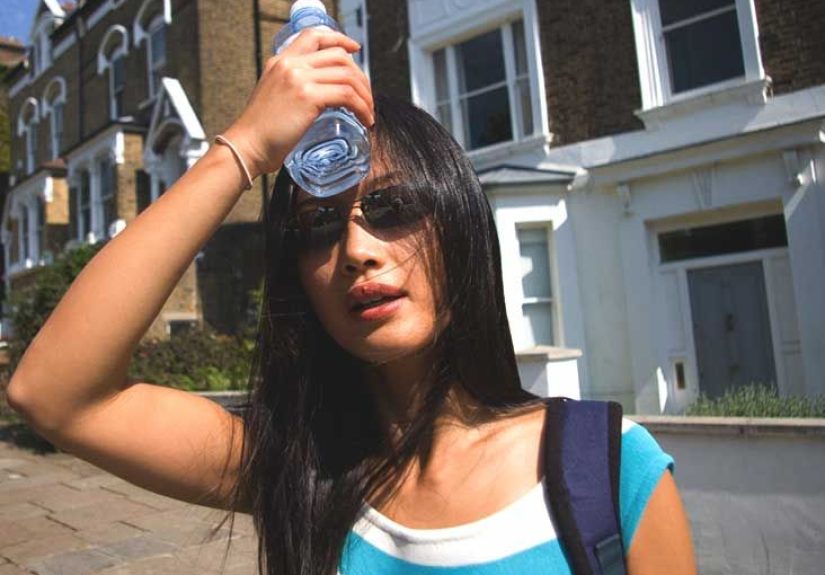
- Wet cloths or towels on skin + fanning
- Ice packs or cold compresses on neck, armpits, and groin (major blood flow areas)
- Mist/spray with cool water
Step 4: Rehydrate (small sips, smart choices)
If you’re alert and not vomiting, start drinking fluids. Water is great; a sports drink or oral rehydration
solution can help replace electrolytes if you’ve been sweating heavily.
- Take small, frequent sips rather than chugging
- If you’re cramping or sweating a lot, consider electrolytes
- Avoid alcohol; go easy on caffeinated drinks
Step 5: Rest and monitor
Heat exhaustion isn’t something you “push through.” Rest quietly, and have someone check on you if possible.
Many workplace and safety guidelines emphasize not leaving a symptomatic person alone because things can worsen.
What NOT to Do
- Don’t return to activity too soon. Feeling “a bit better” is not the same as recovered.
- Don’t drink alcohol to “take the edge off.” It makes dehydration worse.
- Don’t ignore vomiting or worsening symptoms. That’s a medical-check moment.
- Don’t rely on a fan alone in extreme heatespecially in very hot conditionswithout other cooling and hydration strategies.
When to Seek Medical Care
Heat exhaustion can often improve within about an hour with cooling and fluids, but you should get medical care if:
- Symptoms are severe (fainting, chest pain, extreme weakness)
- You’re vomiting or can’t keep fluids down
- Symptoms worsen or don’t improve within 1 hour
- You have confusion, slurred speech, or altered mental state (treat as emergency)
- You’re in a higher-risk group (older adult, chronic illness, pregnancy)
If you’re unsure, err on the side of safety. Heat illness is one of those problems where “waiting it out”
can turn into “why is the ambulance here?” surprisingly fast.
How Long Does Heat Exhaustion Last?
Mild heat exhaustion may improve in a couple of hours once you cool down and rehydrate. More significant cases
can take longerespecially if dehydration is substantial or you’ve been exposed for days.
Signs you’re recovering
- Heart rate and breathing slow back toward normal
- Nausea eases and appetite returns
- Dizziness resolves when standing
- Urine becomes lighter (a hydration improvement sign)
Even if you feel better, consider the rest of the day a “light duty” day. Your body just did a fire drill.
Let it reset.
Prevention: How to Avoid Heat Exhaustion
Preventing heat exhaustion is mostly about planning, pacing, and not pretending you’re a lizard who thrives on pavement heat.
These strategies are especially important during heat waves.
Hydrate early and consistently
- Drink water throughout the daynot just when you’re already thirsty
- If you’ll sweat heavily, include electrolytes (sports drink or oral rehydration solution)
- Check hydration with urine color: pale straw is generally better than “dark apple juice”
Time it right
- Schedule hard work or workouts for early morning or evening
- During heat waves, reduce intensity and take more breaks
Dress for the forecast
- Lightweight, loose, breathable fabrics
- Wide-brim hat, UV-protective clothing, and sunscreen for sun exposure
Take cooling breaks (not “scrolling in the sun” breaks)
- Use shade or air conditioning whenever possible
- Cool towels, misting water, and fans can helpespecially combined
Acclimatize if you’re new to heat
If you’re starting a new outdoor job or returning after time away, build heat tolerance gradually over days to weeks.
Don’t go from “desk life” to “roofing at noon” and expect your body to be thrilled about it.
Special Situations and Practical Examples
Outdoor workers
If you work outside (construction, landscaping, delivery), set a water-and-break routine before you feel bad.
Many heat-safety recommendations emphasize buddy systemssomeone should notice if you’re not acting like yourself.
Athletes and weekend warriors
Pre-hydrate, warm up in shade when possible, and treat dizziness as a stop sign. If your pace suddenly collapses,
don’t “prove toughness”prove intelligence.
Older adults and people with chronic conditions
Heat can be riskier if temperature regulation or hydration balance is harder for your body. Prioritize air-conditioned
environments during peak heat, and ask your healthcare team if any of your medications raise heat risk.
Kids and teens
Kids can overheat quickly and may not notice early symptoms. Build in water breaks and shade breaks like they’re part
of the rulesbecause they are.
FAQ
Can you get heat exhaustion indoors?
Yes. Poor ventilation, no A/C, and heat-trapping spaces can lead to overheatingespecially during heat waves.
Is a fever the same as heat exhaustion?
Not exactly. Heat illness can raise body temperature, but fever is usually driven by infection or inflammation.
If you’re overheated after heat exposure, prioritize cooling and hydrationand seek care if symptoms are severe or confusing.
Should I take pain relievers?
If you have a headache, cooling and hydration are the priority. Medication questions depend on your health history,
so if you’re unsureespecially with kidney issues or dehydrationcheck with a clinician.
Conclusion
Heat exhaustion is common, treatable, and absolutely not a moral failure. It’s physiology. Catch it early, cool down
fast, hydrate smart, and take recovery seriously. If symptoms are severe, worsen, involve confusion, or don’t improve
within about an hour, get medical help. Your body is on your teamlisten when it starts sending warning texts in all caps.
Real-World Experiences and Lessons Learned (Extra 500+ Words)
When people talk about heat exhaustion, the stories often sound strangely similarlike the heat has a predictable script
and we all keep auditioning for the same role. One of the most common themes is how “normal” everything felt right up
until it didn’t. Many people describe a gradual slide: first they feel slightly slower, then mildly annoyed at everything,
then oddly clumsy, and finally they realize they’ve been ignoring obvious warning signs because they “just wanted to finish.”
The heat doesn’t care about your to-do list.
Outdoor workers often share that the hardest part isn’t knowing what to doit’s remembering to do it when the day gets busy.
The experienced ones build routines: a water bottle that’s always within reach, scheduled shade breaks, and a buddy check that’s
treated as normal, not embarrassing. A practical trick people mention is setting a timer on a phone or watch: every 20–30 minutes,
drink and reassess. Not a heroic chug-festjust consistent hydration and a quick self-scan: “Am I dizzy? Am I cramping? Am I sweating
like a sprinkler on maximum setting?”
Athletes and runners often describe the “ego trap.” The sun is out, the plan is set, and the brain insists you should perform like it’s
a cool spring morning. People who’ve been through heat exhaustion frequently say the moment they started bargaining“I’ll just finish this mile”
or “I’ll get water after this set”was the moment they should have stopped. The lesson they pass along is simple: heat exhaustion is not the time
to negotiate. It’s the time to pivot. Walk, find shade, and cool down. Nobody gets a trophy for turning a recoverable problem into a medical emergency.
Parents and caregivers often talk about how quickly kids can go from “fine” to “not fine,” especially at outdoor sports tournaments, parks, or theme
parks. Experienced families share a few strategies that sound basic but work: dress kids in light breathable layers, build water breaks into the schedule,
and use shade like it’s a superpower. Some mention bringing a small towel and a water bottle specifically for coolingwet the towel, wipe the neck and face,
and fan gently. It’s not glamorous, but neither is vomiting next to the snack stand.
Travelers in hot climates often describe another sneaky factor: they’re walking more than usual, sleeping less, and drinking more caffeine or alcohol than
normalthen wondering why the heat “hit them harder.” People who’ve learned the hard way recommend planning “cooling checkpoints” the same way you plan meals:
a stop at an air-conditioned café, a shaded museum break, or a midday return to the hotel during peak heat. They also stress that hydration isn’t only about water;
if you’re sweating all day, replacing electrolytes can make a noticeable difference in how steady you feel.
Across these experiences, a few common lessons show up again and again: start hydration early, don’t wait for thirst, take breaks before you feel desperate,
and treat dizziness as an immediate stop sign. People also say that the best prevention strategy is removing the “willpower” part by setting rules ahead of time.
For example: “If I stop sweating or start cramping, I’m done.” Or: “If my heart is racing while I’m standing still, I’m cooling down now.” Heat exhaustion is one
of those situations where being decisive is the healthiest personality trait you can have.