Table of Contents >> Show >> Hide
- What Is Fecal Impaction?
- Impacted Bowel Symptoms: What It Feels Like
- What Causes Fecal Impaction?
- Why Fecal Impaction Matters: Possible Complications
- When to Seek Urgent Medical Care
- How Is Fecal Impaction Diagnosed?
- Fecal Impaction Treatment: What Actually Works
- At-Home Care and Prevention (Safe, Practical Moves)
- Special Situations
- FAQ: Quick Answers to Common Questions
- Putting It All Together
- Real-World Experiences: What People Commonly Report (and What Helps)
- Experience 1: “I thought it was just stress… until I couldn’t eat much.”
- Experience 2: “I had diarrhea, so I assumed I wasn’t constipated.”
- Experience 3: “Post-surgery pain meds backed me up fast.”
- Experience 4: “My kid was ‘fine’… until the accidents started.”
- Experience 5: “I waited because I was embarrassed.”
Constipation is annoying. Fecal impaction is constipation’s bigger, meaner cousinthe one who shows up uninvited,
parks on your couch, and refuses to leave. The good news: it’s treatable. The even better news: it’s often
preventable once you understand why it happens and what to do next.
This article is for education only and isn’t a substitute for medical care. If you think you (or someone you’re
caring for) might have an impacted bowel, it’s worth taking seriouslyespecially if there’s severe pain, vomiting,
bleeding, fever, or you can’t pass gas.
What Is Fecal Impaction?
Fecal impaction means a large, hard mass of stool gets stuck in the rectum (and sometimes the lower colon)
and can’t be passed normally. It usually develops after days to weeks of constipation, when stool becomes progressively
drier, harder, and more difficult to move.
Here’s the twist that confuses a lot of people: you can have fecal impaction and still have “diarrhea.” That watery stool
may be overflow diarrhealiquid stool leaking around the blockage. It’s not your body “finally clearing out.”
It’s your body saying, “There’s a traffic jam.”
Impacted Bowel Symptoms: What It Feels Like
Symptoms vary depending on where the stool is stuck and how long it’s been there. Some people feel miserable; others
mainly feel “off” and can’t explain why. Common fecal impaction symptoms include:
Classic symptoms
- Inability to pass stool (or passing only small pellets)
- Straining and feeling like you can’t fully empty
- Rectal pressure, fullness, or discomfort
- Abdominal bloating or cramping
- Nausea and reduced appetite (food suddenly feels unappealing)
“Sneaky” symptoms people don’t connect to impaction
- Overflow diarrhea or stool leakage (especially in older adults)
- Fecal incontinence (accidents that seem to come out of nowhere)
- Rectal bleeding (from irritation, hemorrhoids, or fissuresstill needs medical evaluation)
- Urinary symptoms like frequency or difficulty starting (pressure effects can contribute)
- Fatigue, irritability, “brain fog” (because being backed up is drainingliterally and emotionally)
If symptoms are severe, sudden, or paired with red-flag signs (see below), don’t try to tough it out.
Your colon is not a “mind over matter” situation.
What Causes Fecal Impaction?
Fecal impaction is usually the end result of chronic or severe constipation. Constipation itself has many
causes, and impaction often happens when several stack togetherlike a bad band where every member plays a different
instrument and none of them are listening.
Common causes and risk factors
- Low fiber intake (not enough fruits, vegetables, whole grains)
- Dehydration (stool gets drier and harder)
- Not moving much (bed rest, limited mobility, sedentary routine)
- Ignoring the urge to go (busy schedule, school/work bathrooms, travel)
- Older age (slower gut motility, more medications, more mobility limits)
- Neurologic conditions affecting bowel function (for example, spinal cord injury, Parkinson’s, MS)
- Medical conditions such as hypothyroidism or diabetes (can contribute to constipation)
- Medications that slow the gut (common culprits include opioid pain meds and certain “drying” meds)
Who’s most at risk?
Fecal impaction is often discussed in older adults and people in nursing facilities, but it can happen at any ageincluding
children and teensespecially with functional constipation (when the bowel is healthy but habits, withholding, diet, and routine
cause problems).
Why Fecal Impaction Matters: Possible Complications
An impacted bowel isn’t just uncomfortableit can cause complications when pressure and irritation build up over time.
Potential issues include:
- Hemorrhoids and anal fissures from straining and hard stool
- Rectal irritation and bleeding
- Worsening fecal incontinence due to overflow leakage and weakened control
- Intestinal obstruction-like symptoms (especially if severe)
- Dehydration and electrolyte problems if vomiting occurs or laxatives are misused
Most people don’t want to talk about this stuff. Your body, however, is happy to “talk” about it in increasingly loud ways
until you listen.
When to Seek Urgent Medical Care
Call a clinician urgently or seek same-day care if you suspect fecal impaction and any of the following are present:
- Severe or worsening abdominal pain
- Repeated vomiting, inability to keep fluids down
- Inability to pass gas, marked belly swelling
- Fever, chills, or feeling very unwell
- Moderate to heavy rectal bleeding
- Sudden constipation with unexplained weight loss
- Symptoms in a young child, an older adult, or anyone who is medically fragile
How Is Fecal Impaction Diagnosed?
Diagnosis usually starts with a careful history: how long symptoms have been going on, bowel movement frequency and consistency,
any new meds, changes in diet, mobility, or routine, and whether there has been leakage.
What a clinician may do
- Physical exam, including checking the abdomen for distention and tenderness
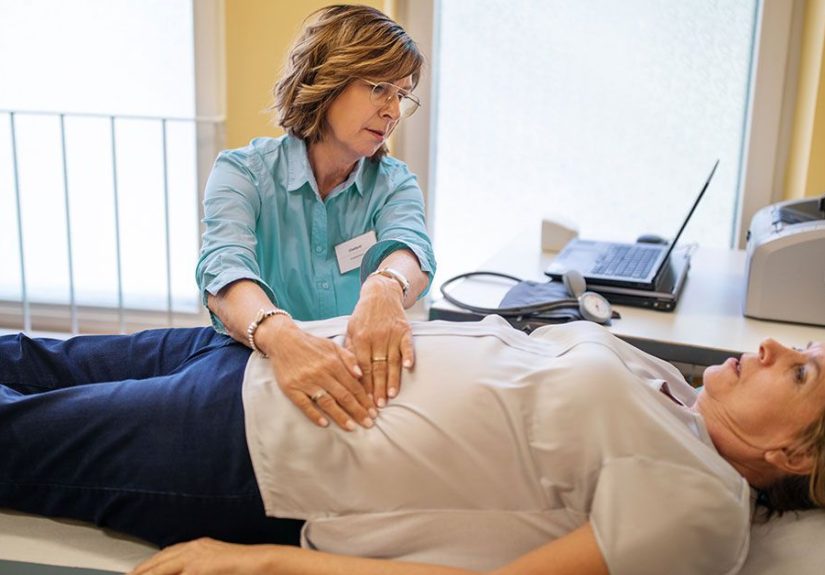
- Rectal exam to assess for hard stool in the rectum (often key)
- Imaging (like an abdominal X-ray or CT) if needed to check stool burden or rule out other problems
The goal isn’t to make you feel awkward. The goal is to confirm what’s happening so treatment is safe and effective.
(Also: clinicians have seen everything. Literally. Everything.)
Fecal Impaction Treatment: What Actually Works
Treatment depends on severity, location, and the person’s age and health. The main goals are:
relieve the blockage, reduce pain, and prevent it from returning.
1) Softening and moving stool (often first-line)
In mild-to-moderate casesor alongside other treatmentsclinicians may recommend therapies that draw water into the bowel,
soften stool, or stimulate movement. Examples include certain oral laxatives (often osmotic agents) or stool softeners.
The right choice and dose depend on the person and should be guided by a healthcare professional, especially for children,
older adults, and anyone with kidney or heart disease.
2) Rectal therapies (suppositories or enemas)
If stool is stuck low in the rectum, rectal treatments may be used to soften and lubricate the stool and stimulate evacuation.
These are sometimes performed in a medical setting and sometimes at home only when specifically recommended.
Self-treating with repeated enemas without guidance can be risky, particularly for kids or people with certain medical conditions.
3) Manual disimpaction (performed by medical professionals)
For significant impaction, a clinician may need to remove stool manually. This should be done by a trained medical professional
to reduce the risk of injury and complications. If you suspect you need this level of care, that’s your sign to contact urgent care
rather than attempting DIY heroics.
4) Treating the “why” (the part that keeps it from coming back)
Clearing the blockage is step one. Step two is making sure the same movie doesn’t play again next month.
Your clinician may review medications, screen for contributing conditions, and set up a prevention plan that might include:
- Adjusting constipating medications when possible
- Longer-term bowel regimens for chronic constipation (individualized)
- Pelvic floor therapy if coordination issues contribute
- Follow-up for persistent symptoms to rule out structural causes
At-Home Care and Prevention (Safe, Practical Moves)
If you’re not in urgent territory and a clinician agrees it’s safe to manage constipation at home, these strategies can help
reduce the risk of severe constipation and impaction.
Hydration: make stool less “cement-like”
Water matters. When you’re dehydrated, the colon reabsorbs more fluid and stool becomes harder. A simple habit:
keep a water bottle nearby and aim for pale-yellow urine (unless your clinician has given you fluid limits).
Fiber: the “Goldilocks” approach
Fiber helps stool hold water and move along, but adding too much too fast can cause gas and bloating.
Increase gradually over a couple of weeks. Fiber sources include:
- Beans and lentils
- Oats and whole grains
- Berries, pears, apples (with skin), prunes
- Vegetables like broccoli, carrots, greens
Movement: your gut likes a walk
Physical activity helps stimulate bowel motility. This doesn’t require a marathon. Even regular walks, stretching,
or light activity can help the bowel keep its schedule.
Bowel training: give your colon a calendar invite
The bowel often responds to routine. Many people do best trying to go after mealsespecially breakfastwhen the gut’s
natural reflexes are more active. Don’t strain for long periods; think “gentle attempt,” not “powerlifting.”
Bathroom posture: small tweak, big payoff
Squatting posture straightens the anorectal angle. A footstool can help simulate this by raising the knees above the hips.
It’s not magicbut it’s a surprisingly effective “low-tech upgrade.”
Be careful with “quick fixes”
Overusing stimulant laxatives or repeatedly using enemas without guidance can backfire and create dependence or irritation.
If constipation is frequent or long-lasting, talk with a healthcare professional about a plan that’s safe for your body and your age.
Special Situations
Children and teens
In younger people, fecal impaction often starts with stool withholdingavoiding a bowel movement because it hurt once,
because school bathrooms are stressful, or because they’re busy and ignore the urge. The cycle becomes: stool sits longer,
gets harder, hurts more, and gets avoided again.
A pediatric clinician can help create a stepwise plan that may include temporary medications, hydration and fiber goals,
and routine bathroom time. For kids, avoid giving laxatives or enemas without medical guidance.
Older adults and caregivers
For older adults, fecal impaction risk rises with reduced mobility, certain medications, dehydration, and cognitive changes.
Caregivers can help by noticing early warning signs: appetite changes, new confusion, belly discomfort, or unexpected stool leakage.
Prevention often includes scheduled toileting, hydration support, and medication review with a clinician.
FAQ: Quick Answers to Common Questions
Can I have fecal impaction if I’m still pooping a little?
Yes. Small hard pellets, thin stools, or watery overflow can occur around a blockage. Symptoms matter more than “something came out.”
Is fecal impaction the same as bowel obstruction?
Not exactly. Fecal impaction is stool-related blockage (often in the rectum), while bowel obstruction can be caused by many things.
Symptoms can overlap, which is why severe pain, vomiting, and inability to pass gas should be evaluated urgently.
How long is “too long” to be constipated?
There’s no perfect clock, but if you’re going days without a bowel movement and symptoms are escalating (pain, nausea, swelling,
leakage), it’s time to contact a healthcare professionalsooner rather than later.
Putting It All Together
Fecal impaction is a treatable condition that usually stems from severe constipation. The key is recognizing the signsespecially
the surprising ones like overflow diarrhea and leakageand getting appropriate care. Clearing an impaction is only half the victory;
preventing the next one is the real win.
If you’re dealing with frequent constipation, think of it like smoke from a small kitchen fire: you can open a window (short-term relief),
but it’s smarter to turn down the heat (fix the underlying cause). Your future self will thank you. Loudly. And comfortably.
Real-World Experiences: What People Commonly Report (and What Helps)
People rarely announce, “Hello, I’m here to discuss my bowel habits,” which is unfortunatebecause shared experiences can make symptoms
easier to recognize and treat sooner. Below are realistic examples of what individuals and families often describe when fecal impaction
(or the constipation leading up to it) shows up in real life. These are not personal medical stories; they’re common patterns clinicians hear.
Experience 1: “I thought it was just stress… until I couldn’t eat much.”
A college student goes through finals week living on caffeine, snack foods, and the power of denial. Bathroom trips become less frequent,
then uncomfortable. They feel bloated, skip meals because “my stomach feels full,” and start getting crampy. They try to fix it with a random
supplement they found online, but nothing changesexcept the discomfort.
What helped in this scenario was stepping back and treating it as a health issue, not a personal failure: hydration, returning to fiber-rich
meals, gentle movement, andmost importantlychecking in with a clinician when symptoms weren’t improving. The big lesson: appetite loss and
nausea can be constipation signals, not just “stress.”
Experience 2: “I had diarrhea, so I assumed I wasn’t constipated.”
This is one of the most common misunderstandings. Someone experiences watery stools and even leakage and thinks, “Okay, at least I’m going.”
But the belly is still swollen, there’s pressure in the rectum, and they feel like they’re never fully empty. Sometimes there’s embarrassment,
so they don’t mention the leakage to anyone, including a clinician.
In many cases, that watery stool is overflow around a blockage. Relief often comes only after the impaction is addressed with appropriate medical
treatment. The takeaway: diarrhea doesn’t always mean the bowel is “cleared.” If diarrhea happens alongside bloating, pressure,
or inability to pass normal stool, it’s worth getting evaluated.
Experience 3: “Post-surgery pain meds backed me up fast.”
After dental surgery, orthopedic surgery, or an injury, some people use opioid pain medications for a short timeand suddenly constipation arrives
like it paid rent. Bowel movements slow down, stool dries out, and within days the person feels uncomfortable, then miserable. They may assume it’s
“normal recovery” and wait too long.
What tends to help is planning early: asking the prescriber about constipation prevention when opioids are used, prioritizing fluids, eating fiber
as tolerated, moving as soon as it’s safe, and using clinician-recommended stool-softening options early rather than playing catch-up later. The lesson:
constipation prevention is easier than impaction treatmentespecially when medications are a known risk.
Experience 4: “My kid was ‘fine’… until the accidents started.”
In children, families often notice stool accidents (or smears in underwear) and think it’s behavioral. But sometimes it’s overflow around retained
stool, plus a stretched rectum that doesn’t sense “full” the same way anymore. The child may avoid the toilet because passing stool hurts, creating a
cycle of withholding and worsening constipation.
What helps is removing shame from the equation and working with a pediatric clinician on a structured plan: comfort-focused routines, scheduled toilet
time, hydration, gradual fiber changes, and (when recommended) temporary medication support. The big lesson: accidents can be a symptom, not a choice.
Experience 5: “I waited because I was embarrassed.”
Many adults delay care because bowel issues feel awkward. They try home fixes quietly, hope it passes, and only seek help when symptoms become severe.
But clinicians treat constipation and impaction regularly, and earlier evaluation often means simpler treatment.
A helpful mindset shift: treat bowel function like any other body functionsleep, hydration, heart rate. If it’s not working, you don’t “fail.”
You troubleshoot. Sometimes that means diet changes. Sometimes it means medication adjustment. Sometimes it means urgent evaluation. Either way,
you deserve reliefand you deserve it sooner rather than later.