Table of Contents >> Show >> Hide
- What Is Carbon Monoxide (and Why Is It So Dangerous)?
- Common Causes and Where CO Comes From
- Symptoms: What Carbon Monoxide Poisoning Feels Like
- What To Do If You Suspect Carbon Monoxide Exposure
- Diagnosis: How Doctors Confirm CO Poisoning
- Treatment: How Carbon Monoxide Poisoning Is Managed
- Prevention: How To Make CO Poisoning a “Never Again” Story
- Carbon Monoxide FAQs
- of Real-World “This Is How It Happens” Experiences
- Conclusion
Carbon monoxide (CO) is the kind of “bad guy” that never announces itself. No smell. No color. No taste. No dramatic entrance music. Just a quiet chemical sneak attack that can turn a normal day into a medical emergencyespecially in winter, during storms, or anytime people bring fuel-burning stuff into tight indoor spaces.
The good news: carbon monoxide poisoning is highly preventable. The better news: understanding it doesn’t require a chemistry degreejust a few smart habits, a working CO alarm, and the willingness to treat “mysterious flu symptoms” with suspicion when they show up in groups.
What Is Carbon Monoxide (and Why Is It So Dangerous)?
Carbon monoxide is a gas produced when fuels burn incompletely. That includes gasoline, natural gas, propane, wood, charcoal, and heating oil. A properly vented appliance usually moves combustion gases outside. But when ventilation is pooror equipment is faultyCO can build up indoors.
The short, slightly nerdy explanation
Your red blood cells carry oxygen using a protein called hemoglobin. Carbon monoxide binds to hemoglobin far more strongly than oxygen does, forming carboxyhemoglobin. Translation: CO hogs the “oxygen seats” in your blood and makes it harder for oxygen to reach your brain, heart, and other organs that are pretty attached to the whole “oxygen” concept.
Because the brain and heart are oxygen-hungry, they tend to be the first to complain. And by “complain,” we mean: headache, dizziness, confusion, chest pain, fainting, and in severe cases, collapse.
Common Causes and Where CO Comes From
CO isn’t a “weird science lab” problem. It’s a regular-life problem that shows up when fuel-burning devices aren’t vented correctly or are used the wrong way.
Common sources of carbon monoxide exposure
- Home heating systems (furnaces, boilers, space heaters) with poor ventilation or maintenance
- Fireplaces and wood-burning stoves with blocked chimneys or improper draft
- Gas stoves/ovens used incorrectly (or used as a “heater,” which they are not)
- Portable generators used too close to living spaces
- Fuel-burning tools used in enclosed or poorly ventilated areas
- Vehicle exhaust entering attached or nearby indoor spaces
CO can also be a risk in workplaces with combustion engines or poor ventilation (garages, warehouses, loading docks, certain industrial environments). The big theme is the same: fuel + combustion + not enough fresh air exchange.
Symptoms: What Carbon Monoxide Poisoning Feels Like
CO poisoning is famous for being mistaken as “a weird cold,” “food poisoning,” or “a migraine that showed up uninvited.” It often looks like the flubut usually without a fever.
Early and common symptoms
- Headache (often described as dull and persistent)
- Dizziness or lightheadedness
- Weakness, fatigue, or “I feel off”
- Nausea, upset stomach, or vomiting
- Shortness of breath
More serious warning signs
- Confusion, trouble thinking clearly, or unusual behavior
- Chest pain or palpitations (especially in people with heart conditions)
- Problems with coordination or walking (ataxia)
- Fainting or loss of consciousness
- Seizures
Important pattern: if multiple people (or pets) in the same space feel sick at the same timeespecially with headache + nauseaand everyone feels better when they go outside, carbon monoxide should be high on the suspect list.
Who is at higher risk?
Some groups are more vulnerable to CO exposure and may get sick faster or develop complications more easily:
- Babies and young children
- Pregnant people (the fetus is especially sensitive to low oxygen)
- Older adults
- People with heart disease, anemia, or respiratory illness
What To Do If You Suspect Carbon Monoxide Exposure
When it comes to CO, speed matters. Don’t “wait and see” if symptoms pass indoors. That’s like staying in the pool to see if the shark is “just curious.”
Immediate steps
- Move to fresh air right away. Get everyone out of the affected space (including pets).
- Call emergency services. If someone is confused, fainted, has chest pain, trouble breathing, or won’t wake up, treat it as an emergency.
- Do not re-enter the building until professionals say it’s safe.
If you have a CO alarm going off, take it seriously. CO alarms aren’t known for being dramatic for attentionthis isn’t a “cry wolf” situation.
Diagnosis: How Doctors Confirm CO Poisoning
Healthcare providers diagnose carbon monoxide poisoning using a mix of: symptoms, exposure history, physical exam, and confirmatory testing.
Key test: carboxyhemoglobin (COHb)
CO exposure is confirmed by measuring COHb levels in the blood using a laboratory CO-oximeter. COHb levels can drop over time once someone is breathing fresh air or receiving oxygen, so timing matters.
In general, an elevated COHb level strongly supports the diagnosis. Smokers can have higher baseline levels than non-smokers, which is one reason clinicians interpret results with context.
Why a regular pulse oximeter can be misleading
A standard fingertip pulse oximeter may show a “normal” oxygen saturation even when CO is the real problem. That’s because it can’t reliably distinguish oxygen-carrying hemoglobin from carboxyhemoglobin in the way clinicians need for CO poisoning decisions.
Other checks doctors may do
- Neurologic assessment (memory, attention, coordination)
- Electrocardiogram (EKG) and heart enzymes if symptoms suggest cardiac stress
- Additional tests to rule out other causes (especially if altered mental status is present)
Treatment: How Carbon Monoxide Poisoning Is Managed
There’s no “magic antidote” pill for carbon monoxide. The treatment is straightforward, time-sensitive, and very effective when started quickly: oxygen.
Oxygen therapy (the main event)
In medical settings, treatment typically includes high-flow 100% oxygen. Oxygen helps push carbon monoxide off hemoglobin and speeds the body’s clearance of CO.
Clinicians often continue 100% oxygen until symptoms improvecommonly several hourswhile repeating neurologic checks and monitoring for complications.
Hyperbaric oxygen therapy (HBOT)
In more severe cases, doctors may recommend hyperbaric oxygen therapy, which involves breathing oxygen in a pressurized chamber. HBOT can increase dissolved oxygen in the blood and may help reduce the risk of certain complications in selected patients.
HBOT is typically considered when there are signs of severe poisoning, such as:
- Significant neurologic symptoms (confusion, loss of consciousness, abnormal testing)
- Evidence of cardiac involvement
- Severe metabolic acidosis
- High COHb levels (often discussed when above certain thresholds, alongside symptoms)
- Pregnancy (often treated more aggressively because fetal oxygen delivery is especially vulnerable)
Recovery and follow-up
Many people recover fully, especially when exposure is caught early. However, carbon monoxide poisoning can sometimes lead to delayed neurologic complicationssymptoms that show up days to weeks later, such as memory problems, difficulty concentrating, mood changes, or balance issues.
Because of that, patients discharged from care are often advised to watch for delayed symptoms and follow up with a clinicianespecially after more serious exposures.
Prevention: How To Make CO Poisoning a “Never Again” Story
If carbon monoxide poisoning had a kryptonite, it would be: working CO alarms plus safe fuel-burning habits plus regular maintenance. Boring? Yes. Effective? Extremely.
1) Install carbon monoxide alarms (plural, not “one somewhere”)
Best practice is to have CO alarms:
- On every level of the home
- Outside sleeping areas so the alarm can wake you up
- Placed according to the manufacturer’s instructions (because devices vary)
If you can only start with one alarm, place it near sleeping areas and make sure it’s loud enough to be heard at night.
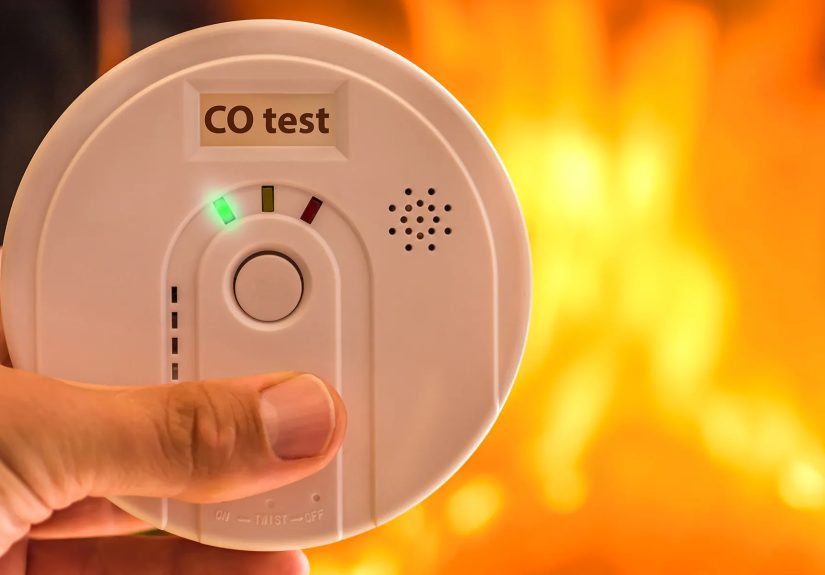
2) Test and maintain alarms like you actually want them to work
- Test monthly using the test button
- Replace batteries on schedule (many safety groups recommend doing this at least annually unless you have sealed 10-year units)
- Replace the alarm unit when it reaches its end-of-life date (check the label or manual)
Think of it this way: a CO alarm is like a smoke alarm’s quieter cousin. It doesn’t get invited to parties. But it absolutely shows up when it matters.
3) Get fuel-burning appliances inspected
Have heating systems, vents, chimneys, and fuel-burning appliances inspected and serviced regularly by qualified professionals. This is especially important before heavy-use seasons like winter.
4) Use fuel-burning devices safely
- Never use outdoor cooking or heating devices indoors or in enclosed spaces
- Never use an oven or gas range as a space heater
- If you use a generator, keep it outside and well away from windows, doors, and vents
- Don’t ignore soot, unusual smells from appliances, or persistent condensation around vents (these can be clues that something isn’t venting correctly)
5) Know the “group sick” rule
If two or more people in the same space develop headache/nausea/dizziness around the same time, treat it as suspicious until proven otherwise. Getting into fresh air is a low-risk action that can be lifesaving.
Carbon Monoxide FAQs
Can you smell carbon monoxide?
No. Carbon monoxide is odorless and colorless. That’s why alarms matter. If you smell something “gas-like,” that’s more likely the odorant added to natural gas (a different hazard), but it still means you should take safety steps and get help.
Is carbon monoxide only a winter problem?
It’s more common in colder months because heating systems run longer and homes are sealed tighter. But CO poisoning can happen any time fuel-burning equipment is used in poorly ventilated areasespecially during power outages when people use backup power sources.
Is mild exposure a big deal?
It can be. Even lower-level exposure over time may cause symptoms like headaches and fatigue. If symptoms persist, happen repeatedly in a specific place, or improve when you leave, treat it seriously and get the space checked.
of Real-World “This Is How It Happens” Experiences
Carbon monoxide stories tend to start the same way: “We thought it was the flu.” That’s not because people are carelessit’s because CO is a master of disguise. Here are a few real-world style scenarios (composite examples based on common reports from safety agencies, clinicians, and home inspectors) that show how sneaky this can beand what people wish they’d done sooner.
1) The ‘winter headache’ mystery. A family starts waking up with headaches every morning. They blame stress, dry winter air, and that one relative who sends 23 texts before 8 a.m. Then the nausea starts. The dog looks unusually tired. One day, they all feel better after spending the afternoon outside. That patternworse indoors, better outdoorsis a huge clue. The fix is rarely “drink more water.” It’s often “get the furnace vent checked and install a CO alarm where it belongs.”
2) The power outage improvisation. After a storm, people do what people do: they improvise. They bring in devices meant for outdoor use because they want warmth, light, or electricity. The intention is totally understandable. The danger is that combustion indoors (or too close to the house) can fill a space with CO faster than anyone expectsespecially when doors and windows are closed to “keep the heat in.” The lesson isn’t “don’t be resourceful.” It’s “be resourceful in a way that doesn’t poison your living room.” If you’re using backup power, location and ventilation aren’t detailsthey’re the entire game.
3) The rental unit surprise. Someone moves into an older place with a “quirky” heater. It works, mostly. They occasionally notice soot around a vent or feel unusually tired at home. They assume it’s the new schedule, the new mattress, or the emotional damage of assembling furniture without instructions. But small clues add up. When a CO alarm is finally installed, it alerts during a cold snap. A professional inspection finds venting issues that had likely been building for months. A $30–$60 alarm ends up being the most valuable roommate in the house.
4) The ‘we didn’t think it would matter’ moment. A garage is attached to the home. A vehicle is started “just for a minute,” or equipment runs nearby. The door between the garage and the house isn’t perfectly sealed (many aren’t), and air moves in ways we don’t notice. Meanwhile, someone inside feels dizzy and can’t figure out why. The big takeaway is that CO doesn’t care about your plans. It only cares about physics. If exhaust is present, assume it can migrate.
5) The alarm that kept getting ignored. Sometimes the most relatable story is also the most frustrating: a CO alarm chirps or signals trouble, and people assume it’s a battery issue or a false alarm. But CO alarms aren’t like a car alarm in a parking lotannoying and usually meaningless. If it’s sounding, treat it as a real warning until you’ve confirmed otherwise. The “worst case” is you spend 15 minutes outside and call for help. The actual worst case is… well, you don’t want that version.
The common thread in all these experiences isn’t panic. It’s pattern recognition: flu-like symptoms without fever, multiple people affected, symptoms improving outdoors, and the presence of fuel-burning equipment. If you remember nothing else, remember this: when CO is the problem, fresh air is the first stepand working alarms are the reason you get that first step in time.
Conclusion
Carbon monoxide poisoning is dangerous because it’s invisible, fast, and easy to mistake for everyday illness. But it’s also one of the most preventable emergencies you’ll ever face. Recognize the symptoms early, take alarms seriously, get into fresh air immediately if exposure is suspected, and rely on proper medical evaluation and oxygen-based treatment when needed. Then lock in prevention with CO alarms, regular inspections, and safe use of fuel-burning equipmentso “carbon monoxide” stays a topic you read about, not one you live through.