Table of Contents >> Show >> Hide
- What Are Balsamic Onions?
- Best Balsamic Onions Recipe (Jammy, Glossy, Not Fussy)
- Choosing the Best Onions for Balsamic Onions
- What Kind of Balsamic Vinegar Works Best?
- Pro Tips for the Best Balsamic Onions (No Bitter, No Burnt)
- Easy Variations (Because Onions Deserve Options)
- How to Use Balsamic Onions (aka: Put Them on Everything)
- Make-Ahead, Storage, and Reheating
- Troubleshooting: Fix Common Balsamic Onion Problems
- FAQ: Best Balsamic Onions Recipe
- Conclusion
- Kitchen “Experiences” and Real-Life Moments with Balsamic Onions (Extra Tips from the Trenches)
If onions had a glow-up montage, balsamic onions would be the final scene: glossy, sweet, tangy,
and suspiciously fancy for something that starts as “a crying hazard in a papery jacket.”
The best part? You don’t need a chef coat, a tiny spoon, or a dramatic French soundtrack.
You just need a pan, a little patience, and a bottle of balsamic vinegar that isn’t from the “mystery clearance shelf.”
This in-depth guide walks you through how to make balsamic onions that are soft and jammy (not bitter,
not burned, not weirdly watery), plus pro tips, variations, and the many ways they can upgrade burgers, steaks, pizzas,
sandwiches, grain bowls, and basically anything that’s feeling a little “plain beige.”
What Are Balsamic Onions?
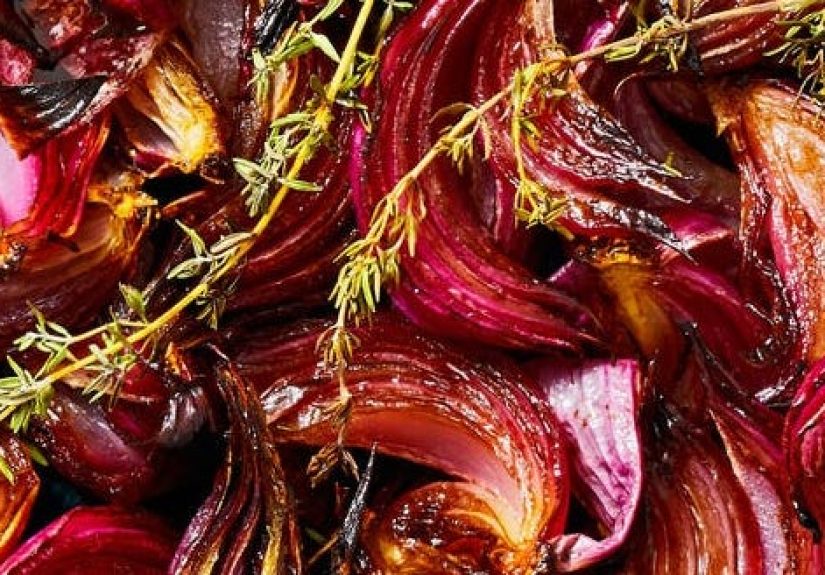
Balsamic onions are onions cooked slowly until they turn sweet and tender, then finished with balsamic vinegar
(and often a touch of sweetness) to create a rich, tangy glaze. Think of them as a shortcut to “restaurant flavor”:
the onions bring caramelized sweetness, the vinegar brings brightness, and together they become a spoonable topping
that tastes like you tried really hard (even if you didn’t).
Caramelized vs. Sautéed vs. “I Just Browned Them a Bit”
Here’s the deal: caramelizing onions is a low-and-slow process that draws out natural sugars.
Sautéing is faster and gives you softened onions with some color, but not the deep sweetness.
This recipe aims for the sweet spot: properly browned, deeply flavorful onions, with a balsamic finish that makes
everything taste bold and balanced.
Best Balsamic Onions Recipe (Jammy, Glossy, Not Fussy)
This is the best balsamic onions recipe when you want consistent results: sweet, tangy, silky onions
with a thick glaze that clings to a burger like it pays rent.
Ingredients
- 3 large yellow onions (about 2 pounds total), thinly sliced
- 2 tablespoons olive oil (or 1 tbsp oil + 1 tbsp butter for extra richness)
- 1/2 teaspoon kosher salt, plus more to taste
- 1/4 teaspoon black pepper
- 3 tablespoons balsamic vinegar (see tips for choosing)
- 1 to 2 teaspoons brown sugar or honey (optional, for extra jamminess)
- 2 to 4 tablespoons water or broth, as needed for deglazing
- Optional add-ins: 1 tsp fresh thyme, 1 small garlic clove (minced), pinch of chili flakes
Equipment
- Large skillet or sauté pan (12-inch is ideal)
- Wooden spoon or silicone spatula
- Sharp knife or mandoline (carefulmandolines are hungry)
Step-by-Step: How To Make Balsamic Onions
-
Slice the onions.
Slice into thin half-moons. Aim for even thickness so they cook at the same pace. -
Warm the pan.
Heat oil (and butter, if using) over medium heat until shimmering. -
Start cooking.
Add onions and salt. Toss well. Cook 8–10 minutes, stirring occasionally, until softened and starting to turn pale golden. -
Go low and slow.
Reduce heat to medium-low. Cook 20–30 minutes, stirring every few minutes.
If the pan dries out or you see browning sticking too fast, splash in 1–2 tablespoons water and scrape up the flavorful bits. -
Season and build flavor.
Add pepper and any optional add-ins (thyme, garlic, chili flakes). Cook 2–3 minutes so aromatics mellow. -
Add balsamic.
Pour in balsamic vinegar and stir. Cook 2–5 minutes until the vinegar reduces and coats the onions in a glossy glaze. -
Adjust to taste.
If you want a sweeter “onion jam” vibe, stir in 1–2 teaspoons brown sugar or honey and cook 1 minute.
Taste and add a pinch more salt if needed (it makes the sweetness pop). -
Serve.
Serve warm, or cool and store for later. (They reheat beautifully.)
Timing Notes
Total cook time is typically 35–50 minutes, depending on onion type, pan size, and heat level.
If you rush, you’ll get browned onionsnot deeply sweet ones. Patience is the ingredient you can’t substitute.
(Okay, you can cheat a little with sugar, but let’s keep it tasteful.)
Choosing the Best Onions for Balsamic Onions
Yellow Onions: The All-Around Winner
Yellow onions are the classic choice for balsamic caramelized onions because they balance sharpness and sweetness.
They soften into that jammy texture without becoming overly sweet.
Sweet Onions: Extra Sweet, Slightly Faster
Vidalia-style sweet onions cook down beautifully and get very sweet. If you use them, go easy on any added sugar.
Great for sliders, grilled cheese, and anything that loves a sweet-savory topping.
Red Onions: Pretty and Punchy
Red onions make a gorgeous purple-brown glaze and keep a little more bite. Delicious on salads, flatbreads,
and Mediterranean-style bowls.
What Kind of Balsamic Vinegar Works Best?
You don’t need the rare, aged bottle that lives in the back of the cabinet like a museum artifact.
But you do want a balsamic vinegar that tastes pleasant on its ownbalanced, not harshly sour.
A moderately priced, widely available grocery-store balsamic usually works great.
Balsamic Vinegar vs. Balsamic Glaze
Balsamic vinegar reduces in the pan into a sauce. Balsamic glaze is already thick and sweet.
If you use glaze, add it at the very end (and use less), because it can burn or get too sticky if cooked too long.
Pro Tips for the Best Balsamic Onions (No Bitter, No Burnt)
1) Use a Wide Pan
Crowded onions steam instead of brown. A wide skillet helps moisture evaporate so caramelization can happen.
Translation: less “sad onion soup,” more “glossy onion magic.”
2) Don’t Crank the Heat
High heat browns the outside quickly but doesn’t develop deep sweetness. If you see blackened bits early, lower the heat and
add a splash of water to slow things down.
3) Salt Early, Sugar Later (If at All)
Salt helps onions release moisture and soften. If you add sugar, do it near the end so you can control the sweetness
and avoid scorching.
4) Deglaze Like You Mean It
Those browned bits stuck to the pan are flavor. A tablespoon or two of water (or broth) loosens them into the onions.
This is the easiest way to boost depth without adding extra ingredients.
5) Add the Balsamic at the End
Reducing balsamic too early can make it taste sharp. Finishing with balsamic near the end preserves its sweet-tangy character
while still giving you that glossy glaze.
Easy Variations (Because Onions Deserve Options)
Balsamic Onion Jam-Style
Want something thicker and sweeter for cheese boards and sandwiches? Add 1–2 teaspoons brown sugar or honey at the end,
and reduce a little longer until spoon-thick. You can also add a tiny pinch of salt to keep it balanced.
Herb-Lovers Version
Stir in fresh thyme, rosemary (use lightly), or chopped chives at the end. Herbs make the onions taste “holiday dinner fancy”
without requiring you to host a holiday dinner.
Garlic + Chili Kick
Add minced garlic and a pinch of red pepper flakes for a savory, slightly spicy finishgreat for pizza, burgers, and roasted veggies.
With Mushrooms
Sauté sliced mushrooms separately until browned, then combine with the finished balsamic onions.
This combo is absurdly good on steak, toast, and grain bowls.
How to Use Balsamic Onions (aka: Put Them on Everything)
- Burgers and sandwiches: The ultimate sweet-tangy topping for beef, turkey, or veggie burgers.
- Steak and chicken: Spoon over grilled or pan-seared proteins for instant “steakhouse vibes.”
- Pizza and flatbread: Pair with goat cheese, mozzarella, arugula, or prosciutto.
- Salads: Toss into greens with nuts and fruit, or pile onto a warm grain salad.
- Eggs: Fold into omelets or top scrambled eggs for a savory-sweet upgrade.
- Cheese boards: Serve alongside sharp cheddar, brie, or blue cheese.
- Roasted veggies: Especially good with Brussels sprouts, carrots, or cauliflower.
Make-Ahead, Storage, and Reheating
How Long Do Balsamic Onions Last?
Store cooled onions in an airtight container in the refrigerator for 4–5 days.
The flavor often gets even better after a night in the fridge.
Can You Freeze Them?
Yes. Freeze in small portions (like tablespoon scoops or in an ice cube tray) for up to 2–3 months.
Thaw overnight in the fridge or warm gently in a skillet.
Best Way to Reheat
Warm in a skillet over low heat with a splash of water if needed. Microwave works toocover lightly so they don’t dry out.
Food safety note: If you’re considering shelf-stable canning, use a tested, reputable canning recipe and follow proper
guidance for acidity and processing. Homemade “winging it” is not the vibe here.
Troubleshooting: Fix Common Balsamic Onion Problems
“They Taste Bitter.”
Bitterness usually means the onions browned too fast or burned in spots. Lower your heat next time and deglaze earlier.
For this batch, try adding a tiny splash of water and a pinch of salt; you can also soften sharpness with a small amount
of honey or brown sugar.
“They’re Watery.”
The pan was likely crowded or the heat too low. Cook uncovered and increase heat slightly toward the end to evaporate excess moisture,
stirring often so they don’t scorch.
“Too Sour or Too Sharp.”
Reduce the balsamic longer, and add a pinch of sweetness (honey or brown sugar) to balance. Also, make sure you’re not using an
ultra-harsh vinegartaste matters.
“Too Sweet.”
Skip added sugar next time or use less. You can also stir in a tiny splash of water, a pinch of salt, or a squeeze of lemon to
brighten and rebalance.
FAQ: Best Balsamic Onions Recipe
Can I make balsamic onions faster?
You can speed it up slightly by slicing onions thinner and using a wide pan, but deep sweetness still takes time.
If you must, sauté over medium heat and deglaze as needed, then finish with balsamicjust know the flavor won’t be quite as rich.
Do I have to add sugar?
Nope. Onions become sweet on their own when properly cooked. Sugar or honey is optional for a thicker, jammy finish or if your balsamic is extra tangy.
Can I use butter instead of oil?
Yes, but butter can brown quickly. A mix of oil and butter gives you flavor plus a little more control.
Can I make them in a slow cooker?
You can cook onions low and slow in a slow cooker until very soft, then finish in a skillet with balsamic to reduce into a glaze.
The skillet finish helps avoid a watery result.
Conclusion
The best balsamic onions come down to a few simple rules: use a wide pan, keep the heat reasonable, stir often enough,
and finish with balsamic at the end so the flavor stays bright and glossynot harsh. Once you nail the technique, you’ll have a
go-to topping that makes weeknight meals taste like a special occasion. And if you catch yourself eating them straight from the container?
Congratulations. You’ve joined a very exclusive (and slightly onion-scented) club.
Kitchen “Experiences” and Real-Life Moments with Balsamic Onions (Extra Tips from the Trenches)
In many kitchens, the first time someone makes balsamic onions goes like this: confidence, slicing, sizzling… then five minutes later,
panic. The onions look like too much. The pan looks too small. The aroma is so strong you start questioning your life choices.
Here’s the good news: that mountain of onions is supposed to shrink. Dramatically. It’s basically a magic trick where volume disappears
and flavor concentrates. If you’ve ever thought, “Surely this is enough onions to feed a family of twelve,” just wait. In 40 minutes,
you’ll be wondering if you should have sliced two more.
Another common experience: the temptation to turn up the heat because “nothing is happening.” It is happeningquietly.
Caramelization is not a fireworks show; it’s more like a slow-burn drama. When you crank the heat, you get fast browning and a scorched
aftertaste that no amount of balsamic can fully disguise. If your onions start sticking, that’s not failure; that’s flavor trying to bond
permanently with your pan. A tablespoon of water fixes it. Scrape, stir, breathe. You’re back.
People also tend to have a “balsamic moment,” where they add vinegar and the smell suddenly turns sharp, almost like it’s scolding you.
That’s normal. Give it a few minutes to reduce and mellow. The harsh edge softens into a sweet tang, and the onions go from “vinegar
incident” to “glossy masterpiece.” This is also where tasting helps. Some balsamic vinegars are sweeter, some are punchier. If yours is
very tangy, a tiny bit of honey or brown sugar isn’t cheatingit’s balancing. The goal is a rich, rounded flavor, not a sour face-pucker.
One of the best real-life discoveries people make is how versatile these onions are once they’re in the fridge. They’re not just for burgers.
They’re for “I opened the fridge and there’s… chicken and a sad bag of greens.” Warm the onions, spoon them over the chicken, toss them into
the greens with a little olive oil, and suddenly dinner feels intentional. They also rescue leftovers: a scoop on reheated rice, a smear in a
wrap, or stirred into scrambled eggs. Balsamic onions are basically edible confidence.
Finally, there’s the surprise factor: guests notice. Put a small bowl of balsamic onions on the table and people act like you did something
very advanced. They’ll ask what’s in them. They’ll ask how long you cooked them. They’ll ask if you “made these.” Yes. You did.
(You don’t have to mention that the hardest part was not eating them straight from the pan.) If you want a simple kitchen habit that makes
everyday meals feel more special, keeping a batch of balsamic onions ready to go is one of the most satisfying upgrades you can make.