Table of Contents >> Show >> Hide
- Why Your Legs Might Not Look “Skinny” (Even If You’re Active)
- What Actually Works (Safely): The Lean-Leg Formula
- Step 1: Train for “Leaner-Looking” LegsWithout Overtraining
- Step 2: Add Cardio the Smart Way (Not the “Punishment” Way)
- Step 3: Increase Daily Movement (The “NEAT” Advantage)
- Step 4: Eat to Support a Leaner BodyWithout Dieting Extremes
- Step 5: Sleep and StressThe Secret Leg “Slimmers” Nobody Brags About
- Step 6: Reduce the “Puffy Leg” Look (Posture, Swelling, and Recovery)
- A Practical 4-Week Plan (No Drama, Just Progress)
- How to Measure Progress Without Getting Stuck in Your Head
- FAQ: The Questions People Whisper to Their Search Bar at 2 A.M.
- Real-World Experiences (500+ Words): What People Notice When They Stop Chasing “Skinny” and Start Building Healthy Legs
- Experience #1: The “I did leg day every day and my legs got puffier” phase
- Experience #2: The “My legs look better when I train my glutes and posture” surprise
- Experience #3: The “I stopped skipping meals and my body calmed down” moment
- Experience #4: The “I thought I needed more workouts, but I needed more sleep” plot twist
- Experience #5: The “I learned what’s normal… and what needs a doctor” lesson
- Conclusion
Quick reality check (with kindness): “Skinnier legs” is an aesthetic goal, not a health requirement. And if you’re a teen, your body is still growing, reshaping, and playing hormonal musical chairssometimes your legs change before the rest of you gets the memo. This guide focuses on healthy, sustainable habits that can help your legs look and feel leaner over timewithout crash diets, “detox” nonsense, or punishing workouts.
Also: if your legs suddenly swell, hurt, feel warm, or one leg is noticeably more swollen than the other, that’s not a “tone up” situationthat’s a talk-to-a-clinician situation.
Why Your Legs Might Not Look “Skinny” (Even If You’re Active)
1) Genetics and bone structure are the blueprint
Leg shape is heavily influenced by genetics: hip width, femur angle, knee alignment, calf insertion points (where the muscle “sits”), and where your body stores fat. You can upgrade the “furniture” (muscle, fitness, posture), but you can’t change the “floor plan.”
2) Spot-reducing is mostly a myth (sorry, 1,000 inner-thigh lifts)
Doing 200 squats doesn’t magically burn fat from your thighs first. Bodies pull energy from fat stores in patterns you don’t get to micromanage. The good news: training your legs does build muscle and improves body composition over time, which can change how your legs look.
3) Water retention can mimic “bigger legs”
Long days sitting, standing a lot, salty foods, monthly cycles, dehydration, heat, and hard workouts can all cause fluid shifts. Medical swelling (edema) is also a thing, and it often shows up in feet/ankles/legs.
4) Some conditions don’t respond to “eat less, move more”
For example, lipedema can cause a symmetrical fat buildup in the legs that doesn’t respond like ordinary fat to diet and exercise, and can be painful. If your leg size feels out of proportion, tender, bruises easily, or is worsening, get checked.
What Actually Works (Safely): The Lean-Leg Formula
If you want legs that look “skinnier,” the healthiest path is usually a combo of:
- Consistent full-body training (not just legs)
- Leg strength work (to build shape and firmness)
- Regular cardio (for heart health + energy balance)
- Daily movement (the underrated secret sauce)
- Sleep + recovery (because your body isn’t a phone you can keep on 3% forever)
- Balanced eating (especially important for teensno extreme dieting)
Step 1: Train for “Leaner-Looking” LegsWithout Overtraining
Principle A: Strength train 2–3 days/week
Strength training helps you build muscle and can improve body composition. It also supports joints and bone health. If you’re new, bodyweight and light resistance are plenty to start.
Principle B: Choose exercises that shape the whole lower body
Legs look leanest when your glutes, hamstrings, and quads are balancedplus strong hips that keep knees tracking well.
A simple, teen-friendly lower-body workout (30–40 minutes)
Do this 2x/week with at least 48 hours between sessions. Move with control. Stop 2 reps before “absolute failure.”
- Squat pattern: Goblet squat or bodyweight squat 3 sets of 8–12
- Hip hinge: Romanian deadlift (light dumbbells) or hip-hinge good mornings 3 sets of 8–12
- Single-leg: Step-ups or reverse lunges 2–3 sets of 8–10 each side
- Glute focus: Glute bridge or hip thrust 3 sets of 10–15
- Calves + ankles: Calf raises 2 sets of 12–20
- Optional finisher: 5–10 minutes incline walking or easy cycling
Common mistake: doing leg workouts every day
If you hammer your legs daily, they may look puffy from inflammation and water retention. Rest days aren’t lazinessthey’re the part where your body actually adapts.
Step 2: Add Cardio the Smart Way (Not the “Punishment” Way)
For teens, general guidance emphasizes about 60 minutes/day of moderate-to-vigorous activity, with vigorous activity and muscle- and bone-strengthening activities on at least a few days per week. That can be sports, dancing, brisk walking, biking, swimming, or anything that gets you breathing harder and smiling at least once.
Best cardio for a “leaner leg” look
- Incline walking (moderate effort, easy to recover from)
- Cycling (low-impact; adjust resistance so it feels like work, not a breeze)
- Swimming (full-body; joint-friendly)
- Sports/dance (you’ll stick with it longer because it’s actually fun)
How much is enough?
A good, sustainable target is 3–5 days/week of cardio, mixed intensities, plus lots of casual movement. If you’re already active daily, the key is consistency and recoverynot adding more and more until you feel like a tired robot.
Step 3: Increase Daily Movement (The “NEAT” Advantage)
Here’s the unglamorous truth: many people get better results from moving more throughout the day than from adding one brutal workout. Daily movement helps energy balance and reduces stiffness and swelling from sitting.
Easy ways to sneak in more movement
- Walk while on calls (yes, even if you’re just pacing like a dramatic detective).
- Take stairs when it makes sense.
- Do a 10-minute walk after meals a few times a week.
- Set a reminder to stand and stretch every 45–60 minutes.
Step 4: Eat to Support a Leaner BodyWithout Dieting Extremes
If you’re a teen, your body needs enough energy and nutrients to grow, learn, and recover. Extreme dieting can backfirephysically and mentally. Instead of “eat less,” think eat better and more consistently.
Build plates that fuel you
- Protein (helps recovery): eggs, yogurt, beans, chicken, fish, tofu
- Carbs (energy for school + training): rice, potatoes, oats, fruit, whole grains
- Healthy fats (hormones + fullness): nuts, avocado, olive oil
- Color (vitamins/minerals): vegetables + fruit daily
Habits that help without obsessing
- Don’t skip meals and then “attack” snacks later.
- Hydratedehydration can worsen water retention and performance.
- Limit gimmicks: detox teas, “fat burners,” and anything that sounds like it was invented by a cartoon villain.
Step 5: Sleep and StressThe Secret Leg “Slimmers” Nobody Brags About
Sleep affects recovery, hunger cues, mood, and training performance. Teens typically need around 8–10 hours. Stress can also affect cravings, water retention, and consistency. You don’t need a perfect lifejust a few repeatable habits.
Two tiny upgrades
- Keep a consistent sleep/wake window most days.
- Do a 5-minute wind-down: light stretching, breathing, or reading.
Step 6: Reduce the “Puffy Leg” Look (Posture, Swelling, and Recovery)
If your legs feel swollen after sitting or standing
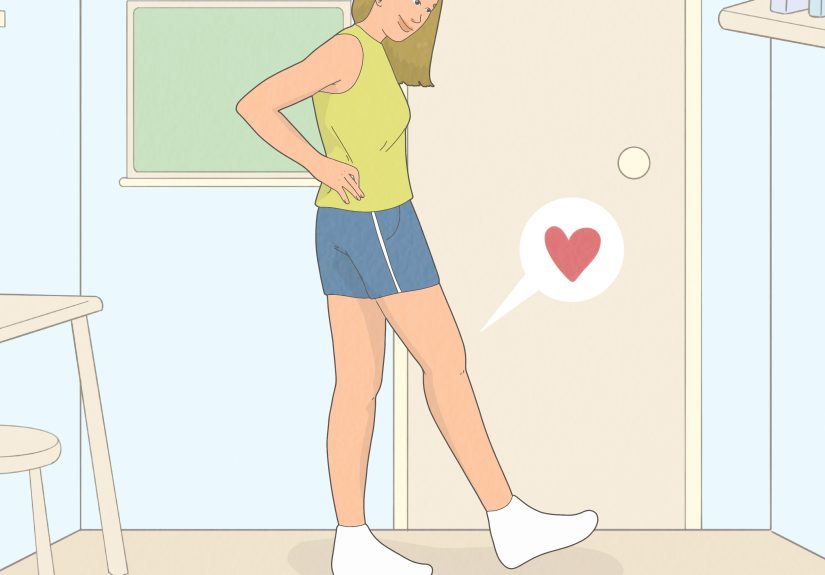
- Move your ankles: 20 calf pumps each side.
- Elevate legs for 10 minutes when you can.
- Walk for 5–10 minutes to help circulation.
When to get checked
If swelling is sudden, painful, one-sided, or comes with shortness of breath or chest pain, seek medical help. If leg size is persistently disproportionate, painful, tender, or bruises easily, ask a clinician about possible conditions like lipedema or other causes.
A Practical 4-Week Plan (No Drama, Just Progress)
Week 1–2: Build consistency
- Strength: 2 days/week (workout above)
- Cardio: 2–3 days/week (20–40 minutes easy/moderate)
- Daily movement: 6,000–10,000 steps/day (or add 15–20 minutes walking)
- Sleep: aim for a consistent schedule
Week 3–4: Add a little challenge
- Strength: 2–3 days/week (add a set or slightly increase resistance)
- Cardio: 3–4 days/week (include 1 day with short bursts, like 30 seconds faster + 90 seconds easy x 6–8 rounds)
- Recovery: 1 full rest day/week (light walking is fine)
How to Measure Progress Without Getting Stuck in Your Head
The scale and mirror can be chaoticespecially during puberty, stress, or water retention weeks. Better measures:
- Clothes fit and comfort
- Energy during the day
- Strength improvements (more reps, better form)
- Endurance (stairs feel easier, sports feel smoother)
FAQ: The Questions People Whisper to Their Search Bar at 2 A.M.
“How do I lose thigh fat fast?”
Fast isn’t the goalsafe and sustainable is. You can’t choose where fat leaves first, but you can build habits that improve overall fitness and body composition over time.
“Will running make my legs skinnier?”
Running can help fitness and energy balance, but your leg shape depends on genetics, training volume, and recovery. If running makes your legs feel heavy or sore, mix in lower-impact cardio and strength training.
“How do I slim my calves?”
Calf size is strongly genetic and also influenced by how much you walk, run, or jump. Focus on overall conditioning, good ankle mobility, and balanced leg training rather than trying to “erase” a muscle group that helps you move.
Real-World Experiences (500+ Words): What People Notice When They Stop Chasing “Skinny” and Start Building Healthy Legs
Below are a few common, real-life scenarios people often describe when they aim for “skinnier legs.” These are not miracle stories or overnight transformationsmore like the kind of progress you notice when you look back and realize, “Oh… I’m actually stronger now.”
Experience #1: The “I did leg day every day and my legs got puffier” phase
A lot of people start with maximum enthusiasm and minimum recovery: squats Monday, lunges Tuesday, stair climber Wednesday, and somehow they’re surprised their legs feel like sore water balloons by Thursday. What’s happening is usually a mix of muscle soreness, inflammation, and fluid retention. When they switch to two solid strength sessions per week and add easy cardio (walking, cycling, sports), their legs often begin to feel less heavy. The funniest part? They’re doing less intense leg work, but getting better results because their body finally has time to adapt.
Experience #2: The “My legs look better when I train my glutes and posture” surprise
Many people chase smaller thighs, but what really changes their silhouette is improving hip strength and posture. When glutes and core get stronger, knees track better, hips feel more stable, and the whole lower body can look more “lifted.” People commonly report that jeans fit differentlynot necessarily because their legs dramatically shrank, but because their stance and muscle balance changed. A simple combo like step-ups, glute bridges, and controlled squats often makes everyday movement smoother. And once movement is smoother, workouts feel better… and then consistency becomes easier. That’s the boring superpower that wins.
Experience #3: The “I stopped skipping meals and my body calmed down” moment
Especially for teens, inconsistent eating can turn into a cycle: skip breakfast, feel tired, crave snacks, feel guilty, try to “be good,” repeat. When people shift to regular meals with protein and fiber, they often feel more stable energy and fewer extreme cravings. That stability makes it easier to show up for workouts and daily movement. And that’s when legs start to changenot because someone found a secret “thigh-slimming food,” but because their routine stopped swinging between extremes.
Experience #4: The “I thought I needed more workouts, but I needed more sleep” plot twist
Lots of people underestimate how much sleep affects recovery and consistency. When they start getting closer to a consistent sleep schedule, they notice they’re less sore, more motivated, and less likely to quit after a tough week. Some even notice their legs look less puffybecause sleep and stress levels affect fluid retention and inflammation. No, sleep isn’t a magic wand. But it’s like tightening the screws on a wobbly chair: everything else works better when it’s not falling apart.
Experience #5: The “I learned what’s normal… and what needs a doctor” lesson
Sometimes, the most helpful change is realizing when something isn’t just a fitness goal. People who experience persistent swelling, pain, tenderness, or disproportionate fat distribution may discover there are medical explanations worth checking. Getting clarity can be a relief: it replaces self-blame with a plan. Even when the outcome is “everything looks normal,” that reassurance can reduce anxietyand ironically, less anxiety often helps people stay consistent with healthy habits.
Bottom line from these experiences: the people who feel best about their legs long-term aren’t the ones who obsess over shrinking them. They’re the ones who build strength, move regularly, sleep, eat consistently, and treat their bodies like teammatesnot enemies. Your legs carry you through school, sports, work, and life. Helping them get stronger and healthier is always a win, even if the mirror takes its sweet time catching up.
Conclusion
To get “skinnier legs” in a healthy way, focus on what you can control: consistent strength training, smart cardio, more daily movement, adequate sleep, and balanced eating (especially if you’re a teen). Skip extreme dieting and endless leg-day marathonsthey usually backfire. And if swelling, pain, or disproportionate leg size is a concern, getting medical guidance is a strong move, not an overreaction.