Table of Contents >> Show >> Hide
- Quick Primer: What an Under-Sink Shutoff Valve Does
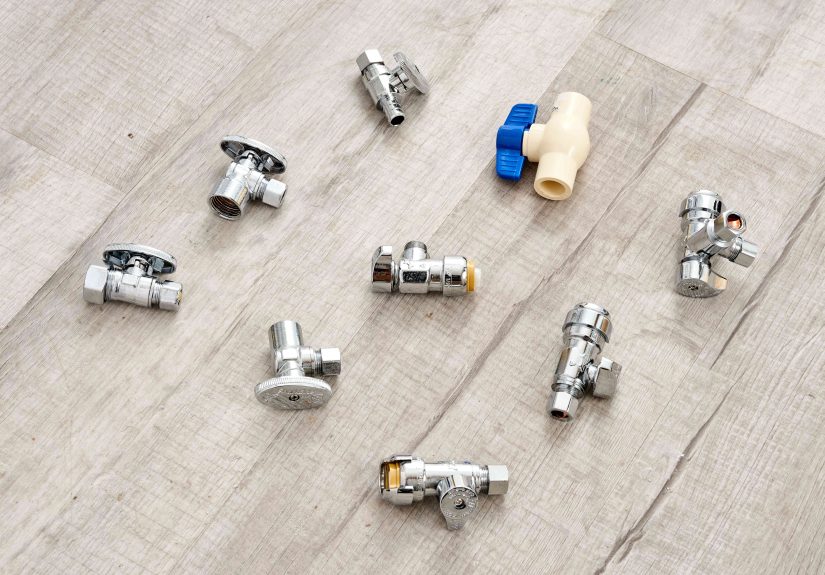
- The 9 Types of Under-Sink Shutoff Valves
- 1) Angle Stop (Single Outlet)
- 2) Straight Stop (Single Outlet)
- 3) Dual-Outlet (Two-Way) Stop
- 4) Multi-Turn (Stem/Compression) Stop
- 5) Quarter-Turn Ball Stop
- 6) Push-to-Connect (Push-Fit) Stop
- 7) Compression-Inlet Stop (for Copper)
- 8) Sweat (Solder) or Press-Connect Stop
- 9) PEX/CPVC-Specific Stops (Barb or Solvent-Weld) & Specialized Options
- Outlet & Inlet Sizes You’ll Actually See
- Angle vs. Straight vs. Dual: Which Pattern Fits?
- Quarter-Turn vs. Multi-Turn: Reliability & Feel
- Connection Method: Pick for Your Pipe & Tools
- Material, Certifications & Code Notes (Short but Important)
- Under-Sink No-Nos: A Word on Saddle Valves
- How to Choose the Right Under-Sink Shutoff Valve
- Installation & Replacement Tips (High-Level)
- At-a-Glance Buying Matrix
- SEO-Friendly Recap (for humans too)
- Conclusion
- Field Notes: of Real-World Experience
You don’t need a plumbing PhD to pick the right under-sink shutoff valvejust a clear guide (and maybe a flashlight). Whether you’re swapping a leaky old stop or planning a faucet upgrade, this deep-dive breaks down the nine most common under-sink valve types, when to use each, and how to choose the best one for your pipe, fixture, and code needs. A little valve knowledge today means fewer soggy towels tomorrow.
Quick Primer: What an Under-Sink Shutoff Valve Does
An under-sink shutoff valveoften called a stop or fixture stopsits between the home’s water line and the faucet’s supply tube. It lets you turn off water to just that fixture (hot or cold) without shutting the whole house. Most modern sinks have two: one for cold and one for hot. Typical outlets are 3/8-inch OD compression to the faucet, while common inlets match your pipe: 1/2-inch nominal copper (5/8-inch OD compression), 1/2-inch FIP threaded, push-fit for copper/PEX/CPVC, PEX barb (crimp/clamp), or CPVC slip/solvent.
The 9 Types of Under-Sink Shutoff Valves
1) Angle Stop (Single Outlet)
The classic angle stop turns the flow 90°perfect when the supply comes from the wall. The outlet typically goes to a 3/8-inch compression faucet supply. Choose angle stops when your stub-outs are horizontal and you want a clean, tight bend up to the faucet. Available in multi-turn (older stem style) and quarter-turn ball styles.
2) Straight Stop (Single Outlet)
Straight stops are for vertical supply lines that rise up through the floor. The water path stays inline, which reduces kinks on vertical runs and can give you a little more cabinet elbow room. Like angle stops, you’ll find straight versions in both multi-turn and quarter-turn ball designs.
3) Dual-Outlet (Two-Way) Stop
Dual-outlet stops feed two fixtures from a single valve bodyfor example, a faucet and a dishwasher or a water filter. Some versions offer dual shutoff (independent handles), letting you service one fixture without interrupting the other. These are a clean, code-friendly alternative to improvising tees under the sink.
4) Multi-Turn (Stem/Compression) Stop
The “old faithful” of stops uses a rubber/compression washer on a threaded stem. You turn the oval handle several rotations to open or close. They’re inexpensive and still common, but the internal washer can wear, and stems can seize after years of inactivity. If your current stop needs more than a gentle twist, consider upgrading to a quarter-turn ball style.
5) Quarter-Turn Ball Stop
The modern favorite: a chrome-plated brass ball with a borosilicate/PTFE seat that opens or closes with a quick 90° handle flick. They resist sticking, make it obvious when they’re “on” or “off,” and are built for long service lifeespecially useful where you don’t want surprises during emergency shutoffs.
6) Push-to-Connect (Push-Fit) Stop
Push-fit stops slide onto cleanly cut copper, PEX, CPVC, PE-RT, or HDPEno solder, glue, or special crimp tools. Internally, a stainless grab ring and O-ring seal the pipe. For tight spaces or quick retrofits, push-fit is a lifesaver. Just deburr carefully and respect insertion depth for a leak-free seal.
7) Compression-Inlet Stop (for Copper)
This style seals on copper using a brass ferrule (olive) and compression nut. It’s a staple in remodels and new work on copper stubs because it’s reliable, serviceable, and doesn’t require heat. Common spec: 1/2-inch nominal compression inlet × 3/8-inch OD compression outlet.
8) Sweat (Solder) or Press-Connect Stop
For copper systems, sweat-in stops solder directly to the pipe, making a slim, permanent connection. Press-connect stops (use press fittings and an approved press tool) offer a heat-free alternative that’s fast and allowed on wet lines with the right toolinghandy where open flame isn’t welcome.
9) PEX/CPVC-Specific Stops (Barb or Solvent-Weld) & Specialized Options
PEX crimp/clamp (barb) inlet stops pair with rings/clamps; CPVC slip or solvent-weld inlet stops join with primer/cement. You’ll also find specialty variants like integral water-hammer-arrestor stops (mini piston chambers built into the stop body) that tame pipe banging when solenoid-type appliances snap shut.
Outlet & Inlet Sizes You’ll Actually See
- Valve outlet to faucet: Most faucets use 3/8-inch OD compression supplies. (Older faucets may need 1/2-inch FIP at the faucet, but that’s on the faucet side, not the stop.)
- Valve inlet from pipe:
- 1/2-inch nominal copper (5/8-inch OD) compression or 1/2-inch sweat/press
- 1/2-inch FIP threaded female on some stops
- Push-fit for copper/PEX/CPVC (also marked 1/2-inch)
- PEX barb (crimp/clamp) or CPVC slip/solvent for plastic systems
Angle vs. Straight vs. Dual: Which Pattern Fits?
Use angle stops when pipes come from the wall; straight stops when they come from the floor. If you need to feed two fixtures (say, faucet + dishwasher), dual-outlet is cleaner than stacking adapters and reduces potential leak points. Choosing the correct body pattern avoids awkward bends and keeps supply hoses kink-free.
Quarter-Turn vs. Multi-Turn: Reliability & Feel
If you’re replacing an older, stiff valve, it’s worth upgrading to a quarter-turn ball stop. It’s smoother, easier to read (handle parallel = on; perpendicular = off), and far less likely to bind after years of non-use. Multi-turn stem stops still work fine, especially when budget is tightbut for longevity and quick emergency shutoffs, quarter-turn wins.
Connection Method: Pick for Your Pipe & Tools
- Push-fit: Fastest retrofit on copper/PEX/CPVC (no heat, no glue). Ideal for tight spaces or DIYers with careful prep.
- Compression: Great on copper; requires proper ferrule seating and nut torque (snug + a quarter-turn is typicaldon’t crush).
- Sweat/Press: Pro-grade, compact, and durable on copper; sweat needs flame clearance and dry pipe, while press is fast but requires a press tool.
- PEX Barb: Use the crimp or clamp system your home already uses to stay consistent.
- CPVC Slip/Solvent: Use the right primer/solvent cement and respect cure times.
Material, Certifications & Code Notes (Short but Important)
For potable water, choose lead-free valves certified to NSF/ANSI/CAN 61 (health effects) and/or NSF/ANSI/CAN 372 (≤0.25% weighted average lead content). Since January 4, 2014, U.S. “lead-free” rules for drinking water components have been tighter, and many jurisdictions reference these standards in code. Look for markings or spec sheets that state compliance.
Under-Sink No-Nos: A Word on Saddle Valves
Those self-piercing “saddle” tap valves that clamp onto a pipe? They’re notorious for leaks and are prohibited by modern residential codes in many places. If you’re adding an appliance line (fridge, RO filter), use a tee and a proper stop (or a dual-outlet stop), not a piercing saddle. Your cabinets (and future self) will thank you.
How to Choose the Right Under-Sink Shutoff Valve
- Match the pattern to the stub-out: Wall = angle stop; floor = straight stop. Two fixtures from one line? Pick a dual-outlet stop.
- Match the inlet to your pipe: Copper can take compression, sweat/press, or push-fit. PEX wants barb (or push-fit). CPVC needs slip/solvent (or push-fit rated for CPVC).
- Choose the mechanism: Quarter-turn ball stops are the easy-to-use, low-maintenance pick; multi-turn can work if you prefer the classic style.
- Pick the outlet size: Most faucets use 3/8-inch OD compression to the supply hose. Verify your faucet before you buy.
- Think add-ons: If you have banging pipes, an integral water-hammer arrestor stop or a stand-alone arrestor near the valve is worth it.
- Check certifications: Look for NSF/ANSI/CAN 61 and 372 (lead-free). If the spec doesn’t say “lead-free,” skip it.
- Handle & finish: Quarter-turn lever handles are grippy with wet hands; oval multi-turn handles match older aesthetics. Chrome is standard; matte or polished finishes are mostly cosmetic under the sink.
- Budget vs. lifespan: Spending a few extra dollars for a brass, quarter-turn, certified stop is one of the best ROI moves in a kitchen or bath.
Installation & Replacement Tips (High-Level)
- Always test by opening the faucet after installation and watching for drips at the inlet and outlet while the line is pressurized.
- Deburr & clean the pipe end (critical for push-fit and compression) to protect O-rings and get a true seal.
- Support the stub-out so you’re not twisting the copper/PEX while tightening the valve.
- Compression connections: Do not over-crank. Snug + quarter-turn is typicalstop if the nut fights you.
- Sweat connections: Protect finishes from flame, and purge water from the line or the solder will never flow.
- Press fittings: Verify jaw size/profile; make clean, square cuts; mark insertion depth before pressing.
- Push-fit: Use a depth gauge/mark, push to the mark, and pull-test. Include a disconnect clip in your toolbox for future service.
At-a-Glance Buying Matrix
| Scenario | Best Valve Type | Inlet | Why |
|---|---|---|---|
| Wall stub-out to faucet | Quarter-turn angle stop | Compression / Push-fit / Sweat / Press | Clean bend, quick shutoff, minimal drips |
| Floor stub-out to faucet | Quarter-turn straight stop | Compression / Push-fit / Sweat / Press | Inline run avoids kinks |
| Faucet + dishwasher from one line | Dual-outlet angle stop (dual shutoff if possible) | Match pipe (compression, push-fit, etc.) | Fewer tees, fewer leak points |
| Copper retrofit, no torch | Push-fit angle or straight stop | Push-fit | Fast install without flame |
| PEX system consistency | PEX barb quarter-turn stop | PEX barb (crimp/clamp) | Matches existing tooling & practice |
| Pipe banging on appliance shutoff | Stop with integral hammer arrestor | Match pipe | Built-in shock absorption |
| Lowest upfront cost | Multi-turn angle/straight stop | Match pipe | Budget choice (trade-off: more maintenance) |
SEO-Friendly Recap (for humans too)
If you remember nothing else: match the pattern (angle vs. straight) to the stub-out, the inlet to your pipe material, and prefer quarter-turn ball stops for reliability. Avoid saddle valves. Look for lead-free certifications (NSF/ANSI/CAN 61 & 372). And if you’re feeding two fixtures, reach for a dual-outlet stop instead of a mess of adapters.
Conclusion
Under-sink shutoff valves are small parts with big jobs. Choose the right pattern, connection, and certification, and you’ll gain years of drip-free serviceplus stress-free maintenance when it’s time to swap a faucet or service an appliance. The only thing you’ll turn on and off more confidently than your water is your kitchen playlist.
Field Notes: of Real-World Experience
Quarter-turn conversions pay off. I’ve lost count of how many seized multi-turn stems I’ve met under sinks. The story is always the same: no one touched the stop for years; then, on faucet-replacement day, the stem won’t budgeor worse, it turns but doesn’t seal. Upgrading to a quarter-turn ball stop takes roughly the same time as coaxing a crusty stem back to life, and you get a reliable shutoff you can trust next time.
Deburring is not optional. Push-fit and compression connections are incredibly forgivinguntil a razor-sharp burr nicks the O-ring or tilts a ferrule. A quick pass with a deburring tool (or a fine file) makes the difference between a perfect install and a slow, sneaky weep that shows up as a mysterious cabinet stain next month.
Support the pipe while tightening. A copper stub-out is easy to twist if you wrench only the valve body. Hold the valve with one wrench, the compression nut with another (or grip the pipe behind the escutcheon if needed). The goal is to seat the ferrule without torquing the line inside the wall.
Mixing and matching outlets is fair game. Don’t be afraid of dual-outlet stops for faucet + dishwasher/RO. They reduce adapters and potential leak points. If you want maximum control, pick a dual shutoff model so you can isolate the appliance without touching the faucet feed.
Chasing water hammer? Solenoid-driven appliances (dishwashers, smart faucets, instant hot) can slam shut and make the pipes bang. A stop with a built-in hammer arrestor is neat, but a separate AA-size arrestor placed within 6 feet of the culprit also works wonders. It’s a quiet upgrade that protects joints and keeps your kitchen from sounding like a drum solo.
Respect the cure time. If you’re gluing CPVC, the temptation to “just crack the valve” early is strong. Don’t. Follow the primer/cement instructions and cure windows by temperaturepressurizing too early can compromise the joint, and you won’t always notice right away.
Label hot and cold if lines cross. In tight vanities, it’s easy to misroute flexible supplies. A bit of painter’s tape or a marker saves head-scratching later, especially if the stops sit behind a garbage can or organizers where they’re hard to see.
Know when to switch connection types. On stub-outs cut short or out-of-round, compression ferrules can be fussy. A push-fit stop often saves time and avoids re-piping. Conversely, if you’re committed to a push-fit but the pipe is pitted or out of spec, swapping to compression (or cutting back to clean pipe) is the right move.
Plan for the future. If you’re already under the sink and the stops are builder-grade or corroding, replace them nowboth hot and cold. You’ll spend a few extra minutes today and save yourself a weekend emergency later. Grab a couple spare 3/8-inch faucet supply hoses while you’re at it; they age out too.
And finallyskip saddle valves. They’re tempting shortcuts for ice makers or filters, but they’re infamous for leaks and often not permitted. Tee in properly or use a dual-outlet stop. It’s the difference between “done fast” and “done right.”