Table of Contents >> Show >> Hide
- What “The Essex House” Means in Season 34
- The Big Ideas That Make The Essex House So Watchable
- Smarter Systems for a Real-Life Home: Comfort, Efficiency, and Durability
- Episode-by-Episode Highlights: The Essex House Arc
- Episode 16: “A Cottage in the Woods”
- Episode 17: “Human Centered Design, Demolition”
- Episode 18: “One-Level Living”
- Episode 19: “Water Feature, Geothermal Heat”
- Episode 20: “Cottage Style”
- Episode 21: “Standing-Seam Roof, Lighting Rods”
- Episode 22: “Rustic Plaster, Advanced Septic”
- Episode 23: “Shiplap Walls, Finished Yard”
- Episode 24: “Tiling, Floor Stains”
- Episode 25: “Design for Everyone”
- Episode 26: “A Home for Mom and Dad”
- Practical Lessons You Can Borrow From The Essex House
- Why Season 34’s Essex House Still Matters
- Experiences Related to “Season 34 – The Essex House” (Extended)
Some renovation projects are all “wow factor” and no “real life.” The Essex House arc in This Old House Season 34 is the opposite:
it’s a modest 1935 cottage in Essex, Massachusetts, turned into an elegant, welcoming home designed for aging parentswithout looking like a medical brochure.
If you’ve ever wondered how to blend charm, comfort, and accessibility (and still keep the place cute), this project is your blueprintminus the sawdust in your hair.
What “The Essex House” Means in Season 34
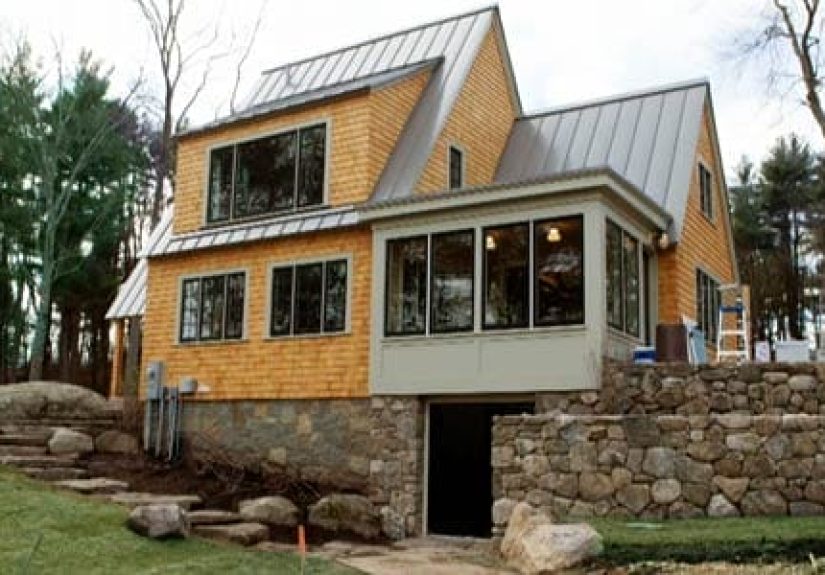
In Season 34, This Old House follows multiple projects, and one standout is The Essex Housea woodland cottage on Cape Ann
that homeowners John and Julie Corcoran set out to reimagine as an accessible in-law residence for Julie’s parents. The goal wasn’t merely
“make it safer.” The goal was: make it feel like home, even as mobility needs change over time.
The starting point: a sweet cottage with big problems
The house itself has the kind of storybook energy people love to romanticizeuntil you actually try living in it. Like many older homes, the layout and systems
weren’t built for modern comfort or aging in place. The renovation plan tackles the essentials (structure, plumbing, heating) while also upgrading the exterior
with coastal-friendly durability, including a new metal roof and a refreshed foundation finish.
The real mission: universal design without the “institution vibes”
The Essex House storyline is a masterclass in human-centered thinking: design that works for everyoneolder adults, kids, guests with injuries,
you carrying groceries like a contestant in a game showwithout screaming “ACCESSIBILITY FEATURE!” in all caps. The best universal design disappears into the
background and simply makes life easier.
The Big Ideas That Make The Essex House So Watchable
1) One-level living that doesn’t feel like a compromise
A core theme is one-level living: placing key daily spaces (sleeping, bathing, eating, relaxing) on the main floor to reduce reliance on stairs.
It’s not “we gave up the second floor.” It’s “we made the first floor work brilliantly.” That approach protects independence and reduces fall riskwhile still
leaving upstairs space for family, guests, or future flexibility.
2) The bathroom becomes the hero (because it usually is)
If you’re renovating for aging in place, the bathroom is where good intentions go to die… unless you plan it like the Essex House does. One highlight is an
oversized curbless showerabout 4-by-8 feetpaired with smart safety and comfort details like a fold-down seat and grab-bar-ready
placement. It’s spacious enough for assistance if needed, but it still reads as “spa day,” not “clinical day.”
The details matter: curbless entries reduce trip hazards; thoughtful bench placement supports seated bathing; and tile choices can balance style with traction.
Even if you don’t copy the exact look, the logic is worth stealing: make the safest route the easiest route.
3) Small accessibility upgrades that quietly change everything
Not every improvement requires a dramatic demolition montage. The Essex House approach reflects a truth that AARP and other aging-in-place experts emphasize:
a handful of “small” changes can make a home dramatically easier to navigate. Think lever-style door handles, better lighting, wider clearances,
and reduced thresholds. The vibe is: “Anyone can use this comfortably,” not “This is a special-purpose space.”
4) A cottage aesthetic that survives the practical stuff
There’s a reason viewers love cottage projects: warm textures, thoughtful trim, natural materials, and that “you can exhale here” feeling. The Essex House
keeps the character while modernizing what must be modernized. This is the sweet spot: preserve the soul, update the body.
Smarter Systems for a Real-Life Home: Comfort, Efficiency, and Durability
Geothermal heating: the quiet overachiever
The Essex House project spotlights geothermal heat, a system choice that’s both practical and forward-looking. Geothermal heat pumps move heat
rather than generating it through combustion. In many installationsespecially where yard space is limitedcontractors drill vertical boreholes
that can run roughly 100 to 400 feet deep, allowing loop piping to exchange heat with the steady underground temperature. In the Essex storyline,
drilling is a major milestone, and it’s treated like what it is: a long-term comfort investment.
Why it matters: geothermal can reduce energy use significantly compared with conventional heating and cooling, while also helping with humidity controluseful
in coastal New England where damp air likes to camp out in your home and refuse to leave.
Advanced septic: because “it drains” is not the same as “it protects the environment”
Onsite wastewater isn’t glamorous, but it’s essentialespecially in areas where groundwater and coastal ecosystems are sensitive. Standard septic systems rely
on a tank and soil treatment in the drainfield. However, conventional setups may not remove certain pollutants (like nitrogen) effectively. Advanced systems
can add treatment stepssuch as aerobic treatment units that inject oxygen to boost bacterial breakdownhelping treat wastewater more thoroughly
before it reaches the environment.
Standing-seam metal roofing: coastal-proofing with style
The Essex House exterior plan includes a metal roofa smart choice where weather can be rude and salty air can be even ruder. Standing-seam
metal roofing is known for durability and longevity; some industry field studies suggest quality standing-seam roofs can have service lives measured in
decades (often cited around 50+ years, and sometimes longer depending on materials and maintenance). In other words, it’s a roof that says,
“I’m staying,” instead of “See you again in 15 years.”
Lightning protection: not dramatic, just… sensible
If you grew up thinking lightning rods were only for spooky mansions in cartoons, welcome to adulthood: they’re simply part of a broader
lightning protection system. A standards-based system typically includes strike termination points (air terminals), down conductors,
grounding electrodes, bonding, and surge protection. It’s about giving lightning a preferred pathso it doesn’t improvise one through your home’s wiring.
Episode-by-Episode Highlights: The Essex House Arc
The Essex House stretch plays like a tight renovation novel: meet the house, define the mission, open the walls, solve the “uh-ohs,” and land the plane with a
home that feels both beautiful and usable. Here’s a viewer-friendly tour of the key beats.
Episode 16: “A Cottage in the Woods”
The setup episode: the crew arrives in Essex, tours the 1935 cottage, and lays out the plan for an accessible in-law home. This is where the project’s identity
is established: aging in place meets Cape Ann charm.
Episode 17: “Human Centered Design, Demolition”
The show leans into design thinking earlybecause accessibility works best when it’s baked in from the start, not patched on later.
Demolition isn’t just for drama; it’s for clarity.
Episode 18: “One-Level Living”
Layout decisions take center stage: routes through the home, how rooms connect, and how daily needs stay on the main floor. The theme is simple:
reduce barriers before they exist.
Episode 19: “Water Feature, Geothermal Heat”
Systems and landscape ideas show up togetherbecause the “outside” and “inside” of a home share the same reality: water goes where it wants unless you plan.
Geothermal drilling is a standout moment for anyone curious about next-level HVAC choices.
Episode 20: “Cottage Style”
Now the charm returns: windows, trim decisions, and exterior detailing that protect the cottage feel while modernizing performance. It’s the reminder that
accessibility does not require aesthetic surrender.
Episode 21: “Standing-Seam Roof, Lighting Rods”
Exterior durability gets its spotlight: roofing choices and lightning protection details that are easy to ignoreuntil you really, really wish you hadn’t.
Episode 22: “Rustic Plaster, Advanced Septic”
A perfect Essex House pairing: beauty and infrastructure. The project shows how “invisible” systems (wastewater treatment) support the visible comfort of the
homeand how finishes can still feel handmade and warm.
Episode 23: “Shiplap Walls, Finished Yard”
Interior texture and exterior livability come into focus. Practical tip: a finished yard isn’t just prettyit supports safer access, easier walking routes,
and day-to-day enjoyment.
Episode 24: “Tiling, Floor Stains”
Finishes that are more than cosmetic: flooring choices, traction considerations, transitions, and the kind of details that make a home feel cohesive rather than
“remodeled in five different decades.”
Episode 25: “Design for Everyone”
The mission statement episode: universal design principles become explicit. It’s an argument for building spaces that don’t single anyone outbecause a home
should never make you feel like a visitor in your own life.
Episode 26: “A Home for Mom and Dad”
The reveal: the Essex cottage becomes a polished, accessible home with long-term systems and thoughtful design choices. It’s both a renovation finale and a family
milestoneone where comfort and dignity are part of the floor plan.
Practical Lessons You Can Borrow From The Essex House
Start with movement, not furniture
Before you pick finishes, think about routes: how someone enters the home, moves through rooms, turns corners, and reaches daily essentials. Universal design
checklists often emphasize no-step entries, wide doorways, and wide hallways because those choices reduce friction
for almost everyonewheelchairs, walkers, strollers, or just you hauling a laundry basket like it’s a personal grudge.
Design the bathroom like you’ll use it forever
A curbless shower, blocking for future grab bars, smart lighting, and slip-conscious surfaces aren’t “senior-only” features. They’re
human features. If budget forces tradeoffs, prioritize safety and access where falls happen most: bath and entry transitions.
Choose systems that fit your site, not just your mood board
The Essex House highlights a truth homeowners learn the expensive way: your home sits on real land with real constraints. Septic design depends on soil, water
tables, and local requirements. Heating and cooling choices depend on climate and energy goals. A renovation that respects the site tends to age betterlike the
kind of “better” you don’t notice daily, but absolutely feel.
Make it beautiful on purpose
The most powerful takeaway from Season 34’s Essex House isn’t a single product or trick. It’s the insistence that accessible design can be
elegant. Warm trim, cottage textures, cohesive finishes, and thoughtful proportions aren’t extrasthey’re the difference between “a house that was
modified” and “a home that was designed.”
Why Season 34’s Essex House Still Matters
The Essex House resonates because it treats aging in place as a normal life stage, not an emergency. It proves you can renovate a small home with big warmth,
build accessibility without stigma, and invest in systems that make daily living easier nowand later. Season 34 doesn’t just show a makeover; it shows a
mindset: design for the people you love, and for the people you’re becoming.
Experiences Related to “Season 34 – The Essex House” (Extended)
Watching the Essex House arc feels a little like walking through a home you didn’t know you needed. The first experience isn’t even visualit’s emotional:
the shift from “this is a renovation show” to “this is a family planning session with power tools.” When the project frames accessibility as dignity, you start
noticing how many homes accidentally argue with their own residents: a front step that becomes a daily negotiation, a narrow doorway that turns mobility into
choreography, a bathroom that’s fineuntil it isn’t. The Essex House experience is realizing that good design is the kind that doesn’t ask you to prove yourself
to your own floor plan.
There’s also a uniquely New England feeling to this season: the cottage-in-the-woods setting, the coastal weather reality, and the sense that materials need to
earn their keep. You can almost feel the damp air in the framing scenes, the kind of moisture that makes you appreciate systems that manage comfort quietly.
When geothermal drilling comes up, it’s hard not to imagine what it would feel like to live in a home where winter warmth isn’t a battle and summer humidity
doesn’t get the final vote. It’s the “infrastructure experience” of the Essex House: comfort that isn’t loud, flashy, or constantly breakingjust steady.
If you ever visit Essex, Massachusetts, the experience deepens. Essex has a maritime identityshipbuilding history, working water culture, and a landscape shaped
by marshes and tide. Even without stepping inside the actual TV house, you can understand why the project choices matter. A durable roof and careful water
management aren’t just nice; they’re practical responses to a place where weather changes its mind quickly. The Essex House begins to feel less like a TV set and
more like a local solution: a small home adapted intelligently to its environment and to the people who will use it every day.
Then there’s the accessibility “aha” moment that sneaks up on you. You might not think a wider doorway is excitinguntil you picture moving furniture, helping a
family member with a walker, or simply carrying a tray without twisting sideways like a game of human Tetris. Universal design reads differently when you
imagine real scenarios: a parent visiting for a week, a temporary injury, a kid on crutches, or someone who just wants to shower without stepping over a curb.
The Essex House experience is noticing how a curbless shower isn’t just for “later.” It’s for right now: for comfort, ease, and the simple relief of not
worrying about slipping when you’re half-awake and the coffee hasn’t kicked in yet.
Finally, there’s the aesthetic experiencebecause the Essex House doesn’t let practicality flatten personality. Cottage style elements, warm materials, and
cohesive detailing give the renovation a lived-in friendliness that makes accessibility feel normal. The biggest emotional payoff is imagining the parents
arriving, not as “guests being accommodated,” but as residents being welcomed. That’s the quiet magic of Season 34’s Essex House: it shows that the best
accessible home is one where nobody has to announce their needs to belong there. The house just workslike it always should have.