Table of Contents >> Show >> Hide
- What exactly is cholesterol and why do we have it?
- What are LDL, HDL, and triglycerides?
- How do I know if my cholesterol is high?
- What cholesterol numbers should I aim for?
- What raises cholesterol levels?
- Can I lower cholesterol naturally?
- When do I need cholesterol medication?
- Is all dietary cholesterol bad for me?
- Cholesterol myths vs. facts (lightning round)
- How can I talk to my doctor about my cholesterol?
- Real-life experiences: Living with cholesterol concerns
- Conclusion: Turning cholesterol confusion into a game plan
Cholesterol has a bit of a PR problem. Say the word and people instantly picture
greasy burgers, scary lab results, and their doctor giving them “that look.”
But cholesterol is more than just a scary number on a blood test it’s a key
part of how your body works. The trick is keeping it in the right balance.
In this cholesterol FAQ, we’ll break down what the numbers mean, why LDL and HDL
keep getting labeled “bad” and “good,” how high cholesterol actually affects your
body, and what you can do about it. We’ll keep the science accurate, the tone
friendly, and sprinkle in a few examples so it all feels less like a biology
exam and more like a conversation with a health-savvy friend.
What exactly is cholesterol and why do we have it?
Cholesterol is a waxy, fat-like substance your body needs. Your liver makes all
the cholesterol you require to:
- Build and repair cells
- Produce hormones like estrogen, testosterone, and cortisol
- Make vitamin D
- Create bile acids that help digest fats
Cholesterol also comes from food especially animal-based foods like meat,
full-fat dairy, and egg yolks. But here’s an important twist: for most people,
the bigger drivers of high blood cholesterol are not the cholesterol in food
itself, but the types of fat you eat, your genetics, and your lifestyle.
Because cholesterol is a fat, it doesn’t mix well with blood (which is mostly
water). So your body packages it into tiny carriers called lipoproteins to move
it around. Those little carriers are where terms like LDL and HDL come from.
What are LDL, HDL, and triglycerides?
Think of cholesterol as passengers and lipoproteins as the Uber drivers. Some
drivers take cholesterol where it’s needed; others accidentally cause traffic
jams inside your arteries.
LDL: the “bad” cholesterol
LDL stands for low-density lipoprotein. It carries cholesterol from your liver
out to the rest of your body. The problem is that when there’s too much LDL
circulating, it can deposit cholesterol in the walls of your arteries. Over
time, this buildup forms plaque, narrowing and stiffening those blood vessels.
That plaque is what raises your risk of:
- Heart attack (when arteries in the heart are blocked)
- Stroke (when arteries in the brain are blocked)
- Peripheral artery disease (reduced blood flow to legs and feet)
That’s why LDL is called “bad” cholesterol: not because it’s evil, but because
high levels are strongly linked to cardiovascular disease.
HDL: the “good” cholesterol
HDL stands for high-density lipoprotein. You can think of HDL as the cleanup
crew. It picks up extra cholesterol from the bloodstream and artery walls and
carries it back to the liver, where it can be processed and removed from the
body.
Higher HDL levels are generally associated with a lower risk of heart disease,
which is why HDL gets the “good” label. It doesn’t cancel out a very high LDL,
but it does help.
Triglycerides: the other fat on your lab report
Triglycerides are a different type of blood fat your body uses for energy.
They tend to go up when you:
- Eat more calories than you burn (especially sugary or refined foods)
- Drink a lot of alcohol
- Have uncontrolled diabetes or insulin resistance
- Are sedentary or have excess body weight
High triglycerides plus high LDL and low HDL is a triple whammy for your heart.
How do I know if my cholesterol is high?
Here’s one of the most frustrating things about cholesterol: you can’t feel it.
High cholesterol usually causes no symptoms at all. You can be in great shape,
running marathons, and still have elevated LDL.
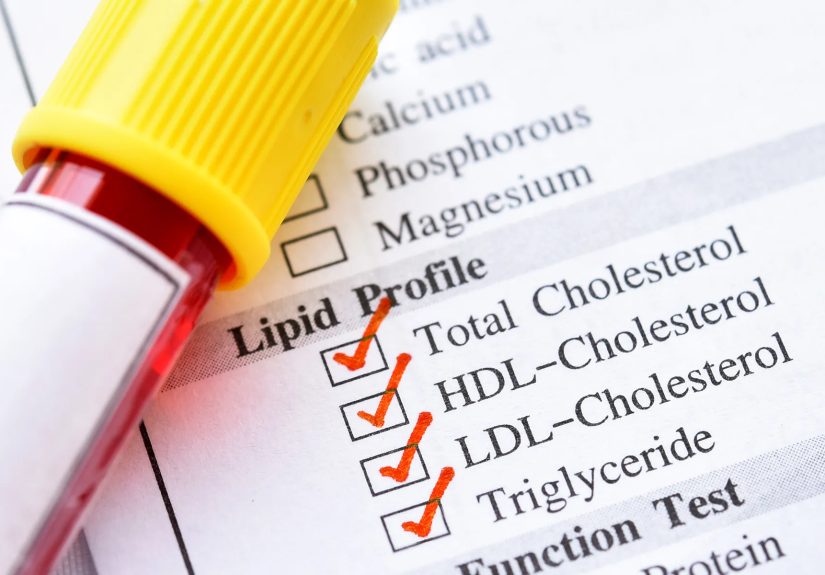
The only reliable way to know your levels is a blood test called a
lipid panel or lipoprotein panel. This test
typically measures:
- Total cholesterol
- LDL cholesterol
- HDL cholesterol
- Triglycerides
Many guidelines suggest that adults with no known heart disease have their
cholesterol checked at least once every 4–6 years, and more often if they have
risk factors like diabetes, high blood pressure, smoking, or a strong family
history of heart disease.
What cholesterol numbers should I aim for?
Your personal targets can vary based on your age, existing health conditions,
and overall cardiovascular risk, but these general ranges are often used for
adults:
- Total cholesterol: under 200 mg/dL is considered desirable.
- LDL cholesterol:
- Below 100 mg/dL is generally considered optimal for most healthy adults.
- Below 70 mg/dL is often the goal for people at very high risk, such as those who have already had a heart attack or stroke.
- HDL cholesterol: 60 mg/dL or higher is considered protective.
- Triglycerides: under 150 mg/dL is typically considered normal.
Keep in mind, these are guideposts, not hard rules for every single person.
Your healthcare provider will look at your entire risk picture, not just one
number that’s a few points off.
What raises cholesterol levels?
Several factors can send your LDL and total cholesterol creeping up:
Diet and lifestyle
- Saturated fats: Found in fatty cuts of red meat, full-fat dairy, butter, and some tropical oils. These can raise LDL.
- Trans fats: Once common in processed foods and some baked goods; even small amounts can significantly raise LDL and lower HDL.
- Excess calories and added sugars: Can increase triglycerides and contribute to weight gain.
- Lack of physical activity: Being sedentary tends to lower HDL and can raise LDL and triglycerides.
- Smoking: Damages blood vessels and lowers HDL, amplifying your overall risk.
Health conditions and genetics
- Overweight or obesity can raise LDL and triglycerides and lower HDL.
- Type 2 diabetes, metabolic syndrome, and hypothyroidism can all disrupt lipid levels.
- Familial hypercholesterolemia (FH) is an inherited condition that causes very high LDL levels from a young age.
- Age and sex: Cholesterol often rises with age; before menopause, women tend to have higher HDL than men, but this gap may narrow afterward.
Some of these factors are in your control; others (like genetics and age) are
not. The good news: even if you have strong genetic risk, lifestyle changes
and medications can still make a huge difference.
Can I lower cholesterol naturally?
Often, yes at least to a point. Lifestyle changes are the foundation of
cholesterol management, even if you eventually need medication.
1. Eat for your heart, not for your cravings
A heart-healthy eating pattern emphasizes:
- Plenty of fruits and vegetables
- Whole grains like oats, barley, and brown rice
- Beans and lentils
- Nuts and seeds
- Fish, especially fatty fish (like salmon and sardines) a couple of times a week
- Healthy fats from olive oil, avocado, and nuts instead of butter and lard
Foods high in soluble fiber such as oats, beans, apples, and
citrus can help lower LDL by binding some cholesterol in the digestive tract
and helping your body get rid of it. Some fortified foods contain
plant sterols and stanols, which can also
modestly lower LDL in certain people.
2. Move your body regularly
Exercise helps raise HDL and can lower LDL and triglycerides. Aim for at least:
- 150 minutes a week of moderate-intensity aerobic activity (like brisk walking or cycling), or
- 75 minutes of more vigorous activity (like running or fast swimming), plus
- 2 days a week of muscle-strengthening activities.
You don’t have to become a gym influencer. Walking the dog faster, taking the
stairs, dancing in your kitchen it all counts.
3. Other lifestyle wins
- Quit smoking: Within weeks to months, your HDL can improve and your overall heart risk begins to drop.
- Limit alcohol: Too much alcohol can raise triglycerides and blood pressure.
- Prioritize sleep and stress management: Poor sleep and chronic stress are linked with worse cardiometabolic health overall.
- Reach and maintain a healthy weight: Even modest weight loss (5–10% of body weight) can improve your lipid profile.
For some people, these steps alone are enough to bring cholesterol into a safe
range. For others, lifestyle changes plus medication work together as a team.
When do I need cholesterol medication?
This is one of the most common cholesterol questions and the answer depends on
both your numbers and your overall risk of heart disease.
Your healthcare provider may recommend medication if, for example:
- Your LDL is very high (for instance, 190 mg/dL or higher).
- You already have heart disease, a history of heart attack or stroke, or conditions like peripheral artery disease.
- You have diabetes plus additional risk factors.
- Your 10-year risk of cardiovascular disease (based on calculators that include age, blood pressure, smoking, and other factors) is elevated.
The most commonly used medications are statins, which reduce
how much cholesterol your liver makes and help pull LDL out of the bloodstream.
Other options include ezetimibe, PCSK9 inhibitors, bile acid sequestrants,
and (in certain situations) fibrates or other drugs for very high triglycerides.
Medication doesn’t mean you’ve “failed” at lifestyle changes. Think of it as an
extra tool especially powerful when combined with healthy habits.
Is all dietary cholesterol bad for me?
Not exactly. Your body actually needs cholesterol, and many people can tolerate
a moderate amount of dietary cholesterol without dramatic changes in their
blood levels. For most adults, the bigger issue is:
- Too much saturated fat and trans fat
- Too many refined carbs and sugary foods that raise triglycerides
- Not enough fiber and unsaturated fats
That said, if you already have high cholesterol or heart disease, your provider
may recommend being more cautious with foods that are very high in dietary
cholesterol, like organ meats or large amounts of egg yolks, while still
focusing on overall eating patterns.
Cholesterol myths vs. facts (lightning round)
“All cholesterol is bad.”
False. Your body needs cholesterol to function. The goal is
healthy levels and the right balance between LDL, HDL, and triglycerides.
“If I feel fine, my cholesterol must be fine.”
False. High cholesterol usually has no symptoms. That’s why
regular blood tests are so important.
“Thin people don’t get high cholesterol.”
False. While excess body weight can raise cholesterol, genetics
and other factors mean that even thin or athletic people can have high LDL.
“If I’m on medication, I don’t need to change my lifestyle.”
False. Medications are powerful, but they work best when paired
with heart-healthy habits. Lifestyle changes also improve blood pressure,
blood sugar, and overall well-being.
How can I talk to my doctor about my cholesterol?
Walking into an appointment and saying, “So… my numbers?” is a good start, but
you can get much more out of the conversation with a few specific questions.
Consider asking:
- “What are my LDL, HDL, triglycerides, and total cholesterol?”
- “Based on my overall risk, what are my target numbers?”
- “How much can I realistically improve with diet and exercise alone?”
- “Do I need medication now, or can we try lifestyle changes first?”
- “How often should I have my cholesterol checked?”
- “Are there any side effects I should watch for if I start a statin or other drug?”
Bringing a list of your medications and supplements, plus a rough idea of your
usual weekly eating and activity patterns, helps your provider give tailored
recommendations instead of generic advice.
Real-life experiences: Living with cholesterol concerns
Facts and numbers are helpful, but cholesterol becomes very real when you see
how it affects everyday life. Here are a few composite examples (based on
common real-world experiences) that might sound familiar.
Case 1: “I’m too busy for this… and then the lab results came back.”
Alex is 42, works long hours at a desk job, and jokes that coffee and takeout
keep him alive. He feels fine maybe a little tired, but who isn’t? During a
routine checkup, his provider suggests running a cholesterol test “just to
keep an eye on things.”
The results come back with an LDL of 165 mg/dL and triglycerides in the
borderline-high range. Alex is surprised. He isn’t overweight, he walks the
dog most days, and he doesn’t feel sick. His provider explains that age,
family history, and eating patterns can quietly nudge cholesterol up over time.
Instead of panicking, Alex and his doctor make a plan:
- Swap fast food lunches for simple options like grain bowls or salads with beans and grilled chicken.
- Add three 30-minute brisk walks per week on top of his usual dog walks.
- Recheck his cholesterol in six months.
His numbers don’t become perfect overnight, but they start trending in the
right direction and Alex realizes that “too busy” was really just a habit he
could change.
Case 2: “Heart disease runs in my family. Am I doomed?”
Maria is 36 and has a strong family history of early heart disease. Her father
had a heart attack in his 50s, and her older brother was recently told he has
very high LDL. Maria feels nervous every time a doctor mentions cholesterol.
Her lipid panel shows an LDL of 190 mg/dL significantly elevated for her age.
Genetic testing suggests familial hypercholesterolemia, meaning her liver has
trouble clearing LDL from her blood. No matter how “perfect” her diet is, her
numbers are unlikely to drop into the normal range with lifestyle alone.
That sounds scary, but the story doesn’t end there. Her cardiologist explains
that early, aggressive treatment is actually empowering: with high-intensity
statin therapy plus heart-healthy habits, Maria can dramatically lower her risk
of heart attack and stroke. They set clear goals, schedule follow-up labs, and
talk through medication side effects honestly so she knows what to watch for.
Maria leaves the appointment feeling less doomed and more like she has a
roadmap. Genetics loaded the gun, but treatment and lifestyle can keep anyone
from pulling the trigger.
Case 3: “I don’t want to be on pills forever.”
James is 58 and was recently started on a statin after a heart attack. He
understands why he’s taking it, but the idea of “being on meds for life”
bothers him. He’s tempted to stop as soon as he feels better which is,
unfortunately, when many people quit their heart medications.
During a follow-up visit, his cardiologist explains that the statin is not a
short-term bandage. It’s part of a long-term strategy to keep plaque from
building up again and to stabilize the plaque that’s already there. The
conversation shifts from “You have to take this” to “Here’s how this helps your
arteries stay as open and calm as possible.”
Together, they:
- Review James’s cholesterol numbers before and after starting the statin.
- Discuss side effects he’s worried about (like muscle aches) and how to manage or monitor them.
- Add realistic lifestyle goals: evening walks, a few simple home-cooked meals each week, and cutting back on processed snacks.
Feeling more informed and involved, James decides he’d rather take a pill and
walk his grandkids to the park than skip the medication and roll the dice.
These stories aren’t about perfection. They’re about small, consistent steps:
asking questions, understanding your numbers, and combining lifestyle changes
with medical care when needed. High cholesterol is common, but it’s also one
of the most modifiable risk factors for heart disease. The more you know, the
more you can do something about it.
Conclusion: Turning cholesterol confusion into a game plan
Cholesterol doesn’t have to be mysterious or terrifying. Once you understand
what LDL, HDL, and triglycerides actually are, it becomes much easier to see
what your lab results mean and what you can do next.
The big takeaways:
- High cholesterol rarely causes symptoms, so regular blood tests matter.
- LDL is the main troublemaker for plaque buildup, while HDL helps clean things up.
- Healthy food choices, movement, not smoking, and managing weight can significantly improve your numbers.
- Medications like statins are powerful tools when lifestyle changes aren’t enough especially if your risk is already high.
- You and your healthcare team can create a realistic, step-by-step plan that fits your life.
You don’t have to become a nutrition expert overnight or spend your life
counting every crumb of cheese. Start with understanding your numbers, asking
good questions, and making a few sustainable changes. Over time, those choices
can protect your heart more than you might imagine.