Table of Contents >> Show >> Hide
- Why This Stew Works (Radishes Included)
- Quick Recipe Snapshot
- Ingredients
- Step-by-Step: How to Make Stewed Tomatoes, Radishes & Peppers
- What It Tastes Like
- Serving Ideas (Because You’ll Want to Put This on Everything)
- Variations to Match Your Mood
- Ingredient Notes (Practical, Not Pretentious)
- Nutrition & Cooking Science (The Delicious Logic)
- Make-Ahead, Storage, and Reheating
- FAQ
- of “Real-Life” Experience With This Kind of Stew
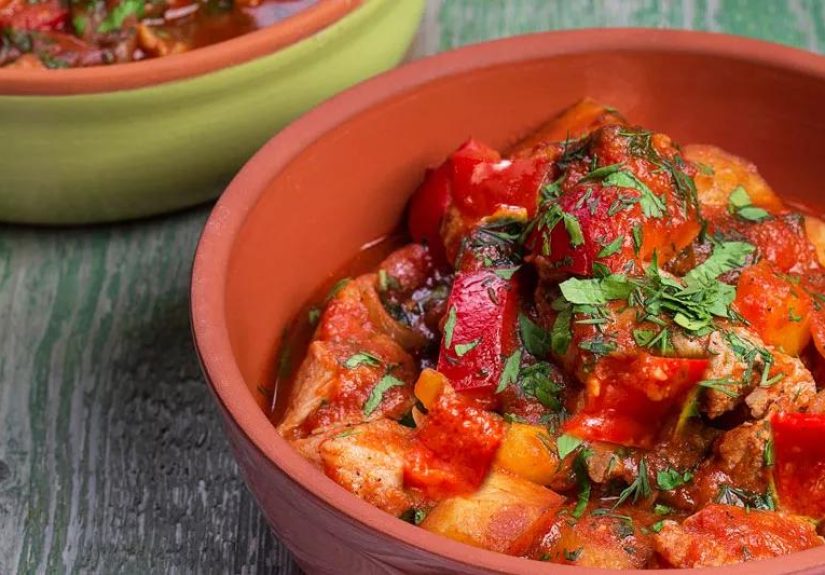
Tomatoes and peppers are already best friends. Add radishes, and suddenly the party gets interesting: those crisp, peppery little bulbs
mellow into something tender and almost turnip-like, soaking up all that garlicky, herby tomato goodness. The result is a cozy, colorful
skillet of stewed vegetables that feels like a sauce, eats like a side, and can absolutely moonlight as the main character on toast, rice,
pasta, or eggs. (Yes, it’s basically a choose-your-own-adventure dinnerno reading glasses required.)
Why This Stew Works (Radishes Included)
Radishes have a reputation for being “salad-only,” which is like saying sweaters are “winter-only.” True… but also missing out. When radishes
cook, their sharp bite calms down and their natural sweetness shows up. In this stew, they become little flavor sponges: soft around the edges,
still pleasantly structured, and deeply seasoned from the tomato-pepper broth.
Meanwhile, tomatoes bring acidity and body, peppers bring sweetness (and heat if you choose), and olive oil rounds everything out so the whole
thing tastes rich without needing butter, cream, or a culinary pep talk.
Quick Recipe Snapshot
- Yield: 4 side servings or 2–3 main servings
- Time: About 35–45 minutes
- Skill level: Beginner-friendly (if you can stir and taste, you’re hired)
- Best uses: Over rice/pasta/polenta, with eggs, alongside grilled meat or fish, piled on toast
Ingredients
Core vegetables
- 2 tablespoons extra-virgin olive oil
- 1 medium yellow onion, chopped
- 4 cloves garlic, minced
- 1 large bell pepper (red is sweetest), sliced or chopped
- 1 smaller pepper for personality: poblano, Anaheim, or cubanelle, sliced (optional but excellent)
- 1 jalapeño or serrano, thinly sliced (optional for heat)
- 1 bunch radishes (about 10–12), trimmed and halved (quartered if large)
- 1 (28-ounce) can crushed tomatoes or whole peeled tomatoes (crushed by hand)
Flavor builders
- 1 teaspoon kosher salt, plus more to taste
- 1/2 teaspoon black pepper
- 1 teaspoon smoked paprika (or regular paprika)
- 1 teaspoon dried oregano
- Pinch of red pepper flakes (optional)
- 1 teaspoon sugar or honey (optional, to balance acidity)
- 1/2 cup water or low-sodium vegetable broth (more as needed)
- 1 tablespoon red wine vinegar or fresh lemon juice (finish with brightness)
- Handful of chopped fresh basil or parsley (finish with freshness)
Optional upgrades (choose your own delicious)
- 1 tablespoon tomato paste (deeper tomato flavor)
- 1 teaspoon cumin (warmer, chili-like vibes)
- 1/2 teaspoon fennel seeds (Italian-style twist)
- 1 cup chickpeas or white beans (makes it a heartier meal)
- Crumbled feta or grated Parmesan (for serving)
Step-by-Step: How to Make Stewed Tomatoes, Radishes & Peppers
1) Start the flavor base
Heat the olive oil in a wide, deep skillet or Dutch oven over medium heat. Add the onion and cook 5–7 minutes, stirring often, until soft and
lightly golden. Add the garlic and cook 30 secondsjust until it smells like you made a good life choice.
2) Soften the peppers
Add the bell pepper and your optional second pepper (plus jalapeño/serrano if using). Cook 4–5 minutes, stirring, until the peppers start to relax
and gloss over.
If you’re using tomato paste, stir it in now and cook 1 minute. This quick “toasting” step deepens the tomato flavor and makes the stew taste like it
simmered longer than it did (a harmless and delicious deception).
3) Add radishes and spices
Toss in the halved radishes. Sprinkle in the salt, pepper, paprika, oregano, and red pepper flakes (if using). Stir for 1–2 minutes so the radishes get
coated and the spices wake up.
4) Pour in tomatoes and simmer
Add the crushed tomatoes and 1/2 cup water or broth. Bring everything to a gentle simmer. Reduce heat to low, cover partially, and cook 20–25 minutes,
stirring every so often.
You’re aiming for radishes that are tender when pierced with a fork but not falling apart. If the stew thickens too much, splash in a bit more water.
If it’s too thin, simmer uncovered for a few extra minutes.
5) Balance and finish
Taste the stew. If the tomatoes feel sharp, add the sugar or honey (start with 1 teaspoon). Stir in the vinegar or lemon juice for brightness.
Finish with fresh basil or parsley.
What It Tastes Like
This stew lands in the sweet spot between “sauce” and “vegetable side.” The tomatoes are rich and cozy, the peppers are sweet and silky, and the radishes
turn mild and savory with a gentle sweetness. If you add a hot pepper, the heat doesn’t screamit hums. (Unless you go full serrano + flakes. Then it sings.
Loudly. In your mouth.)
Serving Ideas (Because You’ll Want to Put This on Everything)
- Toast + eggs: Spoon the stew over toast and top with a fried or poached egg. Instant brunch energy.
- Pasta or gnocchi: Toss with pasta, add a splash of pasta water, finish with Parmesan.
- Rice or quinoa: Ladle over grains and add beans for a simple, filling bowl.
- Shakshuka-style: Make little wells in the stew, crack in eggs, cover and cook until set.
- With protein: Serve alongside grilled chicken, sausage, shrimp, or fishtomato-pepper sauces love company.
- As a dip: Thicken it slightly and scoop with warm pita or crusty bread.
Variations to Match Your Mood
Smoky “Backyard Dinner” Version
Use smoked paprika, add a chopped chipotle in adobo (or a spoonful of the sauce), and finish with lime. Serve with grilled corn tortillas.
Italian Garden Stew
Add fennel seeds, a pinch of dried basil, and finish with lots of fresh basil and Parmesan. Optional: stir in white beans.
Spicy and Bright
Use serrano, add extra vinegar or lemon, and finish with chopped cilantro. Great with rice and a dollop of yogurt.
Make-It-Hearty
Add chickpeas or cannellini beans during the last 10 minutes. You’ll get a stew that eats like a full meal without turning into a heavyweight.
Ingredient Notes (Practical, Not Pretentious)
Fresh vs. canned tomatoes
Canned tomatoes are consistent and convenientperfect for weeknights. If you’re using peak-season fresh tomatoes, chop about 2 to 2 1/2 pounds and
simmer a little longer to concentrate the flavor.
Radish choices
Standard red radishes work beautifully. French breakfast radishes are milder and a bit sweeter. Larger radishes should be quartered so they cook evenly.
If you have radish greens, you can chop them and stir them in at the end like spinach for a no-waste bonus.
Pepper strategy
For flavor without much heat, use poblano, Anaheim, or cubanelle. For moderate heat, jalapeño. For brighter, sharper heat, serrano. If you’re cooking for
mixed spice tolerance, keep the hot pepper whole (slit it) and remove it at the endlike a polite spice “tea bag.”
Nutrition & Cooking Science (The Delicious Logic)
Tomato-based stews are more than comfort foodthey’re smart comfort food. Cooking tomatoes can make lycopene (a naturally occurring pigment in tomatoes)
easier for your body to absorb, and pairing tomatoes with olive oil helps, too. Translation: this recipe is not only tasty, it’s also working overtime.
Peppers bring vitamin C, radishes contribute crunch-turned-tender texture plus additional nutrients, and the stew stays naturally dairy-free and gluten-free
unless you invite bread to the party (which, honestly, you should).
Make-Ahead, Storage, and Reheating
This stew tastes even better after it sitslike it needed a nap to fully process how good it turned out. Let it cool, then store in an airtight container.
- Refrigerator: Keep for 3–4 days.
- Freezer: Freeze for up to about 3–4 months for best quality.
- Reheat: Warm gently on the stove, adding a splash of water if it’s thick. Taste and refresh with a tiny splash of vinegar or lemon.
FAQ
Do radishes really taste good cooked?
Yes. Cooked radishes mellow and become mild, slightly sweet, and tendermore like a baby turnip than a salad topping. If you’ve only had them raw,
you’re missing their “quietly impressive” side.
Can I make this in a slow cooker?
You can, but you’ll get the best flavor by sautéing the onions, garlic, and peppers first. Then slow-cook on low until radishes are tender. Finish with
vinegar/lemon and herbs right before serving.
How do I keep peppers from taking over?
Use one bell pepper plus one mild pepper, and keep the hot peppers optional. Also: add heat at the end with flakes or hot sauce if you’re unsure.
You can always add spice; you can’t un-spice without making a second pot (and that’s a lot of dishes for a Tuesday).
of “Real-Life” Experience With This Kind of Stew
There’s a specific kind of kitchen satisfaction that comes from a tomato stew. It’s not flashy like flambé (which looks fun but also feels like your dinner
might file an insurance claim). It’s the slow, steady confidence of a simmer: the gentle bubbling sound, the smell that drifts down the hallway, the way
you start “just checking” the pot every five minutes like it’s about to reveal a plot twist.
This particular stewtomatoes, radishes, peppershas an extra layer of surprise built in. Most people have a mental file cabinet labeled “Radishes,” and
it contains exactly three items: salads, pickles, and those fancy butter-and-salt snacks that make you feel like you’re at a picnic where everyone owns a
linen shirt. So the first time you slide radishes into a hot pan with onions and peppers, it can feel mildly rebellious, like you’re breaking a rule you
didn’t even know existed. Then you taste one after it simmers, and suddenly the rule feels silly. The radish isn’t shouting anymore. It’s mellow, a little
sweet, and completely on board with the tomato situation.
Another very real moment: the “pepper decision.” You stand there holding a jalapeño like it’s a tiny green debate. Add it and risk making dinner too spicy?
Skip it and wonder if you played it too safe? The beauty of this stew is that it’s forgiving. You can add heat gradually, or you can keep the pepper whole
and let it infuse gentlylike you’re making the stew spicy-adjacent. Either way, the tomatoes and peppers create a cozy base that welcomes your choices.
Even if your choice is “whatever’s in the crisper drawer, plus optimism.”
And then there’s the best part: leftovers. On day one, you eat it like a stew. On day two, it becomes a sauce. You spoon it over rice, fold it into pasta,
or use it as a shortcut shakshuka base with eggs. If you’re the kind of person who likes a practical win, this is the kind of dish that quietly saves you
from ordering takeout because you “have nothing to eat,” while your fridge is literally holding a container of deliciousness like, “Hello? I’m right here?”
Finally, there’s the communal effect. Tomato stews have a way of drawing people into the kitchen. Someone wanders in and asks what smells good. Someone else
tears off bread “just to taste.” You end up standing by the stove, dipping and sampling, adjusting salt, adding herbs, and feeling like a competent adult
even if your life outside the pot is basically a browser tab explosion. This stew doesn’t demand perfection. It just rewards attention: a little sautéing,
a steady simmer, a bright splash of vinegar at the end, and the willingness to let radishes reinvent themselves. Honestly, if vegetables can do that, we all
deserve a little credit for trying, too.