Table of Contents >> Show >> Hide
- Why Oslo Produces So Many Bands
- Iconic Oslo Bands Everyone Should Know
- Indie, Pop, and Singer-Songwriters from Oslo
- The Darker Side: Oslo’s Metal and Experimental Scenes
- Jazz, Experimental Music, and Genre-Blending Artists
- Where to Hear Oslo Bands Live
- Planning Your Own Oslo Bands Playlist
- On-the-Ground Experiences: What It’s Like to Explore Oslo’s Music Scene
- Conclusion: Why Oslo Bands Belong on Your Radar
For a relatively compact capital tucked between a fjord and forest, Oslo makes a lot of noise.
From synth-pop hits that ruled MTV to underground techno in warehouse clubs and blistering black
metal in tiny venues, the city’s bands have shaped how the world hears Norwegian music. If you’ve
ever tried (and failed) to hit the high notes of “Take On Me,” congratulations – you’re already
part of the Oslo music story.
This guide walks through some of the most important Oslo bands and artists, highlights the styles
the city is known for, and shows you where to catch live shows when you finally book that flight.
Think of it as a friendly, slightly nerdy local handing you a curated playlist of the Oslo music
scene.
Why Oslo Produces So Many Bands
Oslo punches far above its weight musically. Norway as a whole has strong arts funding, music
education, and a long tradition of choirs, brass bands, and church music – all of which quietly
prepare kids to form noisy rock groups later. Add in long winters, a tech-savvy population, and
a culture that encourages experimentation, and you get an ideal breeding ground for bands.
The city also has a dense cluster of venues and festivals packed into a walkable center. Mid-size
halls like Rockefeller and Sentrum Scene regularly host both local and international acts, while
clubs such as Blå and Parkteatret function as launchpads for emerging artists and niche genres.
On any given week, Oslo’s listings include everything from jazz to hardcore punk, pop, rap,
experimental electronica, and, of course, plenty of metal.
Iconic Oslo Bands Everyone Should Know
a-ha: Oslo’s Global Pop Ambassadors
You can’t talk about Oslo bands without starting with a-ha. Formed in Oslo in the
early 1980s, the trio blended synth-pop, new wave, and pristine Scandinavian melancholy into a
sound that conquered charts around the world. “Take On Me” wasn’t just a song; it was a full
audiovisual event, with a groundbreaking rotoscope video that helped define the MTV era.
Beyond the big single, albums like Hunting High and Low and Scoundrel Days
showed that a-ha were more than one-hit wonders. Their later work leans darker and more
atmospheric, influencing generations of Norwegian pop and indie artists who learned that
sleek melody and emotional depth can happily coexist.
Turbonegro: Denim, Leather, and Deathpunk
If a-ha are the polished face of Oslo pop, Turbonegro are the tattooed knuckles.
Emerging from Oslo’s late-80s rock scene, they describe their sound as “deathpunk” – a gleefully
chaotic blend of glam rock swagger, punk aggression, and tongue-in-cheek lyrics. Their fanbase,
the Turbojugend, treat the band like a lifestyle brand, complete with denim vests, patches, and
an almost absurd sense of loyalty.
Albums such as Apocalypse Dudes and Scandinavian Leather are cult classics,
packed with sing-along choruses made for sweaty club shows. If you want to understand how Oslo
can be both stylish and scruffy at the same time, Turbonegro are Exhibit A.
BigBang, Backstreet Girls, and Oslo’s Rock Backbone
Beneath the international headlines are Oslo bands that function as the city’s reliable rock
backbone. BigBang built their reputation on guitar-driven, classic-rock-leaning
songs with strong live performances, while long-running outfits like
Backstreet Girls have carried the torch for straight-ahead, no-nonsense rock and
roll in Oslo’s club circuit.
These bands may not always dominate international charts, but they fill venues, anchor festival
lineups, and inspire yet another wave of teenagers to pick up guitars in cramped rehearsal rooms
around the city.
Ulver and the Avant-Garde Edge
Oslo’s music scene is famously unafraid of reinvention, and few bands embody that better than
Ulver. They started in the 1990s with roots in black metal, then spent the next
decades shapeshifting into experimental electronica, ambient soundscapes, and art rock.
Ulver’s evolution mirrors Oslo’s broader artistic culture: open-minded, curious, and never
content to stay in one box. If you want to explore the city’s more atmospheric and cinematic
side, Ulver’s later albums are a great place to start.
Karpe and the Rise of Norwegian-Language Rap
While rock and metal often dominate international perceptions of Norwegian music, Oslo also has
a thriving hip-hop scene. The duo Karpe (formerly Karpe Diem) is one of the most
influential acts in modern Norwegian pop and rap, blending socially conscious lyrics, sharp
storytelling, and big, ambitious live productions.
Their shows regularly sell out major arenas in Oslo, and they’ve helped normalize Norwegian-language
rap at the top of the charts. If you’re curious about what mainstream, contemporary Oslo sounds
like right now, Karpe belong on your playlist.
Indie, Pop, and Singer-Songwriters from Oslo
Beyond the big legacy names, Oslo continually produces smaller, critically adored artists who
fly just under the global radar. Within indie and alt-pop, you’ll find bands and solo acts that
lean into shimmering melodies, introspective lyrics, and that uniquely Norwegian blend of
optimism and wistfulness.
Acts associated with the broader Oslo scene often mix organic instruments with electronics,
producing music that feels both homegrown and cosmopolitan. Some lean into English lyrics and
international touring, while others sing in Norwegian and become cult favorites among locals.
If you enjoy discovering music slightly before your friends do, exploring Oslo’s indie artists
on streaming platforms or genre charts is a smart move. Keep an eye out for names tagged under
“Oslo indie” – you’ll find everything from folk-influenced storytellers to sleek electro-pop.
The Darker Side: Oslo’s Metal and Experimental Scenes
Norway is legendary for metal, and Oslo plays a central role in that story. While many of the most
infamous early black-metal bands came from different parts of the country, Oslo quickly became a
hub where musicians, labels, and fans converged. Record shops, tiny venues, and rehearsal spaces
in and around the city helped black metal, death metal, and related genres spread far beyond
Scandinavia.
Today, Oslo’s heavy scene is more diverse than its sensationalist 1990s reputation. You’ll find
everything from technical death metal and progressive metal to atmospheric post-metal and
experimental noise. Many bands keep a strong DIY ethic, releasing music on small labels and
playing intimate venues, but the global metal community keeps a close eye on what’s happening in
the capital.
Jazz, Experimental Music, and Genre-Blending Artists
Oslo isn’t just about guitars and distortion. The city is a major center for contemporary jazz and
experimental music, with artists who often blur the lines between genres. Pianists, composers,
and improvisers who call Oslo home regularly release albums on respected European labels and tour
internationally.
Many of these artists collaborate across scenes – you might find a jazz musician working with an
electronic producer or a classical composer teaming up with a pop vocalist. This cross-pollination
gives the city a distinctive sound: moody, spacious, and surprisingly adventurous.
Where to Hear Oslo Bands Live
The best way to understand Oslo bands is to see them on their home turf. Fortunately, the city’s
venue ecosystem makes it easy to stack your nights with shows.
-
Rockefeller & Sentrum Scene: Mid-size concert halls in the city center,
famous for hosting everything from rising Norwegian bands to global touring acts. Expect great
sound, professional production, and crowds that know their music. -
Blå: An independent club on the river in a former industrial area, known for
live jazz, hip-hop, experimental sounds, and adventurous DJ nights. The outdoor seating makes it
a local favorite in warmer months. -
Parkteatret: Once a neighborhood cinema, now one of Oslo’s most beloved concert
stages, especially for indie bands, singer-songwriters, and alternative acts. The sloped floor
still gives everyone a good view of the stage. -
Oslo Spektrum and Telenor Arena: Large arenas that host mega-tours and huge
Norwegian acts when they want to go all out with production and capacity.
On top of that, annual festivals and concert series bring in intense bursts of live music. Summer
events pack outdoor stages with international and local bands, while club-based festivals in
spring and fall highlight new talent and underground sounds. If you time your visit right, you
can spend four days running between venues and still feel like you’re missing half the program.
Planning Your Own Oslo Bands Playlist
Want a simple way to dive into the scene without overthinking it? Build a playlist that mixes
classic and contemporary Oslo artists across genres. Start with a-ha and Turbonegro, then add:
- At least one track by a Norwegian-language rapper or pop act tied to Oslo.
- A song from a band that began in metal but shifted toward experimental or electronic sounds.
- A jazz or instrumental track recorded live at an Oslo venue.
- A couple of indie or alt-pop songs labeled “Oslo” or “Norwegian indie.”
Shuffle that playlist, and you’ll get a surprisingly accurate snapshot of what the capital sounds
like: sleek yet rough around the edges, melodic but not afraid of noise, and deeply rooted in
local culture while still looking outward.
On-the-Ground Experiences: What It’s Like to Explore Oslo’s Music Scene
Reading about Oslo bands is one thing; actually experiencing the city’s music culture is another.
Imagine landing on a chilly evening, dropping your bag at a small hotel near the city center, and
walking out into streets where you can hear soundchecks drifting through old brick walls. The
distances are short, so you can easily cross the core of Oslo on foot and hit multiple shows in a
single night.
A typical evening might start early at a café in Grünerløkka, where the staff have strong opinions
about which local artists deserve more love on streaming platforms. As the sun fades, Parkteatret’s
neon sign blinks to life. Inside, the crowd is a mix of students, thirty-something professionals,
and the occasional tourist who clearly did their research. When the band walks onstage, you’ll
notice how relaxed the vibe is – there’s no sense of needing to “dress up” for a concert. People
come in sneakers, winter coats, and layers, ready for a long night.
After the show, you might wander down toward the river, following clusters of people who are
obviously heading somewhere fun. Blå’s courtyard is usually buzzing: friends huddled under heat
lamps, groups laughing between sets, and the muffled thump of bass leaking through the doors.
Inside, a young Oslo band might be testing new material, sandwiched on the bill between a
visiting European act and a local DJ. The crowd is open-minded; people seem genuinely curious
rather than just waiting for a hit they already know.
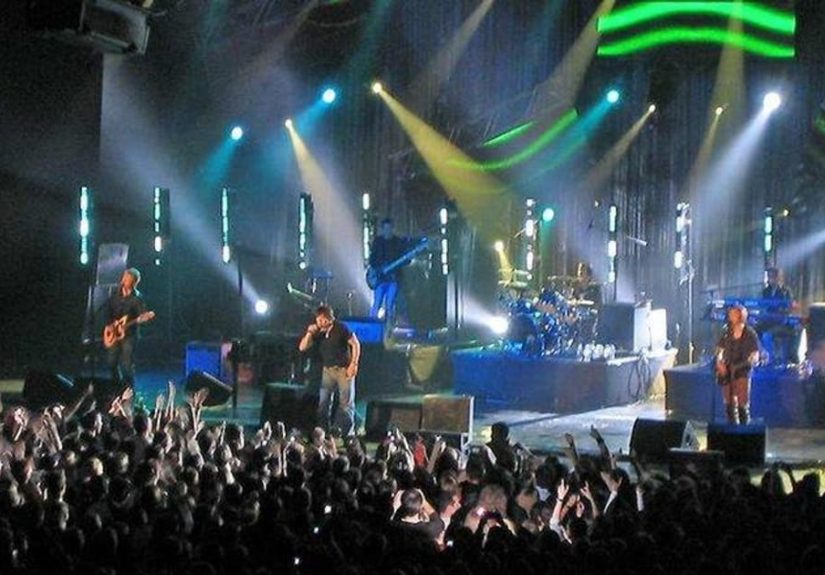
If you’re more into rock, a detour to Rockefeller or Sentrum Scene on another night gives a
different perspective. The rooms feel bigger, the lighting rigs more dramatic, and the sound
huge. When an Oslo band headlines, there’s often a sense of homecoming pride – you’ll see parents,
old friends, and longtime fans packed into the balcony while newer listeners edge closer to the
stage. Between songs, the banter might switch between English and Norwegian, but the energy is
universal: this is a city that loves its bands.
One of the best parts of exploring Oslo’s music culture is how safe and low-stress it feels. Public
transport runs efficiently, venues are used to international guests, and staff are happy to answer
questions in English. It’s easy to plan a night where you start at a bar with local craft beer,
catch an early show, hop across town for a late-night DJ set, and still make it back to your
accommodation without drama.
Over a few days, you start noticing patterns. The same names pop up on posters, local media, and
festival lineups. You realize that the guitarist you saw playing dreamy indie rock on Thursday is
backing a jazz project on Saturday and producing electronic tracks the week after. Oslo’s scene is
small enough that people know each other, yet big enough that you can always stumble onto
something new.
By the time you leave, you’ll probably have a list of Oslo bands stored in your phone, a few
favorite venues you’re determined to revisit, and at least one song permanently lodged in your
brain. That’s the magic of this city: it turns casual listeners into lifelong fans, one concert at
a time.
Conclusion: Why Oslo Bands Belong on Your Radar
Oslo’s bands cover a wild spectrum – from glossy 80s synth-pop and denim-clad deathpunk to
boundary-pushing experimental projects and thoughtful Norwegian-language rap. The city’s compact
size, strong support for the arts, and vibrant venue network give musicians the space they need to
take risks and grow.
Whether you’re building a new playlist, planning a trip, or just curious about what’s happening
beyond the usual US-UK axis, Oslo’s artists are well worth your time. Start with the classics,
dive into the underground, and don’t be surprised if your “just a quick listen” turns into a
full-blown obsession.