Table of Contents >> Show >> Hide
- The “Out-and-About Economy” Is Having a Moment
- The Receipts: What the Data Says About Spending Right Now
- Why Consumers Feel Ready to Spend Outside the House
- Where the Money Is Going When People “Go Out”
- The Caution Tape: What Could Slow Consumers Down
- What Businesses Can Do to Win the “Ready To Spend” Consumer
- What This Means for the Economy
- Real-World Experiences: What “Ready To Spend” Looks Like in Daily Life (Extra)
- SEO Tags
For a while, it felt like America’s favorite hobby was “staying in” (with a side of delivery fees).
But lately, consumers are doing something wild: putting on real pants, leaving the house, and spending money
on things that can’t be shipped in a boxdinners out, flights, concerts, weekend getaways, and all the little
“treat yourself” moments in between.
This isn’t just vibes. The numbers show people are still spending, and a growing share of that spending is
happening out in the worldespecially in restaurants, travel, and experience-driven categories. At the same
time, consumers are choosier than ever: they’ll splurge in one lane and coupon-clip in another, all while
muttering, “How is guac still extra?”
Let’s unpack what’s fueling the out-of-home spending mood, where the money is going, what could slow it down,
and how businesses can meet consumers where they are: outside, hungry, and holding their phone like it’s a
boarding pass and a budget spreadsheet at the same time.
The “Out-and-About Economy” Is Having a Moment
Consumer spending in the U.S. has been remarkably resilient, even after years of inflation fatigue. What’s
changing isn’t necessarily that everyone is spending without limitsit’s how they’re spending.
More consumers are prioritizing experiences and convenience: a meal out after a long week, a quick flight to see
family, a “just because” ticket to a live event, a day trip that turns into an overnight stay because the hotel
is offering a discount and your friend said, “Do it. Life is short.”
In plain English: people are leaving the house more, and businesses that live in the real world (restaurants,
entertainment venues, airlines, hotels, and local services) are competing for dollars that previously went to
goodsespecially discretionary goods.
But this isn’t a carefree spending spree across the board. It’s more like a strategic spending plan with a
personality: consumers are confident enough to go out, but skeptical enough to compare prices,
wait for deals, and switch brands without blinking.
The Receipts: What the Data Says About Spending Right Now
Retail sales are still growingespecially online and “treat categories”
Retail data shows consumers didn’t quietly disappear; they just became more tactical. For example, U.S. retail
trade sales rose month over month in November 2025 and were also higher than the prior year. Nonstore retailers
(hello, online shopping) posted particularly strong year-over-year growth, and food service and drinking places
were also up year over yearan important clue that “going out” spending is still alive and well.
The pattern fits what many shoppers recognize: the cart is smaller, but the purchases are purposeful.
Consumers will spend on things that feel immediately valuablegifts, apparel, self-care items, and the
occasional “I deserve this” purchasewhile hesitating on big-ticket discretionary goods.
Dining out is a real signaland reservations data backs it up
Restaurant spending often acts like a consumer mood ring. When people feel financially squeezed, dining out is
one of the first “nice-to-have” categories to wobble. When people feel steadieror when they’re simply tired
of cookingrestaurants bounce back.
Reservation and seated-diner data suggests dining activity is strong in early 2026 compared with the prior
year, which supports the broader narrative: consumers are showing up in person again, especially when the
outing feels like an experience rather than just calories on a plate.
Travel remains a priority (yes, even when flights aren’t “cheap”)
If you want to see consumer priorities in action, look at airport lines. TSA screening volumes have remained
historically elevated, and the agency has publicly discussed preparing to screen more than 3 million passengers
on peak travel days. Even when households are careful with budgets, travel often stays on the list because it
delivers something people crave: memories, connection, and a break from the same four walls.
The takeaway: consumers may not be buying a new couch, but they’ll buy a weekend awayespecially if they can
justify it as “seeing family” or “finally using that hotel points app I downloaded in 2022.”
Inflation has cooledenough to change behavior at the margin
Inflation doesn’t need to vanish for consumer behavior to shift. It just needs to cool enough that people feel
less like every purchase is a personal attack. Recent CPI data shows inflation has been running notably lower
than the peaks of prior years, which helps explain why consumers are a bit more willing to spend on services
and experiences again.
Lower inflation doesn’t automatically make everything “affordable,” but it can reduce the psychological
friction of spendingespecially for middle-income households that have been trying to balance price increases
with everyday life.
Why Consumers Feel Ready to Spend Outside the House
1) The “prices are still high, but at least they’re not sprinting” effect
When inflation slows, planning becomes easier. Even if prices remain elevated compared with a few years ago,
a steadier pace can restore a sense of control. Consumers can budget with less fear that next month’s grocery
bill will be a surprise plot twist.
That calmer environment encourages “small yes” decisions: saying yes to dinner out, saying yes to a day trip,
saying yes to a concert because, honestly, you’ve been saying no for a long time.
2) “Experience value” is beating “stuff value” for many households
After years of turbulence, a lot of consumers have shifted the way they define value. A product can be
returned. A memory can’t (unless you post it online and your friends roast you, which is… a different kind of
lasting impact).
Dining, travel, and events also offer a social payoff. People aren’t just buying a meal; they’re buying time
with friends, a date night, a celebration, or a feeling of normalcy.
3) Convenience is no longer a luxuryit’s a requirement
Consumers are spending on anything that reduces friction: mobile ordering, reservations, faster checkout,
ride-shares, bundled experiences, and “book now” options that don’t require a dozen tabs and a spreadsheet.
The modern consumer will absolutely spend money to save time. The only thing they won’t spend is extra time
pretending they’re not.
Where the Money Is Going When People “Go Out”
Restaurants and “micro-celebrations”
Not every outing is a big splurge. A lot of spending is happening in repeatable, relatively accessible ways:
brunch, casual dinners, coffee runs, dessert stops, and “let’s grab something quick” that turns into a
two-hour hangout.
Consumers are also upgrading occasions. A birthday dinner becomes a tasting menu. A regular Friday becomes an
“experience” because the restaurant offers a chef’s counter or themed night. In other words: people are paying
for moments that feel special.
Travel: fewer “random” trips, more “worth it” trips
Many households are traveling with intention. They may cut back on the number of trips, but they’re willing to
spend on the trips that matterfamily visits, weddings, milestone events, or one meaningful vacation rather
than several smaller ones.
Value shopping is everywhere: travelers look for off-peak days, bundle deals, points, and flexible
cancellations. They’re not cheapthey’re optimizing.
Entertainment and live events
Live events have a “now or never” quality that makes consumers more willing to spend. A concert, game, or show
isn’t just entertainment; it’s a shared moment with friends, a story for later, and proof you have a life
outside your group chat.
And once consumers commit to the ticket, the spending ripple starts: parking, food, drinks, merch, and
transportation. Outings rarely stay in their lane.
Personal services and wellness
Haircuts, skincare, fitness classes, and other services continue to capture discretionary dollars because they
feel both practical and mood-boosting. For many people, these purchases land in the “maintenance and mental
health” categorynot “luxury.”
The Caution Tape: What Could Slow Consumers Down
Credit stress is realand it’s not evenly distributed
Even as spending continues, household debt dynamics matter. Recent household debt reporting indicates
delinquency rates have remained elevated, and credit conditions vary significantly by income and age group.
That means the same economy can feel “fine” to one household and “tight” to another.
Translation: some consumers are thriving, some are stretching, and many are doing a little of both in the same
month.
Higher interest rates change the math on big purchases
When financing costs stay high, big-ticket goodscars, furniture, major home projectsface more resistance.
That can indirectly push spending toward services and experiences because the monthly payment on a large
purchase feels heavier than the one-time cost of a night out.
It also creates “budget swap” behavior: consumers skip a major purchase but still want enjoyment, so they
reallocate to smaller experiences that feel attainable.
Confidence is cautious, not euphoric
Consumer confidence measures have shown mixed signals, including periods of weakening confidence even while
spending continues. That matters because confidence influences how willing people are to commit to future
purchasesespecially travel bookings and higher-priced experiences.
A cautious consumer still spends, but they demand clearer value, better service, and fewer unpleasant surprises
at checkout.
What Businesses Can Do to Win the “Ready To Spend” Consumer
Make value obvious (without turning everything into a discount)
Today’s consumers are allergic to vague pricing. They respond to clear bundles, straightforward tiers, and
transparent fees. If you add a service charge, explain it. If you offer a premium experience, show what makes
it premium.
Discounts still work, but “smart value” works better: prix-fixe menus, off-peak deals, family bundles, and
add-ons that feel like upgradesnot traps.
Reduce friction: reservations, mobile pay, accurate wait times
When consumers leave the house, they don’t want a side quest. The businesses that win make the outing easy:
booking online, paying fast, finding parking guidance, and providing real-time updates.
Convenience isn’t just operationalit’s marketing. “Easy” is a feature.
Lean into experiences (even in simple ways)
Experiences don’t have to be expensive. They just have to feel special: seasonal menus, themed nights,
behind-the-scenes moments, curated playlists, photogenic plating, or small touches that make customers say,
“Okay, that was fun.”
Remember: services are capacity-constrained
Goods can be stocked. Services require people and time. As more spending shifts to experiences, staffing and
scheduling become the real growth lever. A packed restaurant with slow service doesn’t create loyalty; it
creates one-star reviews written in all caps.
What This Means for the Economy
When consumers spend more on servicesrestaurants, travel, entertainment, personal careit changes the shape of
economic growth. Services are labor-intensive, which can support employment but also keep certain prices sticky.
Goods disinflation can help overall inflation cool, while services inflation can remain more persistent.
Meanwhile, the mix of spending affects which industries expand. A shift toward out-of-home activity benefits
local economies and small businesses, but it also puts pressure on wages, staffing, and capacity in consumer
services.
Bottom line: consumers leaving the house isn’t just a lifestyle trendit’s a macro signal. It suggests a
population that’s still participating in the economy, still looking for joy, and still willing to spend when the
value feels real.
Real-World Experiences: What “Ready To Spend” Looks Like in Daily Life (Extra)
Experience 1: The “Budget-Friendly Splurge” Saturday
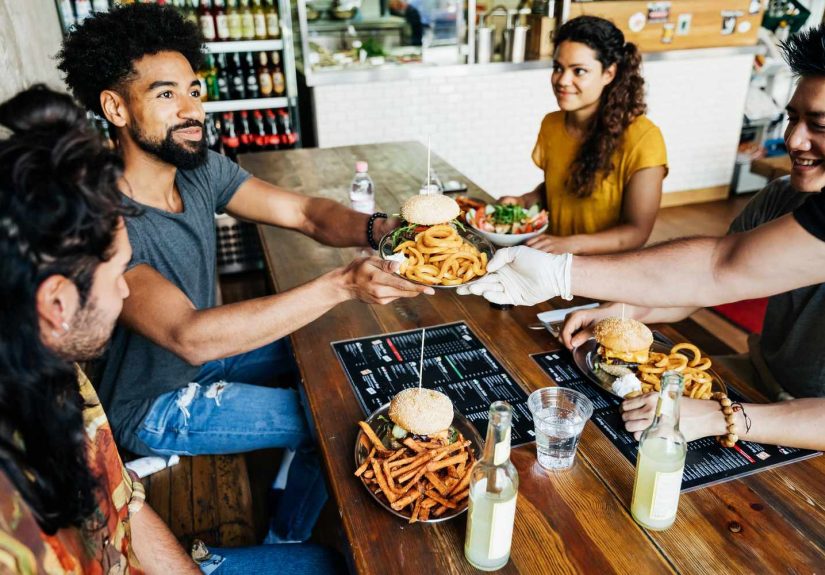
A group of friends plans a Saturday that’s not cheap, but also not “vacation money.” It starts with brunchone
person orders something sensible, another orders the fanciest latte on the menu, and everyone agrees the fries
“for the table” are non-negotiable. After brunch, they walk through a local market, browse pop-up booths, and
buy small items that feel personal: a candle, a tote bag, a vintage pin, a spicy jam they will absolutely
forget in the fridge.
Here’s what’s interesting: they’re not spending because they forgot inflation exists. They’re spending because
the outing feels worth it. They can see the value immediatelygood food, time together, a break from
routine. They skip bigger purchases (no new furniture, no major shopping spree), but they happily pay for a
day that feels like a mini vacation. That’s “ready to spend” in 2026: selective, social, and experience-first.
Experience 2: The “One Big Thing” Month
A couple decides they’re doing one major outing this month: a live show. They buy tickets weeks in advance,
then spend the rest of the month acting like financial geniuses. They cook at home more, bring lunch to work,
and suddenly become very passionate about store-brand snacks. The night of the event, though, the spending
expands: ride-share to avoid parking, dinner near the venue, drinks, maybe merch “because it’s a memory.”
This pattern shows how consumers are managing pressure: they’re not saying yes to everything, but they’re not
saying no to joy either. They budget around experiences rather than cutting experiences out. And when
businesses offer clear pricing, easy mobile tickets, and a smooth checkout, consumers feel comfortable
spendingbecause the process doesn’t add stress.
Experience 3: The “Travel, But Make It Strategic” Getaway
A family plans a short trip that’s part reunion, part reset. They choose travel days based on price, use points
for one leg of the journey, and book a hotel that includes breakfast so they can reduce meal costs. They still
spend plentyairport snacks are basically a law of naturebut they control what they can. Once they arrive,
they spend on experiences: a museum, a local restaurant, a small tour, and a souvenir that becomes the trip’s
inside joke.
The psychological shift is the headline: travel spending happens not because consumers feel unlimited, but
because they feel determined. People want to see family, make memories, and feel like life is moving again.
They’ll sacrifice in one area (maybe fewer impulse buys, maybe delaying a big home purchase) to make the trip
work. That’s the “leave the house, ready to spend” story in its purest form: spending that’s emotionally
motivated, carefully planned, and deeply tied to experiences.
Experience 4: The Small Business Owner’s View from the Front Line
Ask a local café owner what’s happening and you’ll hear a nuanced answer: foot traffic is up, but customers
are more price-aware. People come in, linger, and treat the café like a third spacegreat for atmosphere, not
always great for table turnover. They’ll buy a coffee, maybe a pastry, and they’ll absolutely compare prices
in their head. But if the service is fast, the product is consistent, and the vibe feels good, they return.
That repeat behavior matters more than occasional “big spender” customers. In an experience-driven economy,
loyalty is built on consistency and frictionless service. Consumers are out. They’re spending. But they’re also
scoring every interaction like an invisible judge with a clipboard.