Table of Contents >> Show >> Hide
- Why a DIY Dress Up Storage Station Is Totally Worth It
- Planning Your DIY Dress Up Storage
- Simple DIY Dress Up Rack: Step-by-Step
- Smart Organization Ideas for Dress Up Storage
- Safety Considerations (Because Kids Will Definitely Hang on It)
- Keeping Dress Up Storage Organized for the Long Run
- Real-Life Experiences with DIY Dress Up Storage
- Conclusion
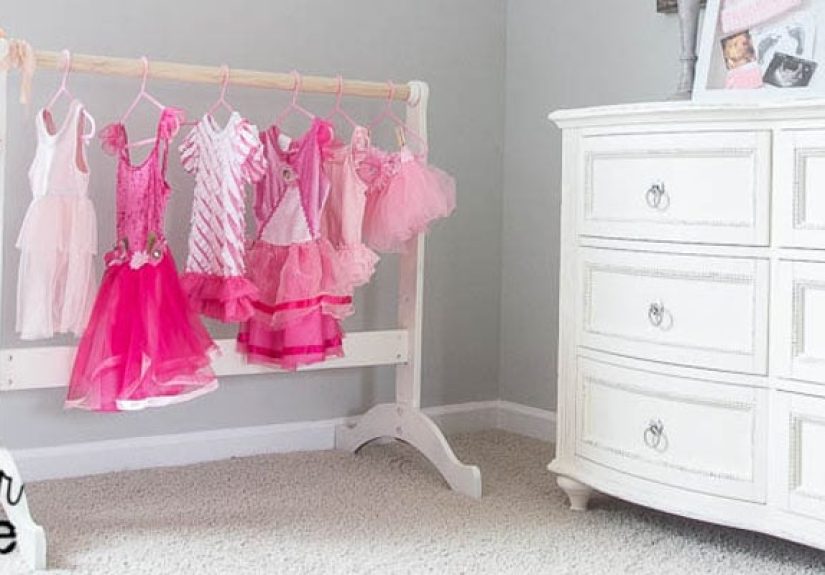
If your kids’ dress up costumes have taken over the house like a sparkly, glitter-shedding avalanche, you’re not alone. Capes on the sofa, tiaras in the couch cushions, plastic high heels under your bare feet at 2 a.m. it’s all part of the “fun.” The good news? A simple DIY dress up storage project can turn that chaotic pile into a cute, functional mini-closet that your kids will actually use and (mostly) keep tidy.
Inspired by the creative, budget-friendly projects you’ll find on sites like Remodelaholic and other home DIY blogs, this guide walks you through planning, building, and organizing a dress up station that looks custom but doesn’t require a custom-cabinet budget.
Why a DIY Dress Up Storage Station Is Totally Worth It
Dress up play is more than just kids putting on costumes and pretending to be superheroes or royalty. Child development experts love this kind of imaginative play because it builds creativity, social skills, and confidence. The problem is, all that creativity usually comes with a massive mess.
Many parents start with a big basket or toy bin for costumes. It works for a while… until the costumes multiply. Suddenly, that overflowing bin becomes a wrinkled, tangled pile where nobody can find anything. The kids stop using half their costumes because they’re buried at the bottom, and you start wondering if “clutter” counts as a home décor style.
DIY dress up storage solves several problems at once:
- Visibility: Hanging costumes and open bins for accessories make it easier for kids to see what they own and actually use it.
- Independence: Low hanging rods, labeled bins, and kid-height mirrors let little ones play (and clean up) with minimal adult help.
- Organization: A defined “dress up zone” helps keep playroom or bedroom clutter under control.
- Style: A cute mini-wardrobe or house-shaped rack feels like part of the room design, not just more kid stuff shoved in a corner.
Planning Your DIY Dress Up Storage
1. Choose the Right Spot
First, decide where your dress up station will live. You don’t need a dedicated playroom lots of families successfully tuck dress up storage:
- Into a bedroom closet (using a cube organizer and a rod to create a mini-closet).
- Along a playroom wall with a freestanding garment rack and some bins.
- Inside a repurposed dresser or armoire turned into a dress up closet.
Measure your space carefully: width, height, and depth. This will determine how wide your rack can be, how tall your hanging rod should sit, and whether you have room for extras like shelves, hooks, or a built-in bench.
2. Think About Your Kids’ Ages
Your design will look different for a three-year-old than for an eight-year-old. Younger kids need:
- Lower hanging rods (around 30–36 inches high).
- Sturdy hooks instead of tiny knobs.
- Lightweight bins or baskets they can pull out easily.
Older kids might appreciate:
- A slightly taller rod so dresses don’t drag on the floor.
- Designated spots for hats, shoes, and accessories.
- A mirror at their eye level so they can admire their outfits properly.
3. Pick Your DIY Style
There are several popular approaches to DIY dress up storage, based on many real-world projects shared by home bloggers and woodworkers:
- House-shaped dress up rack: Built from simple lumber with a dowel across the top for costumes and a box base for shoes and accessories. This style looks adorable and is surprisingly easy to build using pocket-hole joinery.
- Repurposed dresser or cabinet: Remove drawers or interior shelves and add a hanging rod, hooks, wallpaper, and lights to turn dated furniture into a charming dress up wardrobe.
- Cube organizer closet hack: Slide a cube shelf into a closet and install a tension or closet rod above it for hanging costumes, plus bins in the cubes for shoes and accessories.
- IKEA or furniture hack: Use bookcases, spice racks, or small wardrobes as the base, then add hooks, rods, and mirrors to create a custom station on a budget.
If you already have a sturdy piece of furniture collecting dust, upcycling it into a dress up closet can save money and keep one more item out of the landfill.
Simple DIY Dress Up Rack: Step-by-Step
Let’s walk through a simplified version of a popular DIY kids dress up rack a freestanding unit with a hanging rod and a storage box at the bottom. You can adjust the dimensions to fit your space, but the basic structure is universal.
Step 1: Gather Materials
- 2×3 or 1×3 boards for the side frames
- Plywood or MDF for the bottom box and side panels
- 1-inch wooden dowel for the hanging rod
- Wood screws or pocket-hole screws
- Wood glue
- Sandpaper (80 and 150 grit)
- Primer and paint or stain
- Optional: casters, knobs, wall anchors, trim, or decorative cutouts
Step 2: Cut and Sand
Cut your boards for the two side frames. Many house-shaped racks angle the “roof” pieces so the top forms a peak, which looks adorable and gives you space for a name sign or a little banner. Lightly sand all pieces to remove rough spots and splinters before assembly.
Step 3: Build the Side Frames
Assemble the side frames in a simple “house” outline: two vertical legs, two angled roof pieces meeting at the peak, and a horizontal board closer to the bottom that will help support the storage box. Join them with pocket holes or angled screws from the outside. Make sure both frames are the same height and width this is not the time for “good enough”; wobbly dress up racks and energetic toddlers are not a cute combination.
Step 4: Add the Storage Box
Use plywood or MDF panels to create a rectangular box between the two side frames. This will hold shoes, hats, and accessories and also adds stability. Attach the panels with pocket-hole screws or pre-drilled wood screws, checking that everything is square as you go.
Step 5: Install the Hanging Rod
Cut your dowel to width and drill pilot holes through the side frames where you’d like it to sit typically a few inches below the roof peak. Secure the dowel with screws through the sides or with rod brackets. If you have a kid who loves to swing like Tarzan, consider reinforcing this connection.
Step 6: Finish and Paint
Fill screw holes, sand again, then prime and paint. Many parents pick colors pulled from their kids’ bedding or wallpaper, or stick with a crisp white that lets the costumes steal the show. Some add wallpaper or peel-and-stick decals to the back panel for extra personality.
Once the paint dries, you can add casters for mobility, hooks on the sides for bags and necklaces, and maybe a battery-powered light or fairy lights strung across the top. Suddenly, it looks like a tiny boutique instead of a toy rack.
Smart Organization Ideas for Dress Up Storage
Use Zones Like a Real Closet
Many closet designers recommend grouping items by type and function and that strategy works just as well for tiny princesses as it does for grown-ups.
- Hanging zone: Dresses, capes, coats, jumpsuits.
- Bin zone: Hats, crowns, belts, masks, jewelry.
- Shoe zone: Dress up heels, boots, superhero boots, slippers.
- Accessory zone: Wands, shields, swords (soft ones!), bags.
Add Mirrors and “Stage” Details
Many successful dress up setups incorporate a mirror so kids can see their outfits and make adjustments. Some parents hang a full-length mirror beside a garment rack; others attach a smaller framed mirror to the side of a dresser or inside an armoire door.
If you have the space, you can create a mini “stage” area with a rug in front of the station perfect for twirling, posing, and the occasional living room fashion show. A small stool or child-size chair gives them a place to sit while changing shoes or fixing accessories.
Use Kid-Friendly Containers
Open bins or baskets are your best friend. In playroom organization projects, experts often choose shallow bins or drawers so kids can see what’s inside at a glance.
- Clear plastic bins make it easy to see accessories without constant searching.
- Fabric bins are soft and forgiving if kids like to shove things back quickly.
- Labels with pictures (crown, shoes, mask) help pre-readers know where things belong.
Make the Most of Small Spaces
Even if you’re working with a tiny room or a shared bedroom, you can still carve out a dress up zone:
- Use wall hooks or peg racks for a “gallery” of favorite costumes.
- Install a tension rod between a cube unit and a wall to create instant hanging space.
- Hack a narrow bookshelf or spice racks into a slim dress up corner.
The key is to go vertical and use the height of the room without putting anything so high that kids can only reach it by climbing like little mountain goats.
Safety Considerations (Because Kids Will Definitely Hang on It)
Dress up furniture must be cute, but it also needs to be safe. Basic safety checks include:
- Anchoring: If your dress up station is tall or top-heavy, anchor it to the wall using appropriate brackets or straps.
- Smooth edges: Round off sharp corners and sand edges thoroughly.
- Sturdy hardware: Use strong screws and solid rods so the whole unit won’t collapse when someone decides to swing on a cape.
- Non-slip rug or feet: If the unit is on hard floors, use non-slip pads so it doesn’t slide when kids yank costumes off hangers.
Following the same safety mindset used in playroom and closet design stable furniture, secured to walls, with kid-height access helps keep dress up time fun and worry-free.
Keeping Dress Up Storage Organized for the Long Run
The real test of a DIY dress up station isn’t how it looks the day you finish it it’s how it looks three months later, after a birthday, Halloween, and two pretend royal weddings.
Create a Simple Reset Routine
Borrowing from professional organizers, a quick daily reset can make a huge difference.
- Before bedtime, set a two-minute “costume clean-up” timer.
- Make it part of the routine: capes on hangers, shoes in the box, crowns in the bin.
- Keep the system forgiving bins and hooks are easier for kids than perfectly lined-up hangers.
Rotate Costumes Seasonally
If you have a mountain of dress up pieces, consider rotating them like you would toys. Keep about half out and half in a labeled bin in a closet or under the bed. Every few months, swap them. This keeps the station from overflowing and makes old costumes feel new again.
Edit Regularly
As kids grow, some costumes become too small, too scratched, or just unloved. Donate, pass down, or recycle pieces that no longer get used. Your dress up station will feel more special when it’s filled with things they truly love.
Real-Life Experiences with DIY Dress Up Storage
Beyond the plans and pretty inspiration photos, real families learn a lot from living with their dress up stations. Here are some practical lessons and experiences that can help you fine-tune your own project.
Lesson 1: Make It Obvious Where Things Go
Parents often report that their kids are surprisingly willing to clean up if they know exactly where everything belongs. A mom who turned an old dresser into a dress up closet found that hooks on one side for jewelry and a simple labeled drawer for “extras” made clean-up go from a 20-minute negotiation to a 3-minute routine. The visual cues did half the parenting work for her.
When you design your station, step back and look at it through a child’s eyes. Are the categories clear? Are the containers easy to use? If it takes fine motor skills and three steps to put something away, it probably won’t happen consistently.
Lesson 2: Kids Love the “Boutique” Experience
Families with freestanding dress up racks often describe them as “mini boutiques.” The costumes hang where kids can flip through them, shoes line up like a store display, and a mirror invites lots of twirling. This setup doesn’t just store costumes it actually encourages more imaginative play.
One family who followed a house-shaped rack plan added fairy lights along the top beam and a little wooden sign with their child’s name. Suddenly, the dress up rack became “Ella’s Boutique,” and guests were routinely treated to runway shows. The more special the space feels, the more kids want to use it and the more they’re motivated to put everything back so the boutique stays “open for business.”
Lesson 3: Hidden Storage Helps with Visual Clutter
While open racks are amazing for kids, adults sometimes prefer not to stare at ten superhero costumes and three glittery ball gowns from the sofa every night. That’s where repurposed armoires, cabinets with doors, or closet-based systems shine.
Several parents have transformed old armoires or media cabinets originally meant for TVs and electronics into dress up wardrobes. Shelves become shoe spots, hooks line the sides, and a rod spans the middle for dresses. At the end of the day, the doors close, and the room magically looks calm again.
Lesson 4: Flexible Systems Grow with Your Kids
Kids’ interests change fast. The princess phase might turn into a superhero phase, then a dancer or “pop star” phase. Parents who design flexible storage systems tend to be happiest long-term.
For example, a cube organizer plus a rod and hooks can shift from holding dress up costumes to organizing real clothes, sports gear, or backpacks as kids get older. A sturdy garment rack can move from the playroom to a bedroom closet later. If you think ahead and invest in a structure that isn’t strictly “babyish,” you’ll get more years of use.
Lesson 5: The Goal Is Progress, Not Perfection
Even the most beautifully organized dress up station will occasionally look like a costume tornado hit it. That’s okay. Real homes aren’t showrooms they’re lived in, played in, and sometimes messy.
The goal of DIY dress up storage is not to create a Pinterest-perfect photo that never changes; it’s to give your kids a fun, functional space that makes their imaginative play easier and your life a little less chaotic. If you can walk through the playroom without stepping on plastic heels and rogue wands most days, you’re winning.
Conclusion
A DIY dress up storage project is one of those small upgrades that can transform daily life with kids. With some simple lumber or a clever furniture hack, a few basic tools, and a weekend of work, you can create a charming, organized station that keeps costumes off the floor and makes pretend play even more magical.
Whether you build a house-shaped rack, repurpose an old dresser, or hack a closet with a cube organizer and tension rod, the key principles are the same: make it kid-height, make it visible, make it safe, and make it fun. Add mirrors, bins, and labels, and your new dress up station will feel like it’s always belonged in your home just like the tiny superheroes, unicorns, and royalty who use it.
Meta Data for SEO
sapo: Turn your mountain of kids’ costumes into a charming, organized dress up station with this detailed DIY guide inspired by Remodelaholic-style projects. Discover how to choose the right design for your space, build a simple yet sturdy rack or wardrobe, and organize costumes, shoes, and accessories so kids can play independently and actually put things away. From house-shaped racks and repurposed dressers to cube organizer closet hacks, you’ll find real-life ideas, safety tips, and experience-based tricks to keep dress up time magical and the playroom (mostly) under control.