Table of Contents >> Show >> Hide
- What Is a Clawfoot Tub, and Why Are They So Popular?
- The 4 Main Clawfoot Tub Styles
- Choosing the Right Material for Your Clawfoot Tub
- How to Choose the Right Size
- Faucet and Plumbing Options
- Types of Clawfoot Feet (Because Details Matter)
- Installation Considerations You Shouldn’t Ignore
- Cost Breakdown: What You Can Expect to Spend
- Care and Maintenance Tips
- Final Thoughts: Finding Your Perfect Clawfoot Tub
- 500-Word Experience Expansion: What It’s Really Like Choosing a Clawfoot Tub
If you’ve ever dreamed of sinking into a vintage-style bubble oasis with a book in one hand and your worries dissolving like bath salts, a clawfoot tub is probably calling your name. These iconic, freestanding beauties have been gracing American homes for well over a centuryand they’re still wildly popular today. But with dozens of sizes, materials, styles, finishes, and installation choices to sift through, buying the perfect clawfoot tub can feel a bit like choosing a favorite ice cream flavor at a shop with 87 options. (They all look good, but only one is “the one.”)
This ultimate buying guide brings together insights from leading U.S. home improvement, bath design, and remodeling resourcesincluding brands like Signature Hardware, Kohler, American Standard, Ferguson, Home Depot, Wayfair, Build.com, and interior-design expertsto help you confidently choose the perfect clawfoot tub for your home. Let’s make your bathroom glow with vintage charmand your tub choice absolutely foolproof.
What Is a Clawfoot Tub, and Why Are They So Popular?
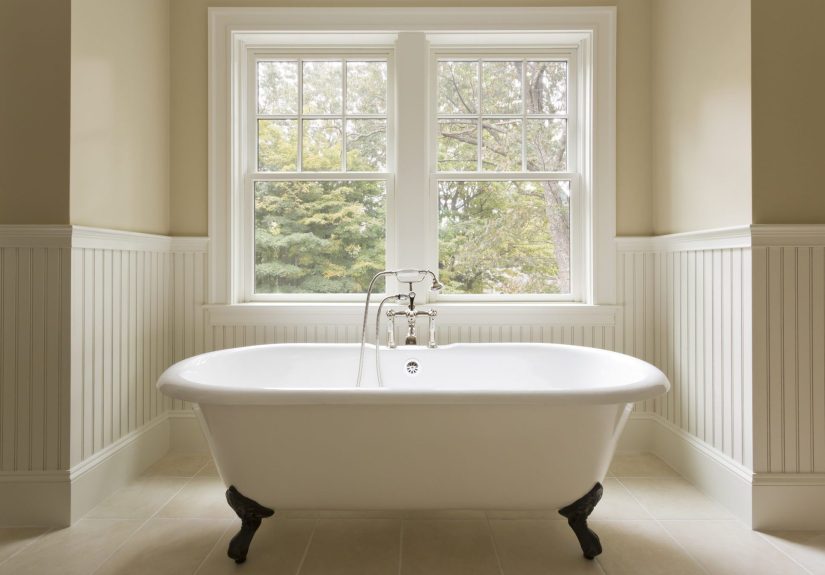
A clawfoot tub is a freestanding bathtub elevated by four decorative feettraditionally styled like lion paws or scroll feet. First introduced in the late 1800s, these tubs became a symbol of luxury in Victorian-era homes. Today, clawfoot tubs are making a massive comeback for three main reasons:
- Aesthetic appeal: They instantly add elegance and character to any bathroom.
- Comfort: Their deep basin is perfect for soakingno “knees sticking out of the water” problem here.
- Versatility: Available in dozens of styles, so you’re not stuck with just one traditional look.
If you want a bathroom centerpiece instead of just a tub, a clawfoot choice makes perfect sense.
The 4 Main Clawfoot Tub Styles
Every clawfoot tub has its own personality. Knowing the differences helps you choose one that matches your aesthetic and comfort level.
1. Classic Roll-Top Tub
This is the traditional shape most people picturecurved rim, symmetrical sides, and a deep oval interior. It’s comfortable, timeless, and blends seamlessly into both modern and vintage designs.
2. Slipper Tub
A slipper tub is elevated on one side, giving you a comfortable lounging angle. Want luxurious, spa-level soaking? This is your match.
3. Double Slipper Tub
Elevated on both ends, these tubs allow two people to lounge comfortably. Yes, this is the romantically approved optionbut it’s great solo too.
4. Double-Ended Tub
Rounded at both ends with the faucet centered in the middle. Aesthetically balanced and perfect for relaxing soaks without a faucet poking your back.
Pro tip: Measure your bathroom first. A clawfoot tub might look petite online but arrive in person like a cast-iron hippo.
Choosing the Right Material for Your Clawfoot Tub
The material determines durability, weight, heat retention, and price. Here’s what you need to know:
Cast Iron
The OG of clawfoot tubs. Heavy, durable, and incredible at retaining heat. If you want long-lasting luxury, cast iron is unbeatablebut installation may require reinforcing your floor.
Acrylic
Lighter, more affordable, and easier to install. Acrylic tubs retain heat fairly well, come in many shapes, and are a top choice for modern remodels.
Resin / Solid Surface
The modern “designer” materialsleek, durable, and warm to the touch. Typically more expensive but offers a sculptural, high-end look.
Porcelain Over Steel
Less common but budget-friendly. Lightweight, but not as durable as cast iron and more prone to chips.
LSI keywords: clawfoot tub material comparison, acrylic vs cast iron tub, solid surface bathtub.
How to Choose the Right Size
Clawfoot tubs are available in sizes ranging from 48 inches to over 75 inches. Here’s how to figure out your perfect fit:
Measure the Space
Leave at least 6 inches of space around the tub for cleaning and plumbing access.
Check Water Heater Capacity
Soaking tubs require more hot water. A typical 40-gallon heater may struggle to fill a large clawfoot tub without running cold halfway through your “spa day.”
Consider User Height
If you’re tall, look for tub lengths above 67 inches. If you’re shorter or have a compact bathroom, 54–60 inches is ideal.
Test the Interior Depth
The magic number? A soaking depth of 14–17 inches. Enough for a full-body submersion, but not so deep you need snorkel gear.
Faucet and Plumbing Options
Clawfoot tubs involve unique plumbing configurations. Here’s a quick breakdown:
Deck-Mounted Faucets
Installed directly onto the tub rim. Great for double-ended designs and tubs with flat edges.
Floor-Mounted Faucets
A dramatic, modern optionlooks incredible in spacious bathrooms.
Wall-Mounted Faucets
Perfect if your tub sits close to a wall. Budget-friendly and space-efficient.
Shower Conversion Kits
Yes, you can turn your clawfoot tub into a showerwith a riser pipe and wraparound curtain rod.
Pro tip: Choose high-quality plumbing hardware. Cheaper parts can cause wobbling, leaks, and “drip symphonies” at 2 a.m.
Types of Clawfoot Feet (Because Details Matter)
The feet are the jewelry of your tub. Common styles include:
- Ball-and-claw: Classic and ornate
- Lion paw: Regal and eye-catching
- Scroll feet: Elegant and understated
- Modern block: Contemporary twist for minimalist bathrooms
Finishes include chrome, brushed nickel, oil-rubbed bronze, brass, and matte black. Match the metal to your existing fixtures for a cohesive look.
Installation Considerations You Shouldn’t Ignore
Clawfoot tubs are deceptively simple-looking, but installation requires some planning.
1. Weight
A cast iron tub can weigh 300–500 lbs emptyand more when filled. Old homes may need floor reinforcement.
2. Plumbing Location
Freestanding tubs require exposed or floor-mounted plumbing. Ensure your contractor has experience working with freestanding systems.
3. Flooring Type
Waterproof or water-resistant flooring is key. Avoid real hardwood unless sealed properly.
4. Drain Access
Some tubs require a special drain/overflow kit. Always match the kit to the tub model.
Cost Breakdown: What You Can Expect to Spend
Prices vary widely based on material, size, and brand:
- Acrylic tubs: $900–$2,500
- Cast iron tubs: $1,500–$5,000+
- Resin/solid surface tubs: $2,500–$7,000+
- Plumbing fixtures: $300–$1,000
- Installation: $500–$2,000 depending on plumbing complexity
Care and Maintenance Tips
Good news! Clawfoot tubs are generally low-maintenance.
- Use non-abrasive cleaners to avoid scratching the finish.
- Clean feet and fixtures regularly to prevent moisture buildup.
- Avoid dropping heavy objects in acrylic tubsthey can crack.
- Polish cast iron exteriors annually to maintain shine.
Final Thoughts: Finding Your Perfect Clawfoot Tub
A clawfoot tub isn’t just a bathroom upgradeit’s a lifestyle upgrade. Whether you prefer a classic cast iron model or a modern acrylic slip tub, there’s a perfect style waiting for you. With the right planning, material choice, size, plumbing, and design, your new tub will transform your bathroom into a personal sanctuary.
500-Word Experience Expansion: What It’s Really Like Choosing a Clawfoot Tub
Let’s get realshopping for a clawfoot tub is part luxury adventure, part detective work. The first time many homeowners step into a showroom, they’re dazzled. The tubs are gleaming, the feet are shiny, and everything looks Pinterest-ready. But then the questions begin: “Why does this tub weigh as much as a small car?” “Why is this faucet $700?” “Why do I suddenly care so much about the shape of tiny metal feet?”
If you’ve ever tested a clawfoot tub in person, you’ve probably done the awkward “pretend soak.” This involves stepping into the dry tub fully clothed, sitting down, and pretending you’re about to enjoy a leisurely soakall while a salesperson politely stands outside your peripheral vision. Don’t worry, everyone does it.
One homeowner shared how she spent six months choosing between cast iron and acrylic. The cast iron tub was gorgeoussolid, timeless, and perfect for her 1920s bungalow. But her bathroom was upstairs, and her contractor warned that installing it could require reinforcing the floor, removing the railing, and possibly hiring six people to carry it. She ended up choosing acrylic. “It saved me $4,000 in labor,” she said, “and my stairs survived.”
Another real-world consideration is water depth. Many first-time buyers assume deeper is betteruntil they realize their water heater has opinions too. One couple purchased a deep double-slipper tub, only to find their 40-gallon heater could only fill two-thirds of it with hot water. “We took turns adding boiling water from the stove,” they said. “Romantic in theory. Less so in reality.”
Then there’s the plumbing. Freestanding tubs require exposed hardware, meaning every nut and bolt is visible. Homeowners often discover this late in the process and rush to upgrade to fancier finishes. “Suddenly I’m debating the emotional impact of brushed brass,” a homeowner joked. “Who even am I?”
But once your tub is installedoh, it’s magic. The room feels bigger. Luxurious. More peaceful. Even basic baths feel special. Homeowners report that soaking becomes a weekly ritualsometimes even a daily escape. “It’s my entire personality now,” one clawfoot tub owner said proudly.
In the end, your clawfoot tub becomes more than a purchaseit becomes a piece of you. Whether you’re restoring an old house or elevating a modern space, the right tub brings character, comfort, and a usable work of art into your home.