Table of Contents >> Show >> Hide
- Introduction: Understanding the Purpose of a Pardon Letter
- Step 1: Research the Pardon Process
- Step 2: Address the Letter to the Appropriate Authority
- Step 3: Introduce Yourself and State the Purpose of the Letter
- Step 4: Explain the Circumstances of the Offense
- Step 5: Describe Your Remorse and Regret
- Step 6: Highlight Efforts at Rehabilitation
- Step 7: Explain Why You Are a Different Person Now
- Step 8: Provide Supporting Documentation
- Step 9: Make a Personal Appeal for Forgiveness
- Step 10: Be Concise and Stay Focused
- Step 11: Use a Professional Tone
- Step 12: End the Letter Politely
- Step 13: Submit the Letter
- Step 14: Be Patient and Prepared for Follow-Up
- Conclusion: Crafting a Convincing Pardon Letter
- Real-Life Experiences: How Pardon Letters Can Change Lives
Writing a pardon letter is a significant step in seeking forgiveness for past actions, and it requires clarity, sincerity, and a solid understanding of the process. Whether you’re looking to have a criminal conviction pardoned or seeking clemency, a well-crafted pardon letter can greatly influence the outcome. This guide will take you through 14 essential steps to write a compelling and effective pardon letter.
Introduction: Understanding the Purpose of a Pardon Letter
A pardon letter is a formal request made to a government official or authority, typically a governor or president, seeking the forgiveness of a criminal conviction. This letter serves as a personal appeal for clemency, often citing the applicant’s remorse, rehabilitation, and contributions to society since the offense. The goal is to persuade the decision-maker that the individual deserves a second chance. Writing an effective pardon letter can significantly increase the chances of receiving a favorable decision.
Step 1: Research the Pardon Process
Before drafting your pardon letter, it’s crucial to understand the specific requirements and procedures for applying for a pardon in your jurisdiction. In the United States, the process varies by state and may involve submitting forms, documentation, and a formal petition. Some states require applicants to demonstrate evidence of rehabilitation or a clean record since the offense. Familiarizing yourself with the process ensures that your letter meets all necessary criteria.
Step 2: Address the Letter to the Appropriate Authority
The first part of your letter should clearly identify the recipient. Typically, this will be the governor, president, or another relevant official who has the authority to grant pardons. It’s important to use the correct title and address the person formally. For example, if addressing the governor, begin with “Dear Governor [Last Name].” Be sure to research the correct spelling and title of the official before proceeding.
Step 3: Introduce Yourself and State the Purpose of the Letter
Start your letter with a brief introduction of who you are. State your full name, the crime for which you are seeking a pardon, and the date of your conviction. Clearly explain that you are requesting a pardon or clemency for the offense in question. Be concise, but make sure your opening sets the tone for the rest of the letter.
Step 4: Explain the Circumstances of the Offense
Provide a detailed but honest explanation of the crime. Be transparent about the offense and your involvement in it. Avoid minimizing your actions or shifting the blame onto others. Acknowledge your mistake and take responsibility for what you did. Demonstrating that you fully understand the seriousness of your actions will help to build credibility and trust with the reader.
Step 5: Describe Your Remorse and Regret
One of the key elements of a pardon request is showing genuine remorse. This is your opportunity to express how truly sorry you are for the harm caused by your actions. Share how the crime affected you, the victims, and the community. Explain any personal struggles or emotional toll it has taken on you. Be sincere, as a lack of genuine remorse can hurt your case.
Step 6: Highlight Efforts at Rehabilitation
A significant factor in being granted a pardon is demonstrating that you have changed since the conviction. Discuss any steps you’ve taken to improve yourself, such as completing a rehabilitation program, pursuing education, engaging in community service, or maintaining steady employment. Providing concrete examples of how you have worked to better yourself and reintegrate into society will show that you are deserving of a second chance.
Step 7: Explain Why You Are a Different Person Now
Along with highlighting your rehabilitation efforts, it’s important to explain how these efforts have fundamentally changed you as a person. This could include shifts in your mindset, behavior, or values. Reflect on how the experience has shaped your character and why you believe you are no longer a threat to society. If applicable, mention any positive contributions you’ve made to the community or society since the conviction.
Step 8: Provide Supporting Documentation
Whenever possible, include supporting documentation that reinforces your claims. This could include letters of recommendation from employers, community leaders, or individuals who can vouch for your character and rehabilitation efforts. If you completed rehabilitation programs, include certificates or proof of completion. These documents will help to substantiate your claims and provide tangible evidence of your efforts.
Step 9: Make a Personal Appeal for Forgiveness
While your letter should be formal, it’s also an emotional appeal. Politely and respectfully ask for the pardon, emphasizing your sincere desire for forgiveness. Acknowledge the seriousness of the crime but request a chance to demonstrate that you’ve changed. Express how receiving a pardon will significantly impact your life and allow you to move forward.
Step 10: Be Concise and Stay Focused
While it’s important to provide all relevant information, your pardon letter should remain clear and concise. Avoid rambling or including irrelevant details. Focus on the key points that will make the strongest case for why you deserve a pardon. Keep the tone respectful, but don’t hesitate to share the emotional and personal impact of your past actions and your desire for a second chance.
Step 11: Use a Professional Tone
Even though your letter is personal, it should still maintain a professional tone. Avoid using slang or overly casual language. The goal is to convey your message respectfully and thoughtfully. Proofread your letter for grammar, spelling, and punctuation errors to ensure that it comes across as polished and serious.
Step 12: End the Letter Politely
Conclude your letter with a polite and respectful closing. Thank the reader for considering your request and reiterate your desire for a second chance. Common closings include “Sincerely,” “Respectfully,” or “Thank you for your time and consideration.” Sign the letter with your full name and any relevant information, such as your contact details.
Step 13: Submit the Letter
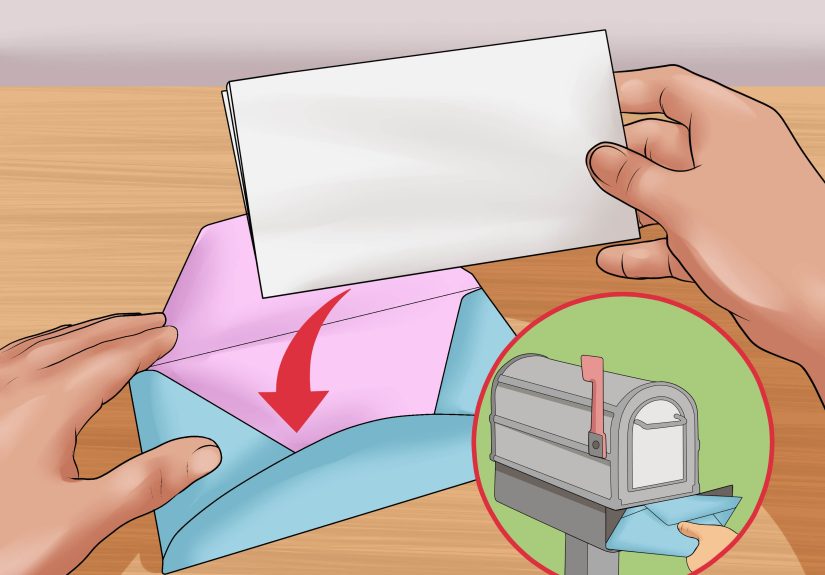
Once your letter is written, it’s time to submit it. Follow the specific guidelines provided by the relevant authority. Some jurisdictions may require the letter to be submitted online, while others may require a physical mailing address. Make sure you follow the instructions precisely to avoid any delays or mistakes.
Step 14: Be Patient and Prepared for Follow-Up
After submitting your pardon letter, be patient and wait for a response. The review process can take time, and the authority may contact you for further information. If you haven’t heard back after a reasonable period, consider following up politely to inquire about the status of your request.
Conclusion: Crafting a Convincing Pardon Letter
Writing a pardon letter requires careful thought, honesty, and emotional depth. By following the steps outlined above, you can craft a letter that maximizes your chances of receiving a favorable outcome. Remember to be respectful, show genuine remorse, and provide evidence of rehabilitation. With the right approach, your pardon letter can be the first step toward a second chance in life.
Real-Life Experiences: How Pardon Letters Can Change Lives
When crafting a pardon letter, it’s helpful to reflect on real-life examples of individuals who successfully navigated the process. Many people have shared their stories about how writing a thoughtful and sincere letter helped them regain their freedom or opportunities they had lost due to a past mistake.
Take, for instance, a man who served several years for a nonviolent drug offense. After his release, he went on to complete his education, became an advocate for drug rehabilitation, and began working with organizations that help former offenders reintegrate into society. His heartfelt pardon letter explained not only his remorse but also his dedication to making amends through positive action. His letter was one of many that were reviewed in a broader effort to offer second chances to individuals committed to reform.
Another example is a woman who had been convicted of a minor theft in her youth. Having turned her life around, she became a successful entrepreneur and an active community volunteer. Her letter included her rehabilitation journey, the positive changes she had made, and her desire to remove the stain of her past conviction so that she could fully contribute to her community without the limitations imposed by her criminal record. The personal appeal, coupled with tangible examples of her contributions, led to a favorable decision and the removal of her criminal record.
In each case, the key to success was the combination of a sincere apology, evidence of change, and a clear demonstration of the individual’s commitment to leading a law-abiding and productive life. Writing a pardon letter is more than just following a set of guidelines; it’s about making an emotional connection with the reader and showing that you have learned from your mistakes.
For many, receiving a pardon has meant the opportunity to rebuild their lives, regain lost rights, and restore their reputation. It’s a reminder that everyone makes mistakes, but with effort and dedication, we can all earn a second chance.