Table of Contents >> Show >> Hide
- What “percale” really means
- Why percale sleeps cooler
- Thread count decoded (and why it’s not everything)
- Fiber 101: long-staple, Supima & the “Egyptian cotton” effect
- Finishes & certifications that actually matter
- Care guide: keep it crisp, cool, and long-lasting
- Percale vs. sateen: picking the right vibe
- How to choose your Classic Cool Cotton Percale set
- Who will love this set
- Conclusion
- SEO Wrap-Up
- Extra: of Real-World Percale Experiences
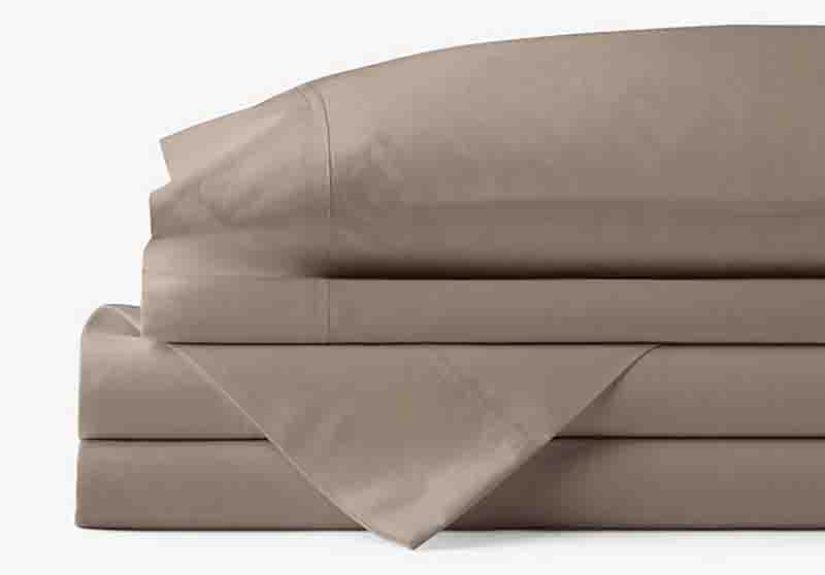
If your ideal sheet sounds like a freshly ironed dress shirtcrisp, cool, and impeccably tidypercale is your love language. The Classic Cool Cotton Percale Bed Sheet Set is for sleepers who crave airiness over cling, structure over slink, and a just-right, hotel-style snap when you make the bed. Below, we unpack what makes cotton percale special, how to choose a set that actually lasts, and how to keep that breezy feel wash after washwithout drowning in buzzwords like “1000 thread count” or “unicorn-certified cotton.”
What “percale” really means
Percale is a simple, balanced, one-over-one-under plain weave. That gridlike structure gives cotton percale its signature matte look, crisp hand, and superior breathability. It’s the opposite vibe of sateen (which drapes heavier and feels silkier). In practical terms: percale sleeps cooler, feels lighter, and has that clean, classic snap you hear when you fluff the top sheet.
Why percale sleeps cooler
Two forces make percale a summer (and hot-sleeper) superstar. First, the plain weave leaves micro-channels that let air move, so heat and humidity don’t get trapped against your skin. Second, percale doesn’t cling; its lighter drape means fewer “steam-tent” moments under the covers. If you live in a warm climate or just run toasty, cotton percale is the tried-and-true route to a cooler night’s sleep.
Thread count decoded (and why it’s not everything)
Thread count measures how many yarns are woven into a square inch of fabric. It can be helpful, but it’s not a quality guarantee. For cotton percale, a sweet spot typically lands around 200–400dense enough to feel substantial, open enough to breathe. Above that range, percale often gets warmer and heavier. What matters more: fiber quality (long-staple > short-staple), single-ply yarns, and clean finishing. In short: judge the fabric, not just the number on the box.
Fiber 101: long-staple, Supima & the “Egyptian cotton” effect
Staple length is the unsung hero. Long-staple cotton (like American-grown Pima/Supima) spins into stronger, smoother yarns with fewer ends poking outtranslation: softer out of the package, less pilling over time, better durability. Supima is a verified American Pima program with strict fiber rules, representing a tiny fraction of global cotton. If you want elevated feel without babying your sheets, long-staple cotton percale is the lane.
Finishes & certifications that actually matter
Look for clean finishing over heavy chemical softeners. Garment-washed percale will start out a touch softer (and more relaxed) without losing that crisp personality. For safety, certifications like OEKO-TEX® Standard 100 signal the finished fabric has been tested for a broad list of potentially harmful substances. It’s not a comfort rating; it’s peace of mind for sensitive skin and households that care about what touches them for 7–9 hours a night.
Care guide: keep it crisp, cool, and long-lasting
- Wash weekly. Body oils dull cotton’s hand; regular laundering keeps percale lively and fresh.
- Temperature: Warm or cool water is plenty for routine loads. Hot is fine for occasional sanitation, but routine hot cycles can age fibers faster.
- Detergent: Use a normal dose of a quality detergent. Over-soaping can leave residue and stiffen the hand.
- Drying: Tumble on low to medium heat and don’t over-dry. Pull promptly; a quick “sheet snap” and smooth over the bed minimizes wrinkles without ironing.
- Softeners & dryer sheets: Skip them if you can; they can coat fibers and reduce breathability. Wool dryer balls add loft without buildup.
- Good news: Percale gets softer with washing while staying structured. Give it a few cycles and you’ll feel the glow-up.
Percale vs. sateen: picking the right vibe
| Feature | Percale (this set) | Sateen |
|---|---|---|
| Feel | Crisp, cool, matte | Silky, smooth, slight sheen |
| Drape | Lighter, airier | Heavier, more body-hugging |
| Warmth | Cooler | Warmer |
| Wrinkles | Wrinkle-prone (classic look) | More wrinkle-resistant |
| Durability | Excellent; resists pilling well | Can pill sooner, depending on fiber |
How to choose your Classic Cool Cotton Percale set
- Pick the fiber: Long-staple cotton (e.g., Supima) if you want smoother yarns and better strength.
- Thread count sanity: Aim for ~200–400 in percale. Outside that range can be fine, but test with your hands and pay attention to breathability.
- Weave & finish: You’re here for percale; decide if you want “ultra crisp” (less pre-wash) or “already relaxed” (garment-washed).
- Fit matters: Check the pocket depth on the fitted sheet. Today’s mattresses and toppers can be chonky.
- Safety & standards: OEKO-TEX® Standard 100 (and similar) provide chemical-safety assurance for finished textiles.
- Color & pattern: White is timeless and reads cooler to the eye; darker solids hide pet hair better. Either way, cotton percale holds color nicely when laundered right.
Who will love this set
Hot sleepers and folks in humid climates who want breathable, light bedding. Minimalists who prefer a matte, tailored bed over shine. Hotel-sheet fans who love a tidy, crisp tuck. And realists who want fabric that gets softer with use but doesn’t turn limp or clingy.
Quick Q&A
Do percale sheets wrinkle? A bitthink “fresh linen shirt” rather than “wrinkle-free dress pants.” Pull promptly from the dryer, smooth on the bed, and call it European chic. Ironing optional.
Is percale good year-round? Yes. In summer, it’s breezy on its own; in winter, it layers beautifully under a duvet or blanket without getting swampy.
How long will a good set last? With weekly washing and sensible drying, quality cotton percale can be your weeknight wingman for years.
Conclusion
The Classic Cool Cotton Percale Bed Sheet Set is the grown-up choice for sleepers who want breathable comfort, clean lines, and durable cotton that improves with every spin cycle. Choose long-staple fibers, keep thread count reasonable, skip the chemical overkill, and treat your sheets like the everyday luxury they are. Five minutes of care buys you years of very good sleep.
SEO Wrap-Up
sapo: Love the hotel-fresh, cool-to-the-touch feel? A Classic Cool Cotton Percale Bed Sheet Set delivers crisp structure, airy breathability, and long-lasting comfort. Learn what “percale” really means, how thread count can mislead, why long-staple fibers matter, and the simple care habits that keep your bed whisper-cool every night.
Extra: of Real-World Percale Experiences
Three summers, two climates, one conclusion: percale is the “set it and forget it” of cotton beddingespecially if you run warm. During a July heat wave, a percale top sheet plus a lightweight blanket kept the bed comfortable without waking up sticky. The lighter drape matters; with sateen, the fabric felt luxurious but created a micro-climate that was a degree too toasty. Percale’s breathability doesn’t just read cooler on a spec sheetyou feel it at 2 a.m. when your bedroom fan is doing its best impression of a jet engine.
About that “crispness” newbies worry about: straight out of the package, percale can feel like the start of a fresh notebookstructured, slightly papery, almost ceremonial. After two or three washes, the hand relaxes. You still get that tailored, hotel-bed look, but the fabric moves more fluidly when you turn over. If you like the super-broken-in vibe from day one, look for garment-washed percale; it arrives with a soft focus but keeps the breathable backbone intact.
Wrinkles in the wild: percale’s little creases are part of its charmthe “linen shirt” effect. In real life, a quick dryer cycle with a damp towel (or a mist from a spray bottle) plus a firm sheet snap before you tuck makes the bed look remarkably polished. If you want showroom smooth, a fast pass with a steam iron on the pillowcases is 90% of the visual win for 10% of the effort.
Pets & percale: households with fur friends often prefer percale because it resists pilling and stands up to frequent washing. Claws and collars still demand common sense (trim those talons), but the tighter structure copes better with “zoomies at bedtime” than loftier knits. Darker colors hide tumbleweeds of cat hair; mid-tones disguise lint and dust best.
Fit quirks solved: deep mattresses and toppers can turn fitted sheets into wrestling matches. Measure your mattress height (don’t guess), check the pocket depth on the package, and favor elastic that runs all the way around. If your set is slightly oversized, a quick warm-water wash and medium-heat dry usually tightens the corners just enough for a neat, stay-put fit.
Seasonal strategy: in shoulder seasons, percale pairs beautifully with a breathable blanket (waffle cotton, anyone?). When winter bites, you can layer percale under a comforter without creating a heat trapits lighter drape keeps the bed from feeling heavy. In summer, lose the blanket, keep the percale, and enjoy the breeze.
Longevity in practice: the sets that age best share three traits: long-staple cotton, sensible thread counts, and gentle drying. After a year of weekly laundering, the winners still feel smooth with no mystery fuzz or thinning at the feet. The biggest difference you’ll notice is that “new notebook” crispness mellowing into a familiar, polished softnessthink favorite Oxford rather than worn-out tee. If you’re after that classic, cool, always-fresh experience, cotton percale is the keeper you’ll keep reaching for.