Table of Contents >> Show >> Hide
- What “Meat Farm Rescue” Usually Means (And What It Doesn’t)
- The First 72 Hours: Safety, Stabilization, and “No Big Feelings”
- Why Some Rescued Dogs Freeze, Flinch, or Hide From Kindness
- How Love Is Reintroduced: The Rehab Tools That Actually Work
- What “First Love” Often Looks Like in Real Life
- When Rescued Dogs Come to the U.S.: Health Rules That Protect Everyone
- Adoption and Fostering: How to Help a Survivor Thrive at Home
- Big Picture: Why These Rescues Matter Beyond One Dog
- Conclusion: Love, Rewritten in Small Steps
- 500 More Words: Real-World Experiences People Share After Adopting a Meat-Farm Survivor
Imagine your whole world is a wire enclosure, the weather is always “whatever it is today,” and the idea of a soft bed is basically science fiction.
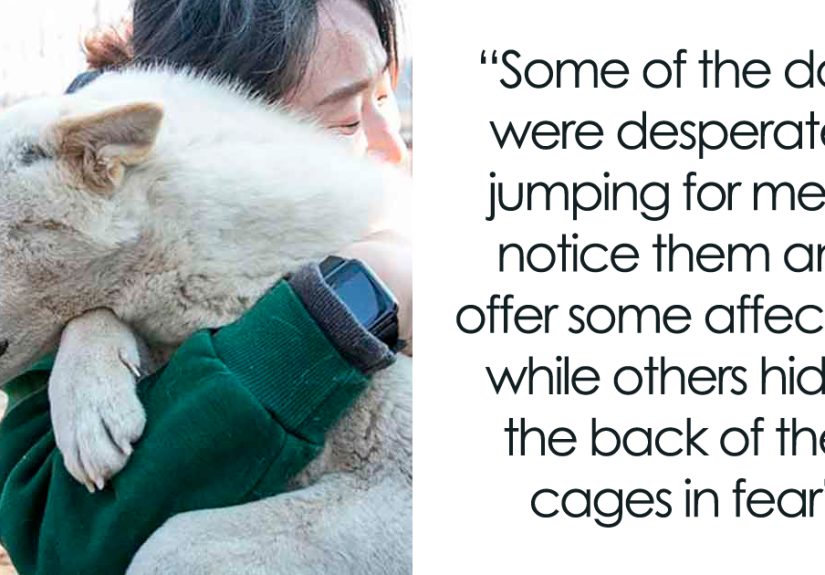
Then one day, hands arrivecalm handsfollowed by food that’s not tossed like an afterthought, a warm towel, and a quiet place where nobody expects you to be “brave” on command.
For many dogs rescued from meat farms, that’s what “first love” looks like: not fireworks, but a steady drip of safety until trust finally shows up.
This story isn’t about a single miracle moment. It’s about a processrescue, medical care, behavioral rehabilitation, and patient human beings who celebrate the smallest wins
like they’re winning the Super Bowl (because, honestly, they are). And if you’ve ever wondered what happens after the headlinesafter the transport crates, the photos, the
“now they’re safe” poststhis is the real journey: learning what kindness is, one ordinary day at a time.
What “Meat Farm Rescue” Usually Means (And What It Doesn’t)
When people say “meat farm,” they’re usually referring to operations where dogs are kept for commercial sale as meatmost commonly discussed in the context of parts of Asia,
including South Korea, where advocacy groups have documented intensive dog farming and worked to close facilities while rescuing the animals.
The dogs involved are often raised with minimal positive human contact, limited enrichment, and little reason to believe people are safe.
A rescue from a meat farm is rarely a simple scoop-and-go. It can include coordination with local authorities, veterinary checks, transport logistics,
and (when dogs are relocated internationally) strict health and import requirements that protect both the animals and public health.
In other words: it’s not just “saving dogs,” it’s building a lawful, medically sound bridge from crisis to home.
The First 72 Hours: Safety, Stabilization, and “No Big Feelings”
The first phase after rescue is usually about stabilization. Many dogs arrive frightened, underconditioned, and overwhelmed by sensory overload:
indoor lighting, doors, leashes, collars, gentle voicesthings most pet dogs treat as background noisecan feel like a full-blown alien invasion.
Rescuers typically focus on calm routines, quiet spaces, predictable feeding schedules, and basic medical triage.
Medical care comes first (because pain makes everything harder)
Veterinary teams often address dehydration, parasites, skin issues, dental disease, injuries, and malnutrition. This isn’t just about comfortuntreated pain can intensify fear,
reduce appetite, and make learning nearly impossible. A dog who hurts can’t “relax into love.” They need relief, rest, and time.
Behavioral triage: “Let the dog choose” is the new headline
For severely undersocialized dogs, the goal early on is not to force affection. It’s to create a setting where the dog has control:
approach-and-retreat options, hiding spots, and zero pressure to interact. Think of it like meeting a new personexcept you can’t speak the same language,
and your entire history suggests the new person might be a problem. Slow is fast here.
Why Some Rescued Dogs Freeze, Flinch, or Hide From Kindness
People sometimes assume rescued dogs will instantly “know” they’re safe. But dogs don’t download updates overnight.
A dog who has learned that humans predict scary experiences may respond to gentle touch with trembling, avoidance, or shutting down.
That’s not stubbornness. It’s survival learning.
Animal welfare and veterinary behavior experts commonly describe severe fear in shelter and rescue dogs as a treatable conditionespecially when handled with
structured behavior modification, careful pacing, and (in some cases) medication support as part of a broader plan.
The key point: fear is an emotion, not a moral failing.
The missing “puppy lessons” (socialization windows matter)
Dogs have sensitive developmental periods when safe exposure to people, surfaces, sounds, and routines helps build resilience.
If a dog grows up without those exposuresor experiences them as scaryadult life can feel like being dropped into a theme park with no map.
That doesn’t mean the dog can’t improve. It means they need a curriculum, not a pep talk.
How Love Is Reintroduced: The Rehab Tools That Actually Work
The most successful rehabilitation programs rely on science-based methods that change emotional associations. That often includes positive reinforcement,
gradual exposure at tolerable levels, and careful observation of stress signals. The vibe is less “dominance” and more “therapeutic roommate.”
1) Desensitization and counterconditioning
These two are the power couple of fear rehab. Desensitization means introducing a trigger at a low intensity the dog can handle.
Counterconditioning means pairing that trigger with something goodusually fooduntil the dog’s emotional response shifts.
Example: a hand appears at a distance, then treats appear. Over time, “hand” starts predicting “snacks,” not “danger.”
2) Consent-based handling (“Yes, I would like a gentle ear scratch”)
Many rehab plans prioritize teaching the dog that their choices matter: you offer contact, you wait, you respect the no.
That might look like sitting sideways, avoiding direct staring, letting the dog approach, and rewarding brave check-ins.
When a dog learns they can opt out, they’re more likely to opt in.
3) Tiny routines that build confidence
Predictable schedulesmeals, potty breaks, quiet timecreate a sense of control. Then come small skills:
walking a few steps on leash, investigating a new toy, choosing to rest on a mat. Each win is proof the world is manageable.
4) Avoiding punishment (because fear + punishment = more fear)
Harsh corrections can intensify anxiety and damage trust, especially for traumatized dogs.
Many veterinary and training authorities emphasize reward-based approaches for fearful dogs and warn against aversive methods that can worsen stress.
If you want a dog to associate humans with safety, you can’t also make humans the source of scary surprises.
5) Medication as a supportive tool (for some dogs, not all)
In severe cases, veterinarians and veterinary behaviorists may recommend anxiety medication as part of a full behavior plannot as a shortcut,
but as scaffolding. The goal is to reduce panic-level arousal so the dog can eat, sleep, learn, and engage with rehabilitation.
It’s similar to how humans sometimes need support to benefit from therapy.
What “First Love” Often Looks Like in Real Life
The internet loves a dramatic transformation montage. Real rehabilitation is usually quieterand honestly, sweeter.
Here are common milestones caregivers celebrate:
- The first voluntary approach: A cautious sniff of a shoe, then retreat. Progress!
- The first tail wag: Not a full helicopter tail, but a small “maybe you’re okay” swish.
- The first nap in the open: Choosing to sleep where people exist is a huge trust signal.
- The first toy interaction: Some dogs don’t know what toys are. Discovering squeakers can be life-changing (and loud).
- The first comfortable touch: A chin rub that doesn’t cause flinching. A paw that stays relaxed.
- The couch epiphany: “Wait… the cushion is for me?” Yes, buddy. It’s for you.
When Rescued Dogs Come to the U.S.: Health Rules That Protect Everyone
If dogs are transported internationally for adoption or rehabilitation, they must meet U.S. entry requirements designed to prevent the reintroduction of canine rabies and
reduce health risks. Rules can include minimum age requirements, microchipping, documentation, anddepending on the dog’s travel historyadditional steps such as
vaccination verification and facility reservations for examination or quarantine.
This part may sound bureaucratic, but it matters. Good rescue is responsible rescue: it safeguards the dogs already here, the people who will care for them,
and the communities that will welcome them home.
Adoption and Fostering: How to Help a Survivor Thrive at Home
Bringing home a meat-farm survivor is not like adopting a confident adult dog who immediately asks where the treat jar is.
It can be deeply rewarding, but it requires patience, structure, and realistic expectations.
Create a “decompression” plan (weeks, not days)
Many shelters recommend a decompression period where the dog is allowed to settle without too many visitors, outings, or demands.
Use a quiet room, block off overwhelming spaces, and keep routines predictable. Your job is not to entertain the dogit’s to convince the dog
that nothing bad happens here.
Set the home up for success
- Safe zone: Crate or covered bed in a quiet corner (never used for punishment).
- Management tools: Baby gates, harness (often better than collars for fearful dogs), and a long line in secure areas.
- Low-pressure bonding: Sit nearby, toss treats, read a book, be boring in the most comforting way possible.
- Predictability: Same feeding times, same potty route, same calm voice. Routine is therapy.
Work with pros when needed
A qualified trainer who uses reward-based methodsor a veterinary behaviorist for more complex casescan dramatically improve outcomes.
The best plans are individualized, because fear isn’t one-size-fits-all.
Big Picture: Why These Rescues Matter Beyond One Dog
Rescuing dogs from meat farms does two things at once: it changes individual lives and it weakens an industry built on suffering.
Many advocacy groups focus not only on rescue, but also on farm closures, enforcement of welfare laws, and transitions that prevent new animals
from entering the same pipeline. Meanwhile, rehabilitation programs prove an important point: even severely fearful dogs can improve when given
structured support and humane handling.
It’s tempting to define a dog by what happened to them. But the better question is: what happens next?
For survivors, “next” can include safety, companionship, and a home where the biggest daily stress is deciding whether the squeaky duck
or the rope toy deserves today’s attention.
Conclusion: Love, Rewritten in Small Steps
Dogs rescued from meat farms don’t need us to be heroes. They need us to be consistent.
The most powerful “I love you” is a routine that proves safety is real: food arrives on time, hands bring comfort, and the world stops being a threat.
For many survivors, the first experience of care and love isn’t a single momentit’s the slow realization that nothing bad happens after the door opens.
And when that realization finally clicks, the transformation isn’t just heartwarming. It’s hard-earned, deeply human, and a little bit magical.
500 More Words: Real-World Experiences People Share After Adopting a Meat-Farm Survivor
Talk to foster families and adopters who’ve welcomed a meat-farm survivor, and you’ll hear a surprisingly consistent theme: the “firsts” come in waves,
and they’re rarely the firsts you expect. People imagine the big hallmark scenedog jumps into arms, violins swell, everyone cries (including the mail carrier).
In reality, the first big breakthrough might be a dog choosing to eat while you’re still in the room. That’s it. That’s the headline.
And everyone in the house reacts like the dog just solved world peace.
One common experience is what some fosters jokingly call “the statue phase.” The dog stands very still, watching everything, as if they’re trying to memorize
the rules of this new planet. They might not explore toys or wander the house. They might not even lie down fully at firstjust a cautious sit that says,
“I will rest, but I will also be ready for surprises.” Caregivers learn to celebrate calm neutrality. A dog who can simply exist without panic is making progress.
Then come the tiny social experiments: a sniff of a slipper, a quiet follow from room to room, a hesitant nose bump to a knee.
People often describe the first time the dog initiates contact as unexpectedly emotional, because it’s not demanding or pushyit’s tentative, almost polite.
The human response has to be equally polite. Many adopters learn to keep their excitement “inside their face,” because loud happiness can feel like pressure.
So they whisper, smile, and drop a treat like it’s no big deal (while internally screaming, “WE HAVE A NOSE BOOP!”).
Another widely shared experience is teaching a dog what household objects are for. Stairs? Suspicious. Mirrors? Definitely haunted.
A vacuum? Obviously a loud demon that lives in a closet. People get creative: leaving the vacuum out (turned off), tossing treats near it,
then gradually turning it on in another room for a second, pairing the sound with something delicious. Progress can look like the dog choosing to stay in place
instead of fleeing. That’s a win.
Many fosters also mention “learning to play” as a major milestone. Some survivors don’t understand toys at first, so caregivers experiment with different styles:
soft plush, crinkly toys, food puzzles, flirt poles (in secure spaces), or even a simple rolled towel with treats hidden inside.
The first time a dog pouncesawkwardly, like they’re wearing invisible flipperspeople laugh and cry at the same time.
It’s not just cute. It’s evidence that the dog’s nervous system is leaving survival mode and entering curiosity mode.
Finally, there’s the moment many adopters describe as the real “first love”: the dog falls asleep near them. Not because they collapsed from exhaustion,
but because they chose to. Sometimes it happens on the floor beside a couch. Sometimes it’s at the end of a bed. Sometimes it’s the couch itself,
once the dog discovers cushions are not traps. The dog’s breathing slows, their muscles soften, and they stop scanning the room.
That’s when people realize love doesn’t always look like a wagging tail in a viral video. Sometimes love is a quiet nap, taken without fear.